







What’s Cuisine: Exploring the Dynamics of Culinary Art and Culture
Introduction

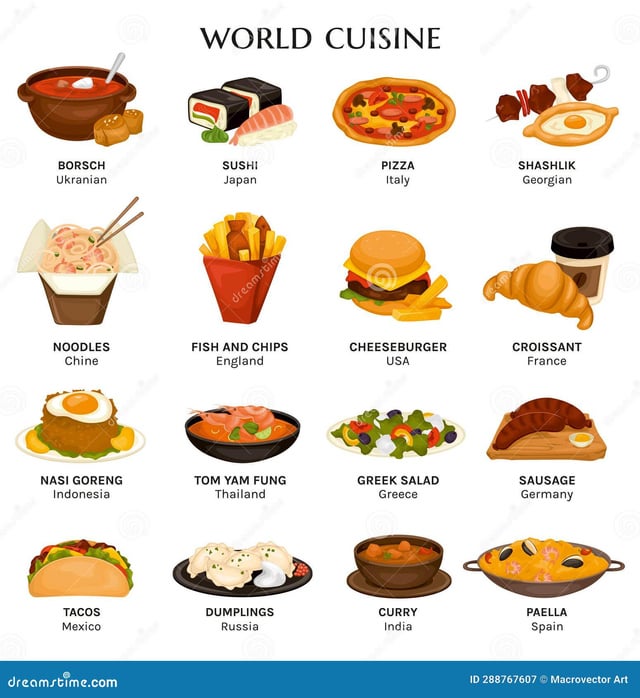
Cuisine, the craft and science of turning ingredients into meals, is far more than daily nourishment; it mirrors history, tradition, and collective identity. This article journeys through the many layers of cuisine, tracing its beginnings, transformations, cultural meanings, and the ways globalization reshapes it. By surveying these facets, we can see how food speaks a universal tongue that brings people together.
The Origins of Cuisine
Early cooks discovered that fire and creative combinations could turn simple foods into tastier, easier-to-digest dishes. As farming spread, a broader palette of grains, vegetables, and herbs appeared, allowing flavors and techniques to diversify into the regional styles we recognize today.
Ancient Civilizations and Cuisine
From the Nile to the Yellow River, early societies refined bread, seasoning, and communal dining. Greeks and Romans turned meals into social events, while farther east, cooks pursued harmony among color, aroma, and taste. Each empire added chapters to the global cookbook that later generations would inherit.
The Evolution of Cuisine
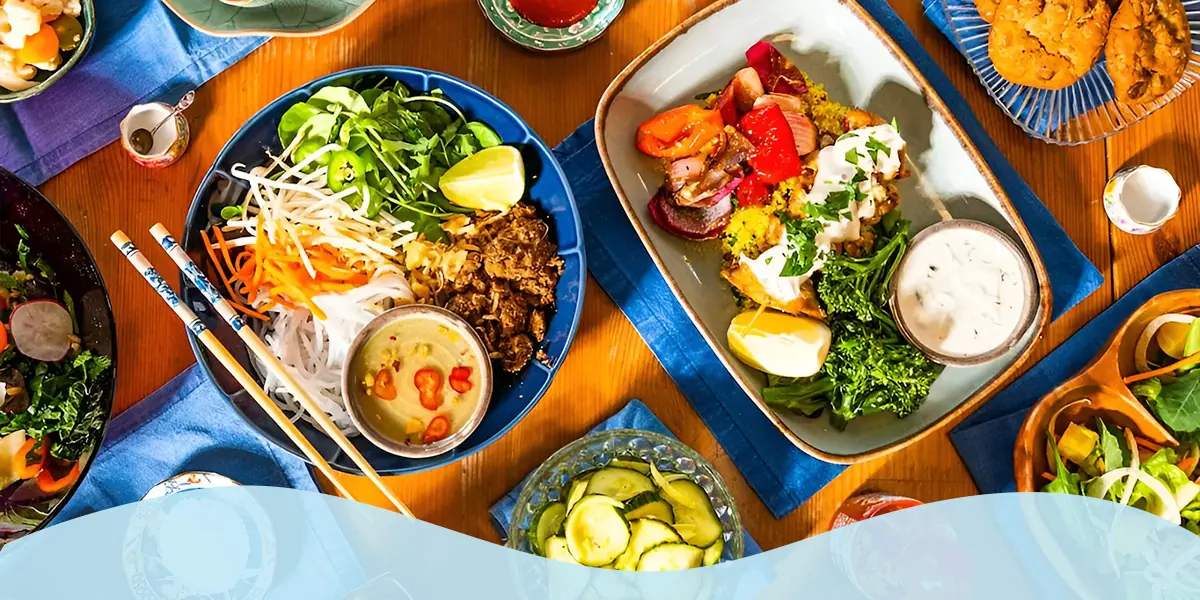
Trade routes, migrations, and new tools constantly rewrite culinary scripts. The following snapshots highlight turning points that broadened the world’s pantry.
The Middle Ages
Spices journeyed westward, perfuming stews and pastries, while travelers carried recipes across borders. The result was a patchwork of local specialties that celebrated both homegrown produce and exotic seasonings.
The Renaissance
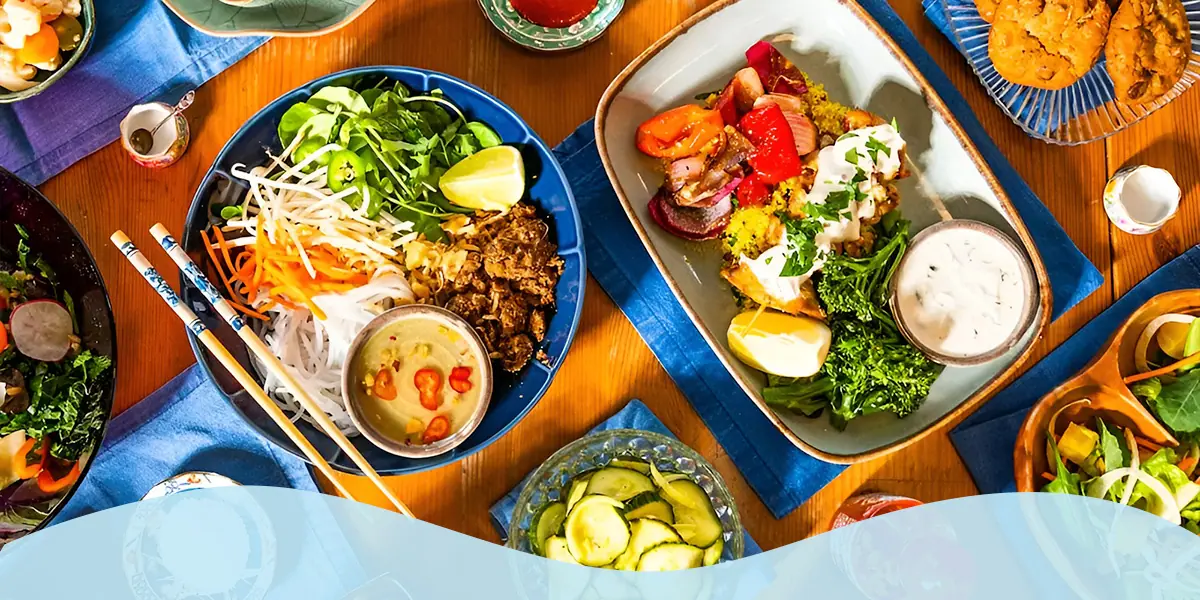
Revived interest in art and scholarship extended to the kitchen. Printed cookbooks circulated, professional kitchens grew more organized, and banquets became stages for edible spectacle, setting standards still admired today.
The Modern Era
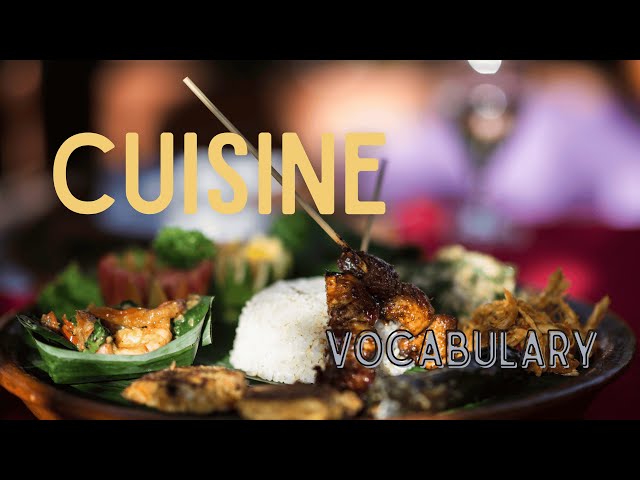
Steamships, refrigeration, and the internet accelerated the swap of ingredients and ideas. Dishes once confined to one valley now appear, reinterpreted, on dinner plates halfway around the world.
The Cultural Significance of Cuisine
Food encodes memories, values, and social codes. Whether everyday fare or holiday centerpiece, meals communicate who we are and where we belong.
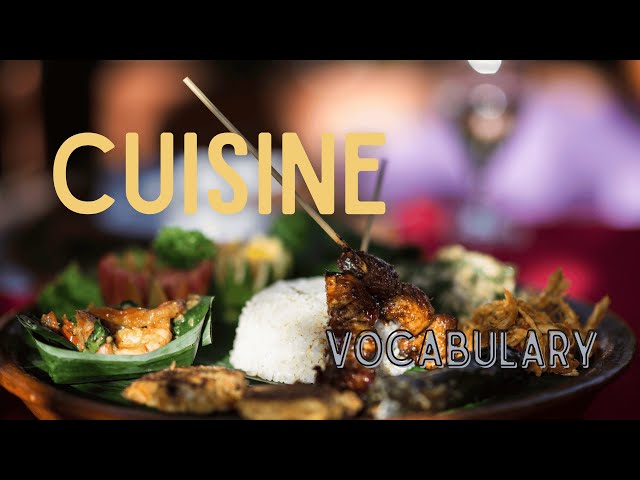
National Cuisine
Iconic dishes often symbolize a country’s landscape and spirit. Hearty stews may evoke mountain winters, while delicate broths suggest coastal abundance, giving citizens and visitors alike a sensory shortcut to a nation’s story.
Religious Cuisine
Spiritual guidelines shape shopping lists and cooking pots, encouraging mindfulness and community. Shared dietary practices can strengthen group bonds and transform simple ingredients into sacred experience.
Social Cuisine
Birthdays, weddings, and neighborhood gatherings revolve around tables laden with familiar flavors. These events turn private recipes into public declarations of friendship, gratitude, and continuity.
The Impact of Globalization on Cuisine
Cross-border movement of people, goods, and media has turned local specialties into global favorites and sparked inventive hybrids.
The Spread of International Cuisines
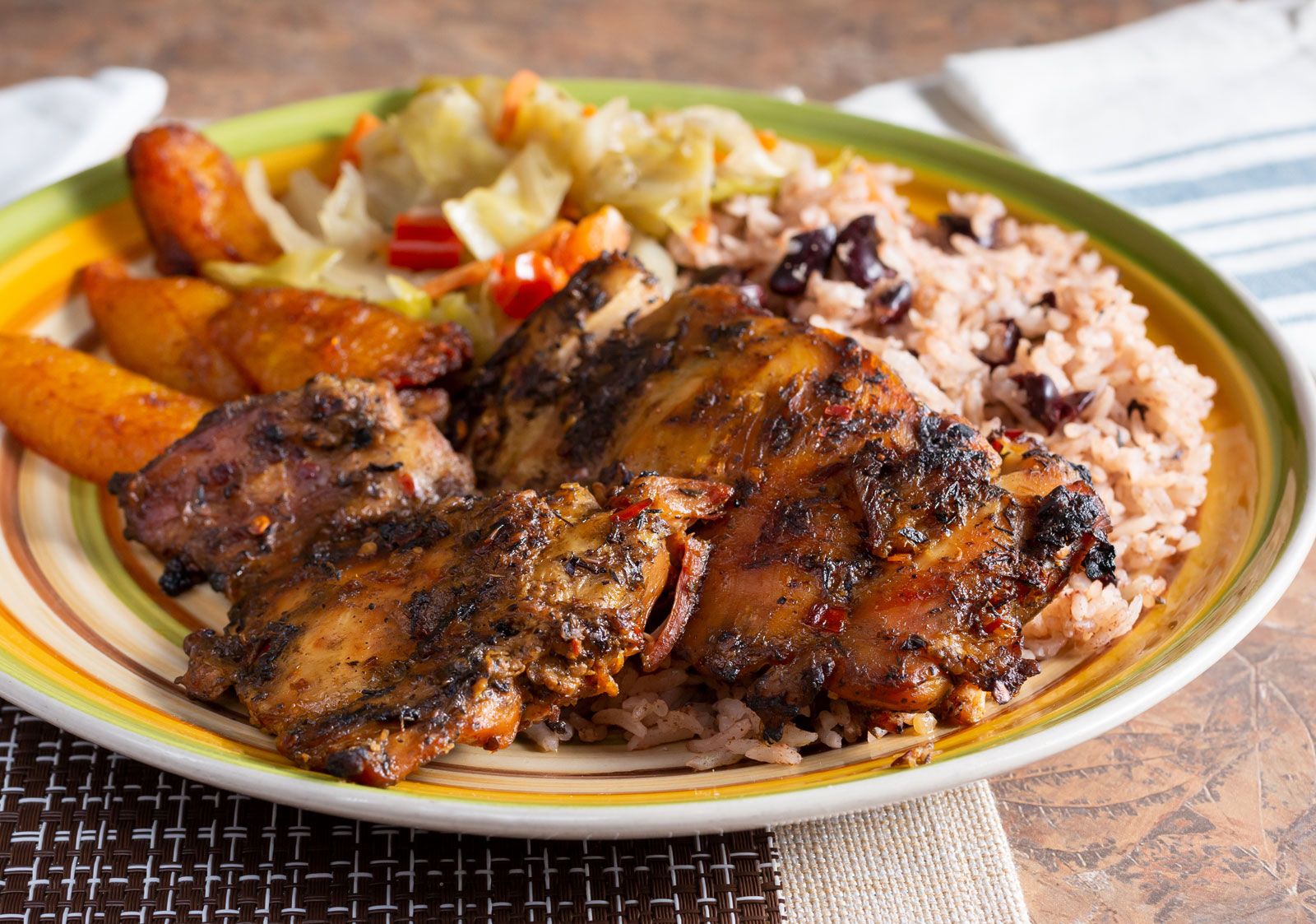
Immigrant kitchens, food festivals, and imported staples introduce new aromas to city streets. Curious diners embrace foreign staples, weaving them into weekly meal plans once dominated by tradition.
Fusion Cuisine
Chefs freely merge techniques and seasonings from multiple regions, creating plates where tortillas meet kimchi or tea-smoked tofu tops pasta. Such experiments celebrate curiosity and the joy of culinary conversation.
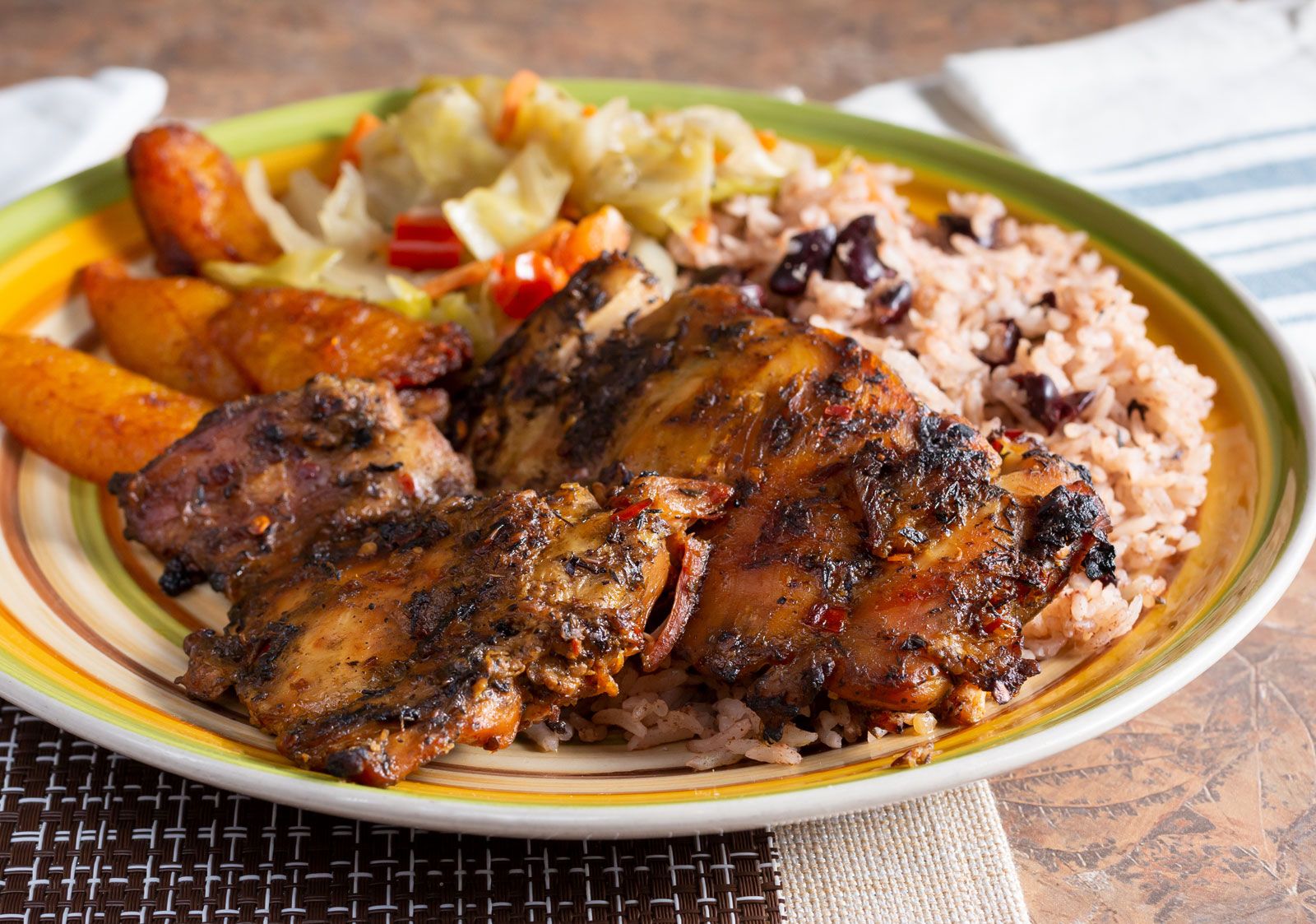
What’s Cuisine?
At heart, cuisine is storytelling by other means. It carries ancestry, geography, and imagination in every bite, inviting eaters to share in a narrative larger than any single kitchen.
The Role of Cuisine in Human Connection
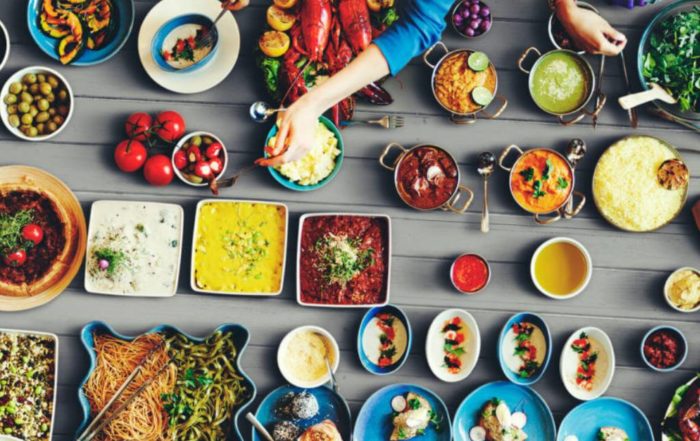
A pot of soup simmering on the stove can start friendships, ease negotiations, and turn strangers into temporary family. By offering food, we offer part of ourselves, building bridges that words alone cannot.
The Importance of Cuisine in Preservation of Heritage
Grandmothers’ tips, street vendors’ rhythms, and ceremonial menus safeguard collective memory. Each recipe passed down is a pledge that future generations will taste the same flavors that shaped their forebears.
Conclusion
Cuisine is living history served on a plate. From ancient hearths to buzzing food halls, it adapts yet endures, reminding us that creativity and community are basic human ingredients. Recognizing food’s cultural weight encourages respect for every loaf, curry, or salad that crosses our path.
Recommendations and Future Research

To deepen appreciation of culinary heritage and its future path, consider these avenues:
1. Record time-honored recipes and the stories behind them before they fade.
2. Fund educational programs that explore links among food, identity, and society.
3. Assess how cooking methods and ingredient choices affect well-being and the planet.
4. Examine shared meals as tools for building inclusive, resilient communities.
Continued curiosity will ensure that the global conversation around food remains as nourishing as the dishes themselves.