






The Evolution and Diversity of Dinner Food in America
Introduction
Dinner in America has changed dramatically over the centuries, mirroring the nation’s history, waves of newcomers, and shifting tastes. From colonial hearths to today’s open-concept kitchens, the evening meal has always been a place where cultures mingle. This overview traces that journey, stopping at key moments that shaped what lands on the table after six o’clock.
The Early Settlers and the Foundations of American Cuisine
The Early Settlers and the Foundations of American Cuisine
Colonial cooks blended Old-World recipes with New-World ingredients. English arrivals brought roasts, puddings, and a love for wheat, while Indigenous neighbors shared corn, beans, squash, and wild game. The result was a hybrid cuisine that set the template for future meals: hearty, seasonal, and open to improvisation.
The Influence of European Immigrants
The Influence of European Immigrants
Successive waves from Italy, Ireland, Germany, Greece, and beyond added noodles, spuds, sausages, and layered pastries to the national repertoire. Street vendors and family kitchens turned these imports into everyday fare, merging them with local produce and creating dishes that feel as familiar as apple pie.
The Great Depression and World War II
The Great Depression and World War II
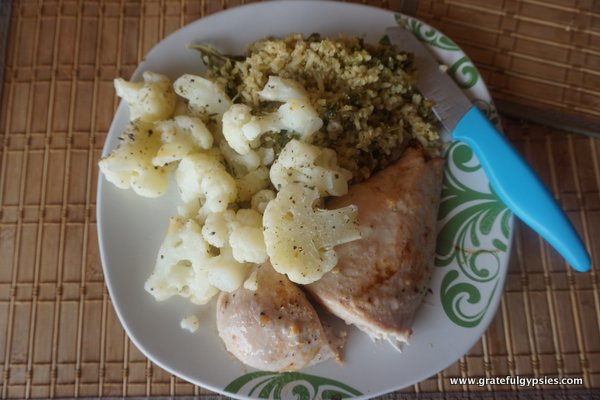
Economic hardship and wartime rationing forced home cooks to stretch ingredients. Meatless stews, one-pot casseroles, and community suppers became the norm. Canned goods and shelf-stable staples entered the pantry, teaching a generation to value ingenuity over indulgence.
The Post-War Era and the Rise of Fast Food
The Post-War Era and the Rise of Fast Food
Prosperity in the 1950s brought television sets, suburban kitchens, and a hunger for speed. Drive-ins, frozen entrées, and paper-wrapped burgers promised convenience, shifting dinner from a leisurely family ritual to a meal that could be eaten in a car or in front of a screen.
The Culinary Renaissance and the Foodie Movement
The Culinary Renaissance and the Foodie Movement
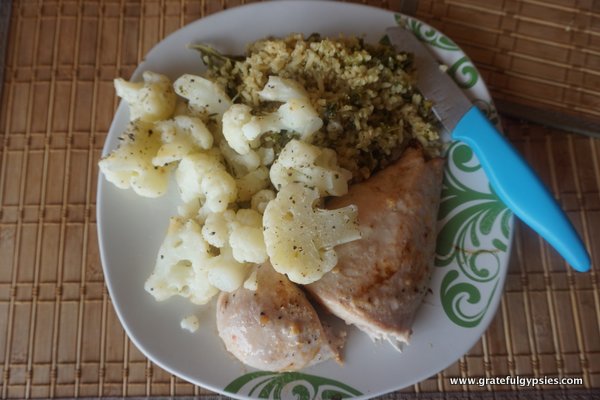
By the late twentieth century, chefs and home cooks alike began revisiting regional traditions and global spice racks. Farmers’ markets reopened, heirloom produce returned, and “farm-to-table” became a rallying cry. Suddenly, weeknight supper could mean Korean tacos or quinoa salad alongside grandma’s meatloaf.
The Current State of Dinner Food in America
The Current State of Dinner Food in America
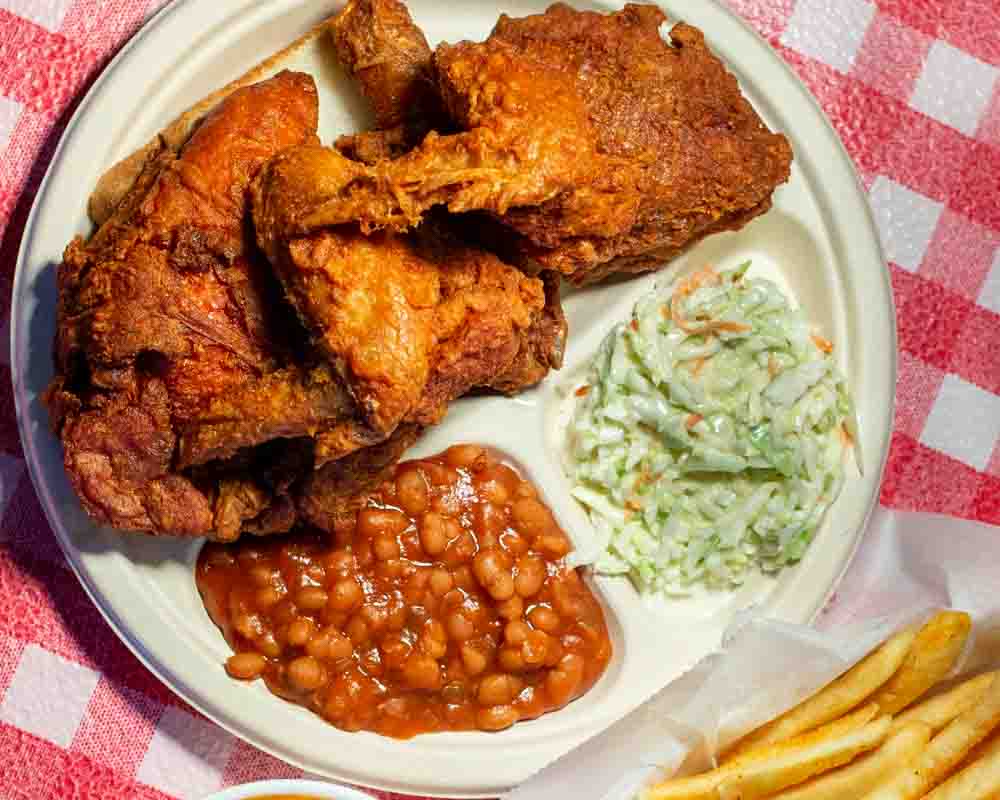
Today’s dinner plate is a movable feast. Barbecue smoke drifts next to turmeric-laced vegetables, while gluten-free pastas share the table with grass-fed steaks. Plant-forward eating, mindful sourcing, and a celebration of world flavors define the modern evening meal.
Conclusion
American dinner is less a fixed menu than an ongoing conversation between past and present, local and global. By honoring tradition while welcoming innovation, the table remains a place where communities gather, stories unfold, and the next bite is anyone’s guess.
Recommendations and Future Research
To keep the conversation going, several avenues deserve attention:
1. Document how recent immigrant communities reshape weeknight staples and holiday spreads.
2. Examine how apps, delivery platforms, and online tutorials steer shopping lists and cooking habits.
3. Assess the environmental footprint of popular ingredients and explore lower-impact alternatives.
4. Create school and community programs that teach basic cooking skills and celebrate culinary heritage.
Pursuing these questions will help ensure that tomorrow’s dinner remains both delicious and inclusive.