





The Rise of Independent Chefs in Today’s Culinary Scene
Introduction
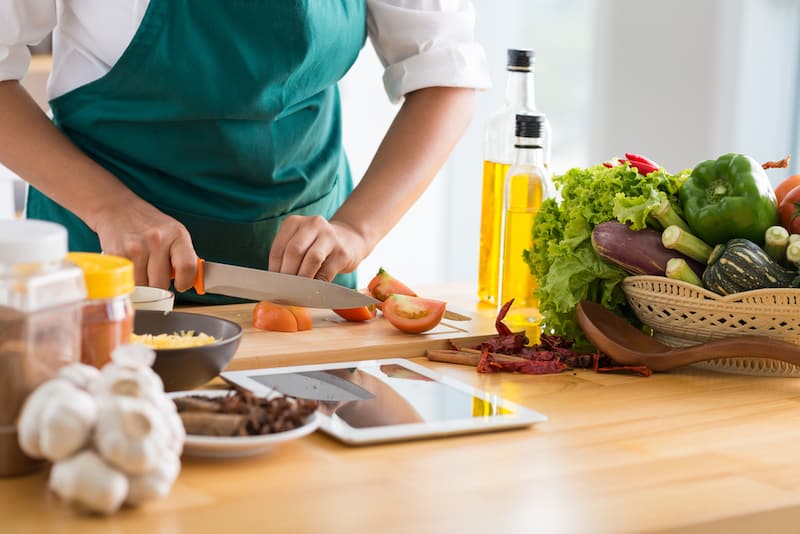
Food culture keeps shifting as creative minds re-imagine what a meal can be. Among the most talked-about changes is the growing visibility of chefs who work on their own terms, outside conventional kitchens. This piece looks at how these independent cooks are steering the modern culinary wave, reshaping business models, inspiring peers, and changing the way diners interact with food.
What Defines an Independent Chef?
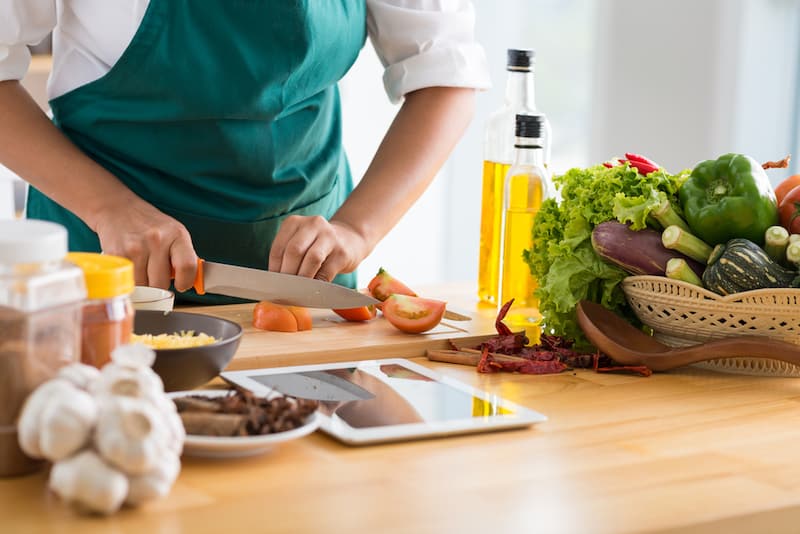
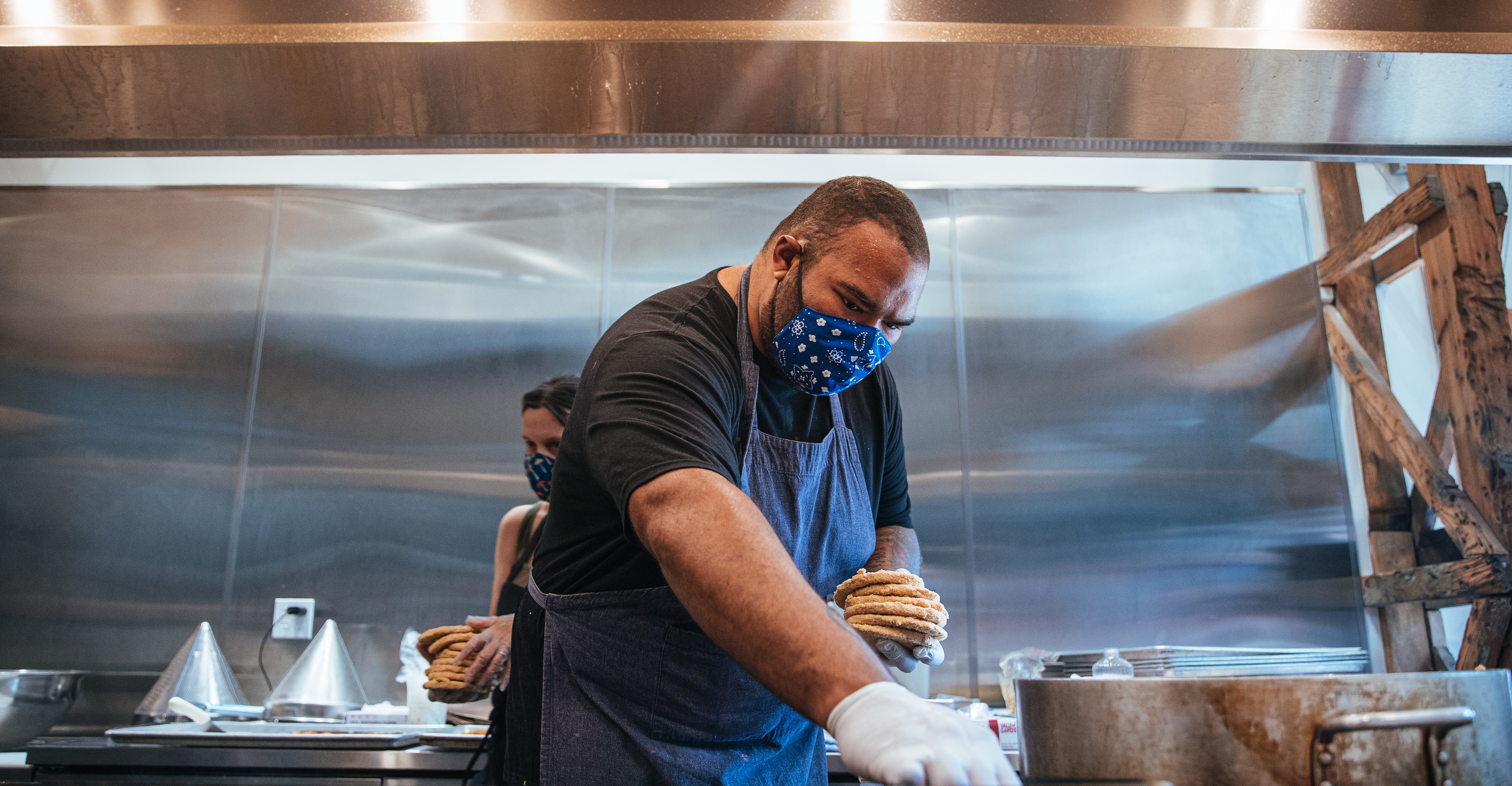
An independent chef runs projects without long-term ties to a single restaurant group. Freed from rigid menus or brand mandates, they test ideas in pop-ups, mobile setups, or small private spaces. The result is a steady flow of original dishes that often blend techniques and ingredients rarely seen together.
How Independent Chefs Influence the Wider Industry
Their reach stretches well beyond personal ventures:
1. Innovation and Experimentation
Operating without corporate sign-off, these chefs treat every service as a lab session. New flavor pairings, fermentation trials, or plating styles surface quickly, encouraging established venues to refresh their own offerings.
2. Broader Culinary Diversity
Without a fixed cuisine label, independents borrow freely from global traditions. Diners now encounter Korean-Mediterranean tacos or Nordic-spiced desserts in places that once offered only one regional menu.
3. Emphasis on Responsible Sourcing
Short supply chains and seasonal buying are built into many pop-up models. This lighter footprint nods toward environmental care and supports nearby growers, setting an example larger businesses can follow.
Why Chefs Choose the Independent Path
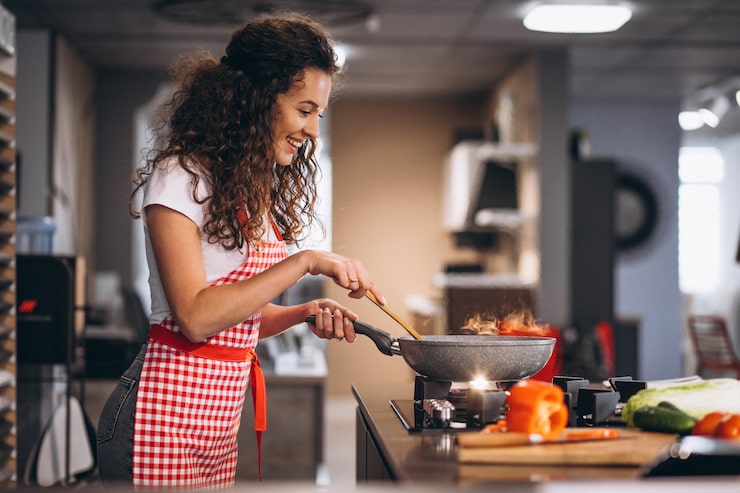
The model offers clear personal upside:
1. Creative Freedom
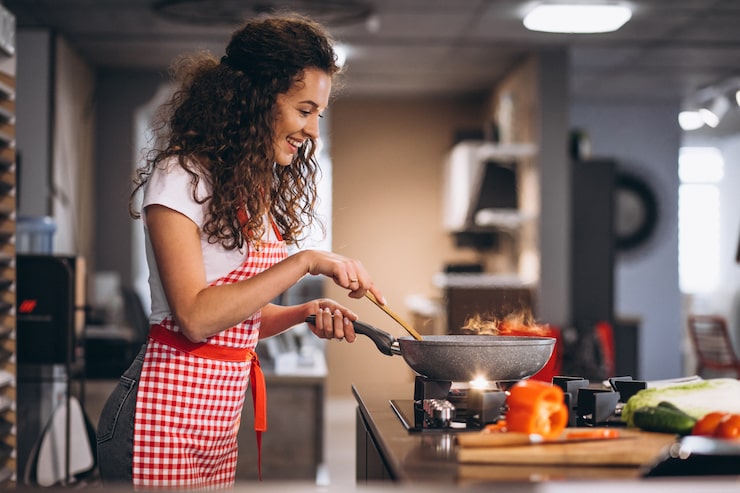
Menus can change nightly, driven only by curiosity and market finds. For many cooks, this liberty outweighs the security of a steady paycheck.
2. Direct Financial Control
Lower overhead and ticketed events let chefs keep a higher share of revenue. A modest crowd in a borrowed space can still turn a profit when costs stay lean.
3. Community and Collaboration
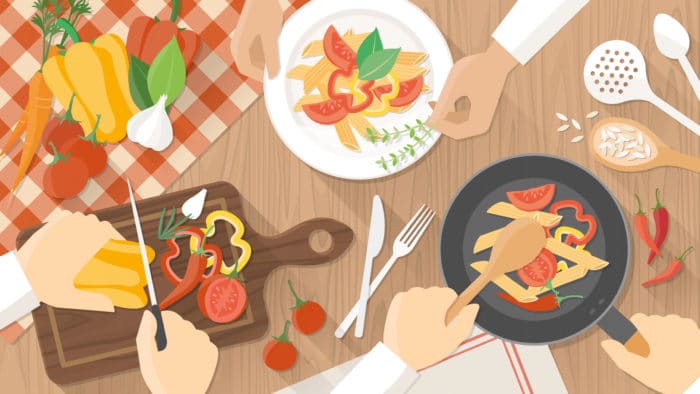
Pop-up crews often trade stations, equipment, or surplus produce. The network formed at these gatherings becomes a support system for future projects and shared learning.
The Dining Experience Independent Chefs Create
Guests walk into something closer to a dinner party than a traditional restaurant:
1. Intimate Settings
Long communal tables, warehouse courtyards, or retrofitted vans place diners within arm’s reach of the stove. Conversations between guest and cook flow naturally.
2. One-Off Menus
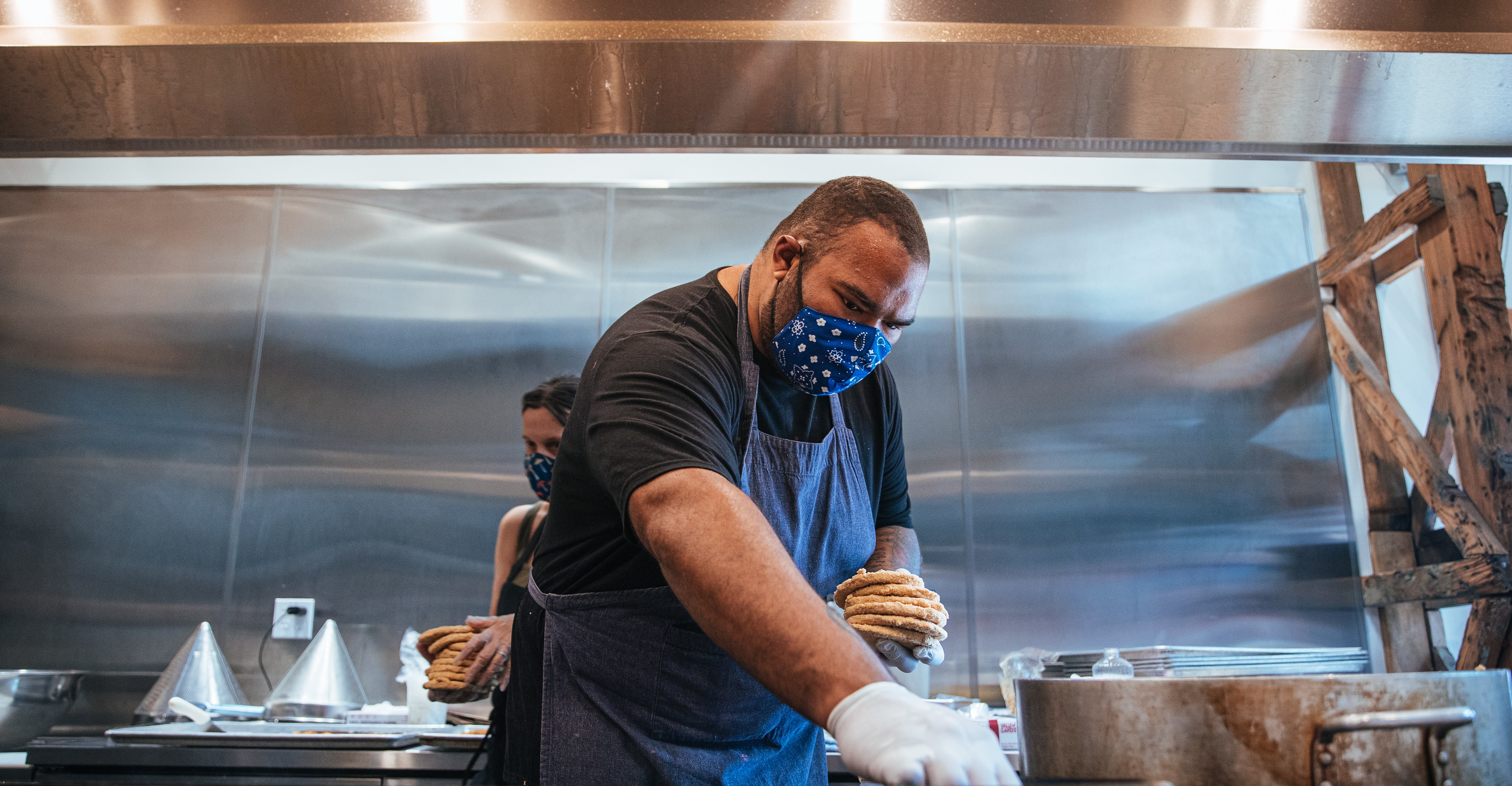
Dishes appear once, maybe twice, then vanish. The fleeting nature of each plate turns the meal into a story worth retelling.
3. Limited Seats, High Demand
Small guest lists and short windows create anticipation. Securing a spot feels like claiming a ticket to a secret gig.
Conclusion
Independent chefs act as catalysts, pushing cuisine toward bolder flavors, wider representation, and lighter resource use. Their flexible model rewards creativity, offers viable livelihoods, and gives diners memorable nights. As food culture keeps evolving, these self-directed cooks will remain at the forefront of what’s next.
Future Directions

Several trajectories look likely:
– Deeper use of digital tools for ticketing, live-streamed prep sessions, and last-minute location alerts.
– Adoption of closed-loop cooking—think compost pickup, reusable serving ware, and ingredient swaps among vendors.
– Exploration of under-represented regional cuisines, widening the global pantry for every kind of eater.
In short, the independent chef movement is more than a passing moment; it is an engine of ongoing culinary change that promises fresh experiences for anyone willing to pull up a seat.