








Gentle Evening Meal: A Practical Guide to Digestive-Friendly Nutrition
Introduction
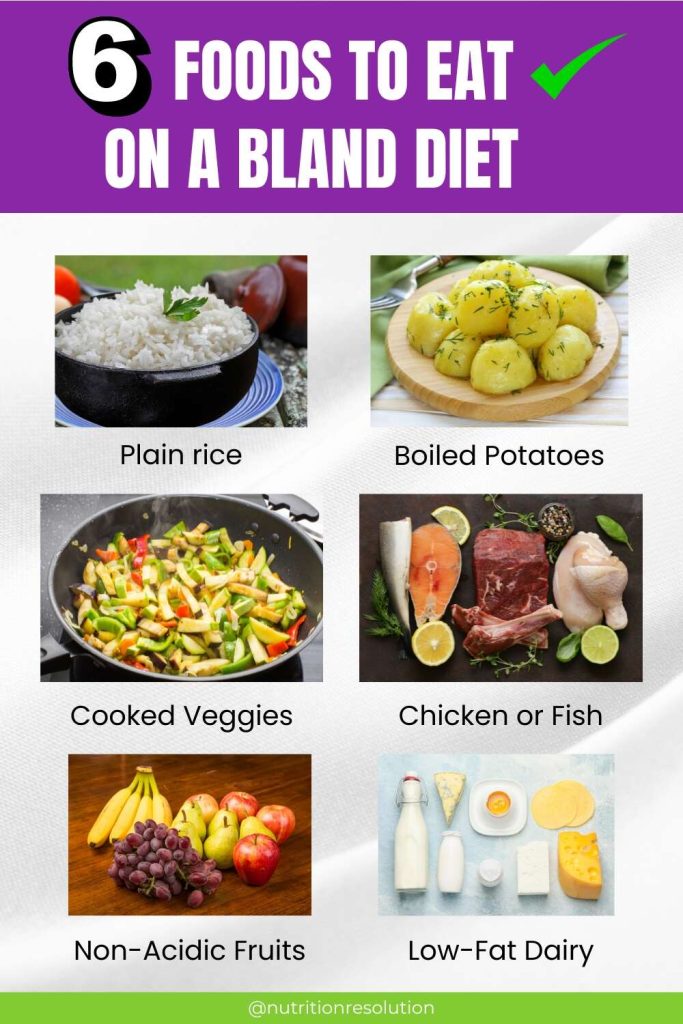
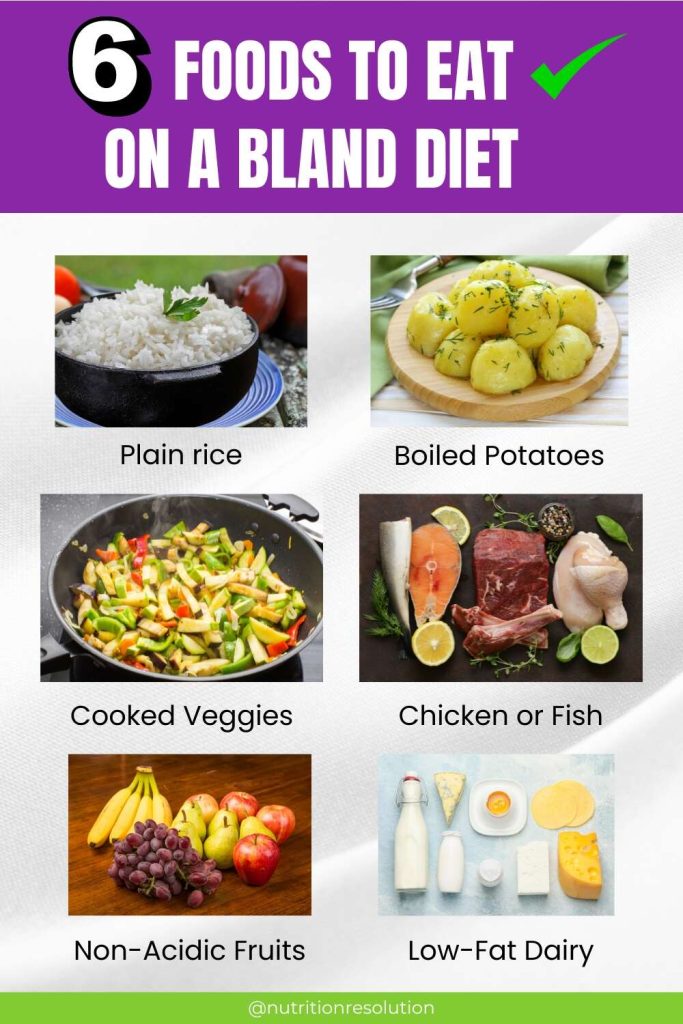
A gentle evening meal centers on foods that are soft, mildly seasoned, and easy to process, making it a common short-term choice when the digestive system needs a rest. It is often suggested during flare-ups of stomach irritation, after certain outpatient procedures, or while transitioning back to normal eating. This overview explains why such meals can be useful, highlights their nutritional value, and offers simple ways to include them in everyday life.
Nutritional Benefits of a Gentle Evening Meal
Low in Roughage
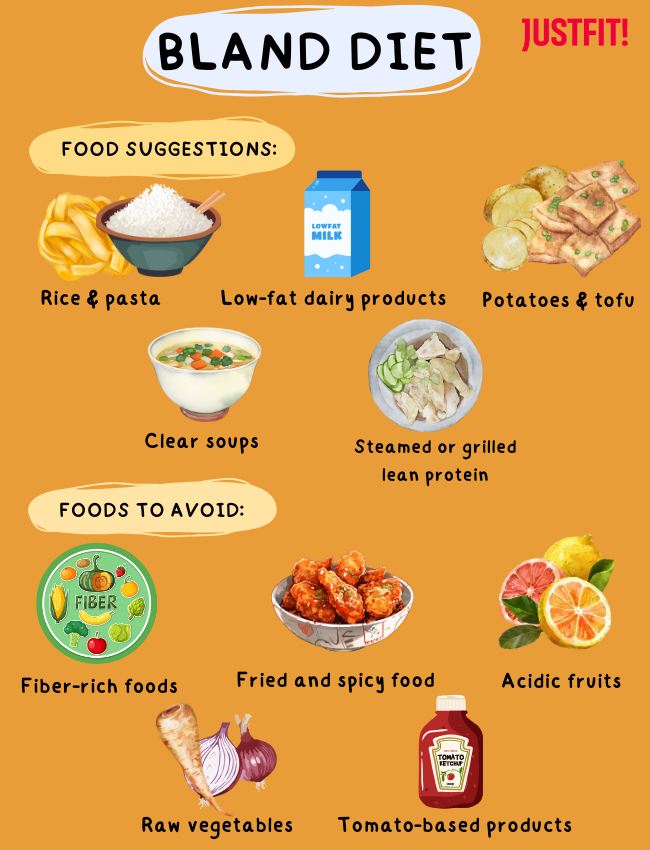
By limiting high-fiber ingredients, this approach reduces the volume of undigested material moving through the gut. The result is less bloating, cramping, and straining, which can be comforting for anyone experiencing temporary digestive sensitivity.
Easy to Digest
Foods are typically steamed, poached, or simmered until tender, so the stomach has less work to do. This can be helpful after minor abdominal upset or when appetite is low but nourishment is still needed.
Nutrient-Rich
Even without strong spices or raw produce, the plate can still deliver protein, vitamins, and minerals. Pairing lean poultry, white fish, or eggs with enriched grains and well-cooked carrots or squash keeps the menu both mild and balanced.
Health Benefits of a Gentle Evening Meal
Reduced Digestive Discomfort
Smooth textures and minimal seasoning lower the chance of reflux, gas, or spasms, allowing the gut to settle while still receiving fuel.
Support for Post-Procedure Recovery
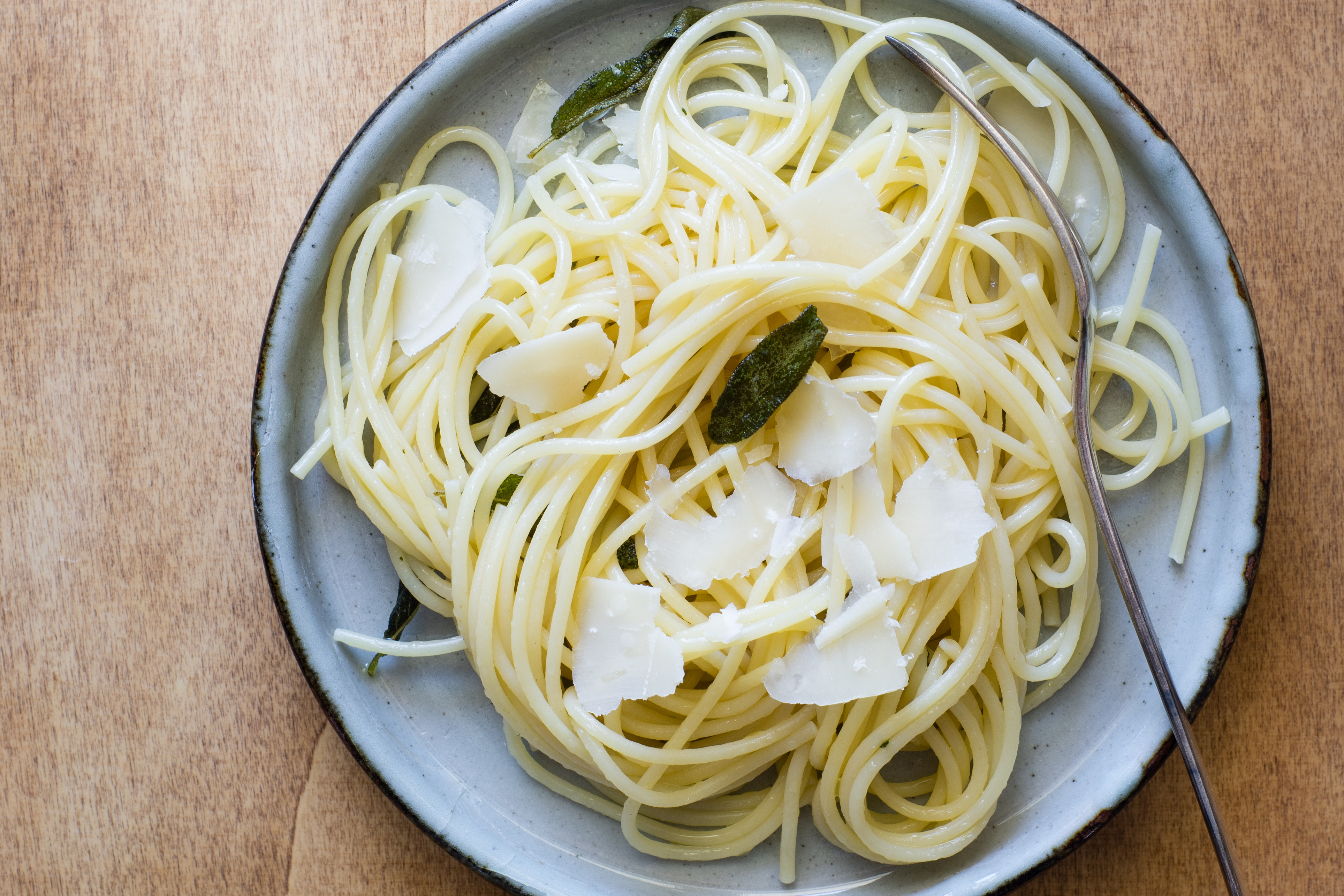
After minor GI procedures or acute episodes, soft foods limit mechanical irritation, giving tissues time to calm without sacrificing calories or hydration.
Weight Stability
Portions are easy to measure, and the absence of heavy sauces or fried items keeps energy density moderate, which can assist those aiming to maintain a steady weight while activity levels are reduced.
Incorporating a Gentle Evening Meal into Your Routine
Planning Your Meals
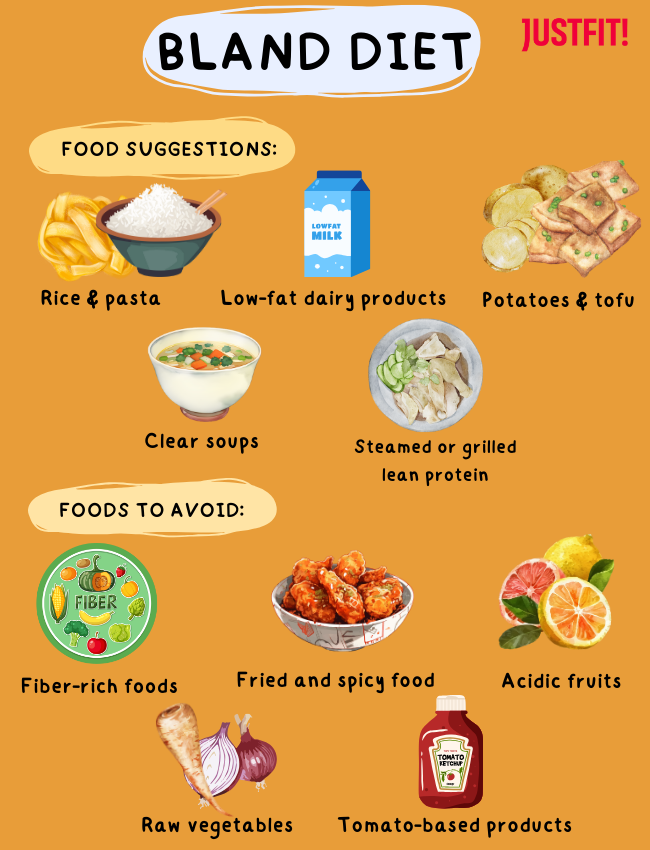
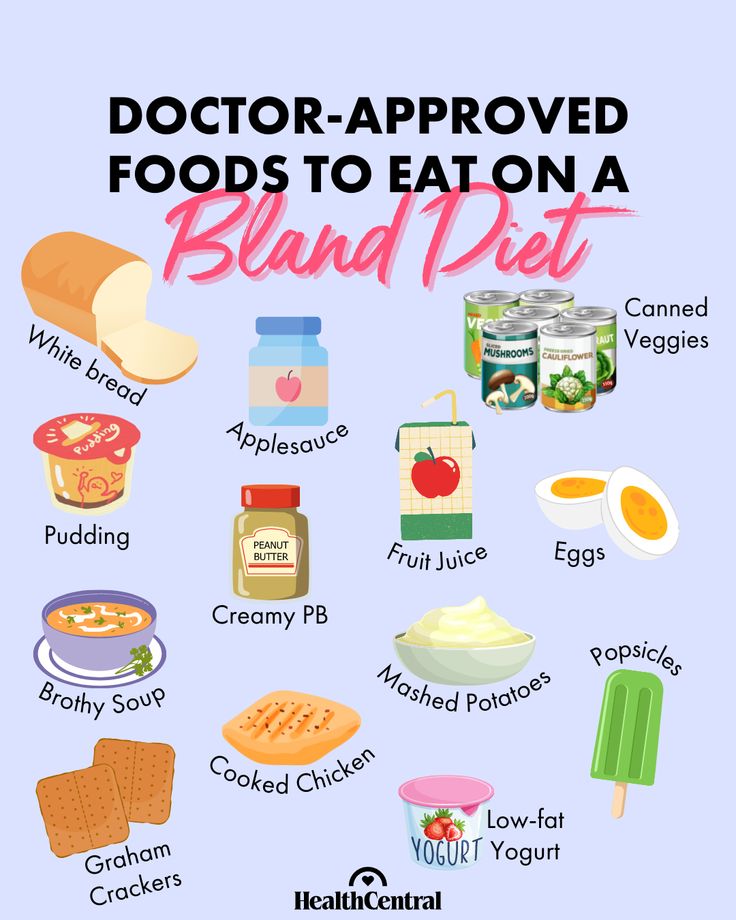
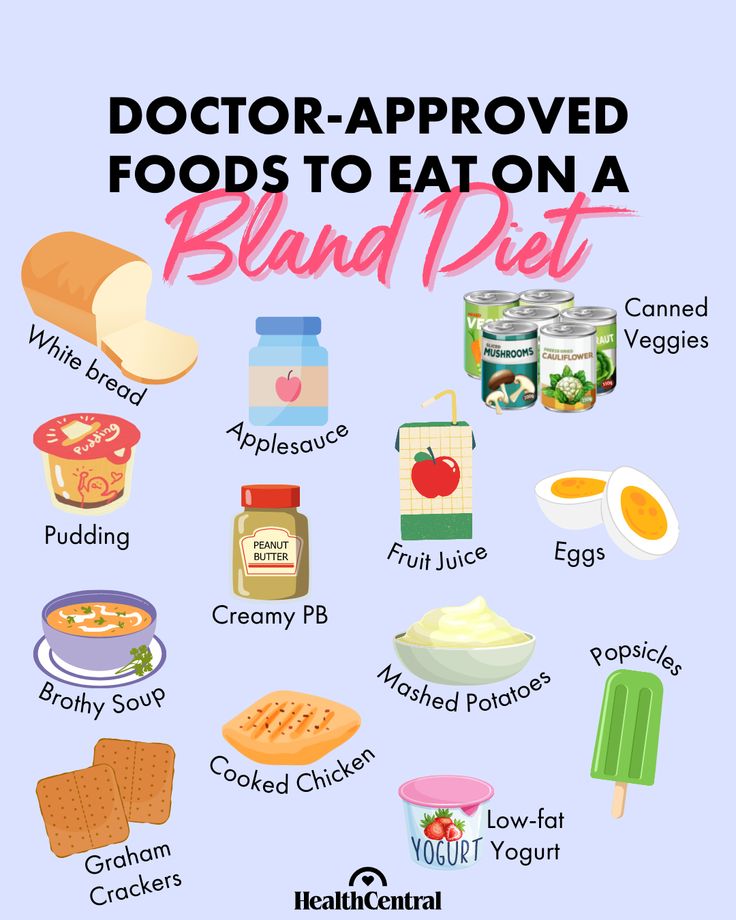
A little forethought prevents last-minute take-out temptations. Build dinners around these staples:

– Lean proteins: skinless chicken, turkey cutlets, white fish, or soft tofu
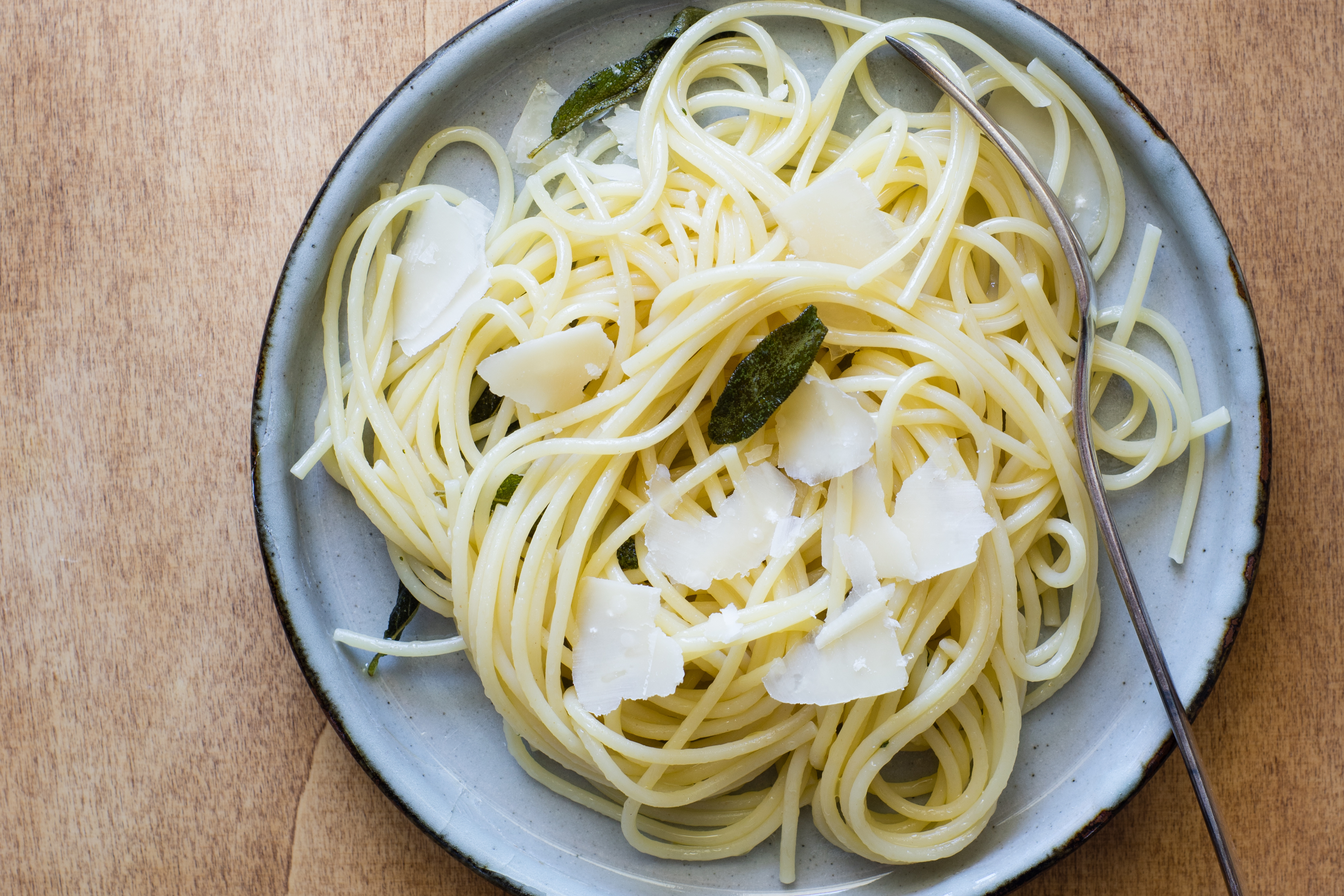
– Gentle grains: plain white or jasmine rice, refined couscous, or small pasta shapes
– Soft produce: peeled zucchini, green beans, or applesauce

– Mild dairy: low-fat milk, plain yogurt, or cottage cheese
Tips for Preparing a Gentle Evening Meal
Keep seasoning subtle and cooking times generous:
– Simmer vegetables until fork-soft; mash or puree if desired.
– Poach or steam proteins just until opaque and flaky.
– Skip chili, pepper, garlic powder, and large amounts of salt; a pinch of fresh parsley or a drizzle of olive oil is usually enough.
– Choose skim or 1 % dairy to limit fat load on the gut.
Conclusion
A gentle evening meal offers a short-term strategy for calming digestion while still supplying essential nutrients. With simple ingredients and basic cooking techniques, it can ease discomfort, support recovery, and help maintain stable energy. Anyone considering prolonged use should seek guidance from a qualified health professional to ensure individual needs are met.

Future Research Directions
More studies could examine how short-term soft diets influence the gut microbiome and whether specific cooking methods retain optimal micronutrient levels. Work on appetizing, texture-modified recipes may also improve long-term acceptance for those who must rely on mild menus for extended periods.