




















Title: How Online Recipe Hubs Are Reshaping Home Cooking
Introduction:
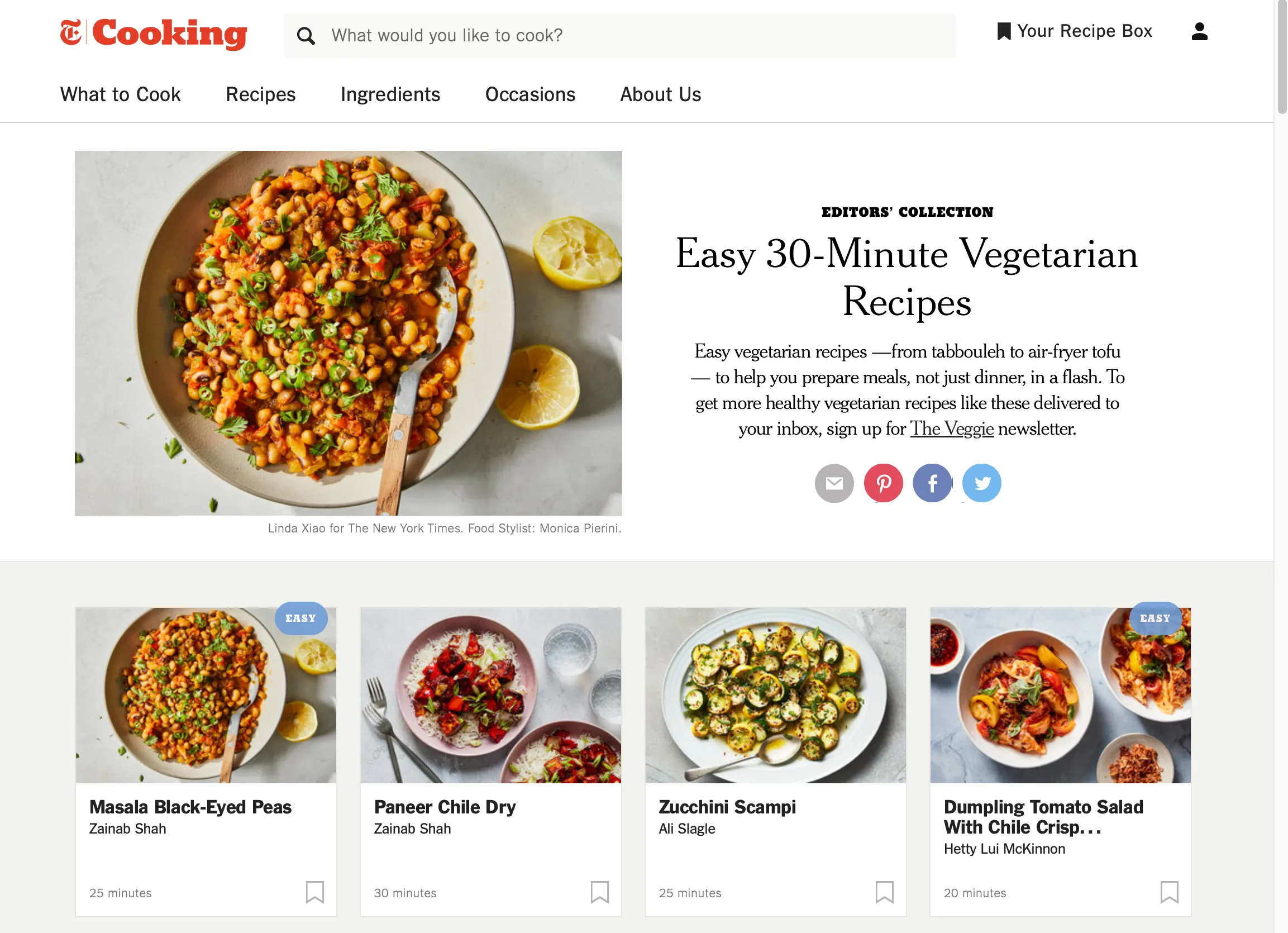
Digital recipe collections have quietly become the modern cook’s best friend. From quick weeknight dinners to ambitious weekend projects, these platforms guide millions of home cooks every day. This piece looks at how online recipes influence what we cook, how we learn, and where culinary culture is heading next.
Benefits of Recipe Websites
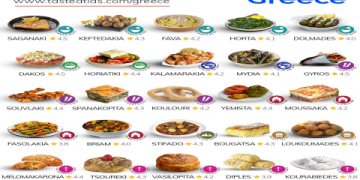
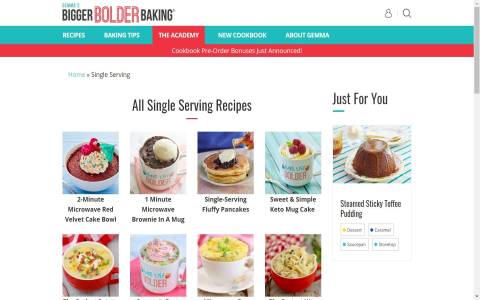
The biggest draw is instant variety: one search can surface Thai curries, vegan desserts, or gluten-free bread, each filtered by time, skill level, or pantry staples. Such breadth encourages experimentation and builds confidence without the cost of cookbooks or culinary school.
Beyond formulas, these sites explain technique. Short videos or step-by-step photos demystify everything from knife skills to folding dough, turning beginners into reliable cooks and helping seasoned chefs refine details they once ignored.
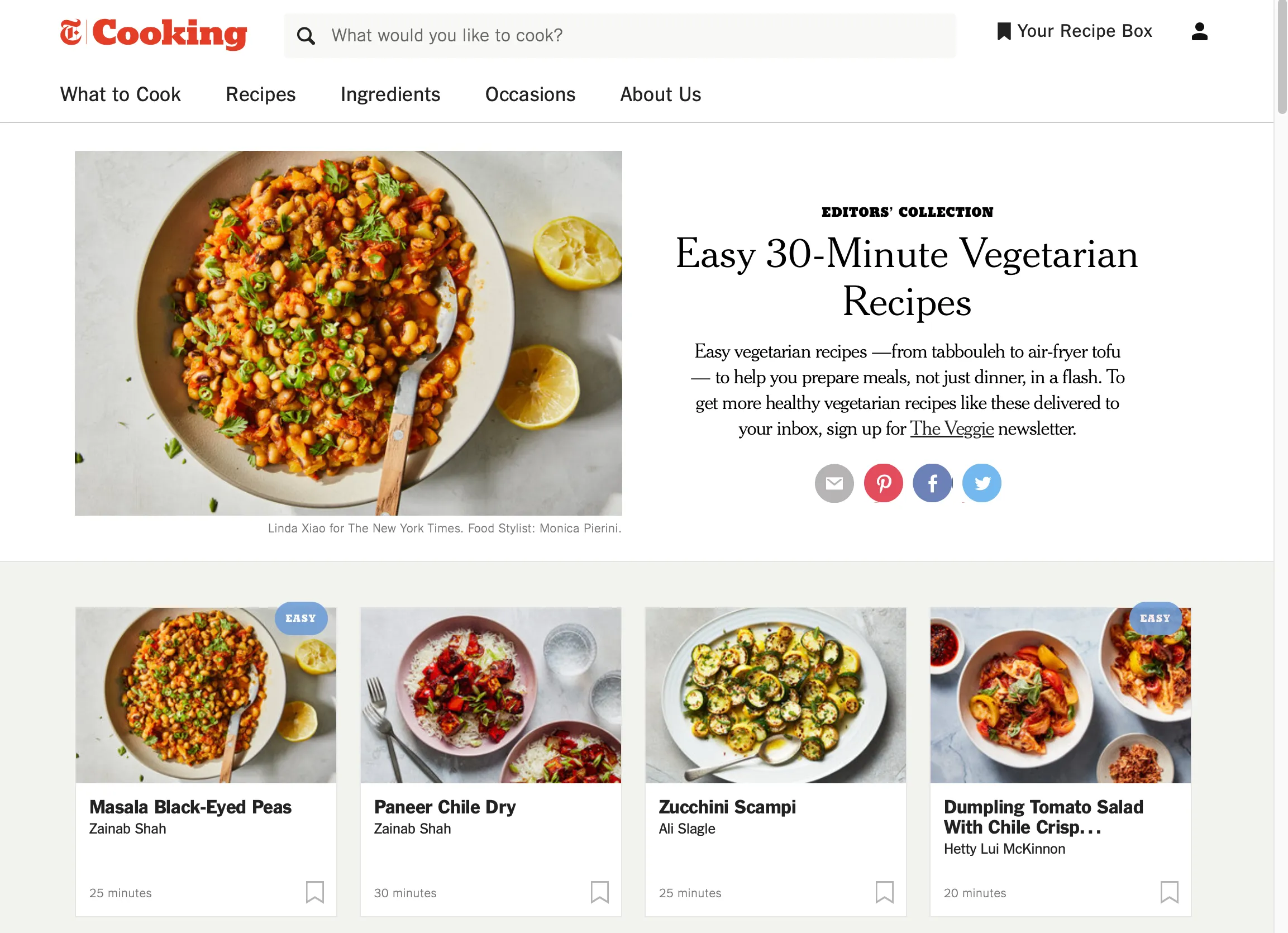
Community features add another layer. Star ratings, comment threads, and photo uploads create a living cookbook where tips are swapped and dishes evolve in real time, making cooking feel like a shared adventure rather than a solitary chore.
Challenges and Concerns
Quantity does not guarantee quality. Anyone can post a recipe, so instructions may skip crucial steps or list incorrect ratios, leading to sunken cakes or under-seasoned stews that waste ingredients and dent enthusiasm.
Speed-focused content can also nudge users toward shortcuts heavy on sugar, salt, or processed staples. When “ready in fifteen minutes” becomes the main filter, balanced meals may take a back seat to convenience.
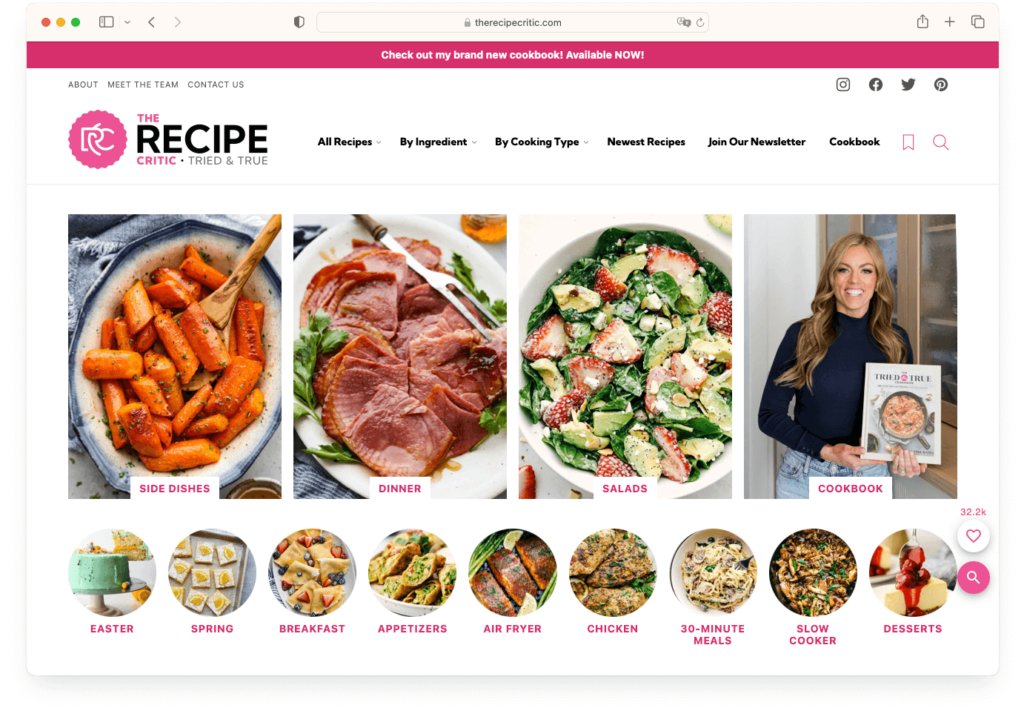
Paradoxically, endless choice can stall creativity. Scrolling through dozens of chili variations can feel overwhelming, prompting cooks to retreat to familiar boxed mac-and-cheese instead of picking a path forward.
The Future of Recipe Websites
Smarter algorithms are on the horizon. By remembering past likes, dietary goals, and even local weather, future platforms could suggest a light soup on rainy days or high-protein options after gym sessions, trimming decision fatigue.
Sustainability is also rising up the agenda. Expect filters for low-waste dishes, plant-forward meals, and ingredients that support local growers, helping users align taste with environmental values.
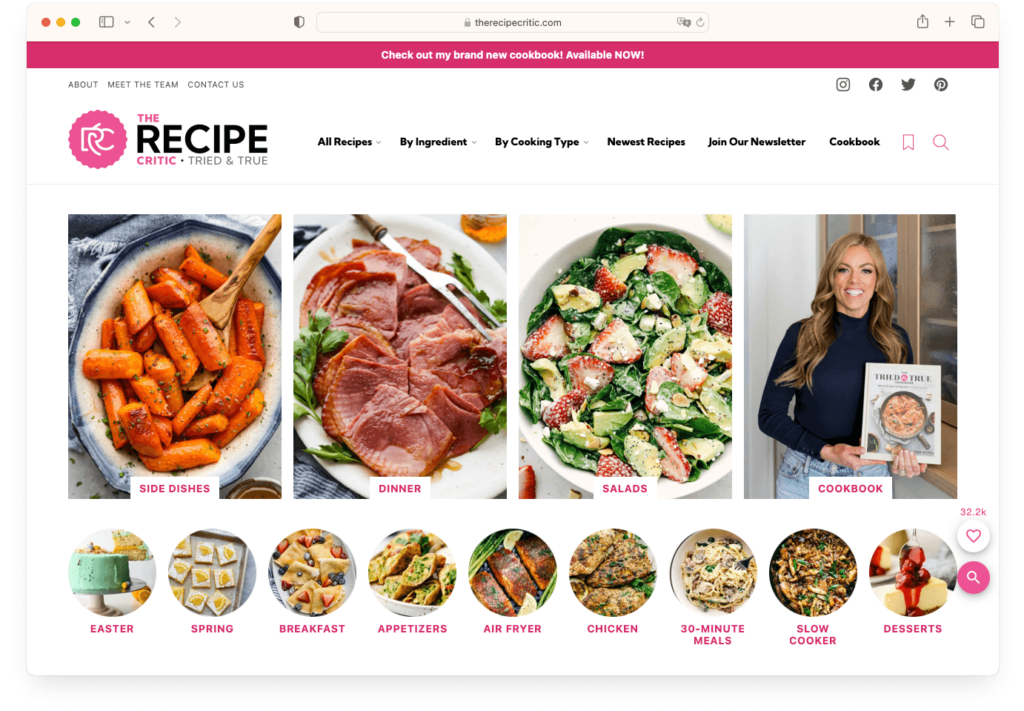
Immersive formats will deepen learning. Interactive timers embedded in videos, 360-degree views of flipping techniques, and live chat with recipe authors can turn passive reading into active coaching, shrinking the gap between screen and stove.
Conclusion
Recipe websites have already transformed kitchens into global classrooms, offering inspiration, guidance, and camaraderie at the click of a button. Yet the same openness that fuels creativity invites misinformation and excess.
Tomorrow’s platforms must balance abundance with accuracy, speed with sound nutrition, and personalization with planet-friendly practices. If they succeed, home cooking will become more inclusive, healthful, and joyful for everyone who steps up to the stove.
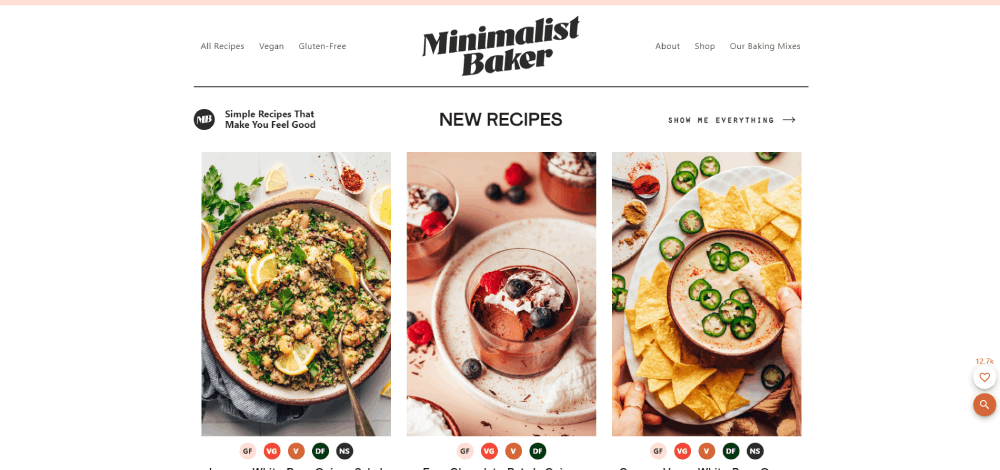
As technology and taste evolve together, these digital recipe troves will keep rewriting the story of what’s for dinner—one searchable bite at a time.