













The Art of Cooking with Canned Goods: A Modern Culinary Approach
Introduction

Canned ingredients have quietly become the unsung heroes of contemporary kitchens, offering speed, shelf stability, and surprising versatility. As more people cook at home and look for practical ways to balance health, budget, and sustainability, tins of beans, tomatoes, and corn are stepping into the spotlight. This article celebrates the everyday advantages of canned food, shares simple yet satisfying recipes, and looks at how these pantry staples are shaping the way we eat today.
The Benefits of Using Canned Goods
Convenience and Time-Saving

With a twist of a can opener, dinner can be on the table in minutes. Because sealed foods last for months—or even years—families can stock up and skip last-minute grocery runs. That reliability is a lifesaver on busy weeknights, during travel delays, or whenever fresh produce is hard to find.
Nutritional Value
Canning captures goodness at peak ripeness, locking in vitamins and minerals until the moment you need them. While some water-soluble nutrients may dip slightly, others—like beta-carotene in pumpkin or lycopene in tomatoes—often become more concentrated. The result is nutritious, affordable produce ready any day of the year.
Environmental Sustainability
Metal cans are endlessly recyclable, and their light weight keeps transport emissions low. By preserving food right after harvest, canning also cuts down on the spoilage that plagues fresh supply chains, making every tin a small win for the planet.
A Variety of Recipes with Canned Goods
Quick and Easy Soup
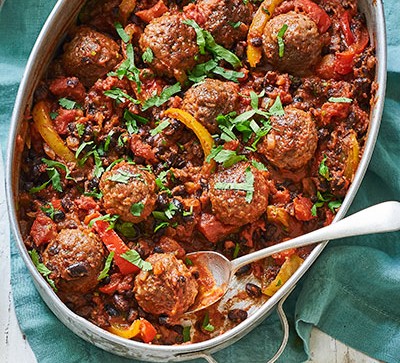
Combine one can of diced tomatoes, one can of mixed beans, and one can of sweet corn in a saucepan. Add a mug of vegetable broth, a pinch of salt, pepper, and whatever dried herbs you love. Simmer for ten minutes and ladle into bowls; a squeeze of lemon brightens every spoonful.
Spaghetti with Canned Tomatoes
While pasta boils, warm olive oil in a skillet and soften minced garlic and onion. Pour in a can of crushed tomatoes and one of diced tomatoes; let the mixture bubble gently until thick. Toss with the drained spaghetti, tear over fresh basil, and shower with grated cheese for an instant classic.
Canned Tuna Salad
Fold flaked tuna into chopped celery, bell pepper, and a handful of canned chickpeas. Bind with a little yogurt or mayo, add mustard and a splash of vinegar, then serve atop crisp lettuce or stuffed into whole-grain pita.
The Impact of Canned Goods on Modern Culinary Practices
Innovation in Cuisine
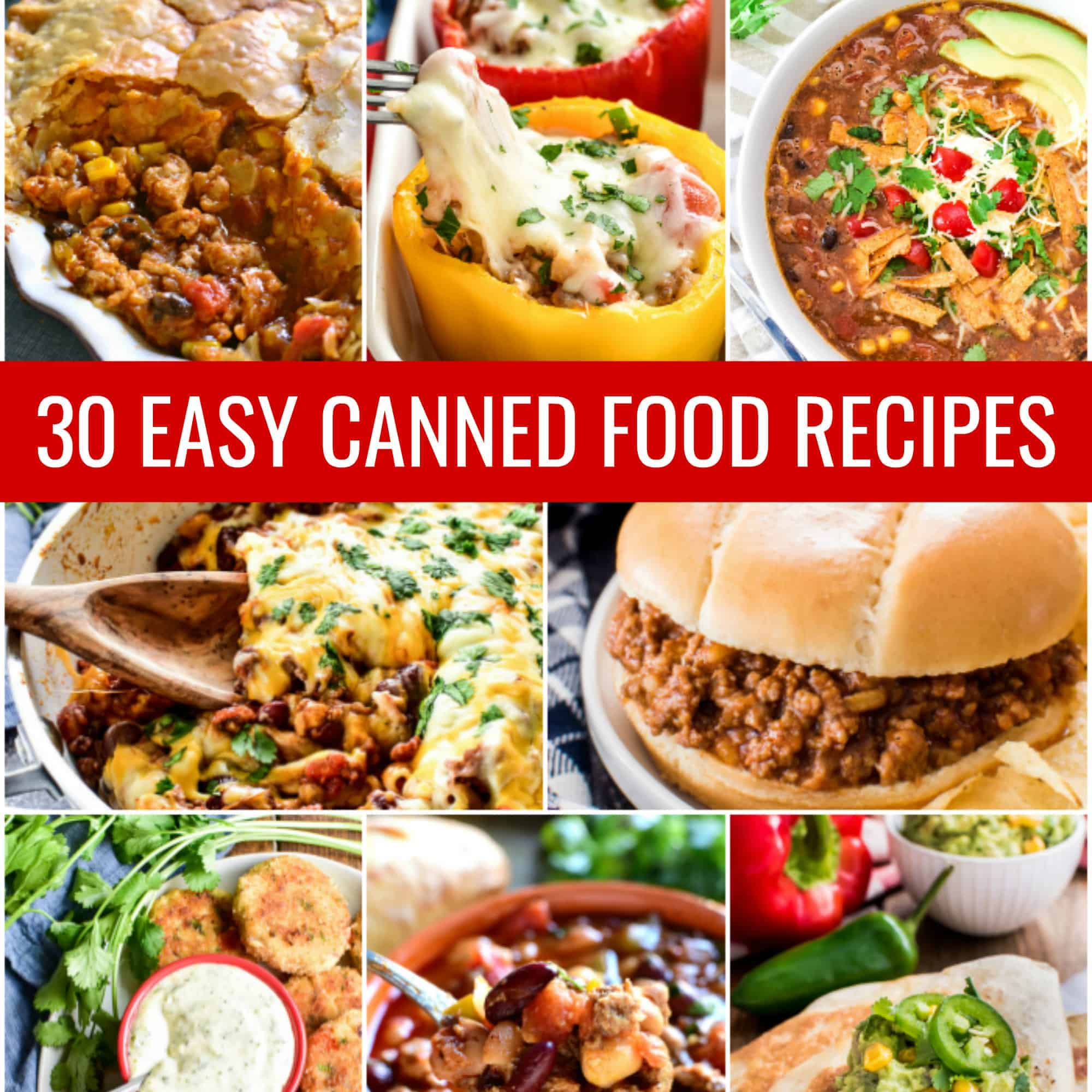
From Michelin-starred chefs to TikTok creators, cooks are reimagining canned staples: smoked oysters whipped into pasta sauce, jackfruit braised for tacos, or coconut milk churned into no-churn ice cream. The humble can has become a launchpad for creativity, proving that great flavor does not require a long ingredient list.
Globalization of Flavors
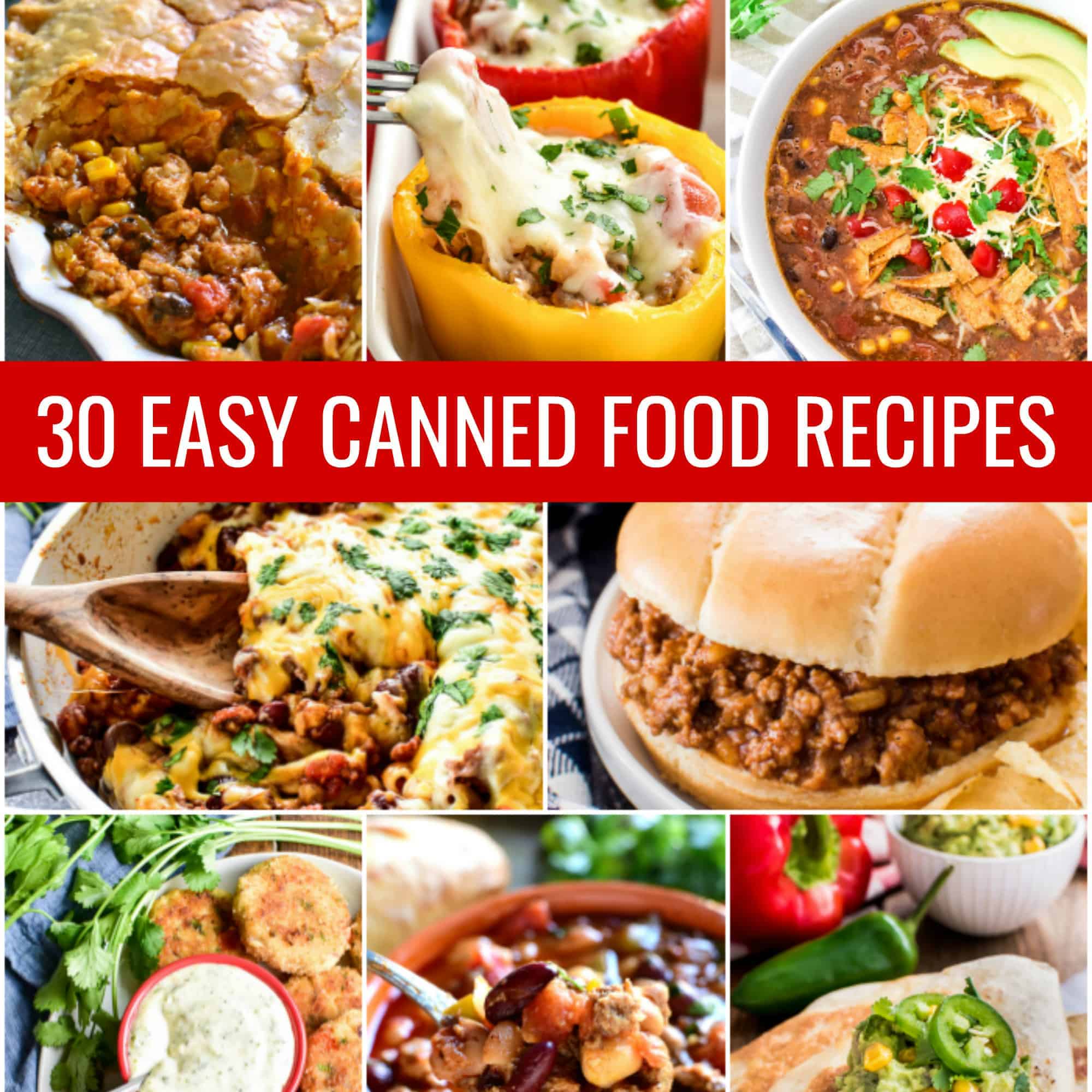
Shelves once limited to local produce now hold tomatillos, jackfruit, and haricot beans from around the world. Easy access to these globally sourced tins invites home cooks to explore Thai curries, Mexican stews, and Mediterranean salads without specialty markets, weaving international tastes into everyday meals.
Conclusion
Canned foods deliver speed, nutrition, and planet-friendly practicality in one recyclable package. By keeping a few versatile tins on hand, anyone can turn out comforting soups, vibrant sauces, and hearty salads with minimal effort and maximum flavor. As culinary curiosity grows, expect to see even more inventive uses for the modest can—an enduring ally in the ever-changing kitchen.