












Gourmet Food Images: A Window into Culinary Excellence
Introduction
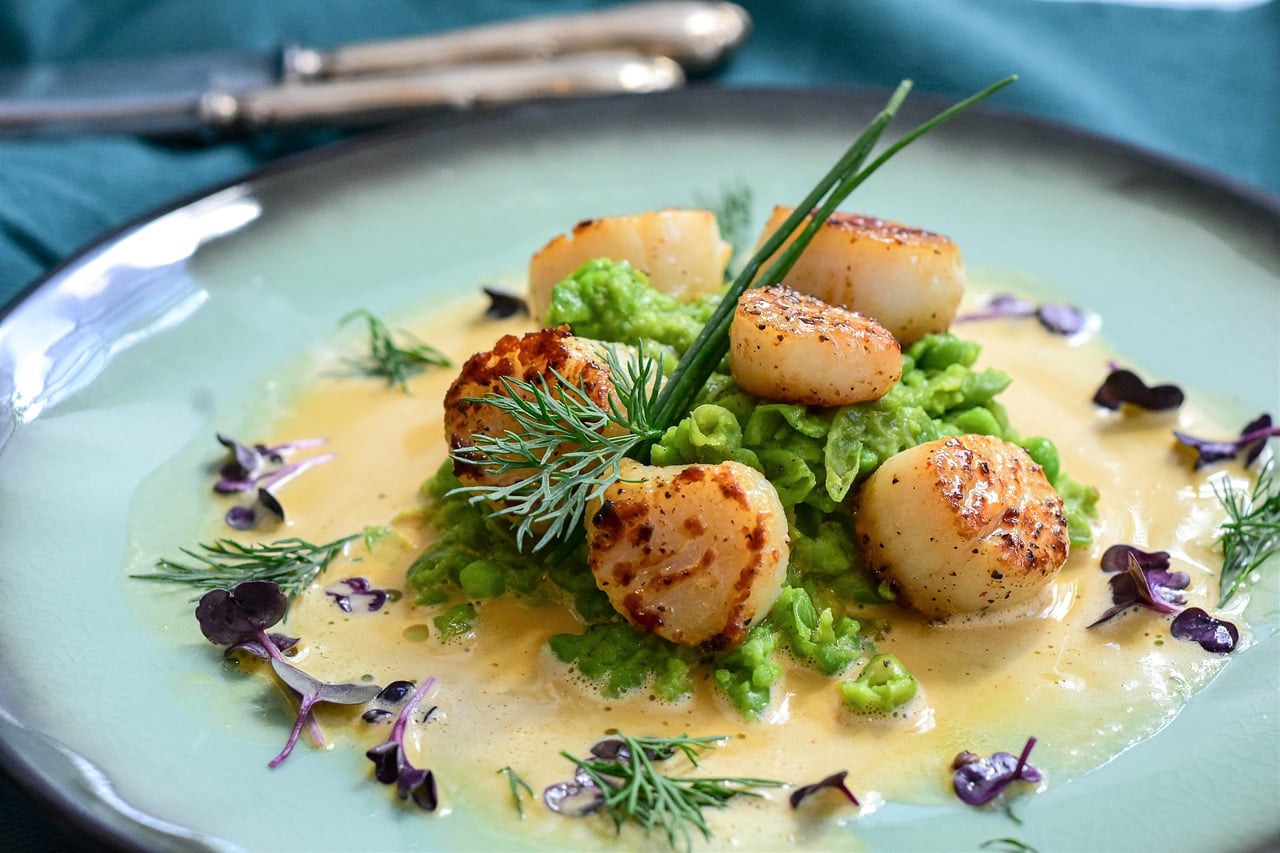
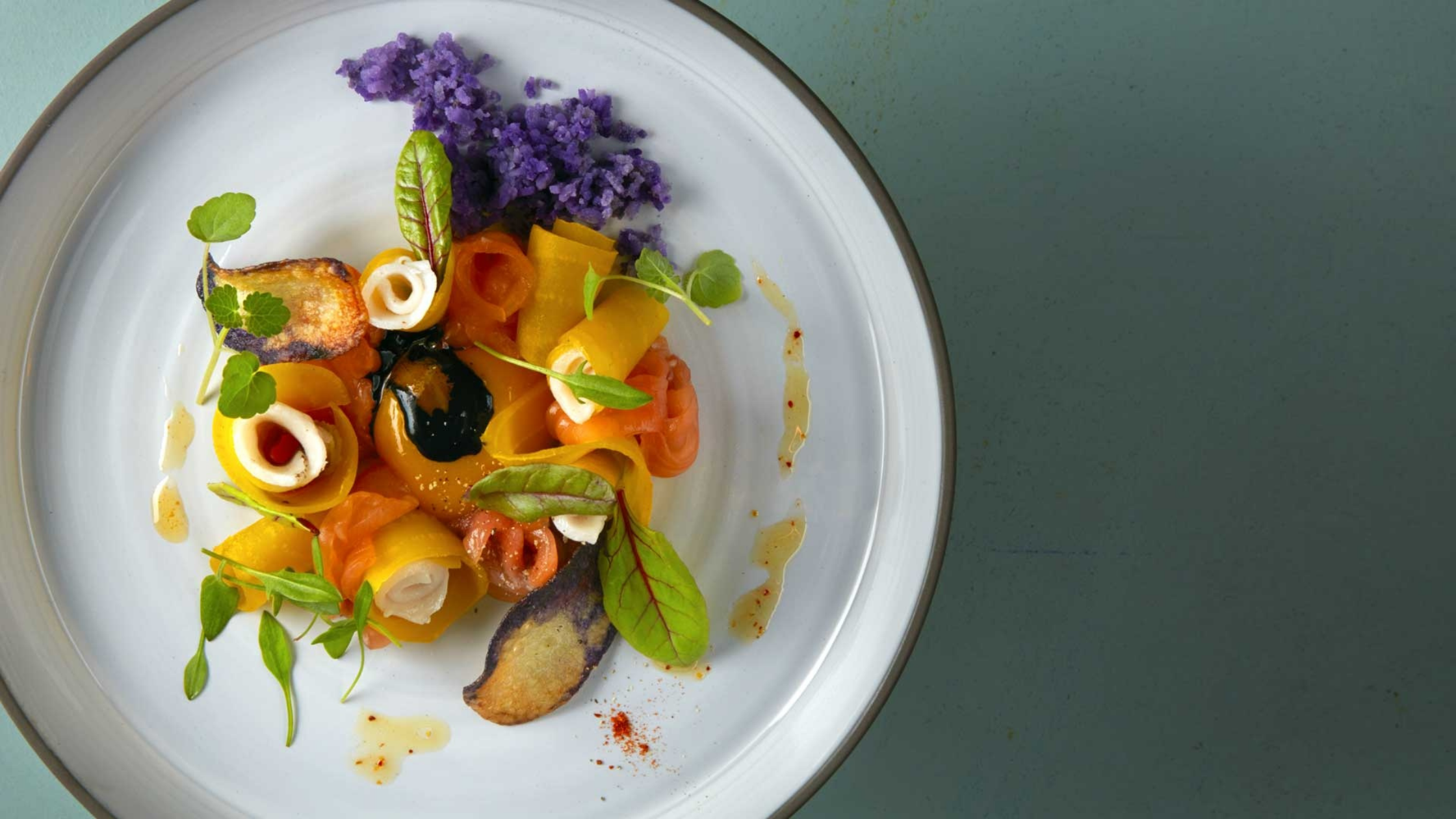
Gourmet food images have quietly become part of how we enjoy food long before the first bite. A single photograph can suggest distant spices, seasonal produce, or the quiet skill of an unseen kitchen. In the notes that follow, we look at why these pictures matter, how they shape appetite and memory, and what photographers do to turn a plate into a story.
The Power of Visual Perception
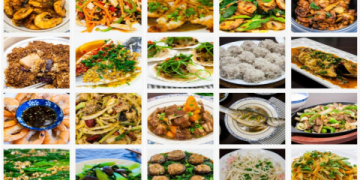
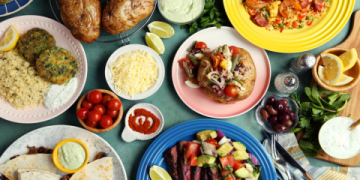
Long before flavor reaches the tongue, the eyes vote. Color balance, surface gloss, and the way light rests on a sauce all whisper predictions about taste and freshness. When those visual clues are arranged with care, the dish feels already half-familiar, inviting the viewer to imagine aroma, temperature, and even the sound of a crackling crust.
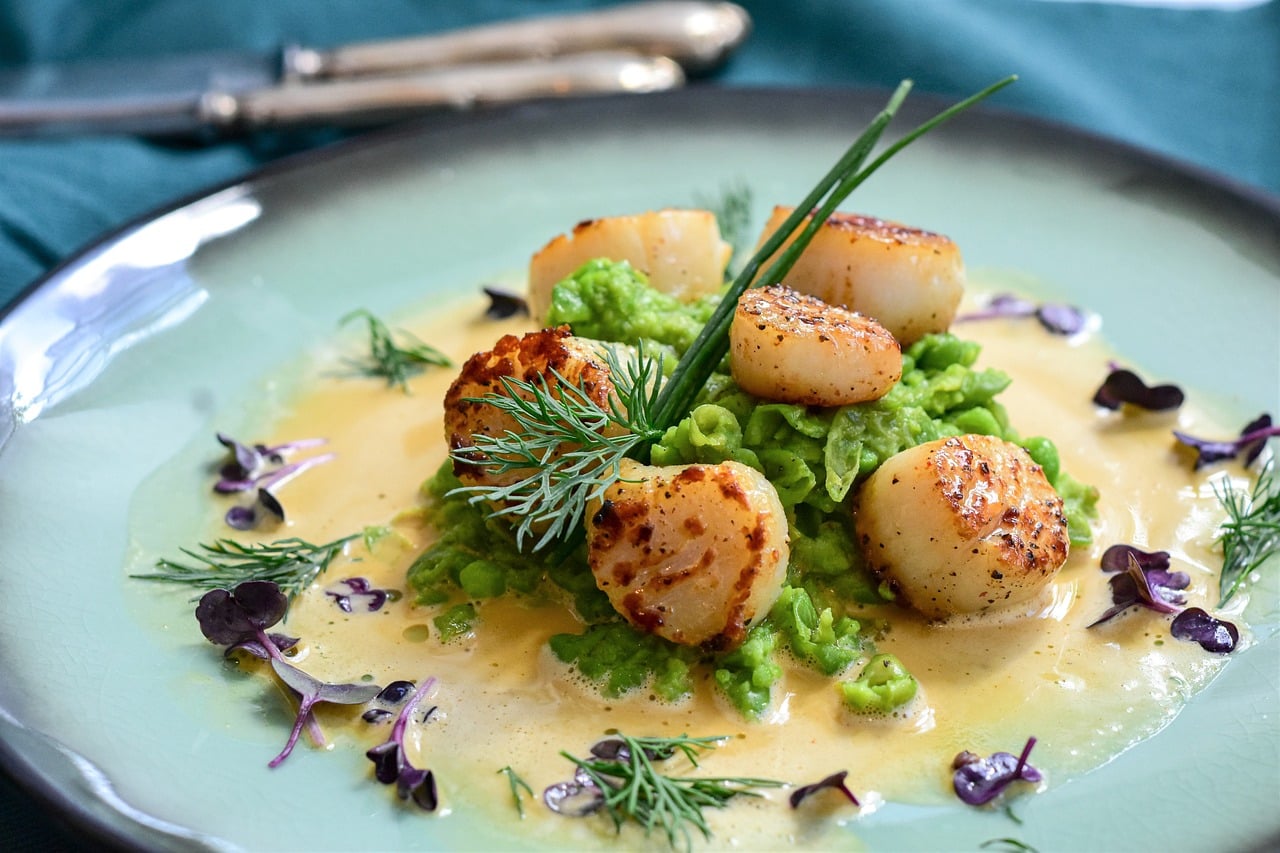
The Art of Gourmet Food Photography
Making food look effortless on camera is itself a craft that blends cooking knowledge, studio patience, and small, deliberate tricks. Among the ingredients that turn an ordinary shot into a lingering image are:
Lighting
Soft, angled light skims across ridges and folds, giving each element its own gentle shadow. Many photographers favor daylight filtered through a curtain or a diffused studio lamp, because it keeps colors honest and prevents harsh hotspots that might shout “flash” instead of “warm kitchen.”
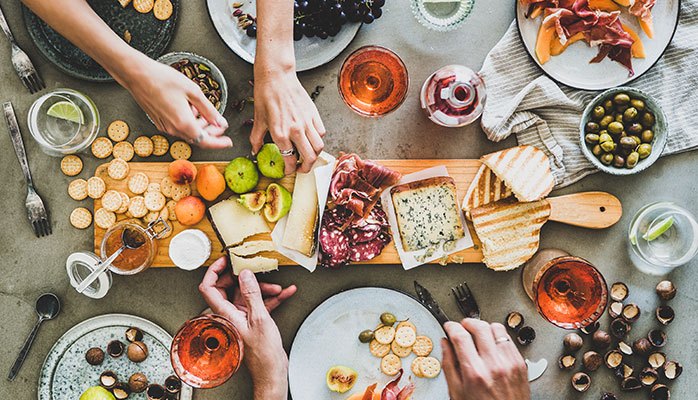
Composition
A plate rarely sits in the exact center. Offsetting the main subject, letting a spoon or linen lead the eye, or leaving breathing space around the rim can make the frame feel casual yet deliberate, much like a well-set table where every seat looks welcoming.
Color and Texture
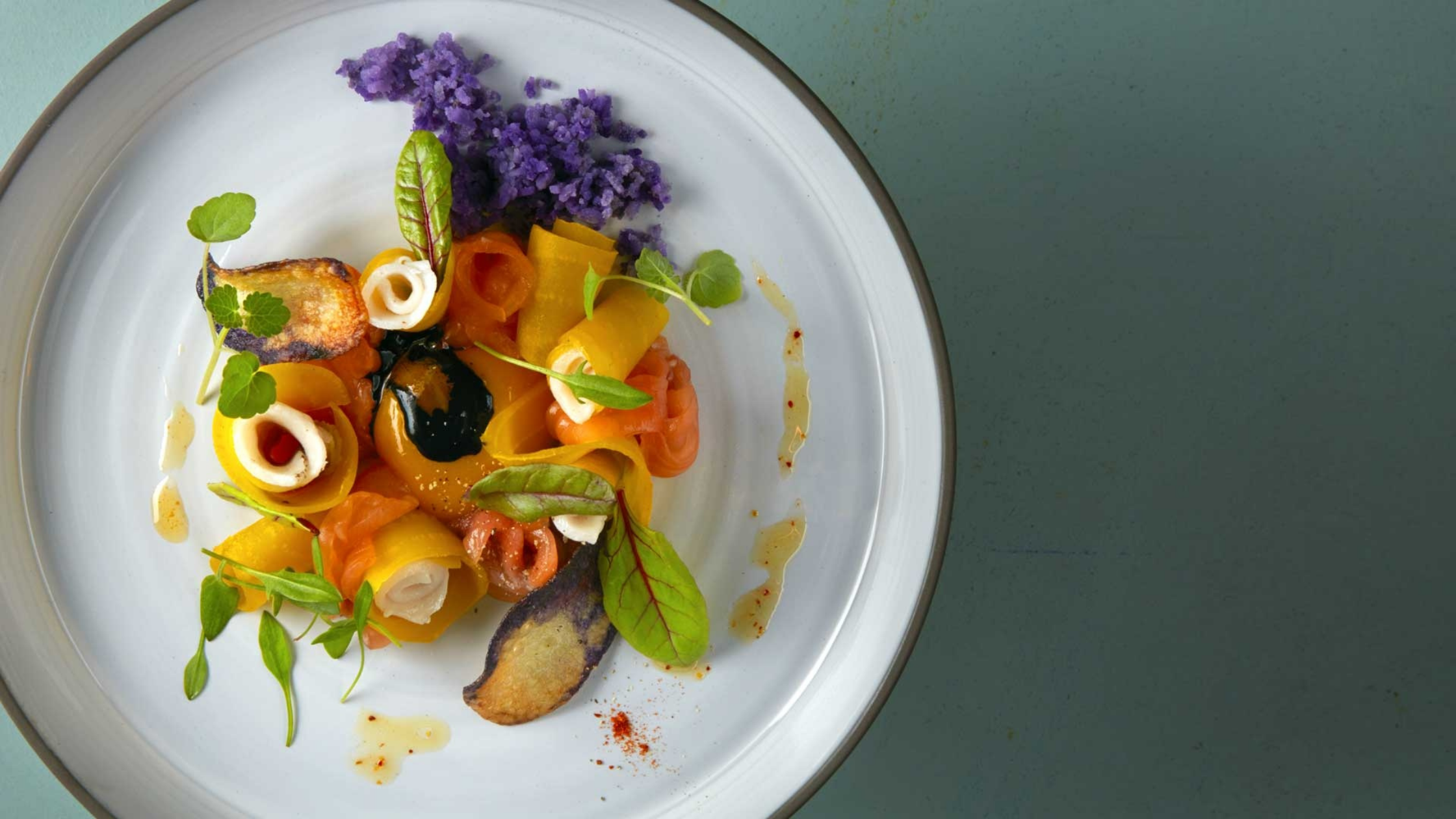
A sprinkle of bright herbs against matte stew, or the gloss of reduced stock beside rough country bread, creates quiet tension. Those contrasts hint at flavor contrasts—acid against richness, crunch giving way to silk—without spelling them out.
The Impact of Gourmet Food Images on Culinary Culture
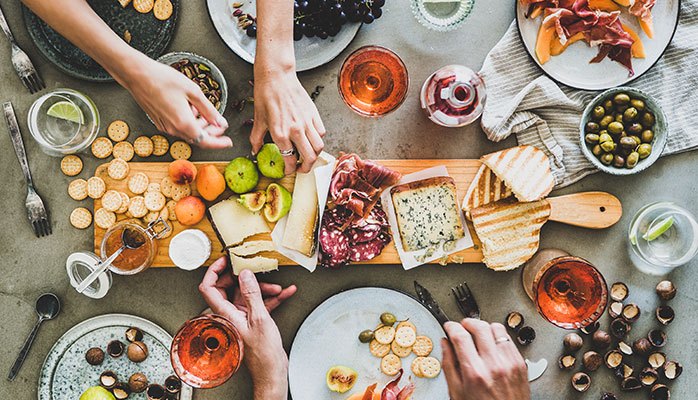
Photographs travel faster than recipes. As they circulate, they rearrange cravings, conversations, and even shopping lists in subtle ways:
Inspiration and Innovation
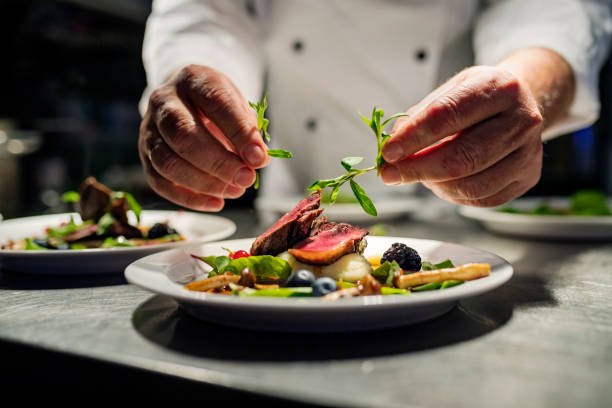
A home cook sees a terrine sliced to reveal layered vegetables and thinks of repeating the pattern with local produce. A professional chef notices the way char marks are highlighted and experiments with a new grill technique. Images seed ideas that later sprout as original dishes.
Marketing and Branding
A single frame on a menu or feed can frame an entire identity: rustic comfort, polished luxury, or playful spontaneity. When the visual promise matches the kitchen’s delivery, guests arrive already half-enchanted.
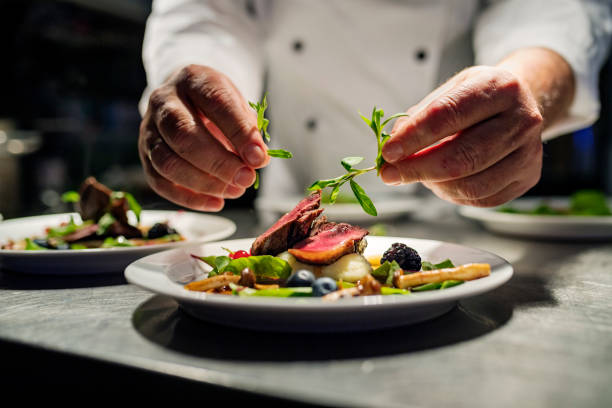
Education and Awareness
Close-ups of unfamiliar ingredients demystify them, while step-by-step collages encourage novices to attempt a technique. By showing variety, pictures also celebrate biodiversity, nudging viewers toward produce they might once have overlooked.
Conclusion
At their best, gourmet food images are invitations rather than announcements. They ask us to pause, imagine, and ultimately gather around a table—whether physical or imagined—to share in the quiet triumph of a meal prepared with intention. As cameras and cuisines continue to evolve, the dialogue between eye and appetite promises to grow ever more vivid.
Recommendations and Future Research
Questions worth savoring next include:
– How do subtle visual cues influence sustainable choices, such as selecting plant-forward dishes?
– Can thoughtfully styled images encourage reduced food waste by inspiring pride in leftovers or imperfect produce?
– What role might immersive or interactive imagery play in culinary classrooms where students cannot yet taste?
Pursuing these threads could deepen our understanding of how a photograph, fleeting on a screen, can leave lasting impressions on plates and palates alike.