



















Introduction
Many shoppers now wonder whether the yellow-packet sweetener they see on café tables fits a vegan lifestyle. As plant-based eating moves into the mainstream, every ingredient—right down to the crystals stirred into coffee—gets fresh scrutiny. This overview looks at how the sweetener is made, what goes into it, and why some vegans use it while others pass it by.
What is Splenda?
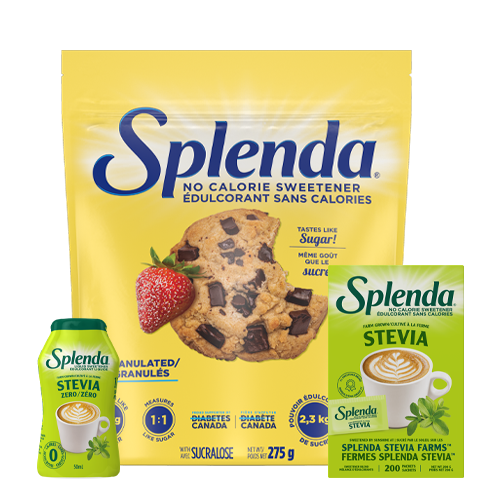
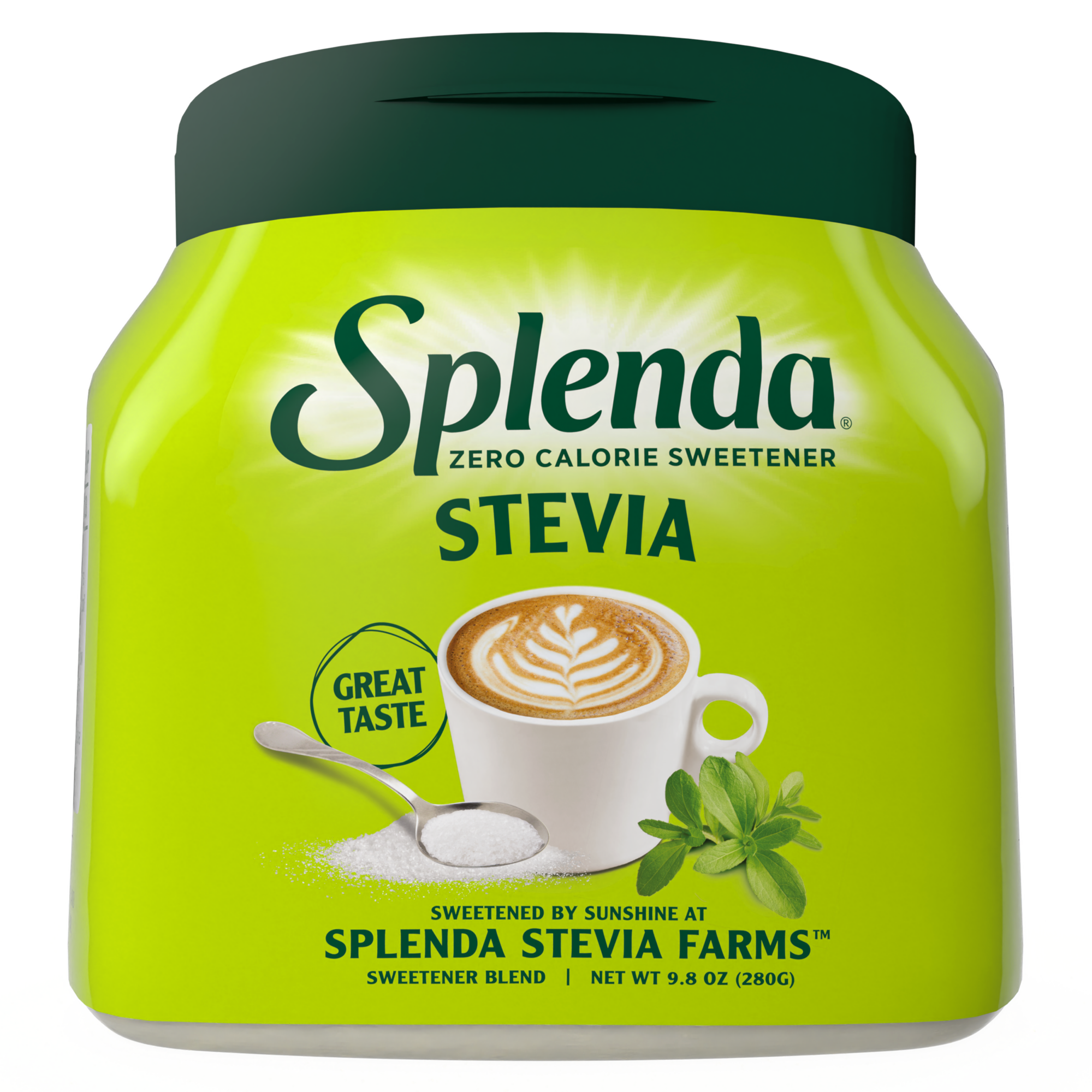
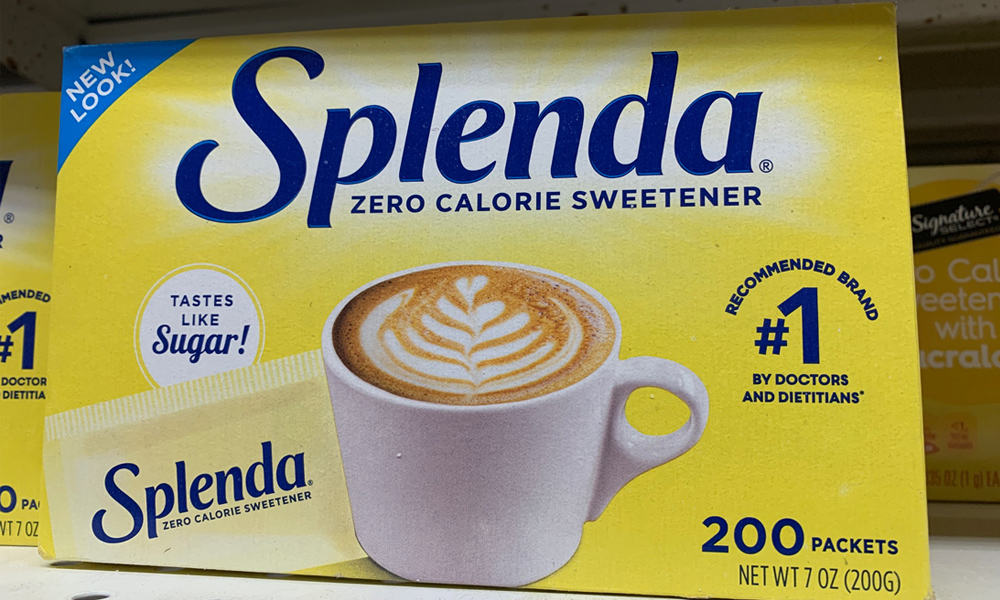
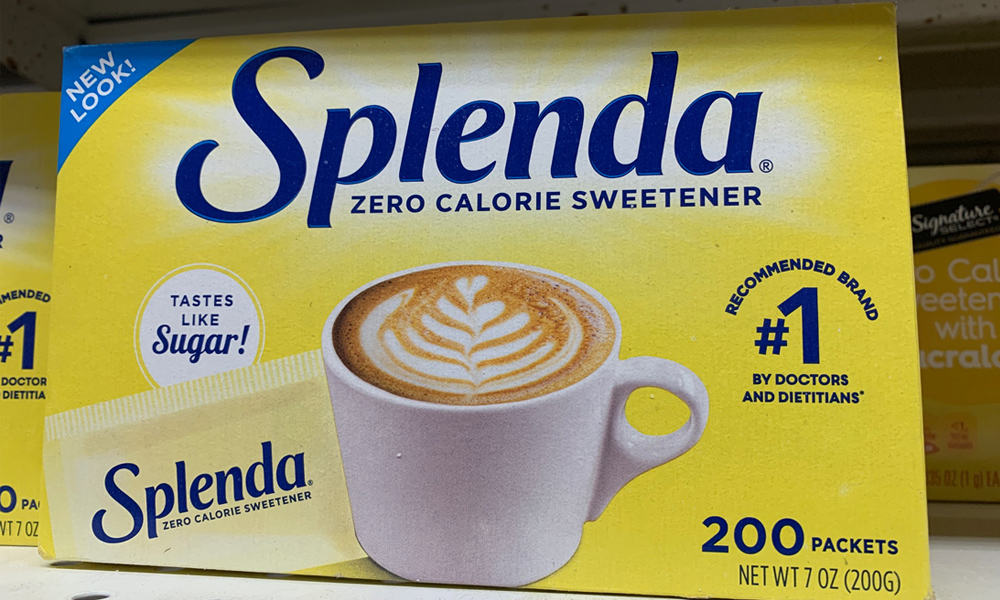
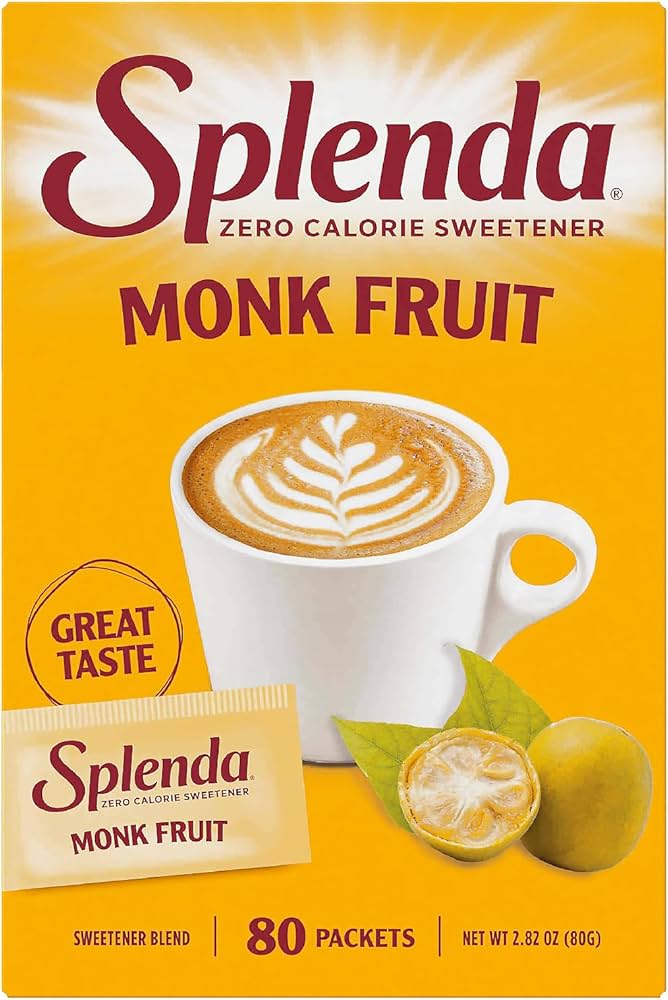
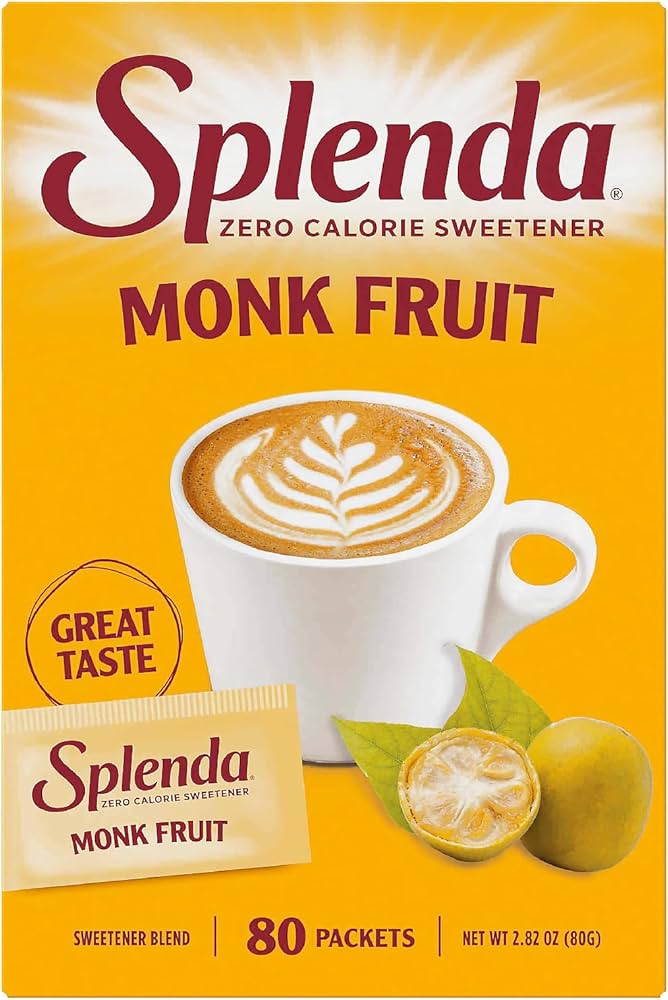
Splenda is the brand name for sucralose, a no-calorie sweetener that tastes hundreds of times sweeter than ordinary cane sugar. Starting from sugar, chemists swap out parts of the molecule to create a substance the body does not absorb as calories, yet the tongue still perceives as sweet.
Is Splenda Vegan?
Ingredients
The core ingredient begins as sugar extracted from plants. Once that sugar is transformed into sucralose, the final packet contains only trace amounts of the original crop. The sticking point for strict vegans is not the sucralose itself, but the processing aids sometimes used long before the sweetener reaches the supermarket.
Manufacturing Process
Refining sugar and later modifying it into sucralose can involve filters or enzymes that originate from animal tissue. Facilities vary: some rely on mineral or microbial filters, others on agents that may come from animal sources. Because these helpers are removed later, they never appear on the label, yet their brief presence is enough to trouble certain ethical standpoints.
Expert Opinions
Plant-based nutritionists are split. One camp says the final molecule contains no animal matter, so the product is acceptable. Another camp argues that avoiding all animal exploitation includes rejecting goods produced with animal-derived tools, even if those tools do not end up in the finished package. Because companies rarely disclose which filtering method they use, vegans who want certainty often look elsewhere.
Is Splenda Safe?
Regulators in several countries have set acceptable daily intake limits for sucralose after reviewing rodent data. Critics point to studies linking very high doses to changes in gut bacteria or insulin response, while reviewers note those levels far exceed what a person would normally consume. Moderation remains the common advice.
Alternatives to Splenda
Shoppers who prefer sweeteners with a clearer vegan record and minimal processing often choose:
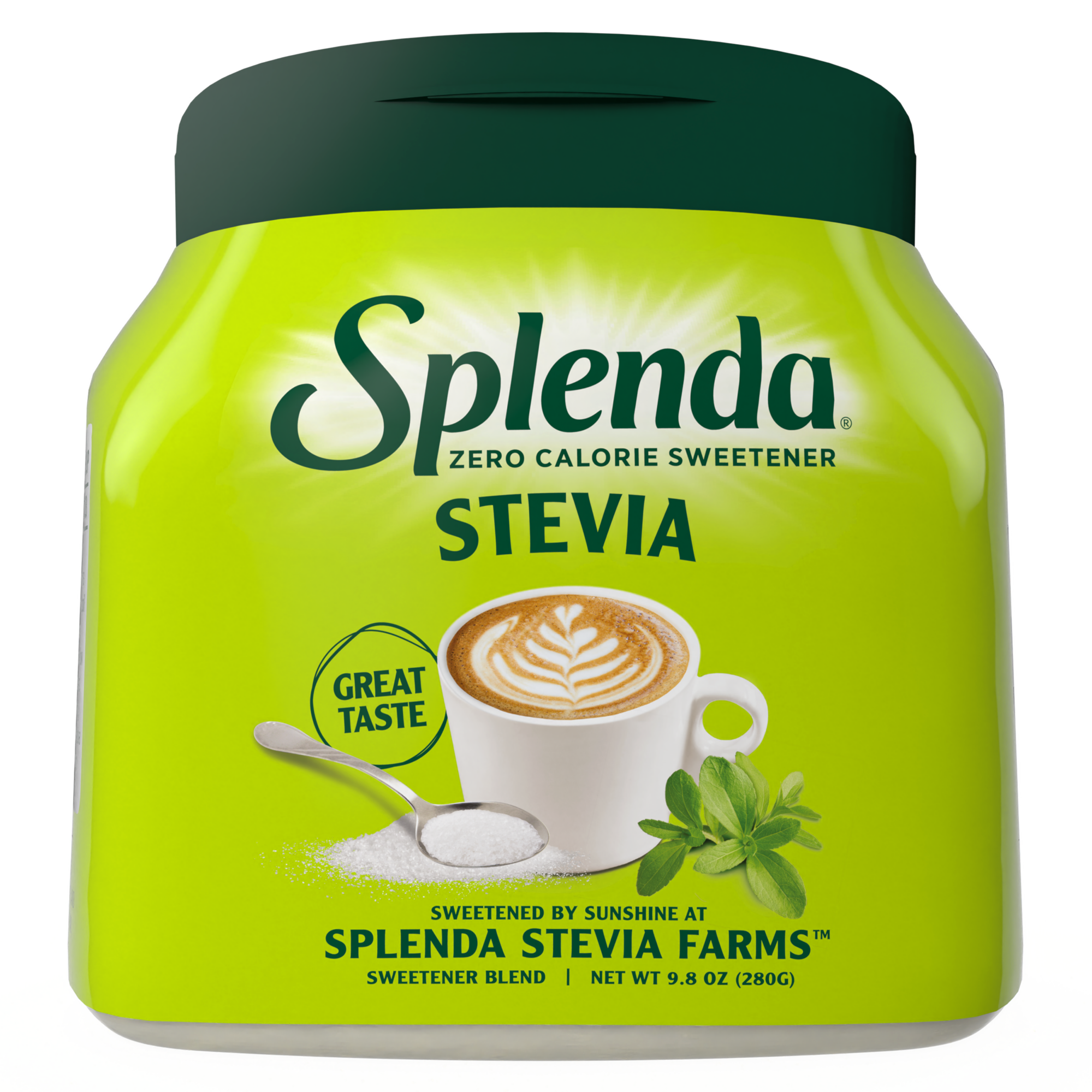
– Stevia: dried leaf extracts or drops from the Stevia rebaudiana shrub.
– Erythritol: a fermented sugar alcohol found naturally in pears and melons.
– Xylitol: another plant-based sugar alcohol, usually derived from birch or corn cobs.
Conclusion
Whether Splenda belongs in a vegan kitchen hinges on how strictly one interprets the use of unseen processing aids. The sweetener itself contains no animal ingredients, yet its supply chain can involve them. Consumers who wish to avoid any possible link can turn to several plant-derived alternatives, keeping both ethics and personal wellness in mind.