

















The Role of Zero-Point Snacks in a Popular Weight-Management Program
Introduction
Many structured weight-management plans use a point-based system to guide food choices, assigning values according to nutritional profiles. Within these systems, “zero-point” snacks—items that carry no point cost—have become a favorite tool for curbing hunger without compromising daily budgets. This article examines how these foods fit into the broader plan, their nutritional upside, and their influence on steady, sustainable weight loss.
Understanding Zero-Point Snacks
What are Zero-Point Snacks?
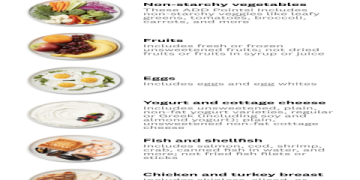
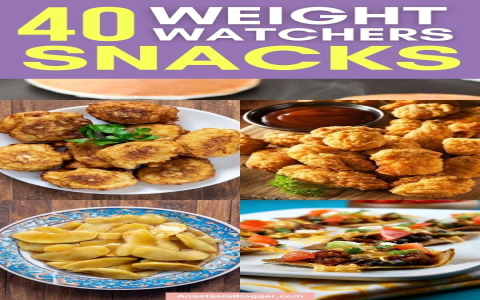
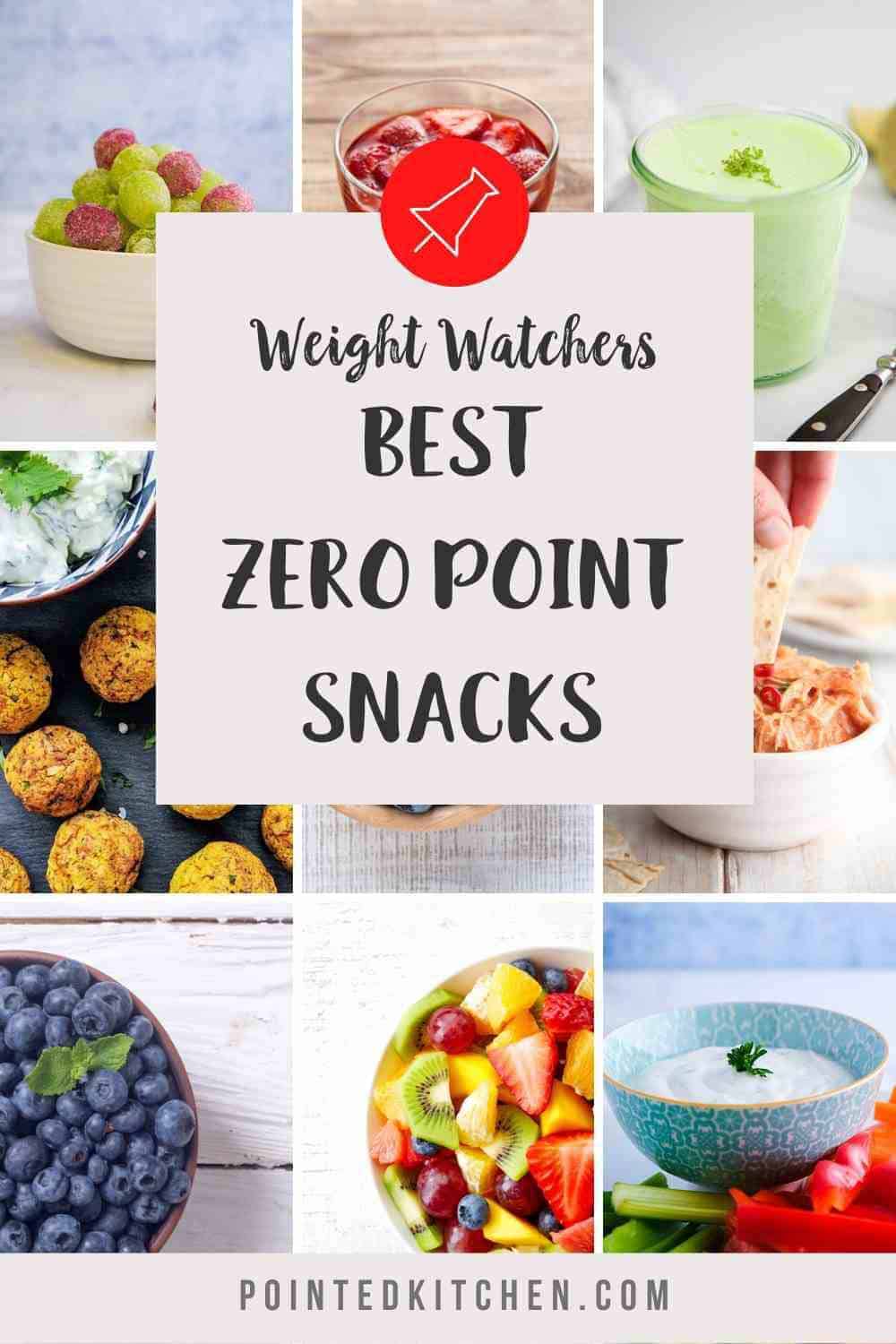
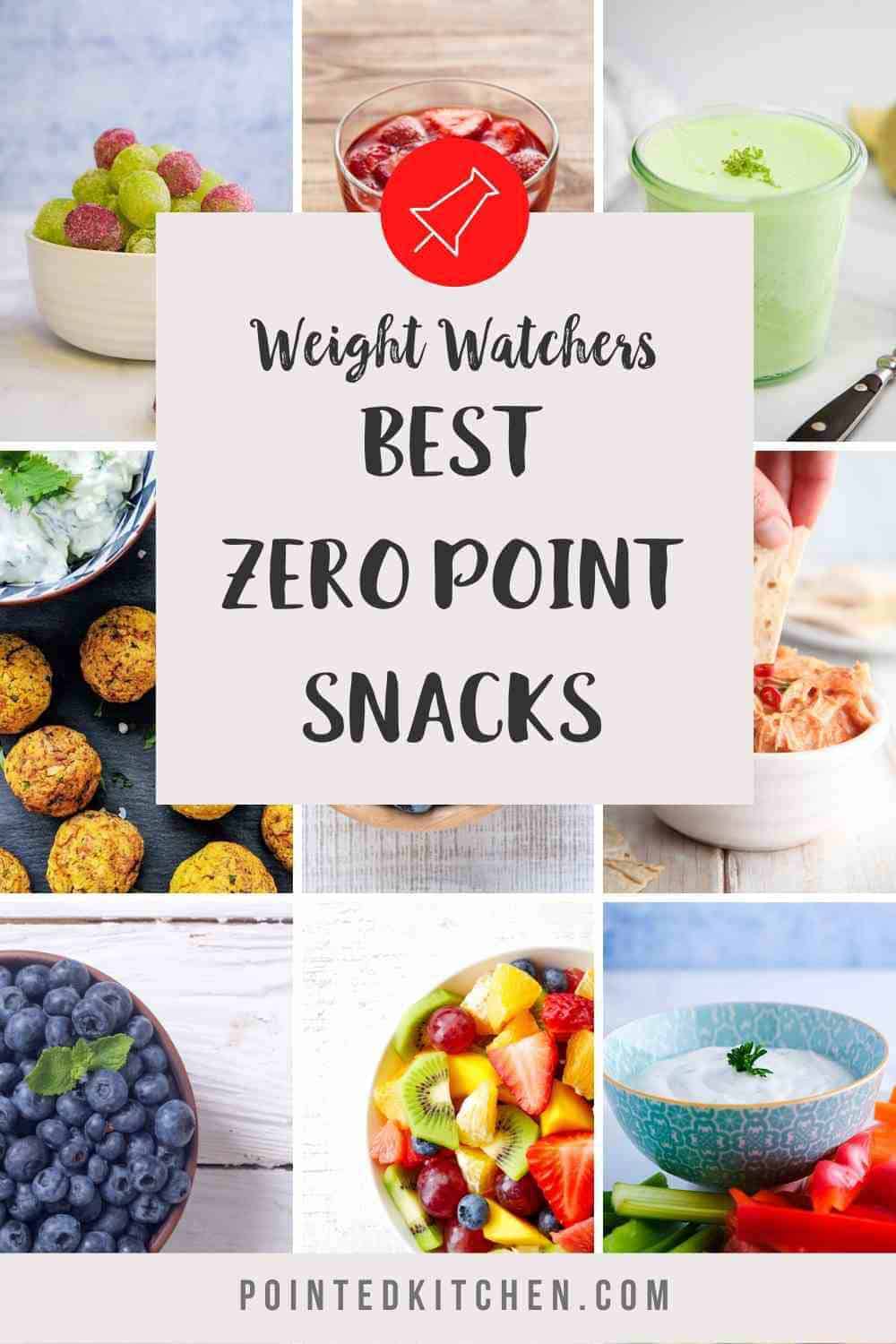
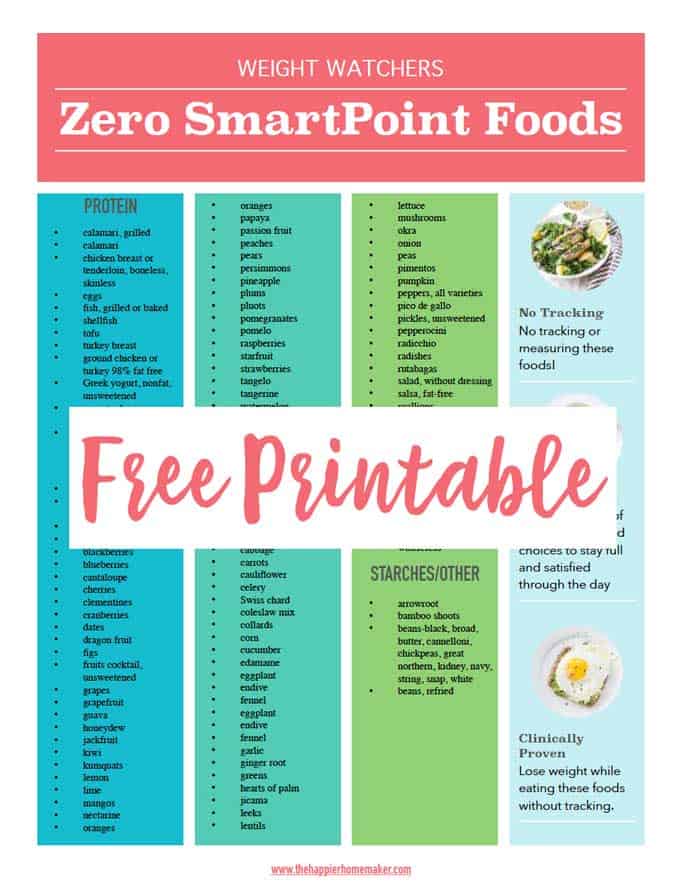
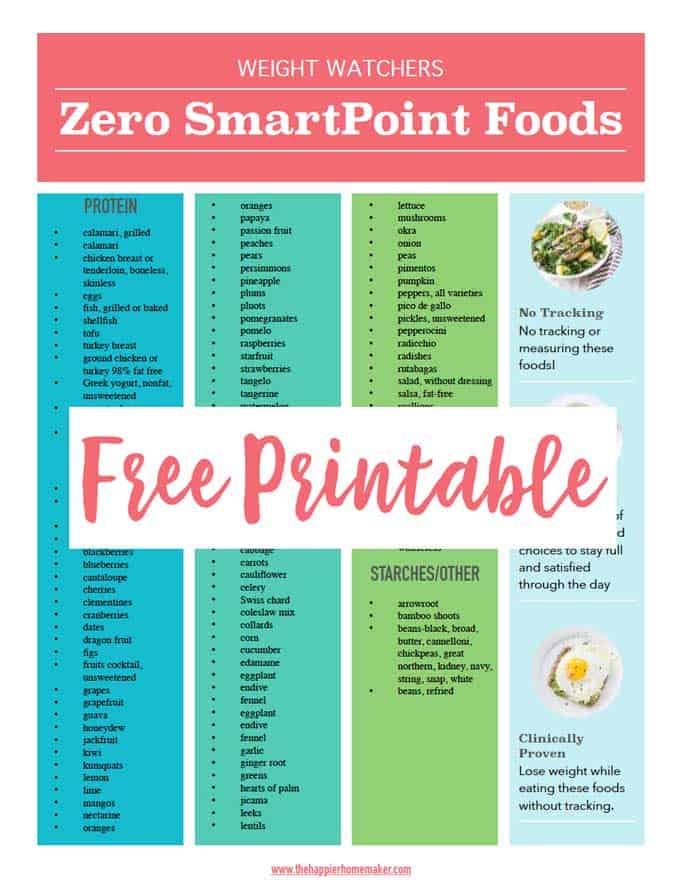
Zero-point snacks are items that score zero in the plan’s point calculator. They are naturally low in calories, fat, and added sugar, and are usually high in water or fiber. Typical examples include most fresh fruits, non-starchy vegetables, and select portions of legumes or seeds.
How Do They Integrate into the Daily Routine?
Because they do not count against the daily allowance, these snacks offer freedom between meals. Dieters can reach for them whenever hunger strikes, reducing the sense of restriction that often undercuts long-term adherence.
Nutritional Benefits of Zero-Point Snacks
Low Energy Density
Water-rich, airy, or fibrous choices add volume to the plate while contributing minimal calories. A bowl of air-popped popcorn or a crunchy cup of carrot sticks can extend fullness far longer than a small cookie of equal calories.
Rich in Micronutrients
Fruits and vegetables supply vitamin C, potassium, folate, and an array of antioxidants that support immunity and overall vitality. These nutrients are sometimes diluted in processed snacks, making zero-point options an easy path to a more nutrient-dense day.
Fiber for Satiety
Fiber slows gastric emptying and steadies blood-sugar swings, helping people feel satisfied sooner and stay content longer. A single cup of raspberries, for instance, offers sizable fiber for zero points.
Impact on Weight Loss
Curbed Cravings, Fewer Splurges
By blunting hunger between meals, zero-point snacks lower the temptation to grab high-calorie convenience foods. Consistent small “free” nibbles can translate into lower total daily intake without deliberate restraint.
Better Overall Diet Quality
When these snacks crowd out less wholesome choices, the day’s totals tilt toward more plants, more fiber, and less added sugar and saturated fat—patterns linked to healthier body weight and reduced chronic-disease risk.
Case Studies and Research
Study 1: Produce Intake and Success Rates
A nutrition journal report found that participants who added extra servings of fruits and vegetables to their routines lost more weight over six months than those who kept produce portions static, highlighting the practical payoff of zero-point emphasis.
Study 2: Satiety Effects of Water- and Fiber-Rich Foods
Research in an appetite-focused journal showed that starting lunch with a low-calorie, high-fiber salad led to significantly fewer calories consumed at the meal, reinforcing the value of zero-point starters.
Conclusion
Zero-point snacks serve as a flexible, nutrient-packed safety net within point-guided plans. They tame hunger, elevate diet quality, and support steady weight reduction without the need for meticulous tracking. As evidence accumulates, these foods are likely to remain a cornerstone of balanced, user-friendly weight-management strategies.
Recommendations and Future Research
Recommendations
Rotate a colorful mix of zero-point options throughout the week, pair them with lean protein or healthy fat for longer satisfaction, and treat them as allies rather than unlimited license to graze. Mindful portions still matter for overall balance.
Future Research
Long-term studies could clarify how perpetual access to zero-point foods influences maintenance phases and whether specific groups—such as those with insulin resistance or elevated lipid levels—gain unique metabolic advantages. Continued investigation will refine guidance and keep eating plans both effective and practical.