









The Significance of Recipes in Culinary Arts and Daily Life
Introduction
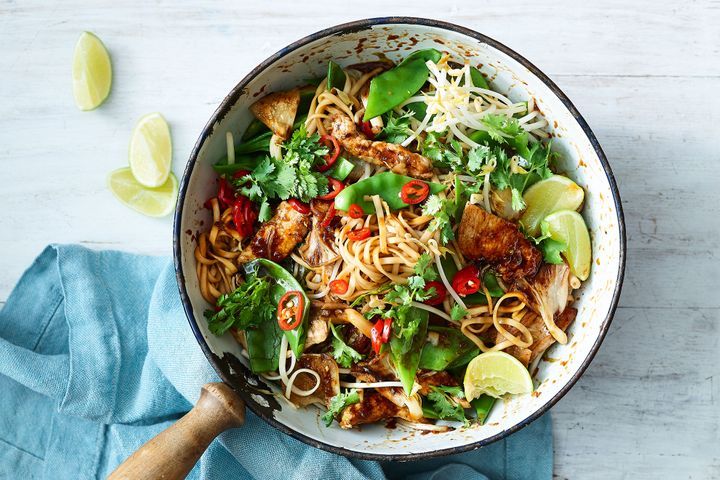
A recipe is more than a list of ingredients and steps; it is a living document that carries flavor, memory, and identity. Across centuries and continents, these concise guides have safeguarded techniques, sparked creativity, and connected dinner tables to distant traditions. This article examines why recipes matter, how they shape professional kitchens, and the quiet influence they exert on ordinary meals.
The Historical Perspective of Recipes
Long before printed cookbooks, cooks etched, inked, or whispered instructions so flavors could outlive them. Early civilizations recorded mixtures for bread, broths, and fermented drinks on clay, papyrus, and parchment. Each generation added spices, tools, and ideas gathered along trade routes, turning simple notes into evolving chronicles of taste.
Ancient Recipes
In societies where literacy was rare, recipes traveled by word of mouth, guarded within families or guilds. Some cultures pressed cuneiform or hieroglyphs into tablets to capture ratios of grain and water, while others relied on rhythmic chants that novices memorized like songs. These early formulas reveal humanity’s timeless wish to repeat a satisfying meal.
Medieval and Renaissance Recipes
As manuscripts grew more detailed, cooks began specifying timing, texture, and garnish. The arrival of the printing press multiplied the reach of these texts, allowing households far from royal courts to attempt the same stews and pastries. Illustrations of unfamiliar produce guided readers toward new ingredients, widening palates and possibilities.
The Role of Recipes in Culinary Arts
Inside a professional kitchen, a recipe functions as both blueprint and springboard. It anchors tradition while inviting reinterpretation, ensuring that every plate speaks a shared language yet retains room for personal accent.
Preservation of Techniques
Methods such as slow braising, hand-folded dumplings, or precise caramel temperatures survive because recipes capture the subtle cues—color, aroma, resistance—that written theory alone cannot convey. Each repetition keeps the craft alive for the next cohort of cooks.
Innovation and Experimentation
Once fundamentals are mastered, chefs treat recipes as launch pads. A classic velouté might be reimagined with plant-based thickeners; a street-side snack may find itself refined into haute cuisine. The original ratios remain a reference point against which creativity is measured.
Standardization
In bustling restaurants, consistent seasoning, portion size, and plating matter as much as innovation. A well-tested recipe aligns the team, allowing diners to experience the same harmony of flavors whether they visit on a quiet Tuesday or a crowded weekend.
The Impact of Recipes on Everyday Life
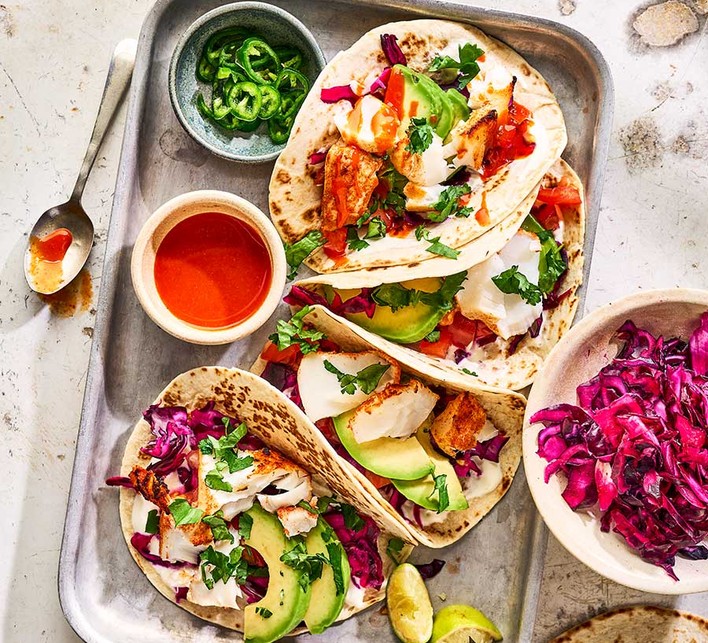
Beyond restaurant walls, recipes quietly shape grocery lists, weeknight schedules, and holiday memories. They translate foreign cuisines into local kitchens and transform health advice into appetizing meals.
Home Cooking
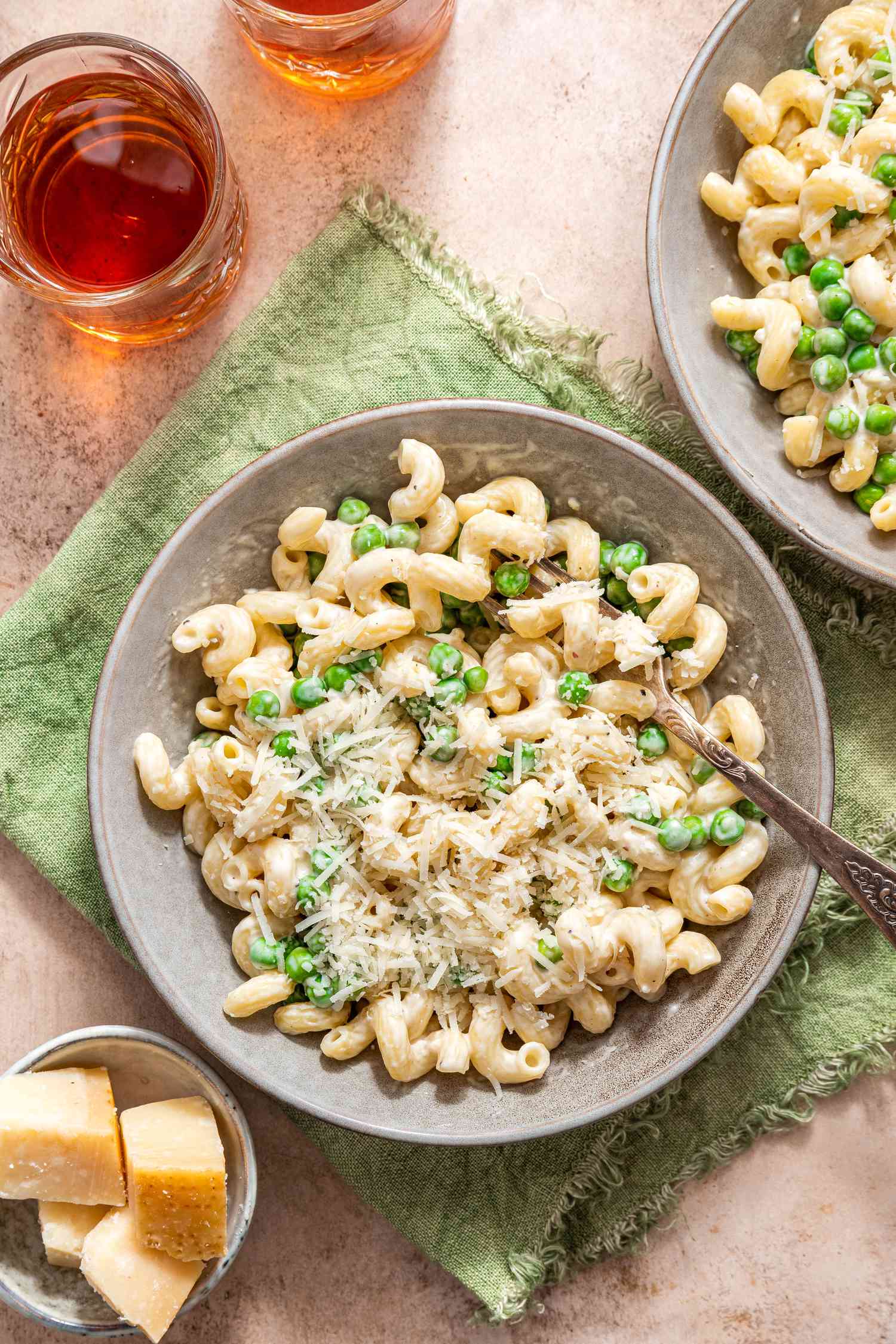
Step-by-step guidance gives home cooks confidence to tackle unfamiliar techniques, turning tentative experiments into reliable favorites. A handwritten card tucked inside a cupboard can carry the warmth of past gatherings into present routines.
Cultural Exchange
When someone follows a fragrant curry or delicate pastry from halfway around the world, they participate in an unspoken dialogue. Ingredients available at the corner market become passports to distant regions, fostering appreciation without the need for travel.
Health and Nutrition
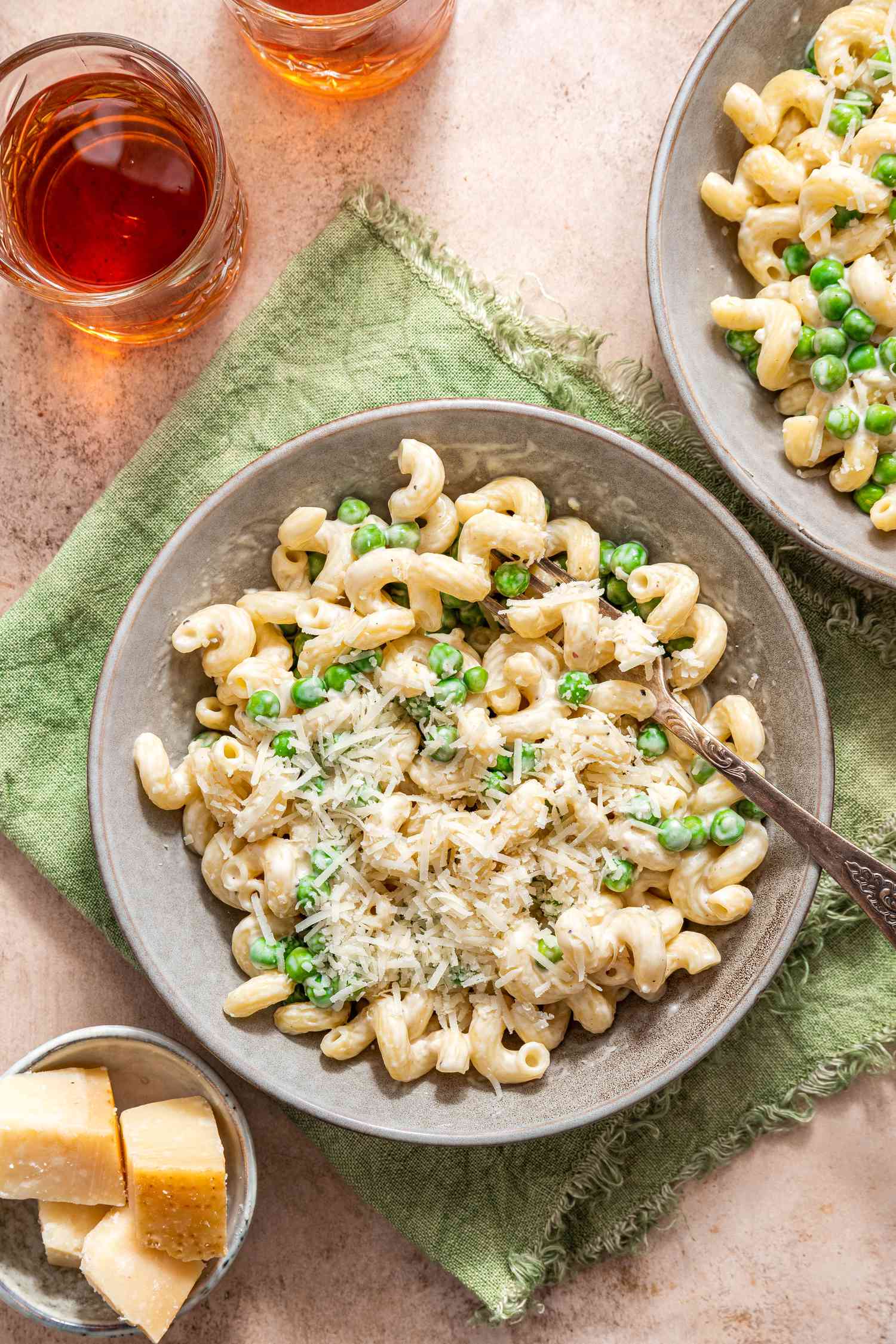
Balanced recipes make wholesome choices practical. By weaving vegetables, whole grains, and mindful fats into appealing dishes, they help translate nutritional advice into enjoyable eating patterns that can last a lifetime.
The Evolution of Recipes in the Digital Age
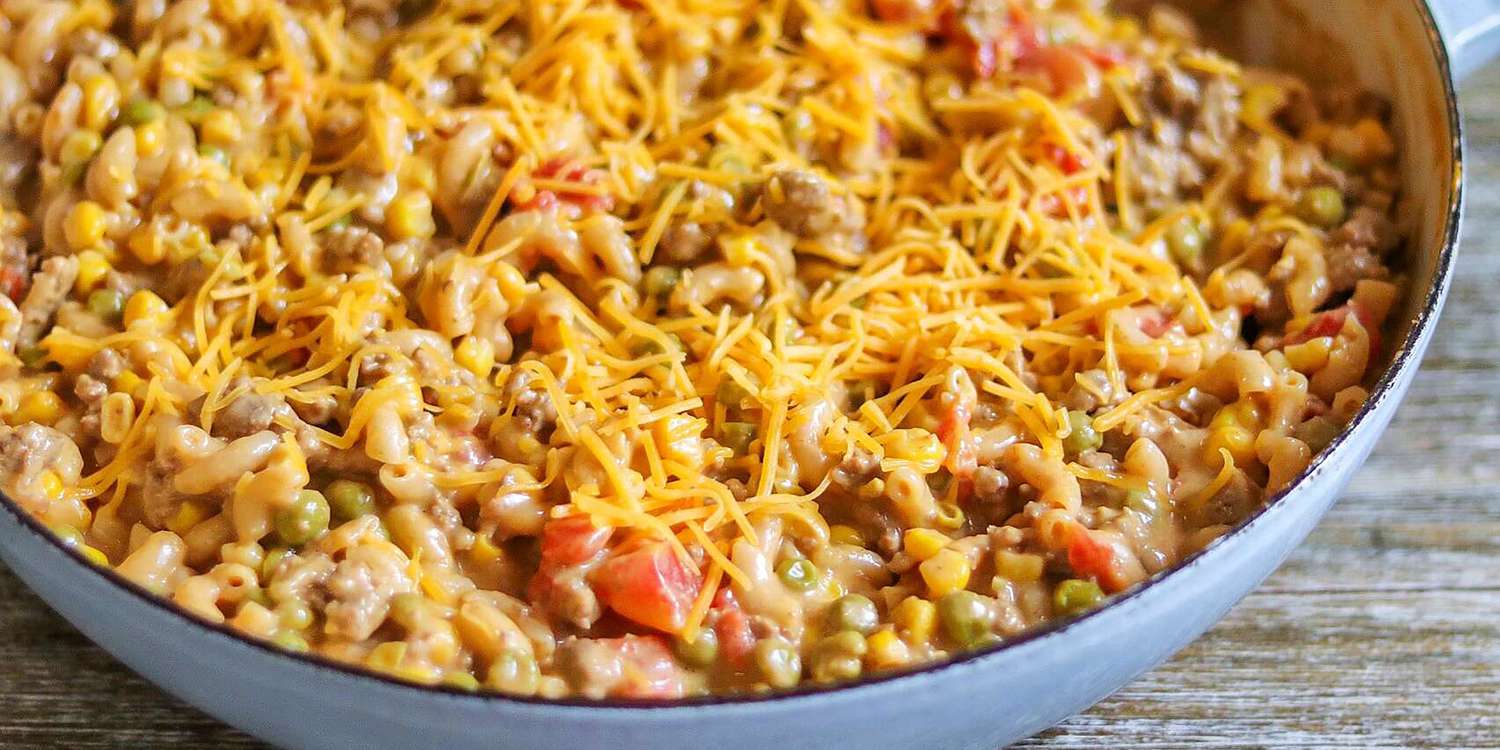
Search bars and touchscreens have replaced card boxes and marginalia, yet the fundamental purpose remains unchanged: to guide hands and fire toward delicious results. Technology simply accelerates discovery, adaptation, and sharing.
Online Recipe Platforms
Websites aggregate thousands of dishes, filtered by season, skill level, or pantry remnants. Reviews and star ratings create communal refinement, where the collective wisdom of many cooks improves a single set of instructions.
Social Media and Influencers
Short videos and photo threads demystify tricky steps in real time. Cooks who once cooked in isolation now trade tips across continents, forming virtual apprenticeships that celebrate both expertise and imperfection.
Mobile Apps

Smartphones bring guidance to the stove side, adjusting serving sizes at the tap of a finger or generating shopping lists from selected meals. Push notifications suggest weeknight rescues built around leftover ingredients, reducing waste and decision fatigue.
Conclusion
Recipes endure because they compress experience into shareable form, allowing anyone to recreate a moment of flavor. They safeguard heritage, encourage invention, and nudge daily routines toward nourishment and pleasure. As new tools emerge, the essential transaction remains: one cook passes knowledge to another, and the table grows richer for it.

Recommendations and Future Research
To deepen the value of recipes in coming decades, several directions deserve attention:
1. Culinary Education: Embedding recipe writing and analysis early in training can sharpen both technical skill and storytelling ability, fostering cooks who understand the why as well as the how.
2. Digital Preservation: Scanning, translating, and tagging heirloom manuscripts can protect regional cuisines from disappearing, offering future generations a tasting menu of their edible past.
3. Nutritional Analysis: Seamless integration of balanced macronutrients and allergen alerts into popular recipes empowers eaters to meet health goals without sacrificing enjoyment.
Future research could explore:
1. Cultural Impact of Recipes: Examining how shared dishes reinforce or challenge group identity, and how migration adapts traditional formulas to new landscapes.
2. Technological Integration: Investigating voice-activated guidance, augmented-reality overlays, or smart appliances that adjust heat and timing automatically based on chosen recipes.
3. Global Culinary Trends: Tracking the lifecycle of viral dishes to understand which flavors travel farthest and why certain preparations become universal comfort foods.