



















The Art and Importance of Home Cooking
Introduction
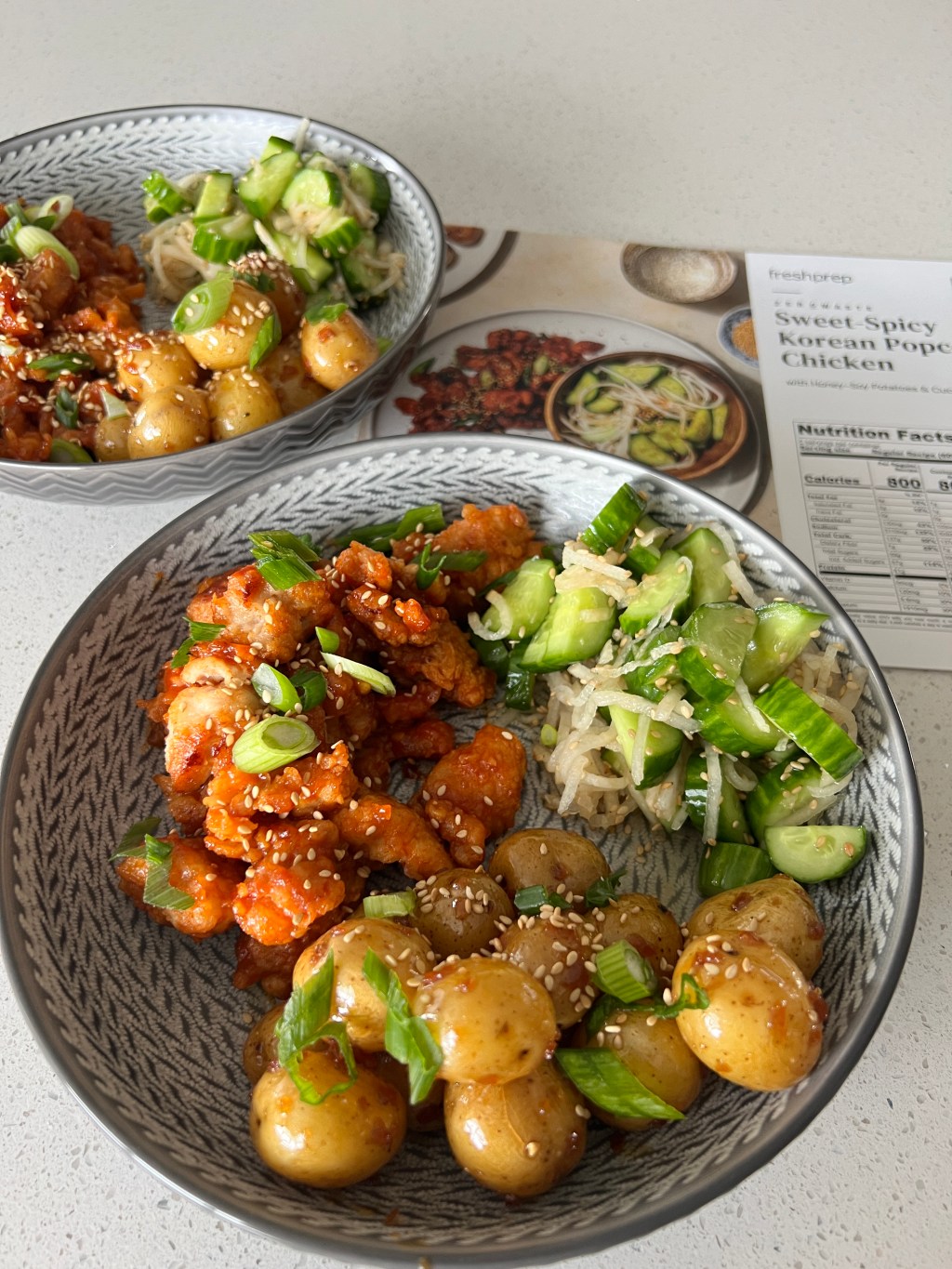
Preparing food in one’s own kitchen has always been central to daily life and personal identity. In a time when ready-made options are everywhere, the simple act of cooking at home is gaining fresh attention. This article looks at why home cooking matters, touching on health, family life, and the way traditions are kept alive. By exploring different sides of the practice, we hope to highlight its lasting worth and inspire more people to pick up a spatula.
The Nutritional Benefits of Home Cooking
The Nutritional Benefits of Home Cooking
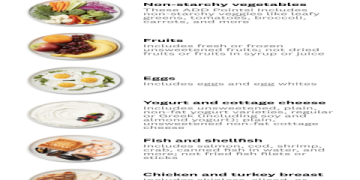
When meals are made from scratch, the cook decides what goes in and how much. That control usually means less salt, sugar, and processed fat, plus more colorful produce and whole grains. Over time, these choices add up to steadier energy, easier weight management, and a lower chance of diet-related illness.

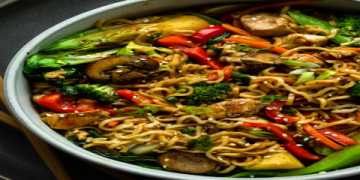
Another plus is variety. A home pantry can hold grains, spices, and seasonal produce that restaurants might skip. Rotating these ingredients keeps taste buds happy and ensures a broader mix of vitamins and minerals on the plate.
The Psychological Benefits of Home Cooking
The Psychological Benefits of Home Cooking
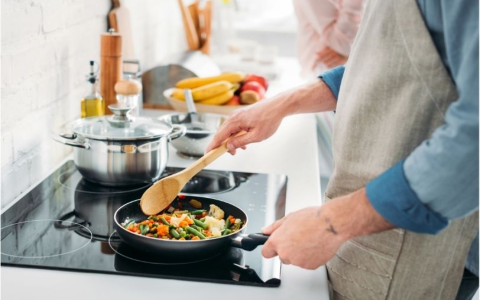
Chopping, stirring, and seasoning can feel like a mini-meditation. The rhythmic motions give the mind a break from screens and deadlines, while the finished dish delivers an immediate sense of achievement. Many people find this process calms nerves and lifts mood after a busy day.

Sharing the results multiplies the effect. Sitting down to a homemade meal invites conversation, eye contact, and laughter—small moments that strengthen bonds and lower stress for everyone at the table.
The Cultural Significance of Home Cooking
The Cultural Significance of Home Cooking
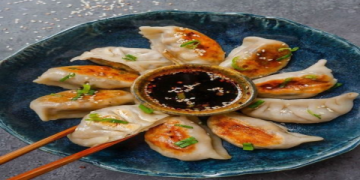
Recipes travel through generations like edible family trees. The scent of a childhood stew or the technique for folding dumplings carries stories that might never make it into textbooks. By cooking these dishes, people keep accents, memories, and values alive for children and guests alike.
Beyond the household, regional cuisines connect neighbors and newcomers. A pot of shared soup or holiday bread can open conversations across backgrounds, reminding us that heritage is something to taste, not just read about.

The Economic Impact of Home Cooking
The Economic Impact of Home Cooking
A well-planned shopping list stretches further than most delivery apps. Bulk staples, seasonal produce, and leftovers reinvented as tomorrow’s lunch cut weekly spending without sacrificing flavor. Over a month, the savings can cover a utility bill or a weekend outing.
Smart use of ingredients also shrinks waste. Vegetable tops become pesto, bones simmer into broth, and day-old bread turns into crisp salad croutons. These small habits keep both wallets and landfills a little lighter.

Conclusion
Cooking at home nourishes the body, steadies the mind, preserves stories, and protects budgets. In a world that often prizes speed over substance, the quiet ritual of preparing a meal remains a powerful act of care—for ourselves, our families, and the planet. Rekindling this habit can start with one simple recipe and a sprinkle of curiosity.
Recommendations and Future Research

Community kitchens, short online videos, and local workshops can give beginners the confidence to sauté, roast, and season. Libraries and schools can loan tools or share recipe cards that fit tight schedules and varied tastes.
More studies could track how steady home cooking influences long-term happiness, grocery budgets, and family communication. Researchers might also look at how apps and smart appliances can guide novices without removing the joy of hands-on creativity.
In short, the path from fridge to fork is more than a route to dinner—it is a daily chance to shape healthier bodies, warmer homes, and a more thoughtful food culture. Embracing it can start tonight, one homemade bite at a time.