





















Recipes Using What I Have: A Guide to Sustainable Cooking
Introduction

Cooking with what you already have is a simple habit that saves money, cuts waste, and keeps meals interesting. When you turn yesterday’s odds and ends into today’s lunch, you lighten your environmental footprint without sacrificing flavor. This guide shows how to scan your shelves, imagine new combinations, and enjoy flexible dishes that welcome almost any ingredient you find.
The Importance of Using What You Have
Reducing Food Waste

Every scrap you rescue is a small win for the planet. Experts estimate that a large share of food never reaches the table, so giving lonely carrots or half-bunches of herbs a starring role helps shrink that gap.
Cost-Effective Cooking
When the pantry does the shopping for you, grocery bills shrink. A can of beans, a handful of pasta, and the last of the cheese can become a filling dinner—no extra trip to the store required.

Encouraging Creativity
Limits spark invention. A single pepper, a spoon of jam, or the heel of bread can push you toward flavors you might never have tried if the fridge had been “fully stocked.”
Strategies for Using What You Have
Inventory Management
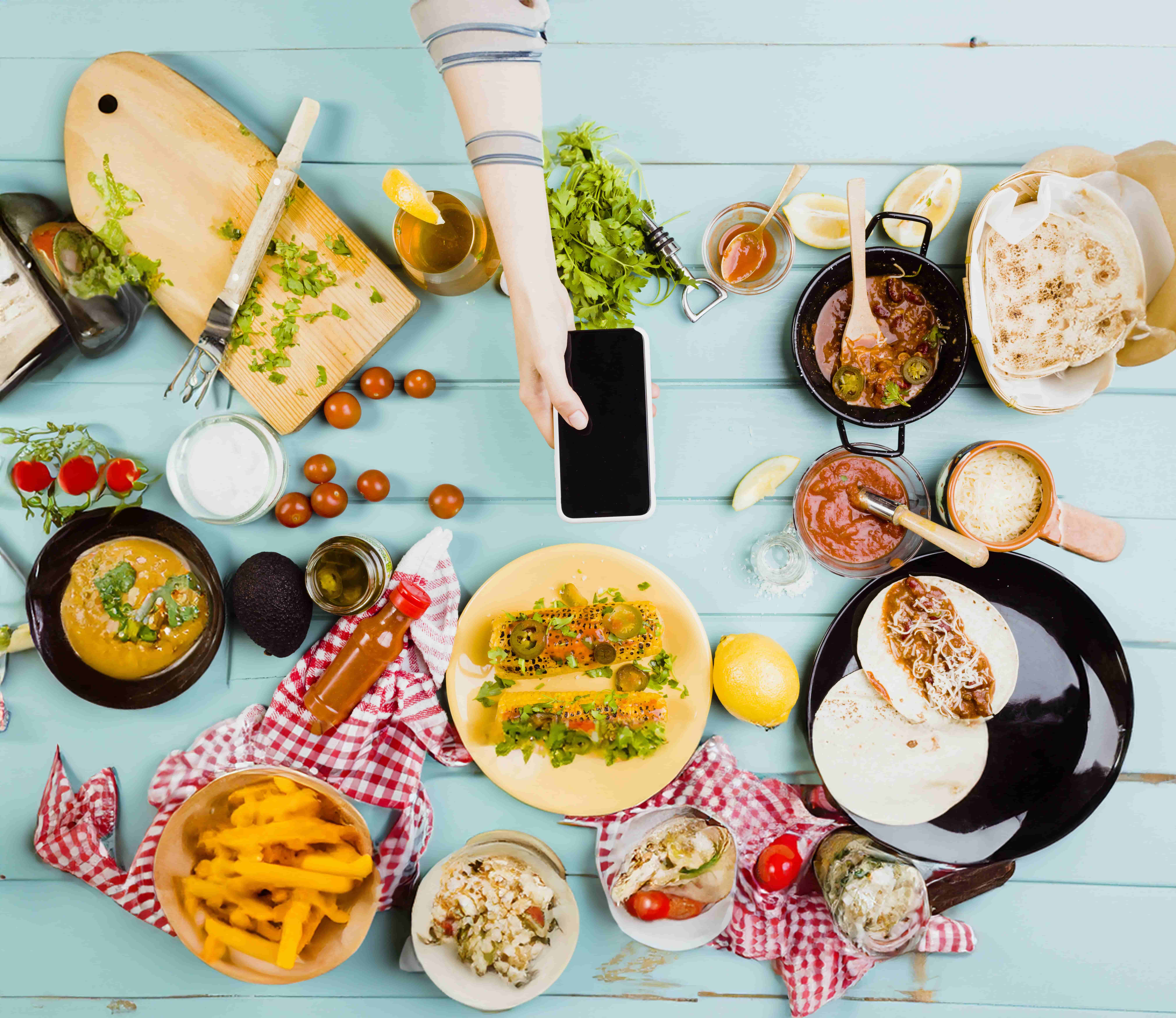
Start with a quick shelf sweep. Group items by type—grains, canned goods, produce, sauces—so you can see possibilities at a glance.
Meal Planning
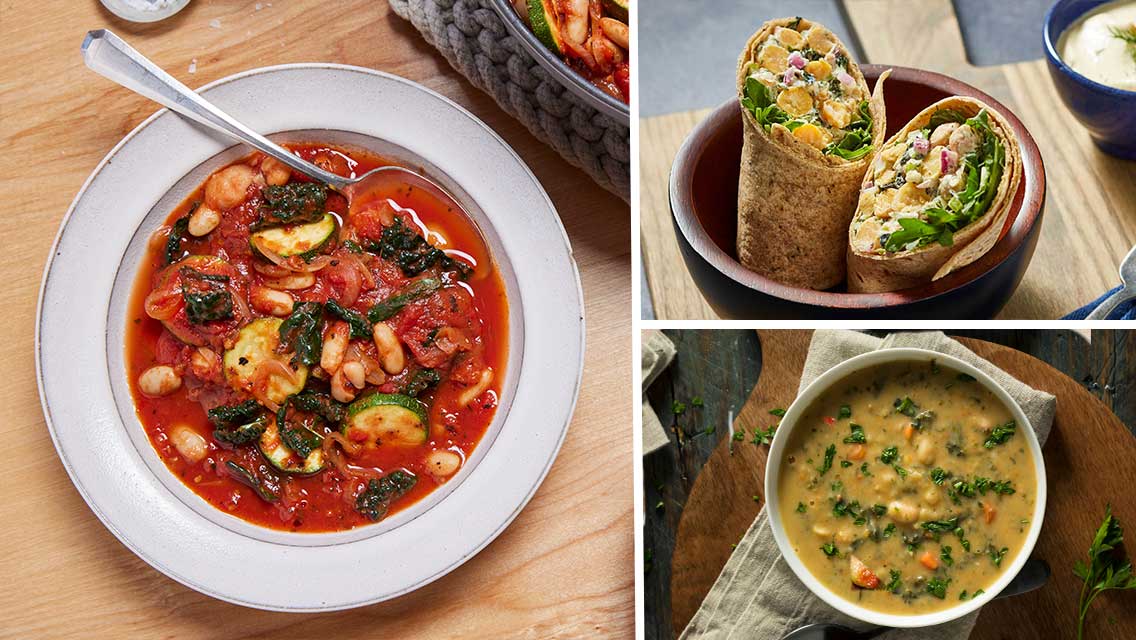
Pick one core ingredient, then build around it. If brown rice is the base, ask what color, texture, or cuisine is missing and plug in matching items until the bowl feels complete.
Storage Tips
Keep herbs in a jar of water like flowers, wrap greens in a damp cloth, and freeze bread in slices so you can toast only what you need. Small habits buy extra time.
Recipes Using What I Have
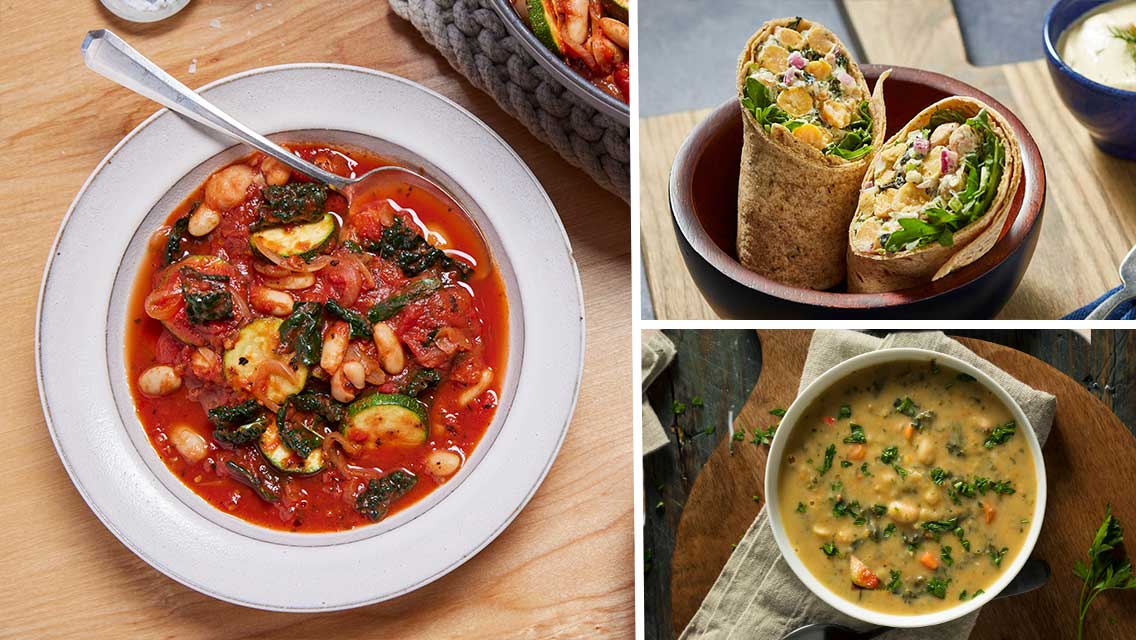
Hearty Vegetable Soup
A comforting bowl of soup is a great way to use up a variety of vegetables. Here’s a basic recipe that can be adapted to the vegetables you have:
– 1 tablespoon olive oil

– 1 onion, chopped
– 2 carrots, diced
– 2 stalks of celery, diced

– 2 potatoes, diced
– 4 cups of vegetable broth
– Salt and pepper to taste

– Optional: herbs, spices, or leftover meat
Instructions:
1. Heat the olive oil in a large pot over medium heat.

2. Add the onion, carrots, and celery, and cook until softened.
3. Add the potatoes and vegetable broth, and bring to a boil.
4. Reduce heat and simmer until the vegetables are tender.

5. Season with salt, pepper, and any additional herbs or spices.
Homemade Pizza
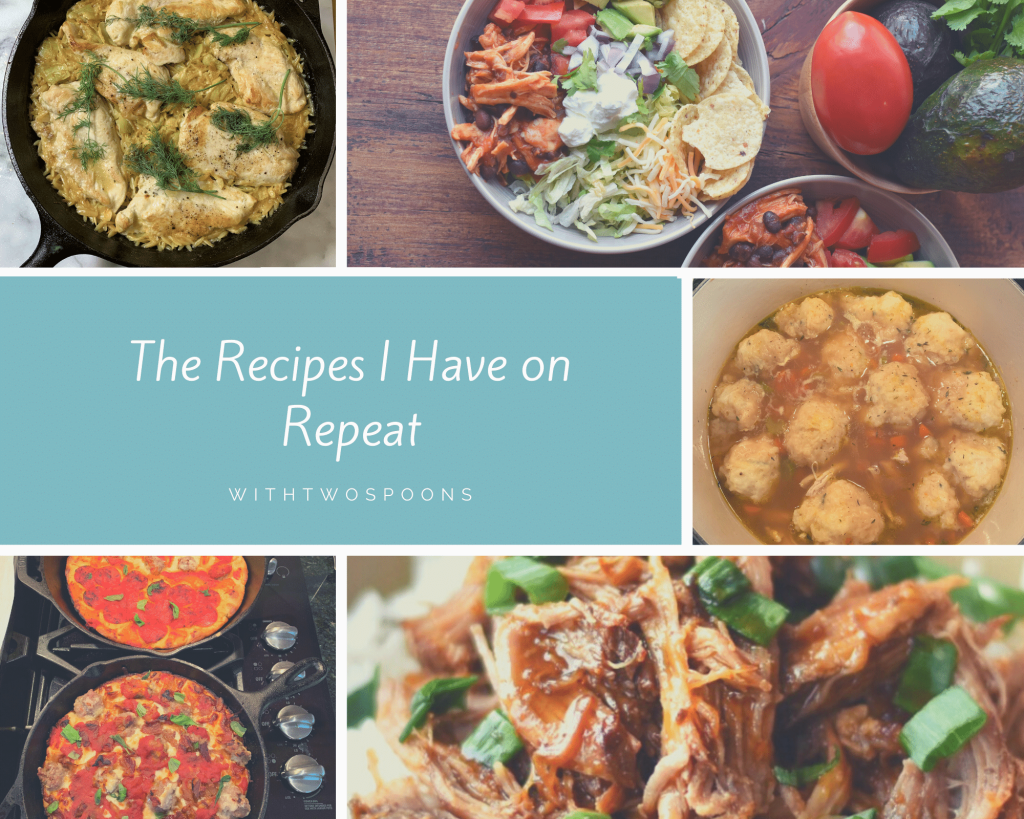
Using leftover bread or pasta dough, you can create a personalized pizza that uses whatever toppings you have:
– Dough (homemade or store-bought)

– Tomato sauce
– Cheese
– Toppings: leftover vegetables, meats, or even pasta

Instructions:
1. Roll out the dough on a baking sheet.
2. Spread tomato sauce over the dough.

3. Sprinkle cheese and add your toppings.
4. Bake at 425°F (220°C) until the crust is golden and the cheese is melted.
Stir-Fry
A stir-fry is a versatile dish that can be made with a variety of ingredients. Here’s a basic stir-fry recipe:
– 2 tablespoons vegetable oil
– 1 onion, sliced
– 2 bell peppers, sliced
– 1 cup of broccoli florets
– 1 cup of snap peas
– 2 tablespoons soy sauce

– 1 tablespoon oyster sauce (optional)
– 1 teaspoon sesame oil
– Salt and pepper to taste

Instructions:
1. Heat the vegetable oil in a wok or large skillet over high heat.
2. Add the onion and cook until softened.

3. Add the bell peppers, broccoli, and snap peas, and stir-fry until they are tender-crisp.
4. Add the soy sauce, oyster sauce, and sesame oil, and stir to combine.
5. Season with salt and pepper.

Conclusion
Using what you have in your pantry and fridge is a practical and sustainable approach to cooking. It reduces food waste, saves money, and encourages creativity in the kitchen. By following the strategies outlined in this article and experimenting with the recipes provided, you can enjoy delicious meals that are both environmentally friendly and budget-friendly. As we continue to prioritize sustainability, the practice of using what we have will become increasingly important, and the skills learned through this approach will serve us well in the future.
Future Research and Recommendations
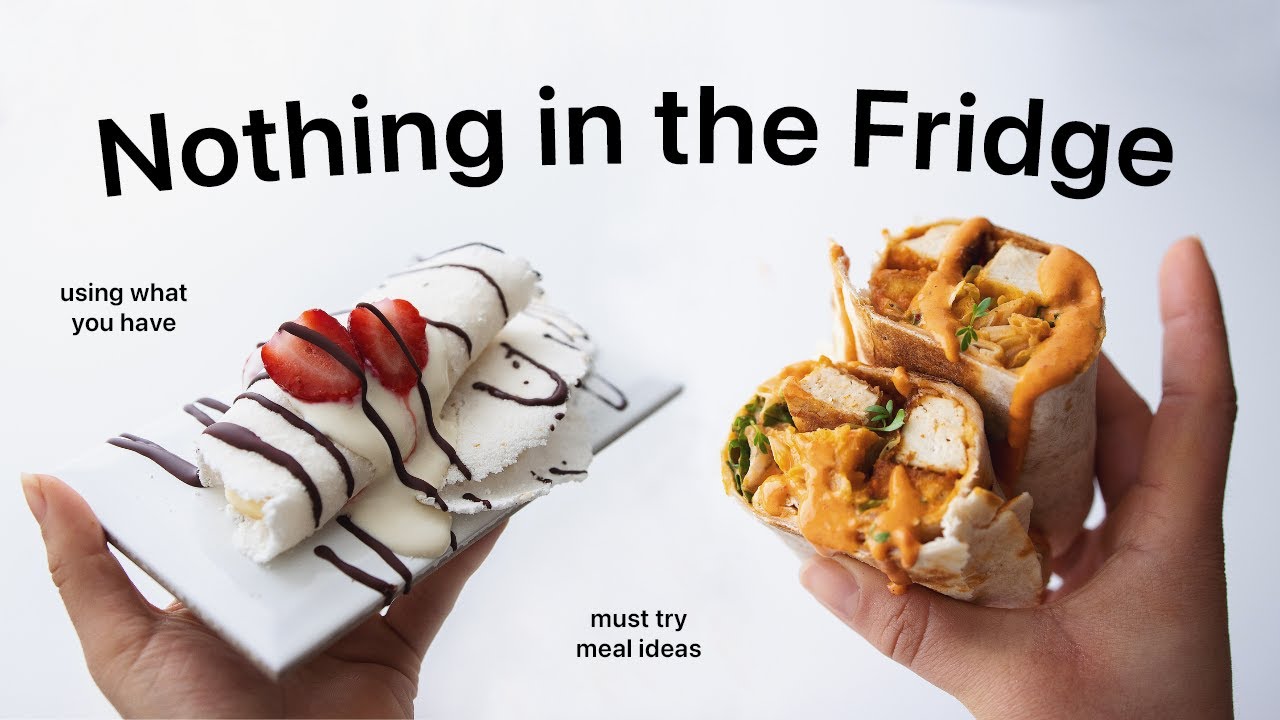
Further exploration could look at how home cooks influence local sustainability when they share surplus meals or swap ingredients. Recipe apps that suggest substitutions in real time and community workshops on flavor pairing could also inspire more households to cook with what they already own.