



















The Impact of Recipe Apps on Modern Cooking Culture
In the digital era, technology has reshaped daily life, including how we prepare meals. Among these changes, recipe apps have become a cornerstone of contemporary kitchens, putting thousands of dishes, techniques, and ideas at users’ fingertips. This article examines how such apps influence today’s cooking habits, their advantages, limitations, and what may lie ahead.
Introduction to Recipe Apps
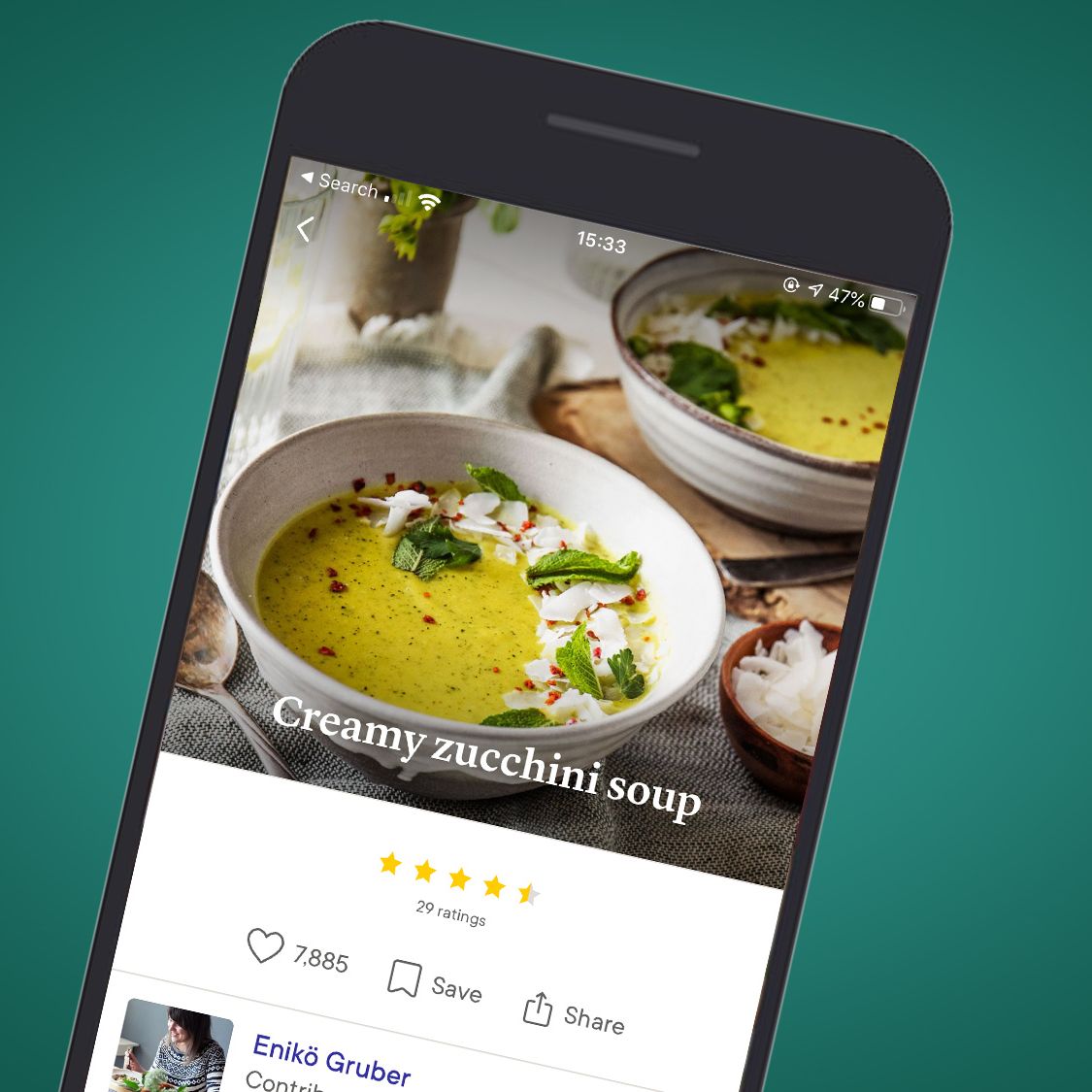
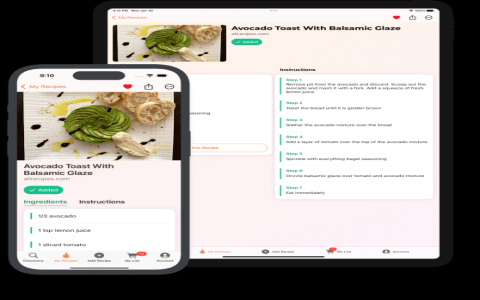
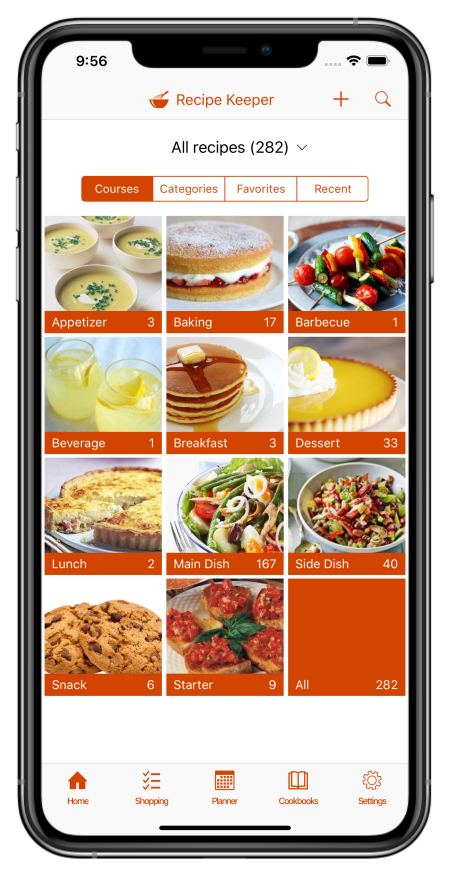
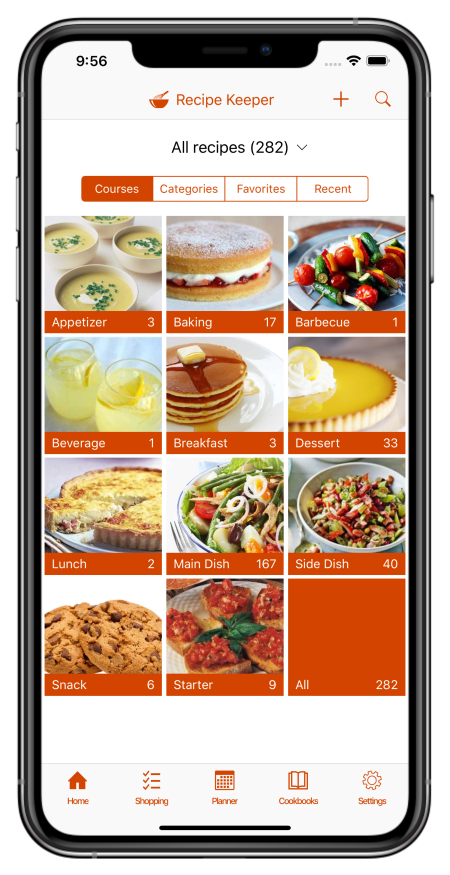
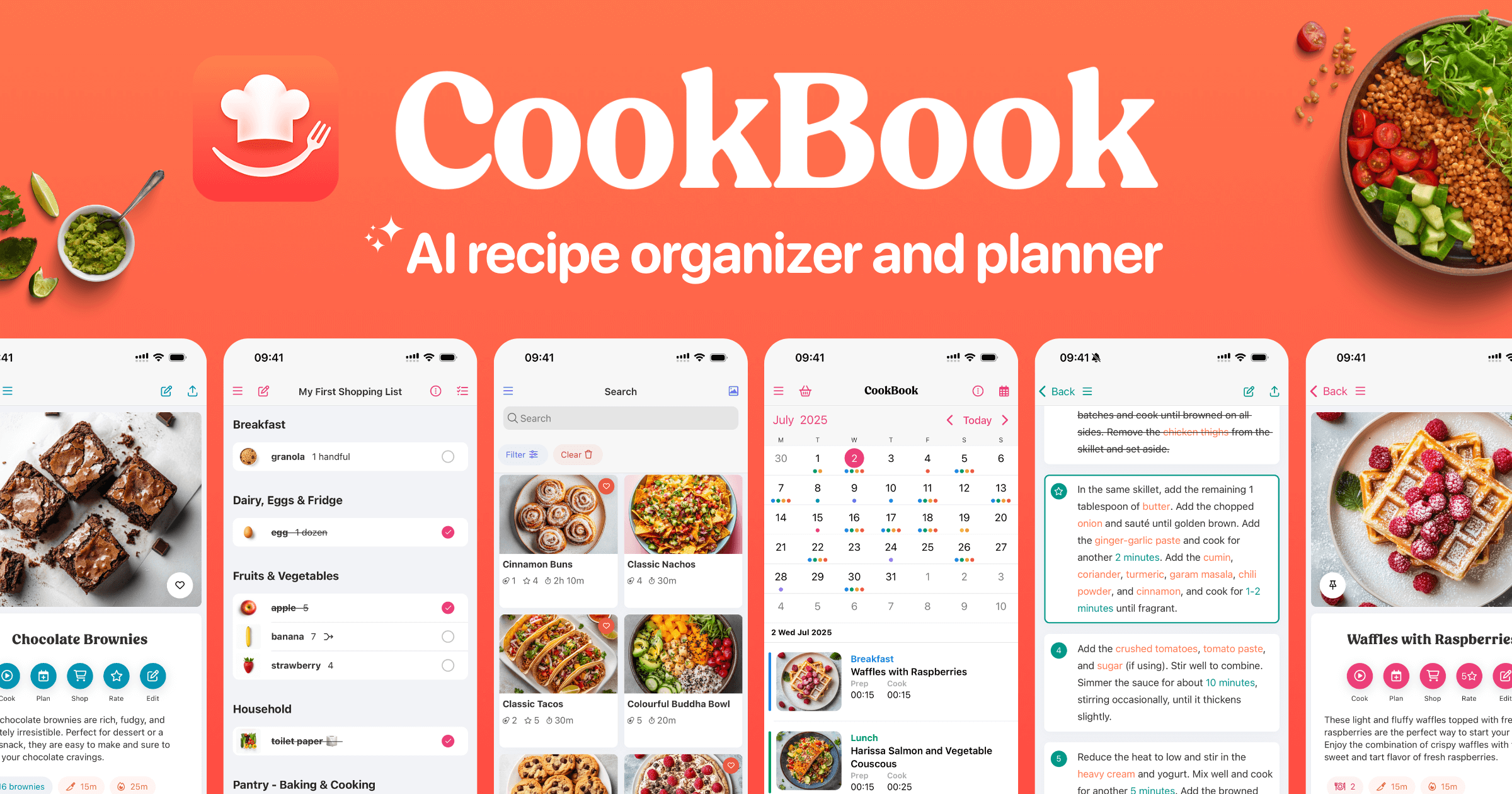
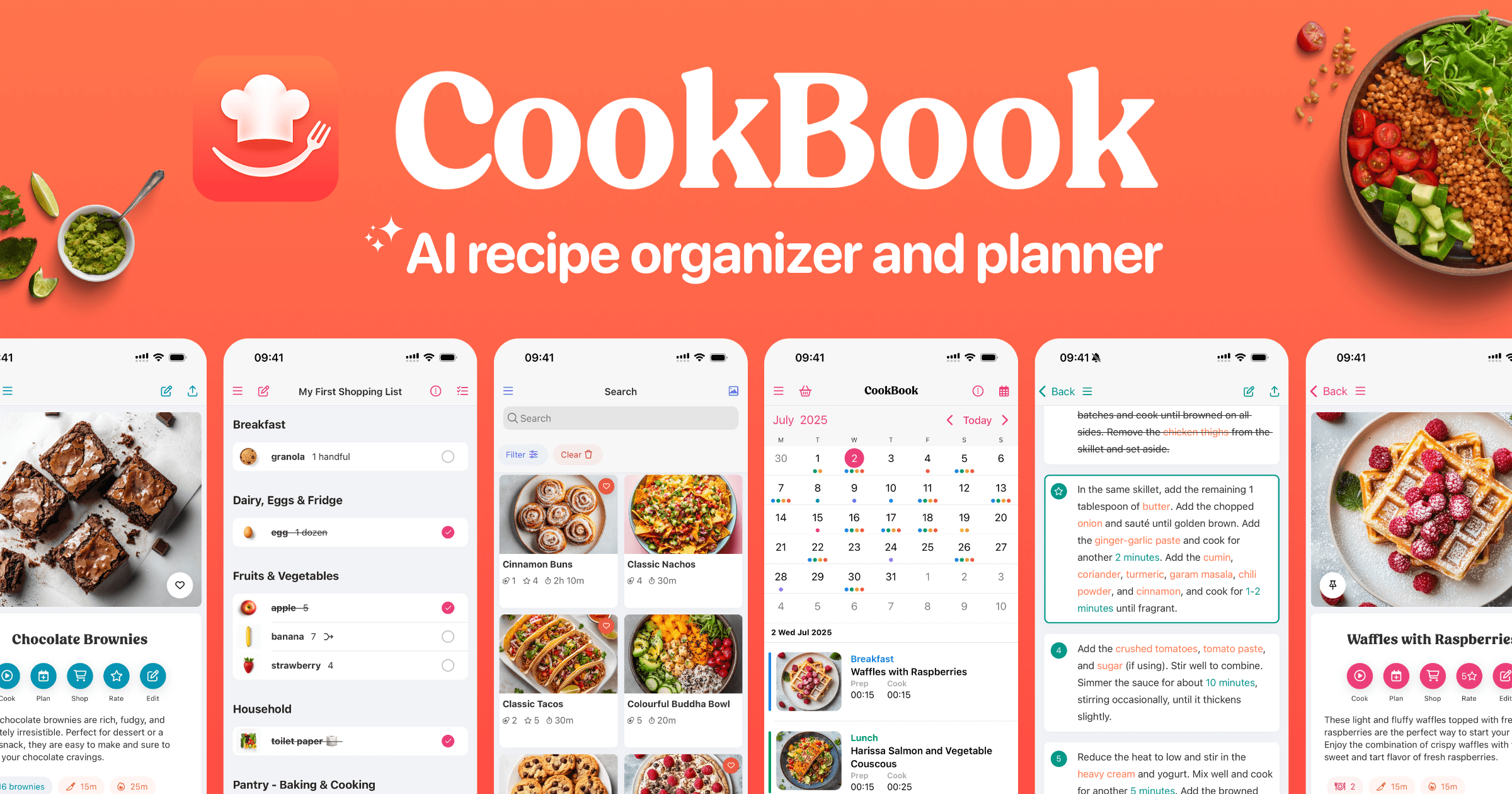
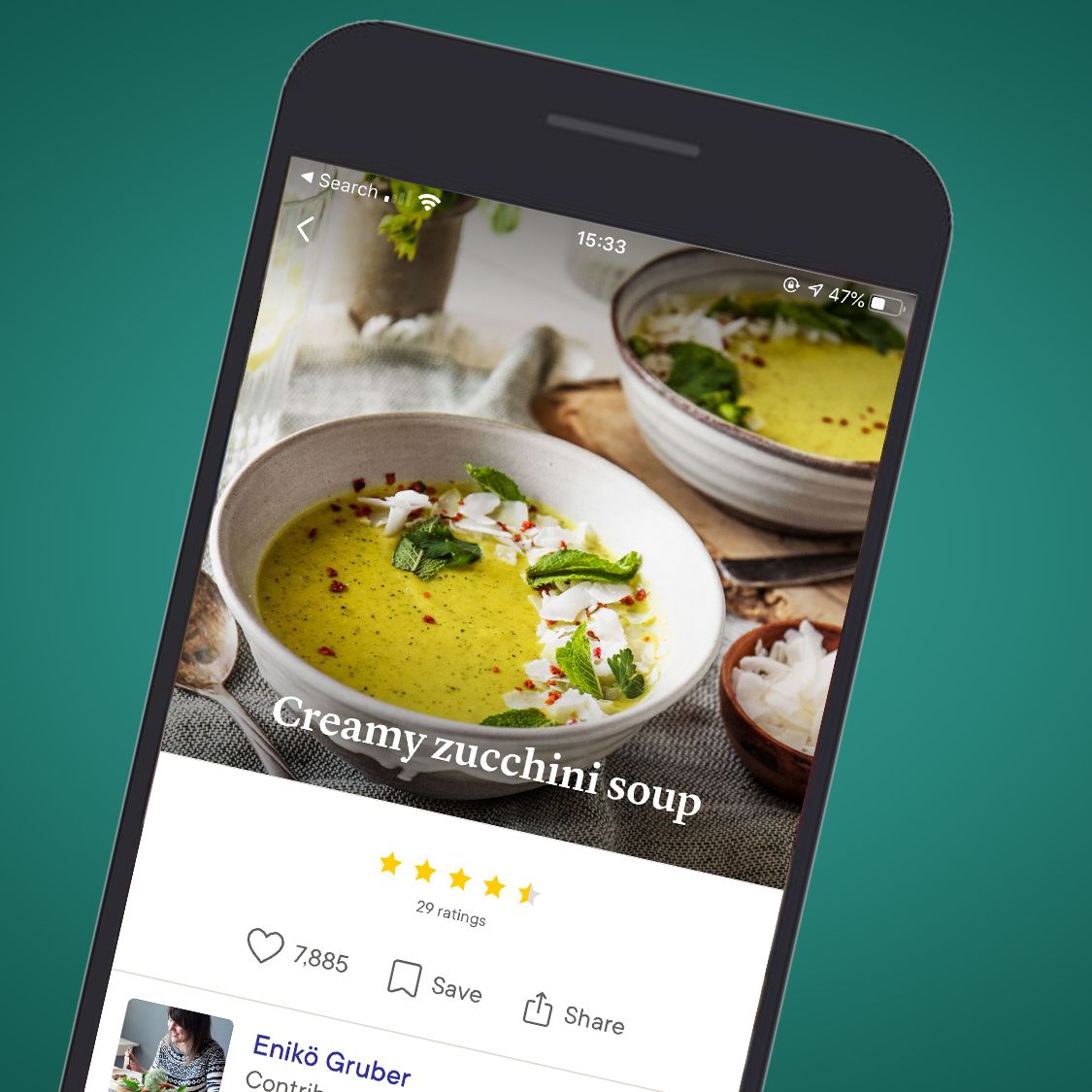
Recipe apps are mobile programs that collect and organize culinary instructions. Categories range from general collections to niche tools focused on dietary goals or regional traditions. Typical features include ingredient lists, step-by-step directions, nutrition facts, and user ratings. Well-known options attract millions of cooks worldwide.
Benefits of Recipe Apps
Access to a Vast Array of Recipes
A single download can open the door to dishes from every corner of the globe, encouraging experimentation with unfamiliar flavors and methods. This variety helps home cooks break routine and discover new favorites.
Convenience and Time-Saving
Smart filters let users sort by available ingredients, cooking time, or nutritional needs, streamlining meal planning. Built-in timers, videos, and voice commands guide novices and experts alike, reducing stress in the kitchen.
Community and Social Interaction
Comment sections, photo uploads, and rating systems create lively spaces where enthusiasts swap tweaks, praise successes, and troubleshoot flops, fostering shared learning and motivation.
Challenges and Concerns
Accuracy and Reliability of Recipes
Because anyone can upload content, instructions occasionally lack testing. Portion sizes, oven temperatures, or ingredient ratios may need adjustment, reminding users to taste, observe, and adapt.
Overreliance on Technology
Constant screen-checking can hinder the development of intuitive skills such as seasoning by taste or judging doneness by texture. Balancing app guidance with classic techniques keeps creativity alive.
Privacy and Data Security
Creating shopping lists or sharing photos may expose personal habits. Reviewing privacy settings and understanding data policies helps protect user information.
Impact on Modern Cooking Culture
Empowering Home Cooks
Step-by-step photos and tutorial videos demystify once-intimidating dishes, giving confidence to try homemade pasta, fermented kimchi, or French macarons without formal training.
Encouraging Healthy Eating
Filters for low-sodium, high-fiber, or plant-based meals make nutritious choices simpler, supporting wellness goals one recipe at a time.
Supporting Local Cuisine
By spotlighting regional specialties, apps help preserve culinary heritage and introduce distant audiences to local ingredients and stories behind traditional plates.
Future Prospects
Integration with IoT Devices
Connected ovens, scales, and thermometers may soon sync with apps to auto-adjust temperatures or notify users when to flip, stir, or rest a dish.
Personalized Recommendations
Machine-learning algorithms could suggest weeknight dinners based on past likes, seasonal produce, or pantry scans, cutting decision fatigue.
Increased Focus on Sustainability
Expect features that highlight plant-forward meals, offer leftover makeovers, and estimate carbon footprints, aligning cooking habits with environmental values.
Conclusion
Recipe apps have already transformed kitchens into more adventurous, efficient, and health-conscious spaces. While vigilance about accuracy and privacy remains important, the overall influence continues to be positive. As technology advances, these pocket-sized sous-chefs will likely grow even more intuitive, further enriching the global food scene.
In short, recipe apps make cooking more approachable, diverse, and fun. They equip home chefs with knowledge, encourage balanced diets, and celebrate culinary traditions. Embracing their strengths while staying mindful of their pitfalls ensures they will keep inspiring delicious meals for years to come.