
















The Rise of Meal-Kit Delivery: A Fresh Chapter for Food Lovers
Introduction
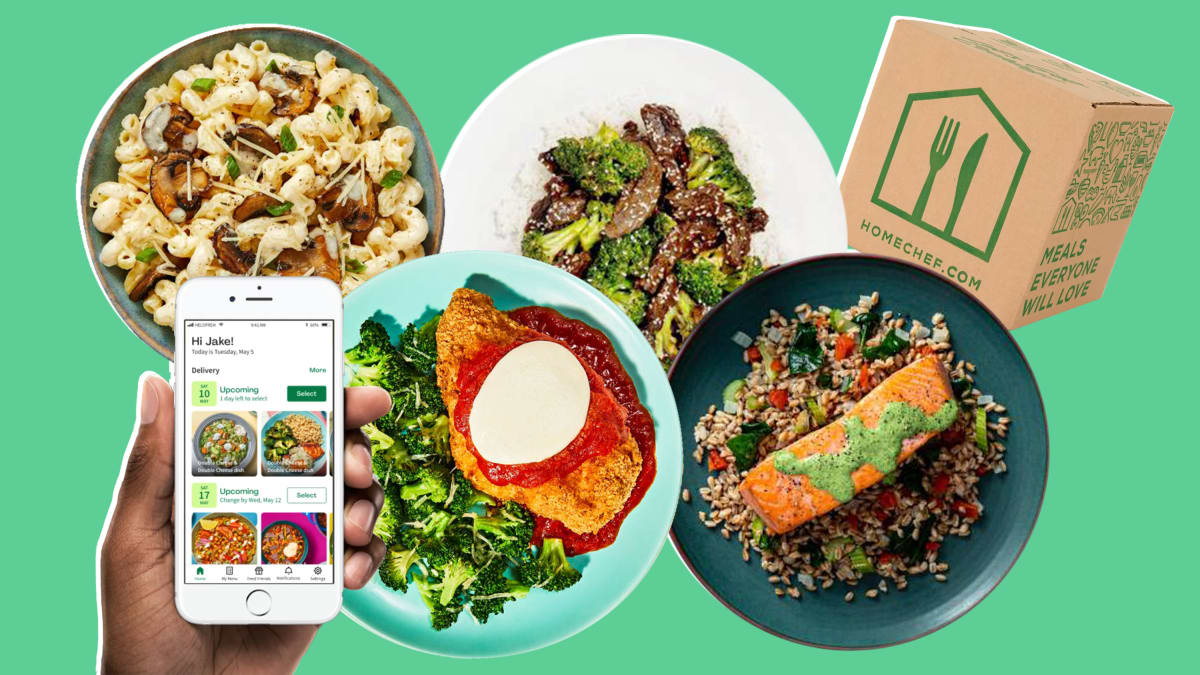
Home cooking is experiencing a renaissance thanks to meal-kit delivery. By shipping pre-portioned ingredients and clear recipes straight to the doorstep, these services blend convenience with creativity, letting anyone whip up restaurant-style dishes without leaving the kitchen. This overview traces how the model grew, the ripple effects across the food ecosystem, and the trends now steering its next phase.
The Evolution of Meal-Kit Delivery
1. From Take-Out to Cook-Along
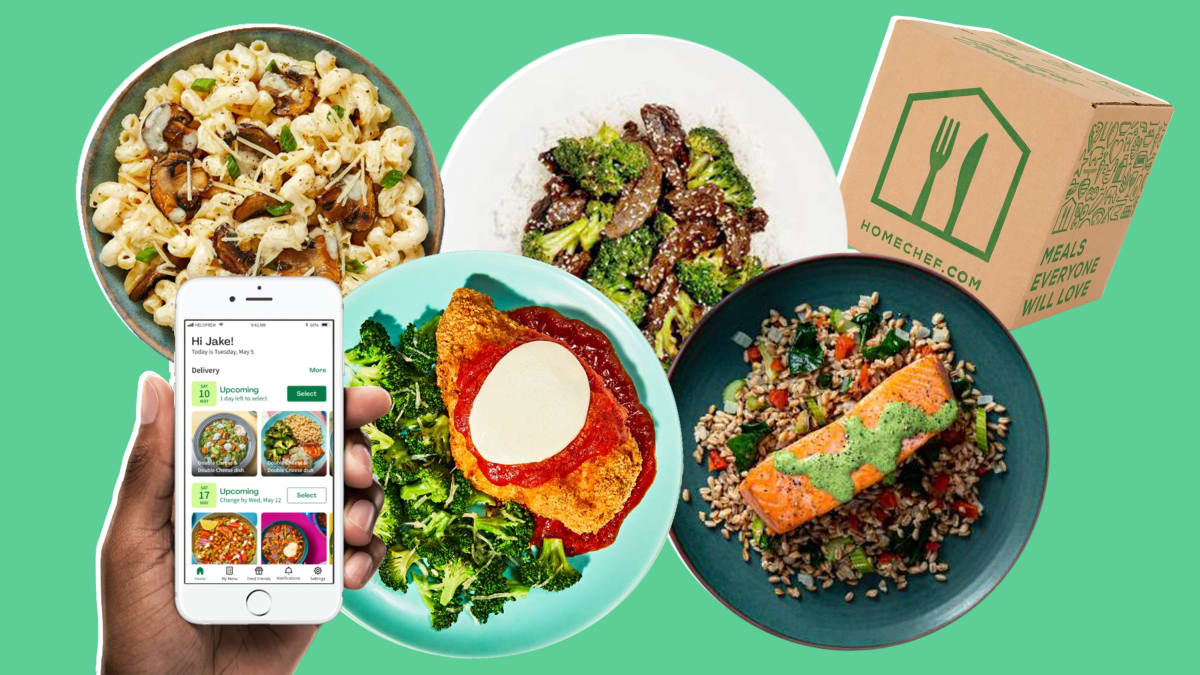
Earlier, dinner at home often meant dialing a nearby restaurant and waiting for a lukewarm container to arrive. Tasty, yes, but fixed menus left little room for dietary tweaks or culinary experimentation.
2. The Shift to DIY Kits
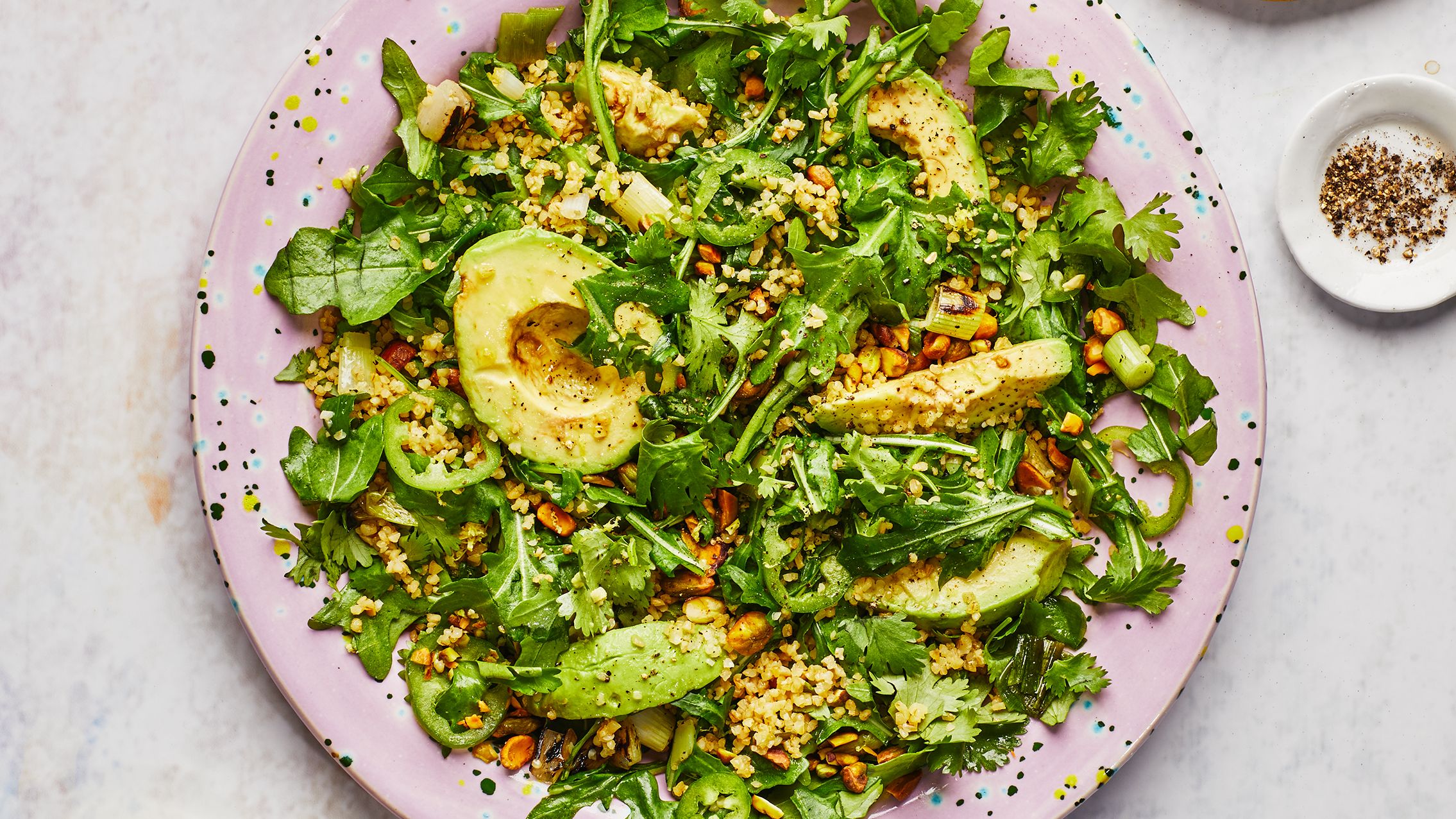
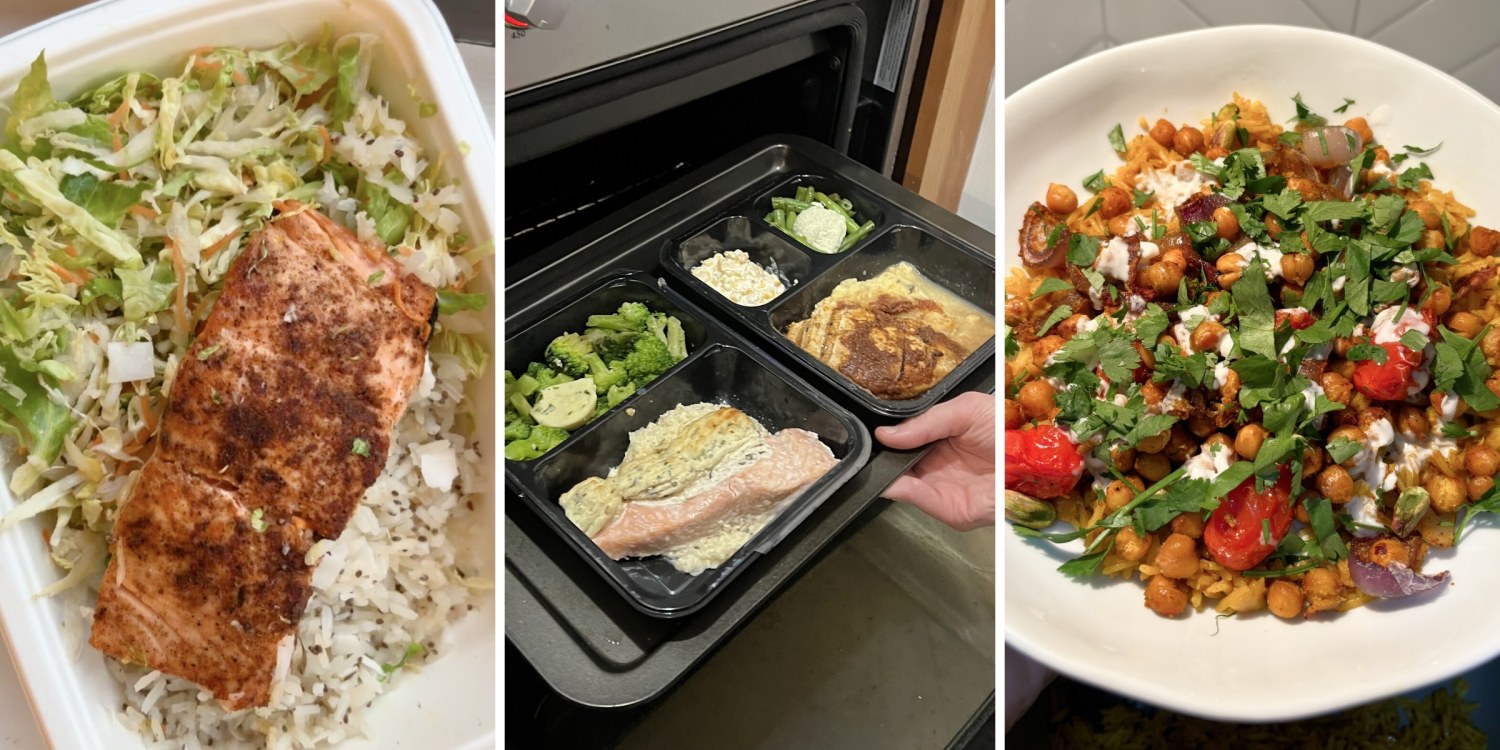
Enter the cook-it-yourself box: chilled proteins, vibrant produce, and step-by-step cards arriving like a weekly gift. The format appeals to time-pressed professionals, curious novices, and seasoned cooks eager to skip grocery lines while still controlling salt, spice, and portion size.
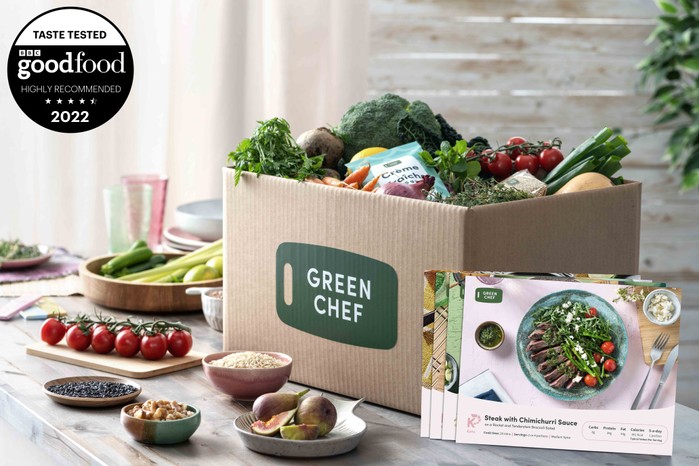
The Impact on Everyday Eating
1. Convenience Without Compromise
A few taps on a phone schedule a box that lands before the workweek begins. No list-making, no impulse buys, no wondering what to do with half a bunch of cilantro—just open, cook, and eat.
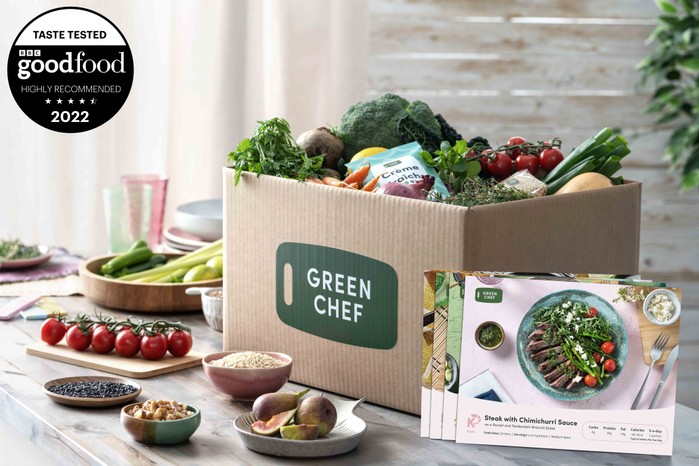
2. A Passport to New Flavors
Weekly menus rotate through global cuisines, plant-forward plates, and kid-friendly twists. Exposure to unfamiliar spices or heirloom vegetables encourages eaters to broaden palates and recreate favorites later on their own.
3. Tailored to Taste
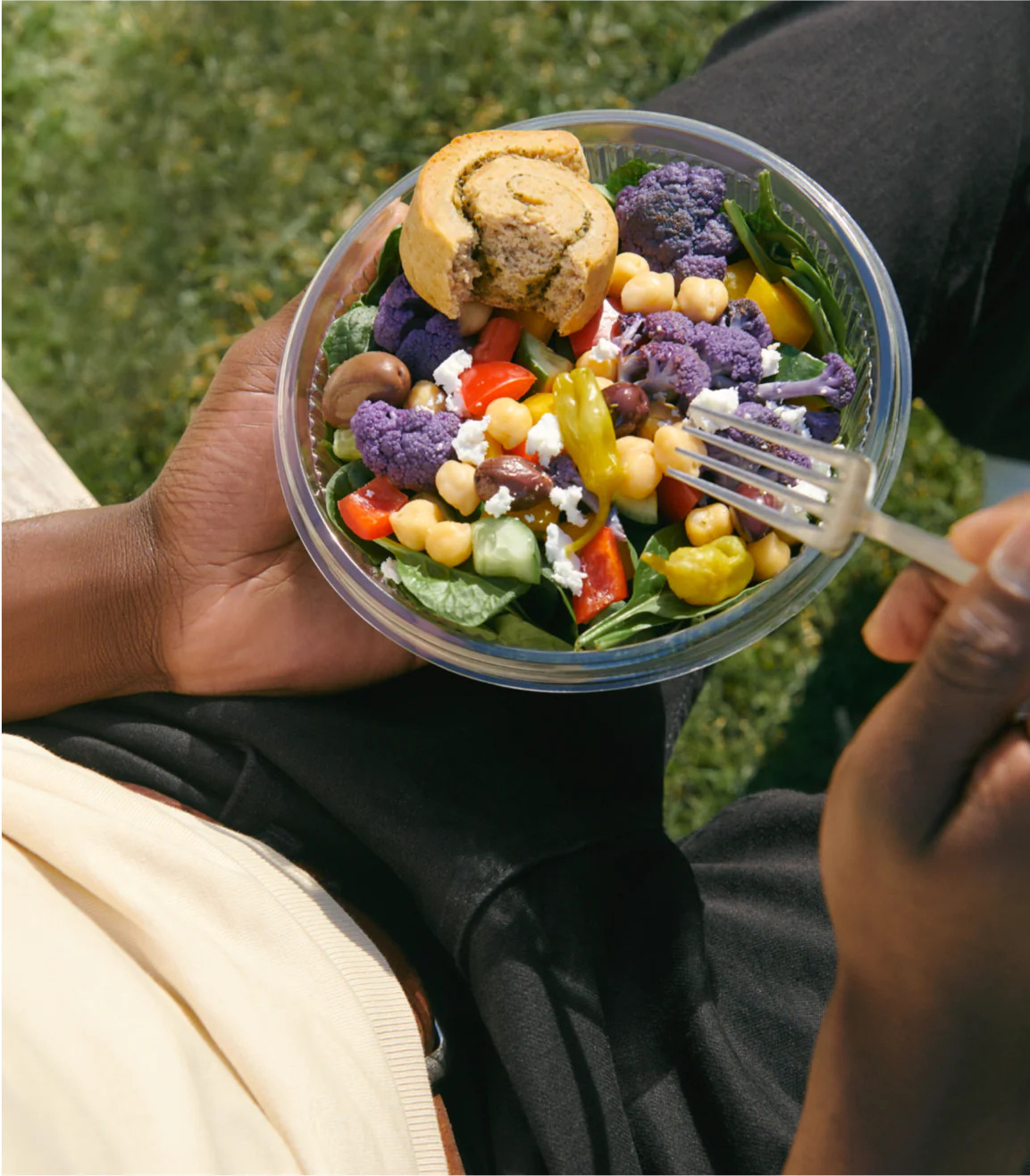
Filters for vegetarian, high-protein, dairy-free, or calorie-smart meals let households stay aligned with wellness goals or ethical choices, turning restrictive diets into discovery rather than deprivation.
Market Momentum
1. Rapid Expansion
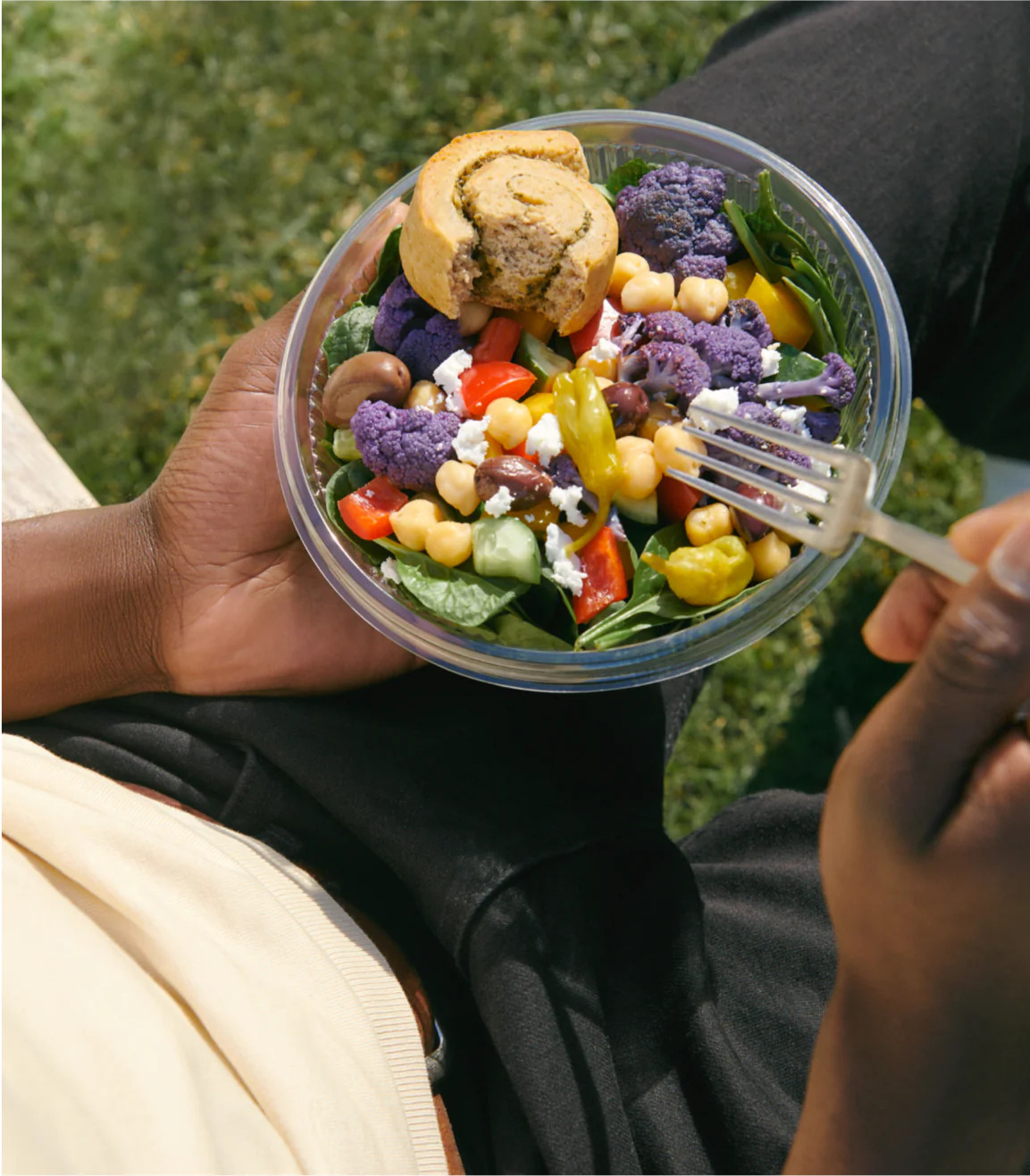
Industry watchers note double-digit annual growth as more shoppers swap grocery aisles for curated boxes, a pattern accelerated by flexible subscriptions and competitive pricing.
2. Happy Cooks, Repeat Orders
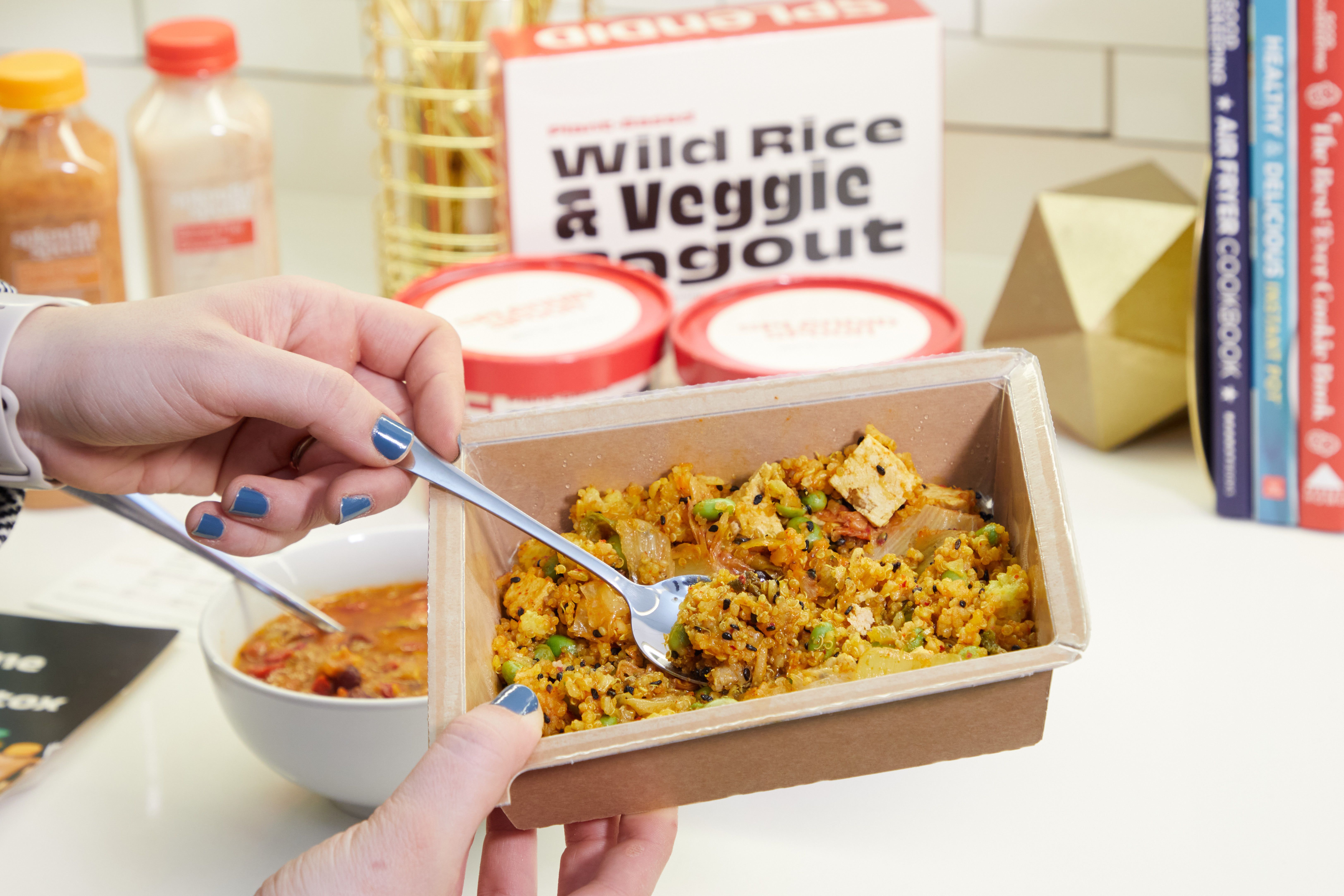
Surveys repeatedly show strong approval ratings for recipe clarity, ingredient freshness, and the fun factor—key drivers behind high retention and word-of-mouth recommendations.
Hurdles and Horizons
1. Persistent Hurdles
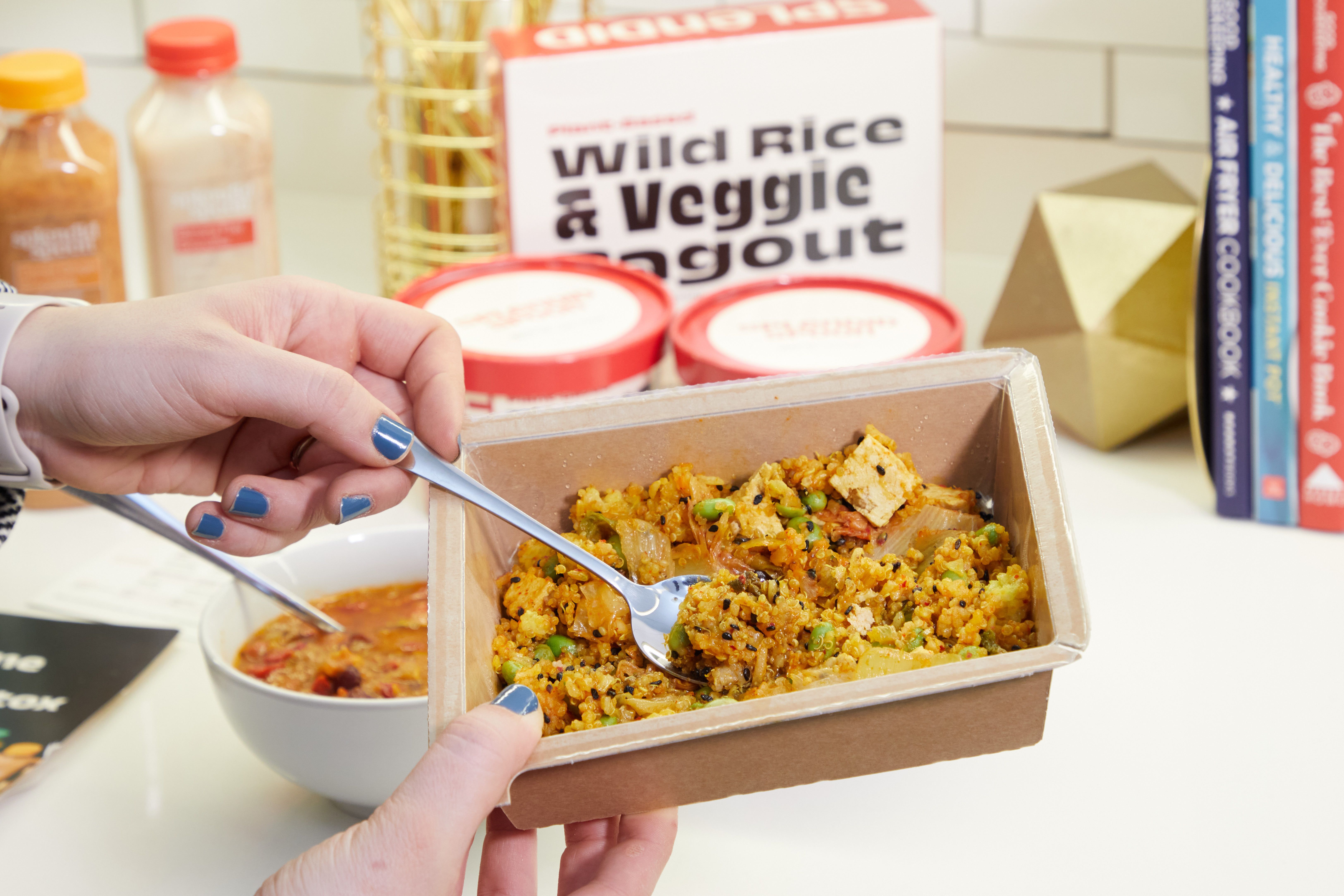
Keeping perishables at safe temperatures, forecasting demand to limit waste, and balancing shipping costs with eco-friendly packaging remain daily puzzles for providers.
2. Emerging Directions
– Smarter Customization: Apps that learn flavor likes and suggest menus accordingly.
– Greener Logistics: Insulated liners made from recycled denim and regional sourcing to trim food miles.
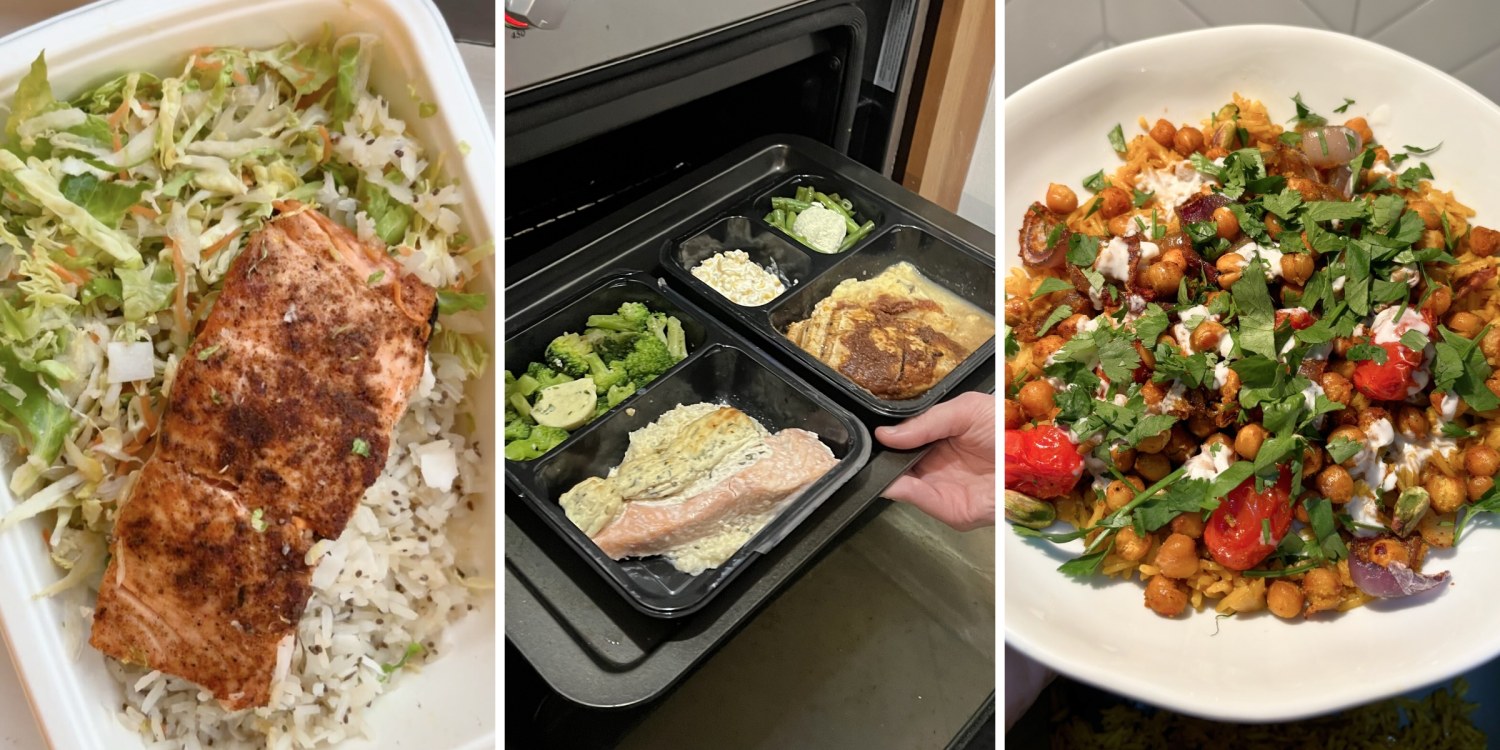
– Wellness Focus: Kits aligned with heart-healthy, low-sugar, or athlete-friendly guidelines.
Conclusion
Meal-kit delivery has moved from novelty to mainstream by restoring ease, choice, and creativity to weeknight dinners. As technology refines personalization and sustainability climbs the priority list, the sector is set to keep transforming how ingredients journey from farm to fork—and how people fall in love with cooking all over again.
Recommendations and Future Research
To keep momentum alive, services can:
– Upgrade digital tools for seamless scheduling and real-time delivery tracking.
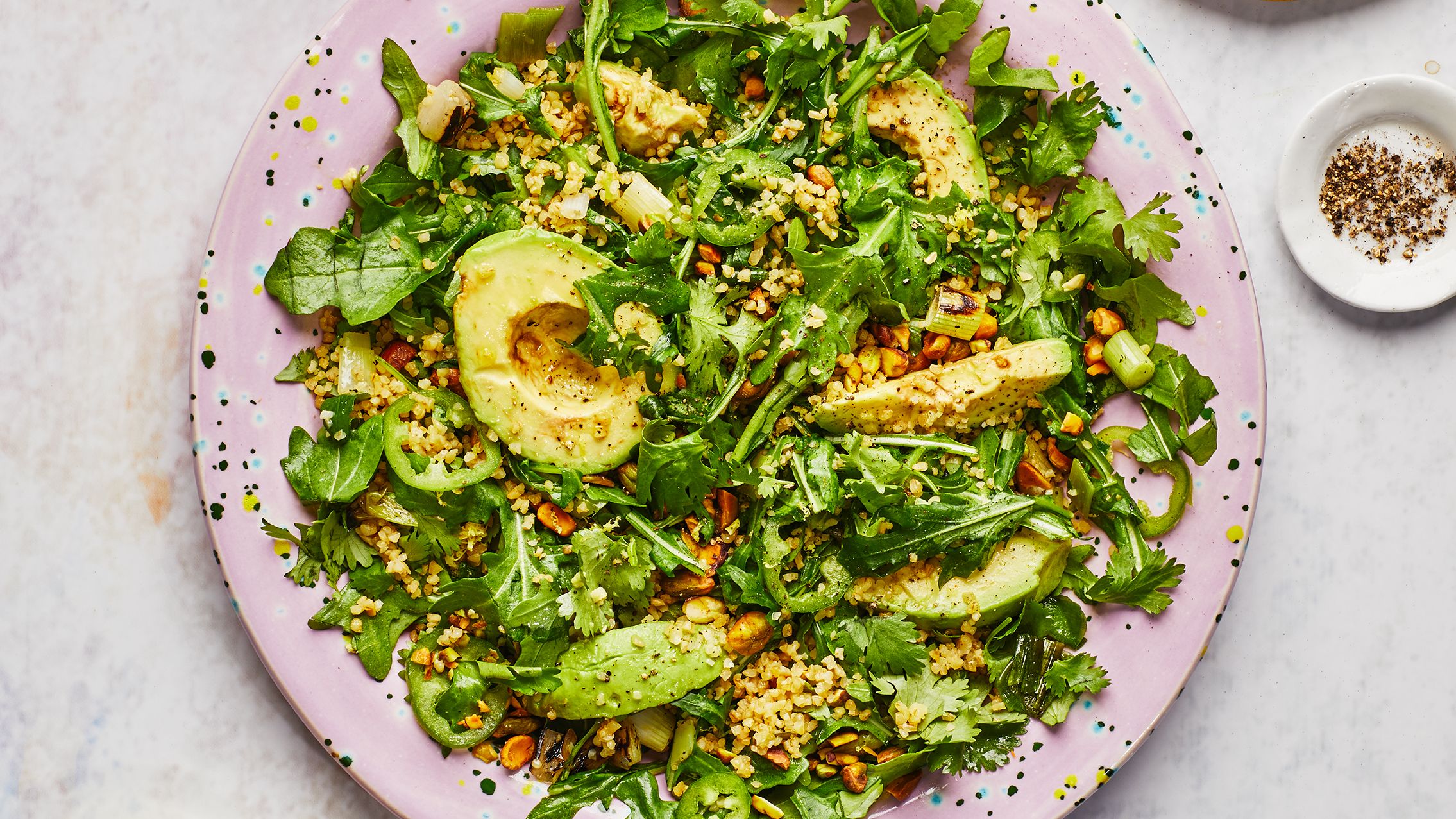
– Deepen ties with regional growers for fresher produce and stronger local economies.
– Expand medically tailored offerings that support specific health journeys.
Continued study into long-term consumer habits, environmental footprints, and packaging innovations will help the industry stay responsive, responsible, and ready for the next kitchen revolution.