









Title: Digital Recipe Libraries: Reshaping How We Cook
Introduction:

The way people explore food has shifted dramatically thanks to digital recipe libraries. These online collections have changed how home cooks and professionals alike find inspiration, learn techniques, and exchange ideas. This piece looks at how these platforms influence modern cooking, the advantages they bring, and the questions they raise.
What are Digital Recipe Libraries?
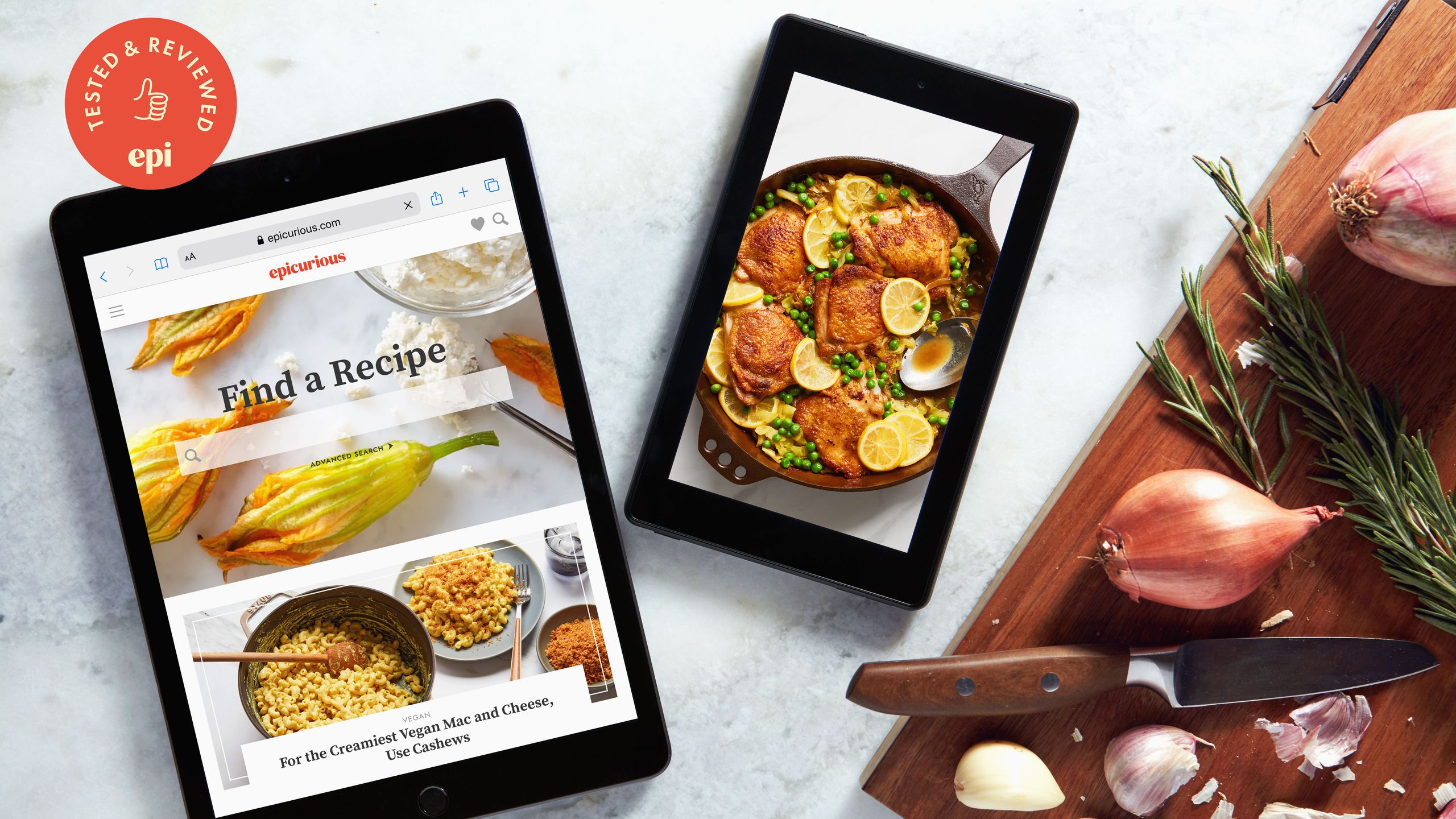
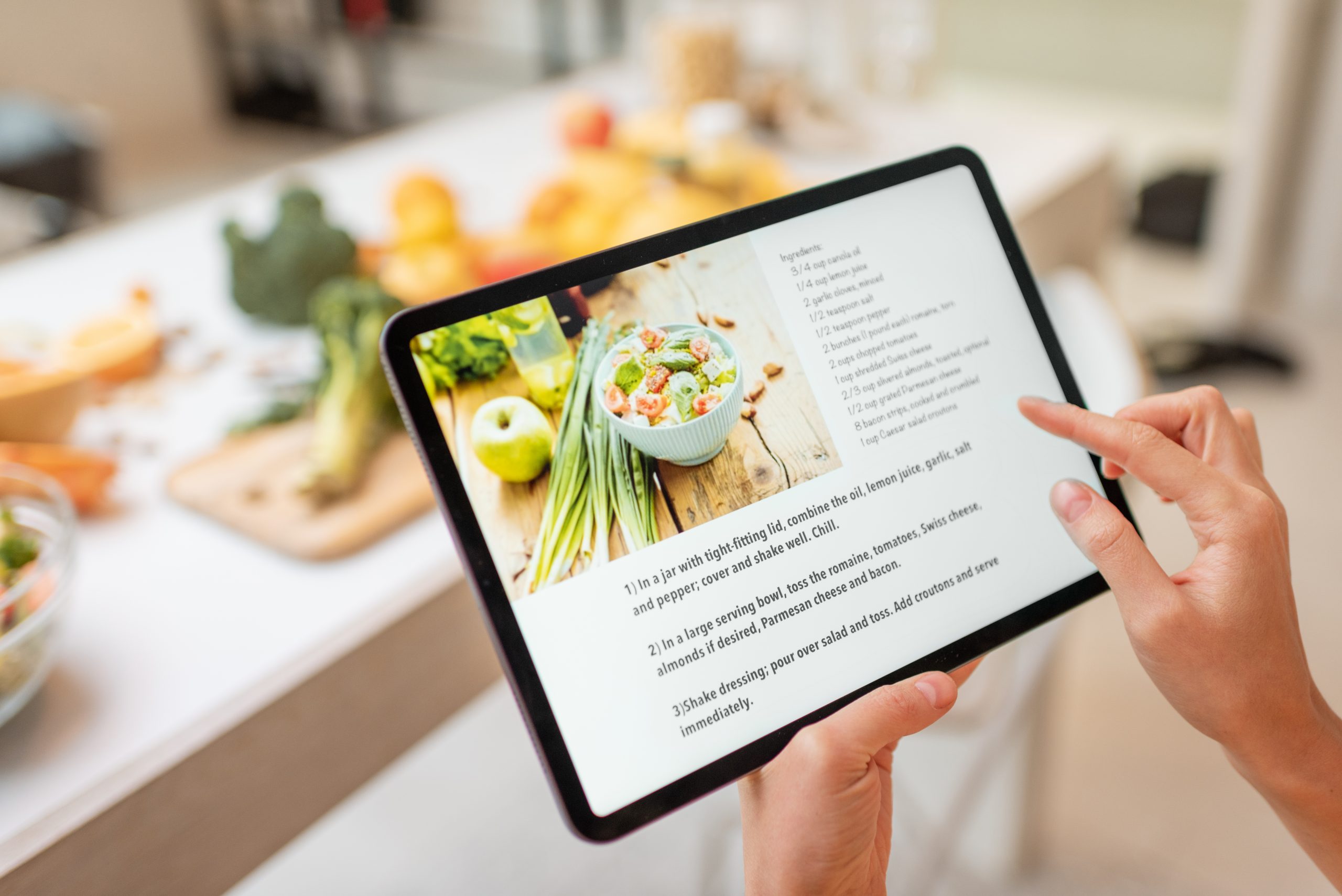
Digital recipe libraries are web-based or app-based collections that store thousands of dishes, tutorials, and tips. Users can filter by ingredient, cuisine, or lifestyle need, and enjoy extras such as step-by-step videos, ratings, and sharing tools that turn cooking into a social experience.
The Benefits of Digital Recipe Libraries
1. Accessibility: A world of flavors is available instantly, removing the limits of shelf space or geography.
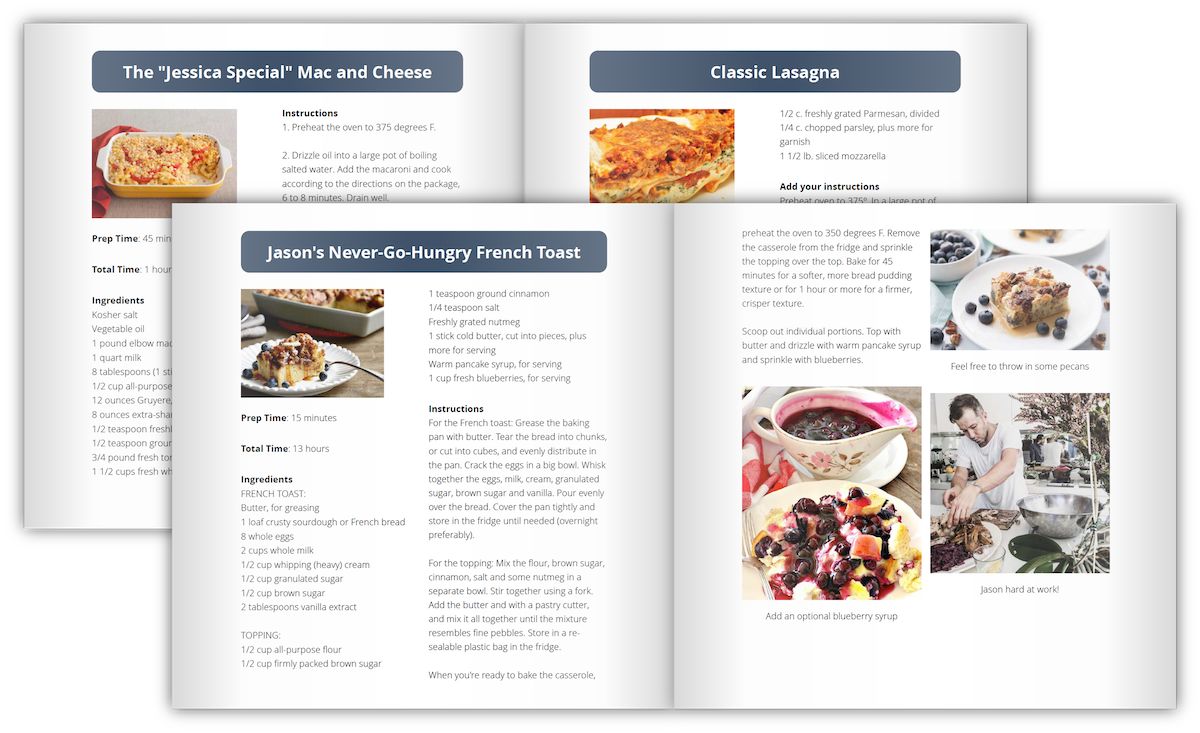
2. Convenience: Search, review, and build shopping lists in one place, streamlining meal planning.
3. Interactive Guidance: Short clips demonstrate knife skills or tricky methods, while comment sections let cooks swap tweaks and praise.
4. Dietary Flexibility: Filters for plant-based, gluten-free, or lower-sugar diets help everyone find suitable meals.
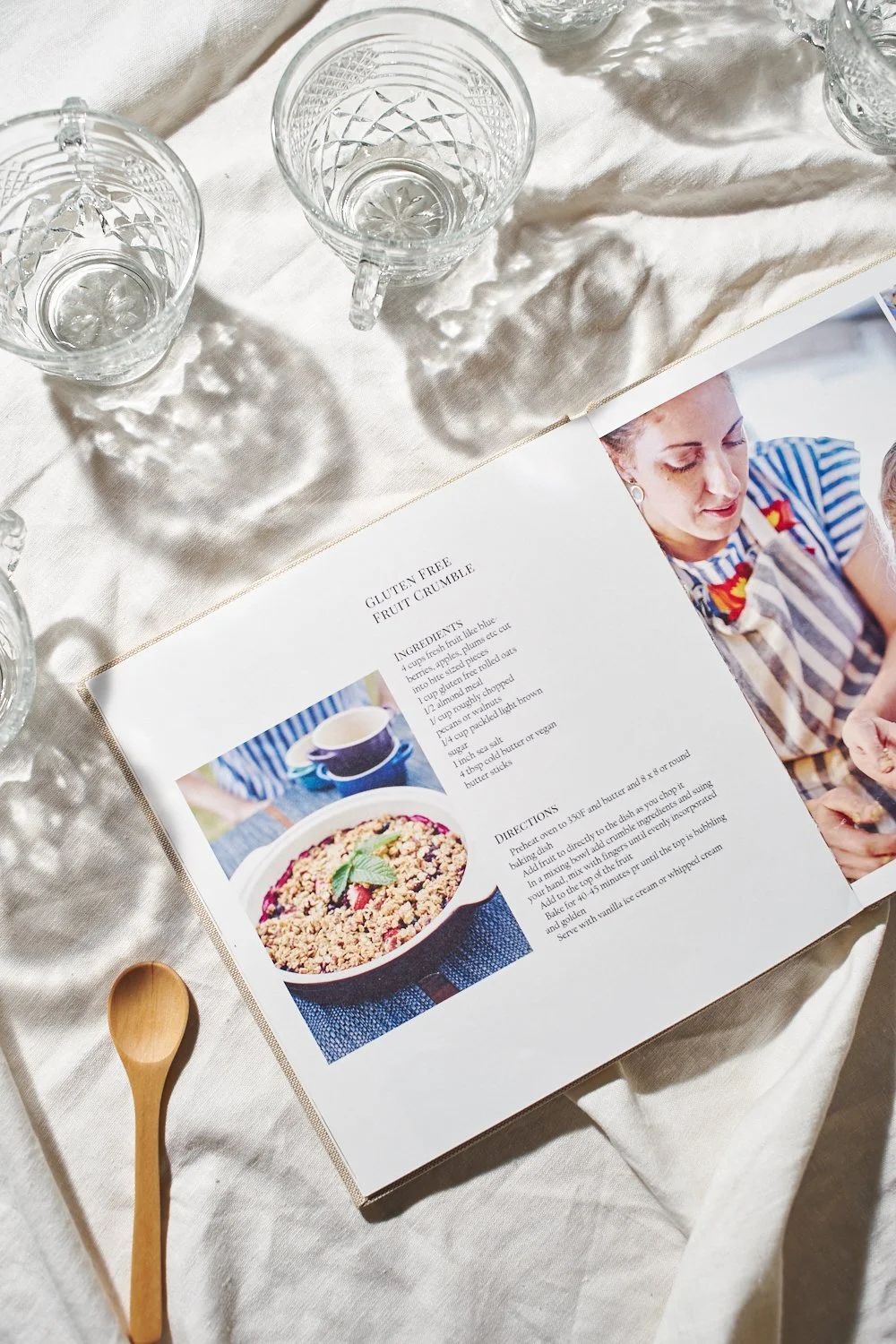
5. Affordability: Many services are free or low-cost, offering more variety than a stack of printed books.
The Impact on Modern Cooking
1. Broader Discovery: Cooks encounter dishes they might never have tasted, widening palates and encouraging experimentation.
2. Skill Building: Articles and videos explain why techniques work, turning curious beginners into confident cooks.
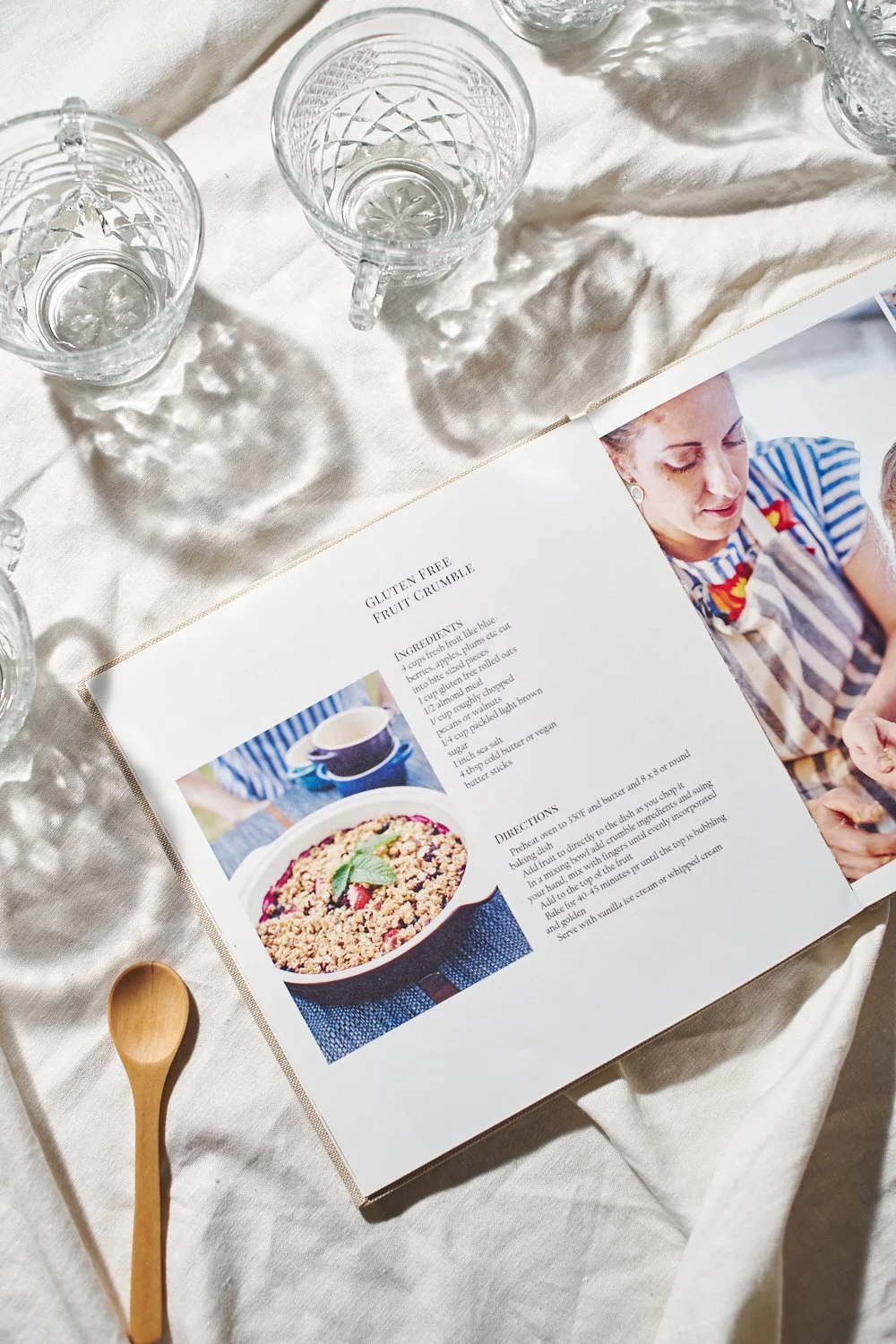
3. Shared Enthusiasm: Forums and photo feeds create lively spaces where tips, triumphs, and even failures are celebrated.
4. New Ventures: Food writers, chefs, and bloggers can reach global audiences, offering classes or exclusive content.
5. Creative Crossovers: Easy idea exchange sparks fusion projects and fresh twists on timeless classics.
Challenges and Concerns
1. Reliability: With countless contributors, some instructions lack testing; users should cross-check and trust reputable sources.
2. Ownership: Recipes spread quickly, so creators must consider how to protect and credit original work.
3. Respectful Sharing: Highlighting the background of regional dishes fosters appreciation rather than misrepresentation.
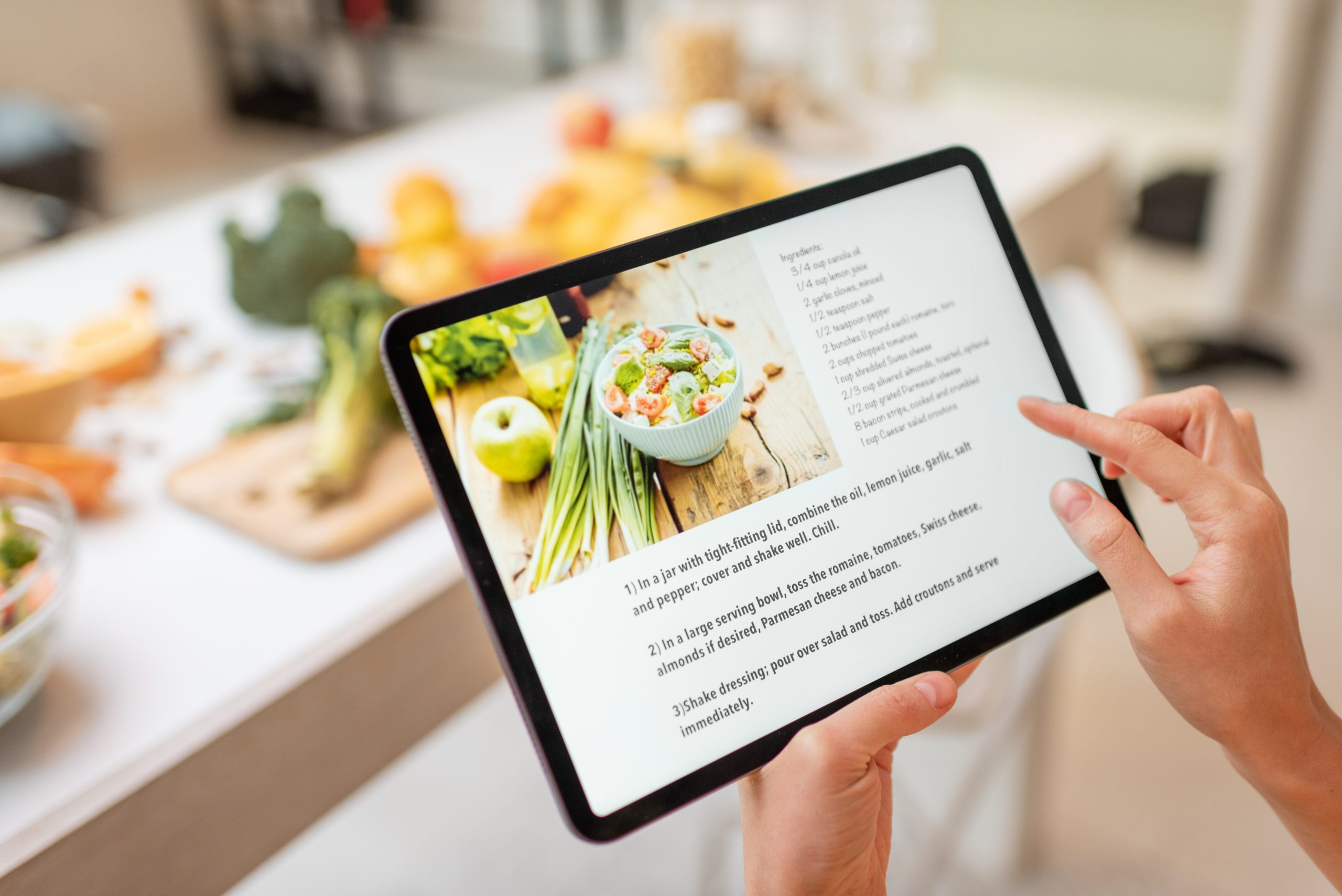
4. Safety: Guidelines on cooking temperatures and allergen handling should always accompany any recipe.
Conclusion:
Digital recipe libraries have transformed kitchens everywhere by putting inspiration, education, and community a tap away. While questions of accuracy and cultural respect remain, the benefits of wider access and creative energy are hard to ignore. As these platforms grow, balancing open innovation with thoughtful stewardship will keep the culinary conversation both exciting and responsible.