






















The Importance of Daily Meals in Human Nutrition
Introduction

Everyday meals—everything we eat at breakfast, lunch, and dinner—form the backbone of a nutritious diet. They deliver the fuel and building blocks the body needs to stay energetic, repair itself, and feel its best. This article explains why balanced meals matter, how they protect health, and how simple habits around eating can raise overall well-being.
The Role of Daily Meals in Human Nutrition
Nutritional Value of Daily Meals

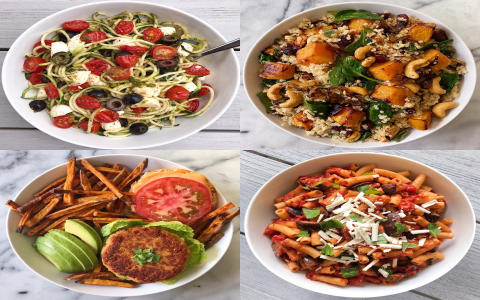
Well-planned meals supply carbohydrates for energy, protein for growth and repair, healthy fats for hormone balance, plus vitamins and minerals that keep countless body processes running smoothly. A plate that mixes whole grains, colorful produce, lean protein, and a little plant-based fat offers a spectrum of nutrients in one sitting.
Meal Patterns and Health
Eating at roughly the same times each day helps steady blood sugar, curbs impulsive snacking, and supports a healthy weight. Skipping meals, by contrast, can trigger energy dips, overeating later, and gradual weight gain. Studies link consistent meal timing with better metabolic health and lower risk of obesity, type 2 diabetes, and heart problems.

Components of Daily Meals
Carbohydrates
Carbs remain the body’s preferred energy source. Whole-grain breads, brown rice, oats, fruits, and legumes release glucose slowly, keeping energy levels even and delivering fiber that supports digestion and fullness.

Proteins
Protein maintains and rebuilds muscles, skin, and enzymes. It is found in fish, poultry, eggs, dairy, tofu, beans, lentils, nuts, and seeds. Spreading moderate portions across the day supports muscle upkeep, especially as we age.
Fats

Fats aid vitamin absorption and hormone creation. Nuts, seeds, avocado, olives, and oily fish provide mostly unsaturated fats that benefit the heart. Limiting processed foods rich in saturated and trans fats keeps the lipid profile in a healthy range.
Vitamins and Minerals
These micronutrients power immunity, bone strength, and energy production. A rainbow of fruits and vegetables, along with whole grains and dairy or fortified alternatives, covers most daily needs. Short gaps can be filled with sensible choices such as fortified plant milks or a handful of nuts.

Conclusion
Thoughtful meals are the simplest daily investment in long-term health. Balancing food groups, eating at regular times, and favoring minimally processed options lower chronic-disease risk and lift quality of life. Staying curious about new recipes and updated guidelines keeps this everyday habit fresh and effective.
Recommendations and Future Research

Practical steps everyone can try:
1. Build plates that include grains, produce, protein, and healthy fat at each meal.
2. Set consistent meal times and keep wholesome snacks on hand to avoid long fasting windows.

3. Learn basic nutrition labels and cooking skills to make healthier choices easier and cheaper.
Areas worth more study:
1. How different meal frequencies affect weight, mood, and blood markers over decades.

2. Which whole-food combinations best lower risk of diabetes and heart disease across diverse populations.
3. Creative community programs that make balanced meals more accessible and appealing to busy families.