












The Art and Science of Cooking: A Comprehensive Guide
Introduction
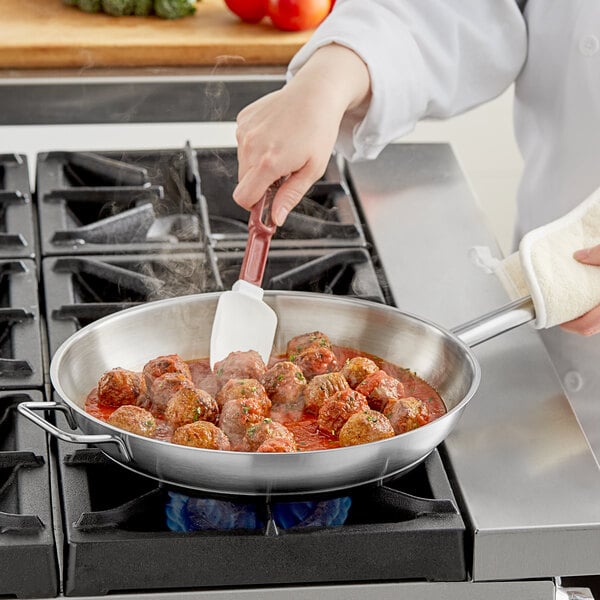
Cooking is a universal skill that bridges cultures and generations. It is more than sustenance; it is a creative act that can comfort, celebrate, and inspire. Whether assembling a quick breakfast or crafting an elaborate dinner, the cook balances intuition, knowledge, and care. This guide walks through the key ideas behind great cooking, from choosing ingredients to presenting the final plate.
The Basic Principles of Cooking
Understanding Ingredients
Every dish begins with what you bring to the kitchen. Color, aroma, and feel all hint at freshness and flavor. Produce picked in season offers brighter taste and denser nutrients, while pantry staples such as grains and pulses supply steady energy and body. Learning how each item behaves—how an onion softens, how fat carries scent, how acid lifts richness—lets you build harmony on the plate.
Heat and Temperature Control
Heat is the quiet partner that turns raw into remarkable. Direct flame sears surfaces, locking in juices; gentle oven warmth roasts them evenly; steam keeps colors vivid and vitamins intact. Matching the level of heat to the ingredient—flash for tender greens, patience for tough cuts—prevents waste and rewards you with deeper flavor.
Cooking Techniques
There are countless ways to apply heat, each with its own signature:
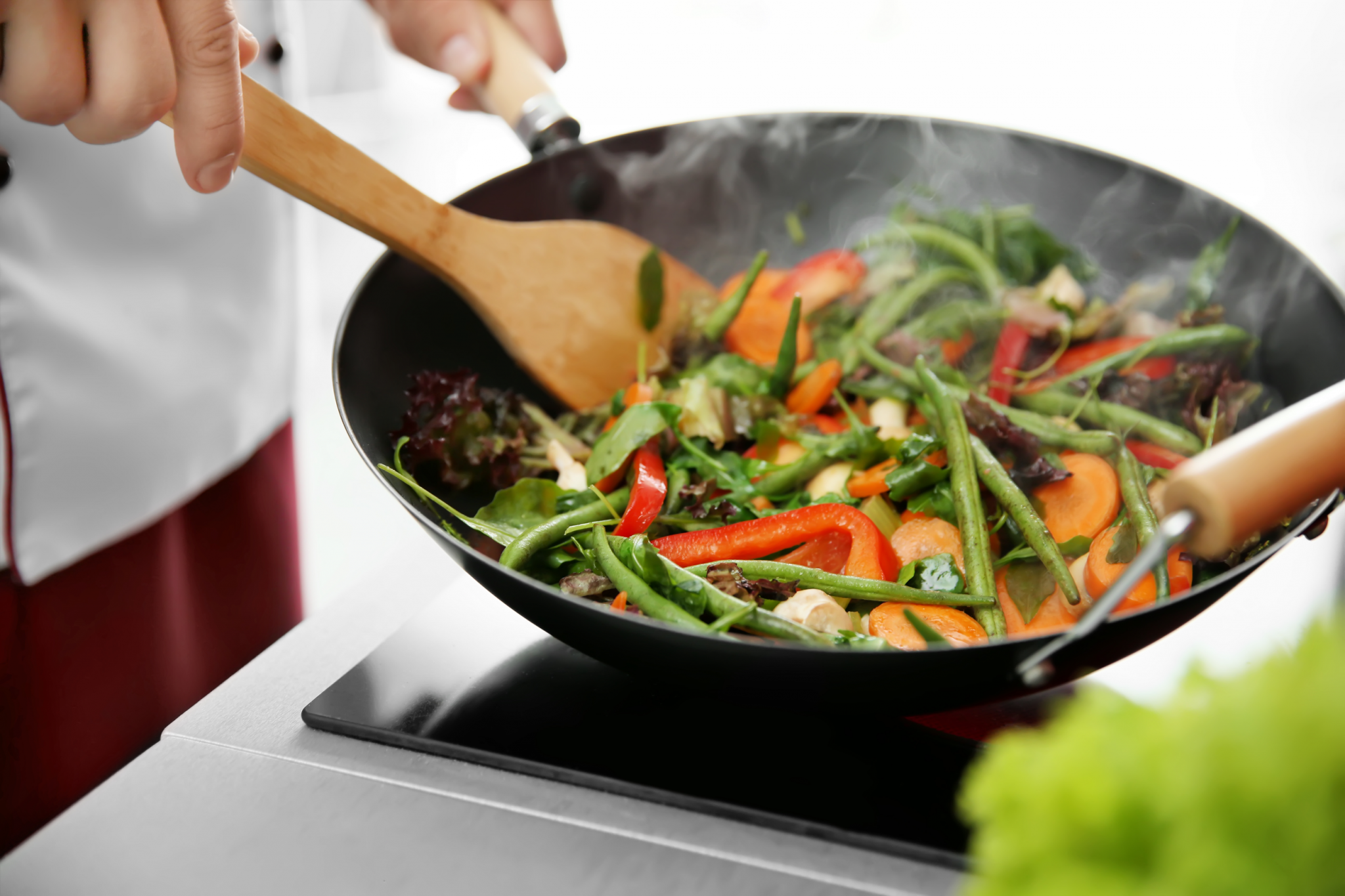
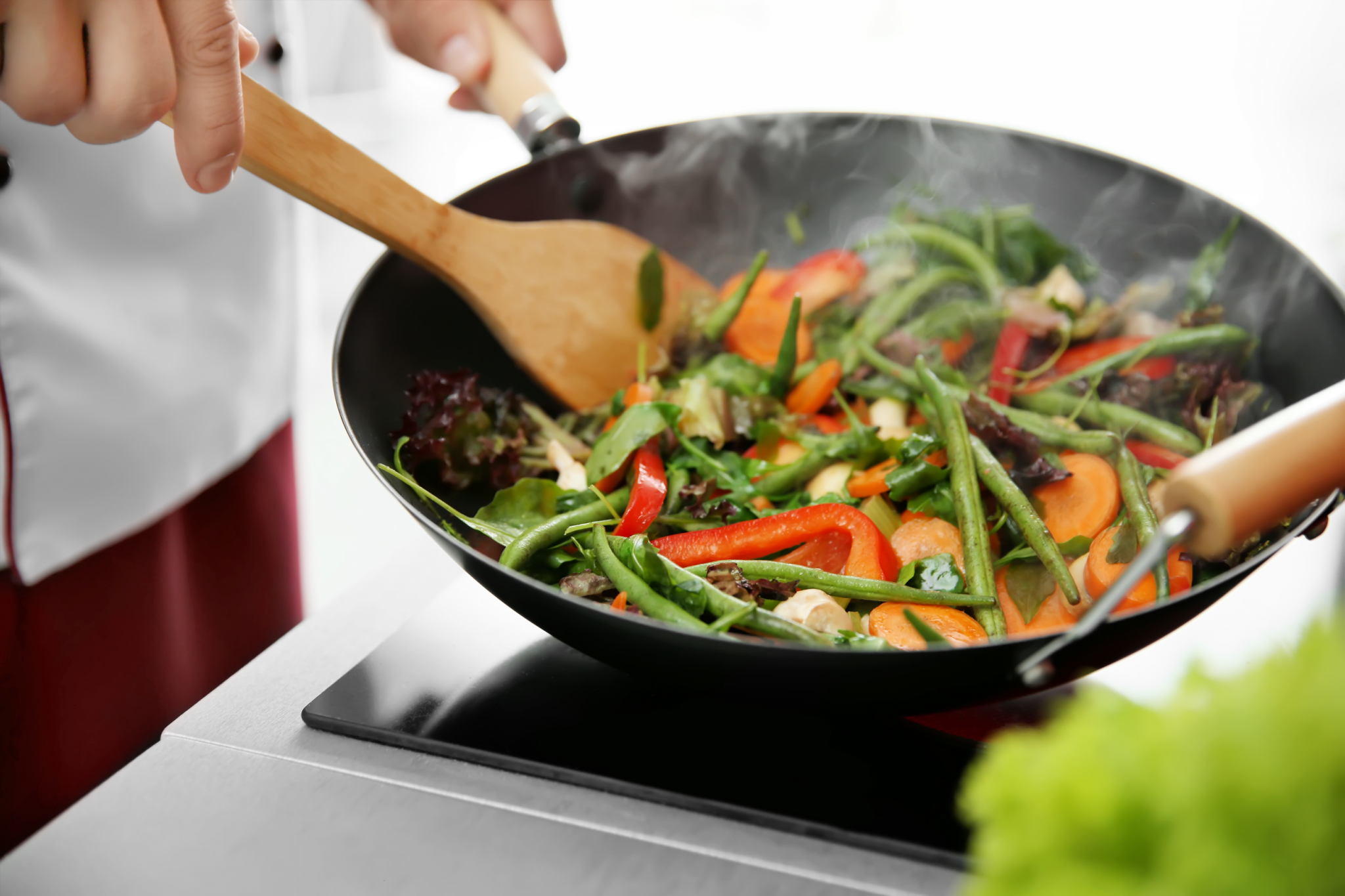
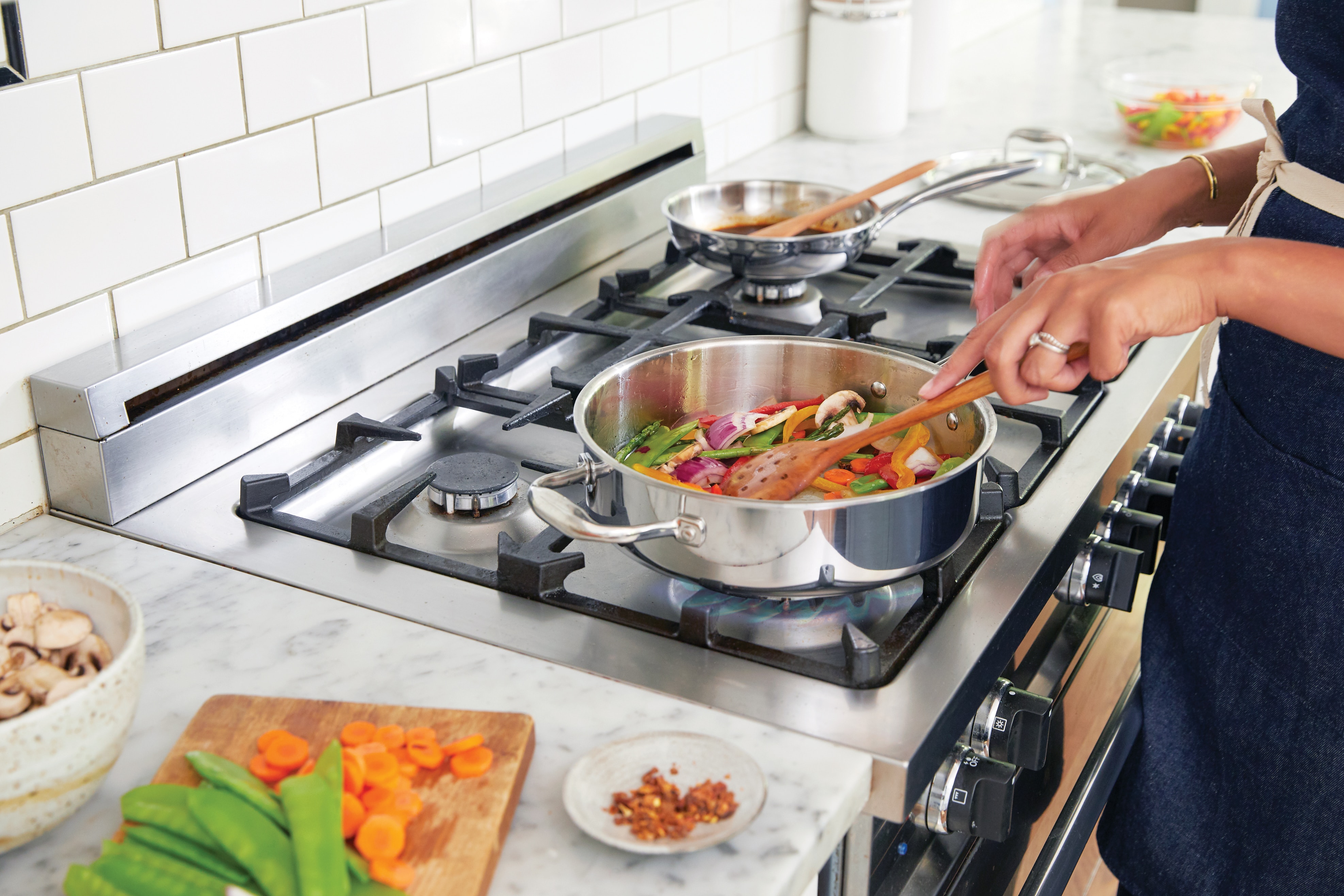
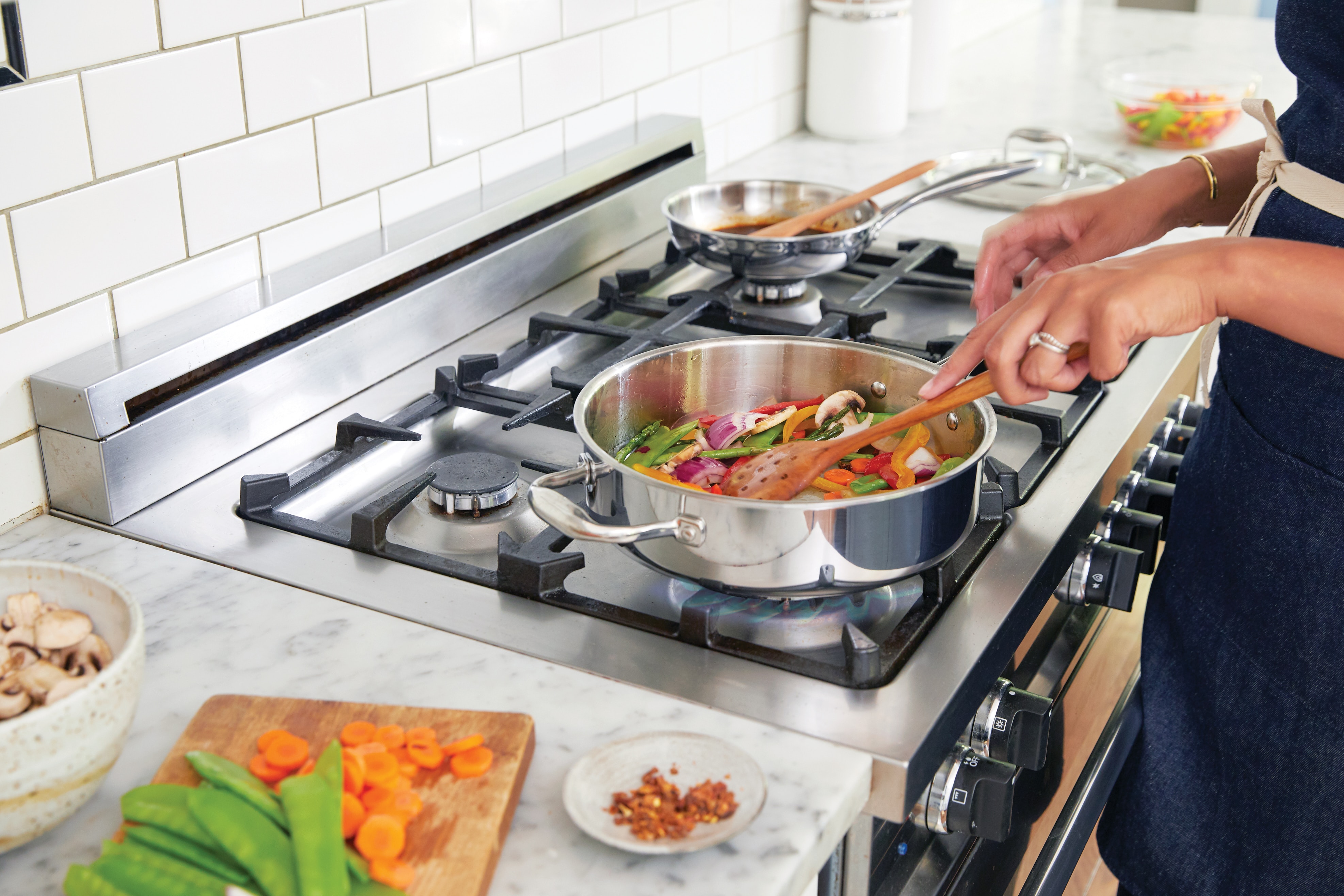
– Sautéing: A swift toss in a hot pan with a thin film of fat, ideal for small cuts that cook quickly.
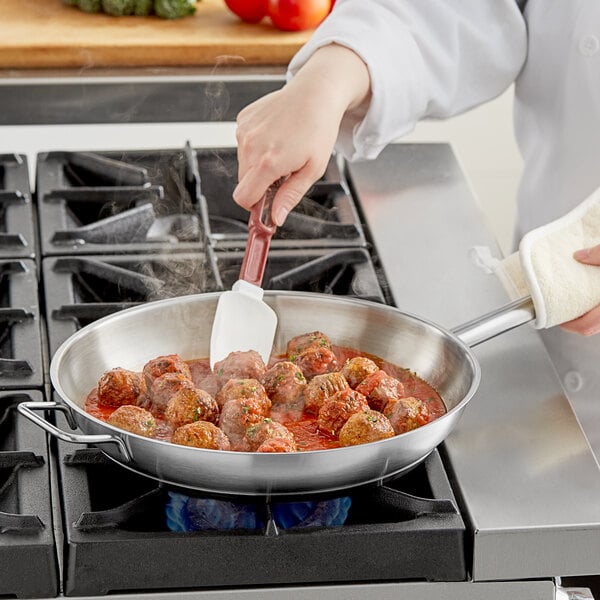
– Braising: A slow simmer in seasoned liquid, transforming tougher pieces into fork-tender bites.
– Roasting: Surrounding food with dry, steady heat to encourage caramelized edges and concentrated taste.
– Grilling: Direct exposure to radiant heat, lending smoky notes and attractive char.
The Science Behind Cooking
Chemical Reactions
Heat triggers visible change because it sparks invisible chemistry. Sugars and amino acids meet under high temperature to create browning and complex aroma. Starches swell and gel, thickening sauces. Proteins unwind and re-coagulate, shifting from translucent to opaque. Recognizing these shifts helps you steer them with confidence.
Texture and Consistency
Mouthfeel can elevate or sink a dish. A quick blanch sets the bright snap in green vegetables, while prolonged simmering softens fibers for silky soups. Emulsions marry oil and water into smooth dressings; gentle reduction concentrates flavor without cloudiness. Mastering these subtle controls turns ordinary recipes into sensory experiences.
Advanced Cooking Techniques
Plating and Presentation
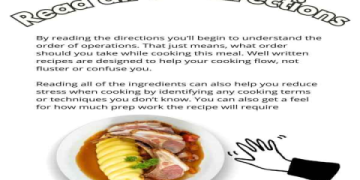
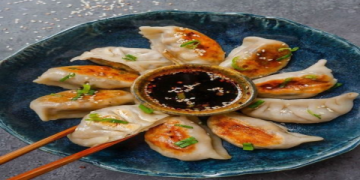
Eating starts with the eye. Thoughtful placement guides the diner’s gaze: height adds drama, odd numbers please the brain, negative space prevents clutter. A final sprinkle of fresh herbs or a stroke of purée can provide color contrast and signal flavor before the first bite.
Molecular Gastronomy
Modern kitchens sometimes borrow tools from the lab. Spherification traps liquids in delicate pearls that burst on the tongue. Rapid chilling creates smooth ice creams in seconds. Aerated foams deliver intense aroma with featherweight texture. These methods do not replace tradition; they expand the vocabulary of possible sensations.
The Importance of Cooking
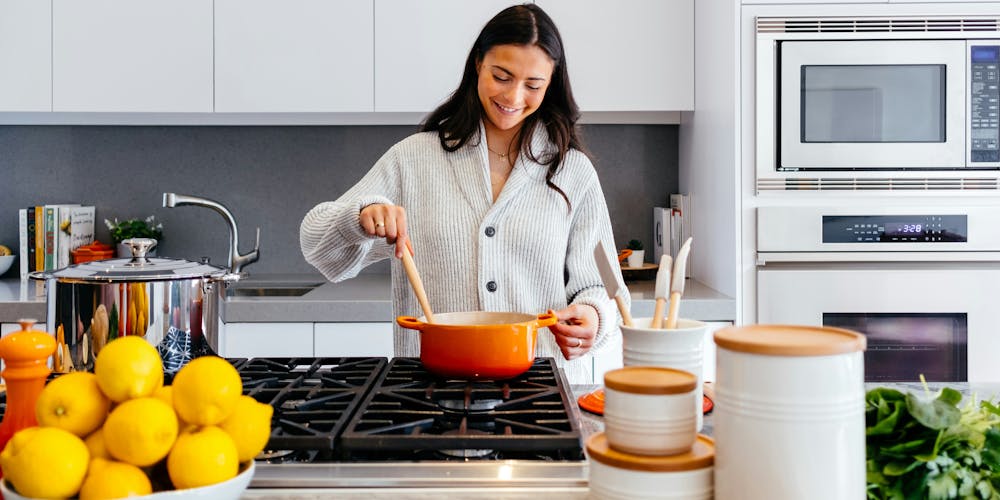
Preparing your own meals nurtures body and mind. It encourages mindful choices, reduces reliance on heavily processed options, and invites experimentation. Sharing what you cook strengthens social bonds, while the act itself can become a daily ritual of creativity and calm.
Conclusion
Cooking remains an ever-evolving blend of craft and curiosity. By respecting ingredients, understanding heat, and refining technique, anyone can turn the kitchen into a place of endless discovery. Each meal becomes a small celebration of possibility—proof that the simple act of feeding ourselves is also a way of shaping the moments we share.