





















Recipes with What I Have in My Kitchen: A Guide to Sustainable Cooking
Introduction
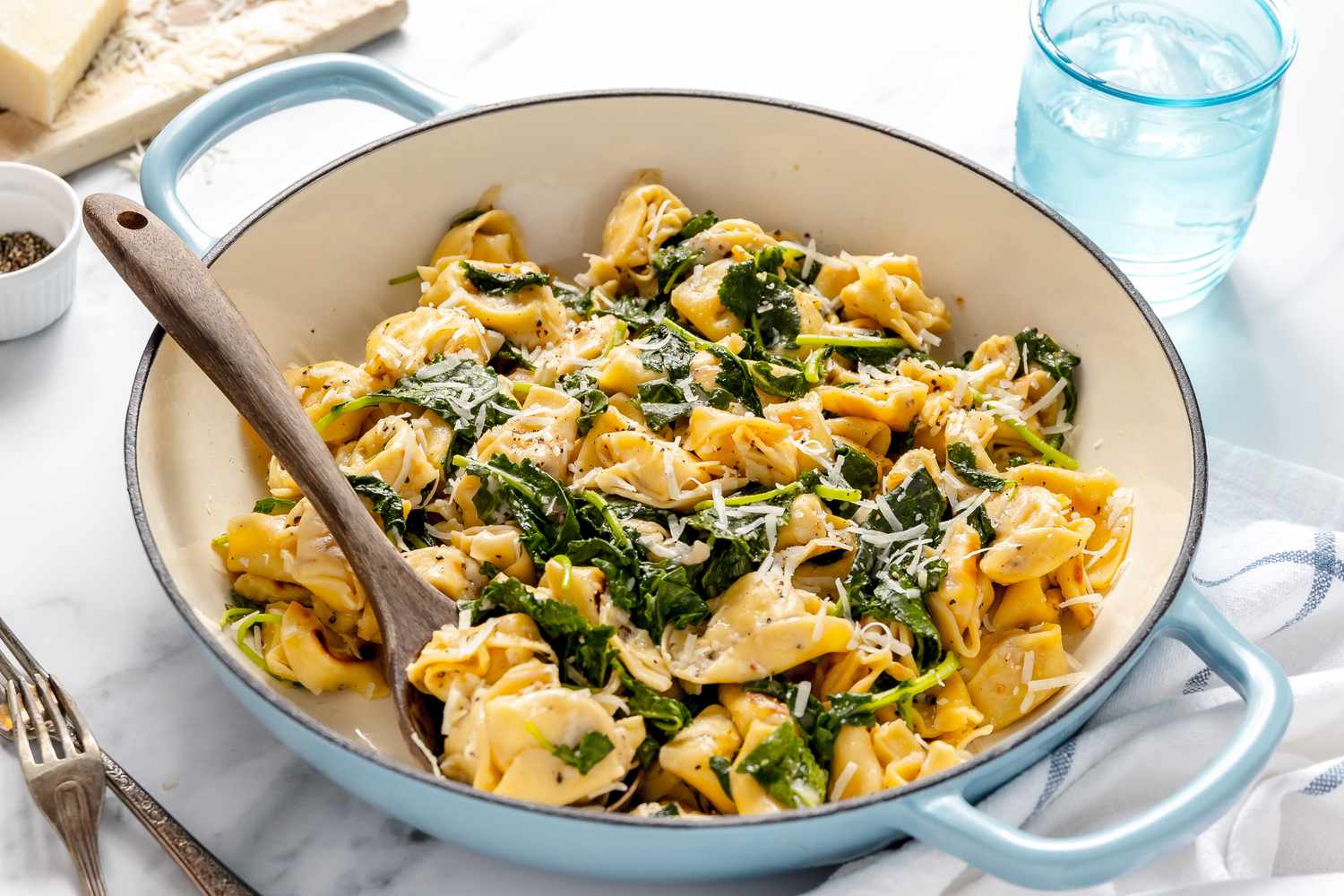
Cooking with what you already have on hand is a practical, planet-friendly way to put dinner on the table without extra shopping trips. This guide shows how everyday staples can become exciting meals, explains the perks of “use-what-you-have” cooking, and shares simple ideas to spark creativity in any kitchen.
The Benefits of Cooking with What You Have
Economic Advantages
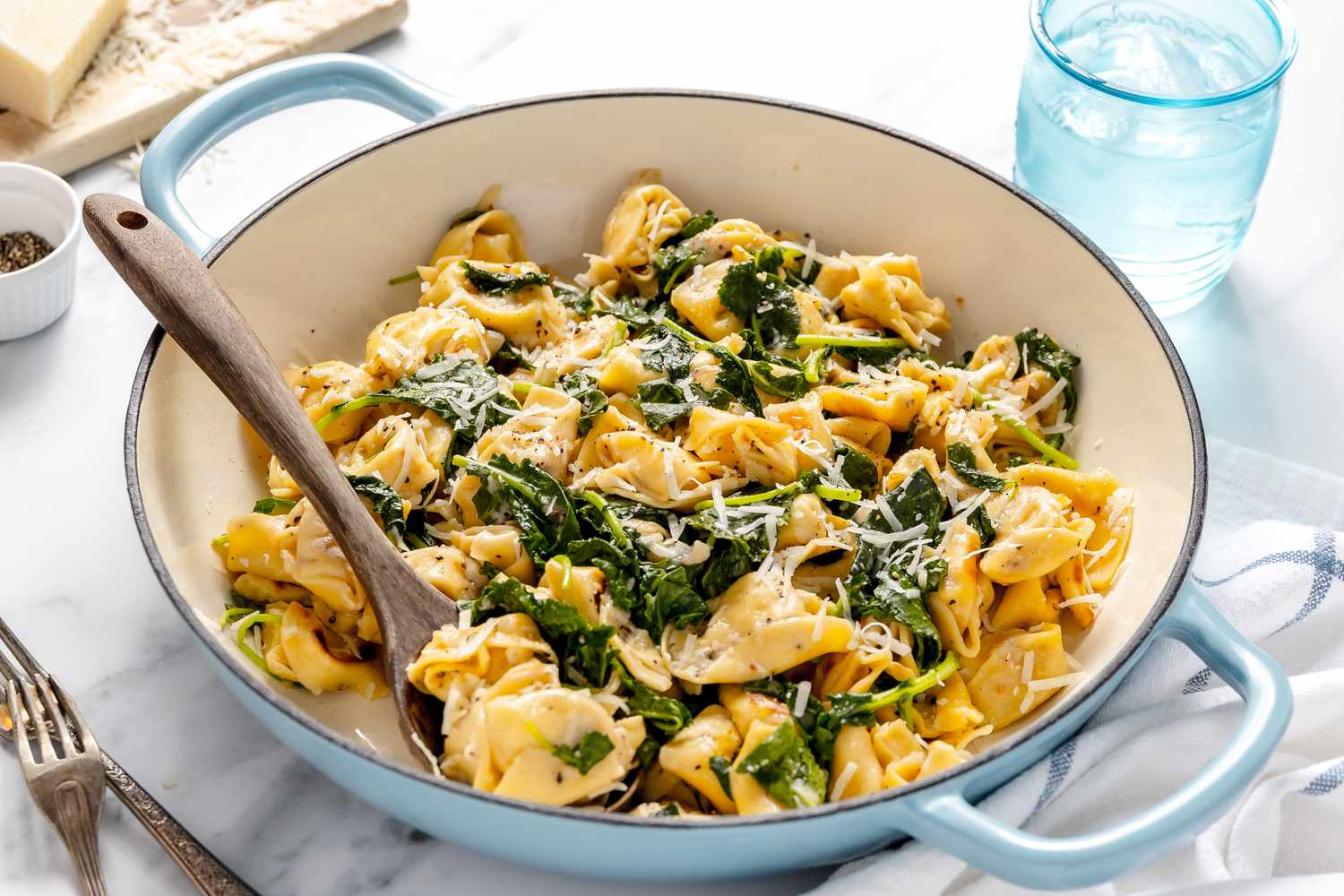
Stretching existing ingredients means fewer impulse buys and lower grocery bills. By turning yesterday’s rice or half-used produce into tonight’s entrée, you keep money in your pocket and reduce the temptation to order take-out.
Environmental Impact
Every dish you build from odds and ends keeps food out of the bin and cuts the energy used for transport, packaging, and refrigeration. Small, daily choices like these add up to a lighter footprint over time.

Nutritional Benefits
Mixing whatever grains, veggies, and proteins you find encourages varied, colorful plates. The wider the assortment on your fork, the broader the range of vitamins and minerals you take in.
Crafting Recipes with What You Have

Assessing Your Ingredients
Open the cupboards and drawers, scan the fridge door, and check the freezer corners. Group items by type—starches, canned goods, fresh produce, flavor boosters—so you can spot possible pairings at a glance.
Utilizing Leftovers
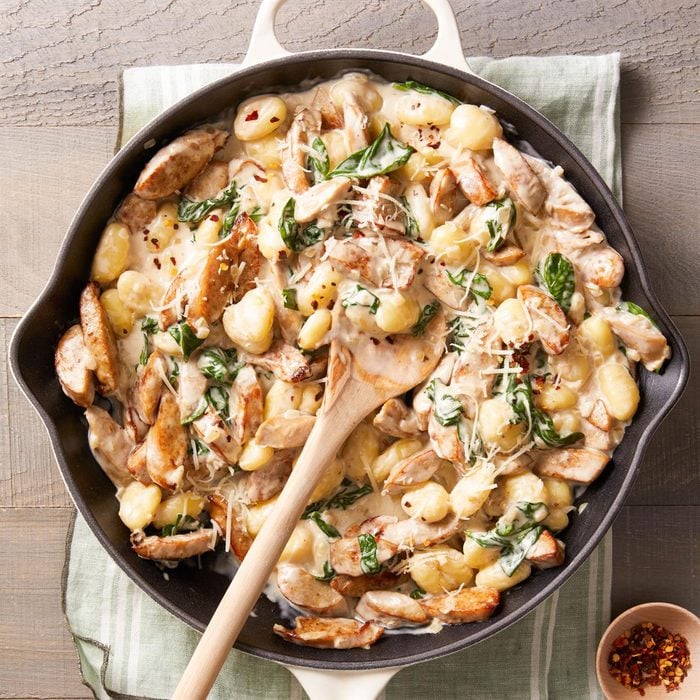
Last night’s roasted vegetables can fill a lunchtime wrap; extra beans can bulk up a soup; a spoonful of salsa can dress a grain bowl. Think of leftovers as pre-prepped components rather than repeat meals.
Incorporating Seasonal Ingredients
Seasonal produce tastes better, costs less, and usually travels shorter distances. Let what’s abundant at the market—or in your garden—guide the menu, then fill gaps with pantry staples.
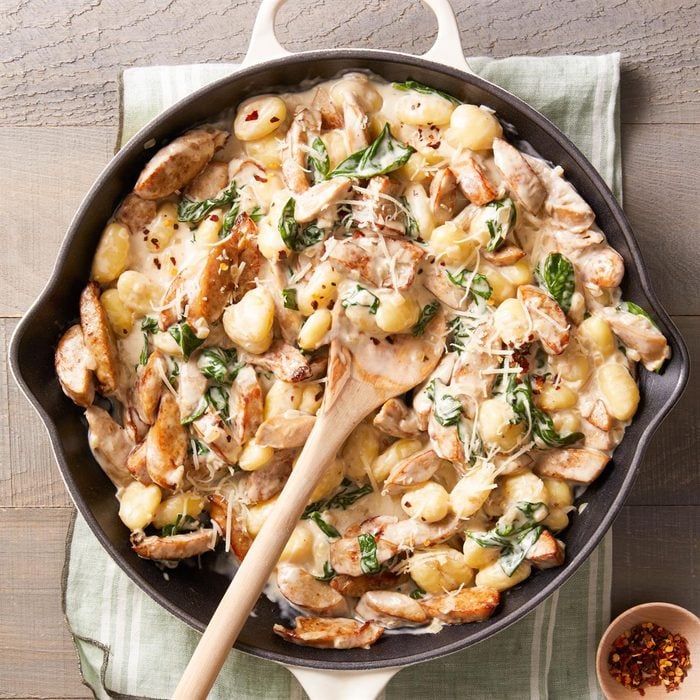
Examples of Recipes with What You Have
Homemade Pizza
Flatbread, pita, or a quick yeast dough all work as the base. Spread any thick sauce—tomato, pesto, or even puréed roasted red pepper—add shredded cheese or a smear of ricotta, then finish with stray olives, greens, or cooked sausage. Bake at a high temperature until the edges crisp and the cheese bubbles.
Quick and Easy Soup
Simmer onions, garlic, and the firmest veggies first in a little oil. Pour in broth or seasoned water, toss in softer vegetables, grains, or noodles, and season with whatever herbs or spices smell inviting. Ten minutes later you have a comforting bowl that cleans out the crisper drawer.

Stir-Fry
Heat a wide pan, add a splash of oil, and sear bite-size pieces of tofu, chicken, or shrimp. Push the protein to the side, scatter in chopped vegetables, and stir until bright. Finish with a quick sauce—soy, citrus, or peanut—and serve over rice, quinoa, or noodles.
Tips for Successful Meal Preparation
Plan Your Meals

Take five minutes to list what needs using first, then sketch three flexible dishes around those items. A loose plan prevents last-minute waste without locking you into rigid menus.
Be Creative
Swap spices, change cooking methods, or combine cuisines. A can of chickpeas can become Indian chana masala, Spanish spin-off stew, or herbed roasted salad toppers depending on the seasoning.

Store Your Ingredients Properly
Keep grains in airtight jars, wrap greens in damp cloths, and freeze bread in portions. Good storage buys you time to think up tasty ways to use everything before it spoils.
Conclusion

Letting your pantry lead the way saves money, shrinks waste, and keeps meals interesting. With a quick inventory, a dash of imagination, and a willingness to experiment, you can turn “nothing to eat” into a delicious, planet-minded feast any night of the week.