















Title: How Picture-Perfect Dishes Are Reshaping the Way We Eat
Introduction:
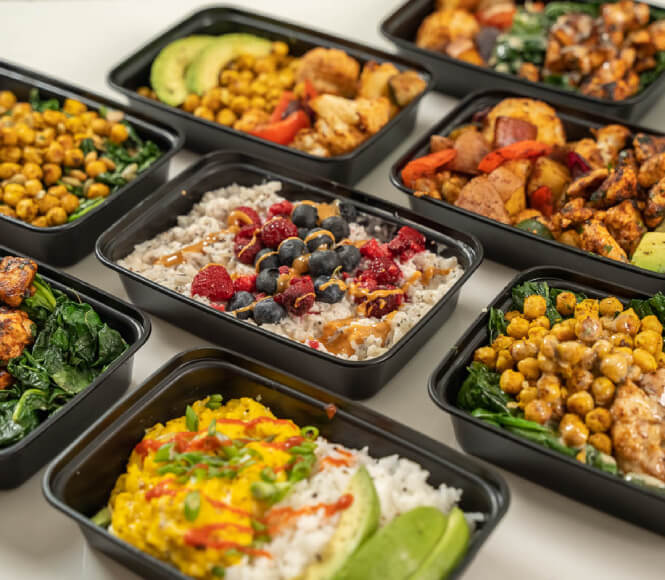
Snapping a photo before the first bite has become second nature for many diners. Meals designed primarily to look stunning on screen—rather than to satisfy the palate—are now a defining feature of contemporary food culture. This piece examines how these camera-ready creations have influenced the way we cook, order, and think about food, and what that shift means for both eaters and the wider restaurant world.
The Rise of Picture-Perfect Plates
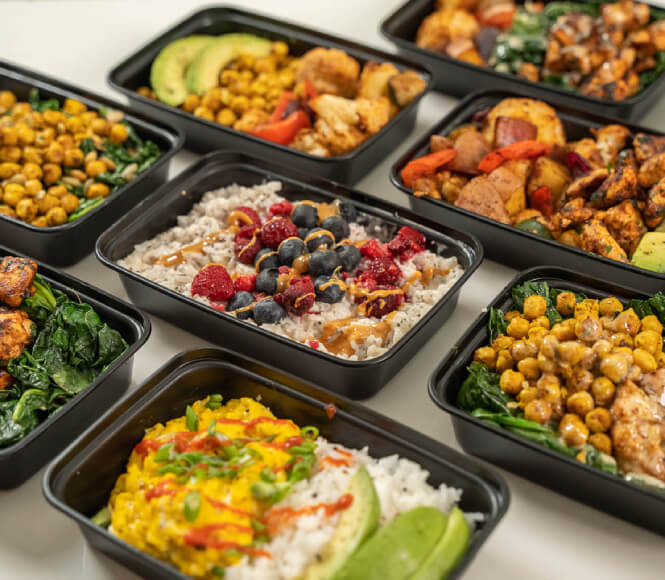
Several forces have converged to put appearance at center stage. Visually driven networks encourage users to share every dish, rewarding bright colors and playful shapes with instant attention. At the same time, cookbooks, food blogs, and streaming shows have elevated plating to an art form, persuading chefs to treat every course like a small sculpture. Finally, quick-service brands have embraced bold, eye-catching designs that travel well in take-out boxes, ensuring that meals look lively even after a short ride.
The Impact on Modern Dining Culture
The obsession with looks has produced a mixed legacy. On the positive side, it has sparked fresh creativity: edible flowers, unexpected textures, and rainbow hues now appear on tables that once favored muted tones. Yet the same trend can tilt priorities; when diners choose a café because its lattes photograph better than they taste, flavor risks becoming an afterthought.
The Implications for Diners
Eaters face subtle but real consequences. A plate that dazzles online may taste ordinary in person, leaving guests quietly underwhelmed. The chase for the next viral bite can also inflate budgets, as people hop from one photogenic venue to another in search of likes rather than lunch. Finally, elaborate garnishes and single-use props often end up in the bin moments after the shutter clicks, adding unnecessary waste to the table.
The Implications for the Food Industry
Kitchens now juggle two audiences: the guest in the seat and the follower on the feed. Professional lighting setups, custom crockery, and extra hours spent tweezing micro-greens raise overhead costs, especially for small independents. Cooks may feel pressure to design for the lens first, risking dishes that look intricate yet taste flat. To stay relevant, businesses must balance artistry with authenticity, ensuring that what arrives at the table delivers on the promise made online.
The Role of Social Media
Sharing apps act as both gallery and megaphone, giving unknown bistros overnight fame when a single post catches fire. Yet the same cycle fuels ever-higher expectations: tomorrow’s feed must outshine yesterday’s. Users who pause to ask, “Would I enjoy this if no one saw it?” can help slow the treadmill and keep flavor in focus.
Conclusion
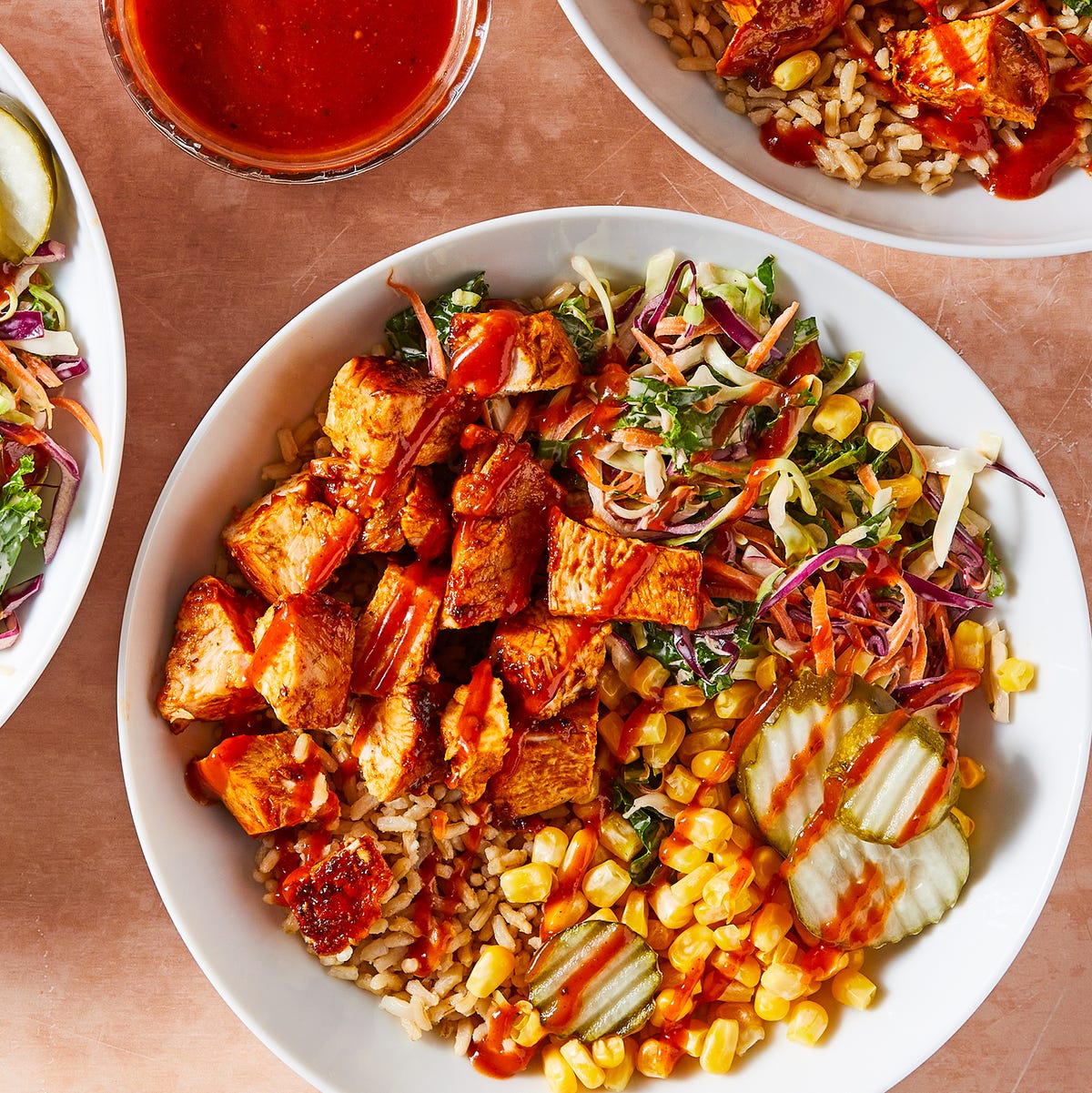
Picture-perfect dishes have broadened the visual vocabulary of food, but they have also nudged diners and chefs toward a fragile bargain in which appearance can outweigh enjoyment. A sustainable path forward respects both senses: the eye should delight, and the palate should still have the final say.
Recommendations and Future Research
Cooks can protect their craft by tasting every element before it leaves the pass, even when its main job is to sparkle on camera. Customers, for their part, can reward venues that deliver both beauty and flavor, sending a clear market signal that pretty alone is not enough. Scholars might next explore how lasting customer loyalty correlates with sensory satisfaction rather than social impressions, guiding the industry toward a more balanced and resilient future.