









What’s the Recipe: The Art and Science of Cooking
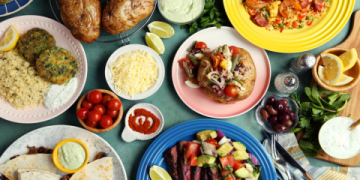
Cooking is a creative craft that crosses borders, languages, and traditions. It is a shared language that unites people, sparks imagination, and meets our fundamental need for nourishment. The simple question “What’s the recipe?” lies at the center of every kitchen adventure, guiding us through the steps that turn raw ingredients into memorable meals. This article explores both the artistic and scientific sides of cooking, highlighting why recipes matter, how techniques shape results, and the way culture colors every bite.
The Significance of Recipes
Recipes act as road maps for the culinary journey, offering clear directions to anyone holding a pan. They guarantee that a dish can be recreated with the same balance of flavor, aroma, and texture every time. Their value shows up in three main ways:
1. Consistency and Replicability
A well-written recipe allows home cooks and professionals alike to serve the same comforting stew or elegant dessert on repeated occasions without unwanted surprises. Consistent outcomes build trust between the cook and the diner, turning first-time guests into regulars.
2. Learning and Development
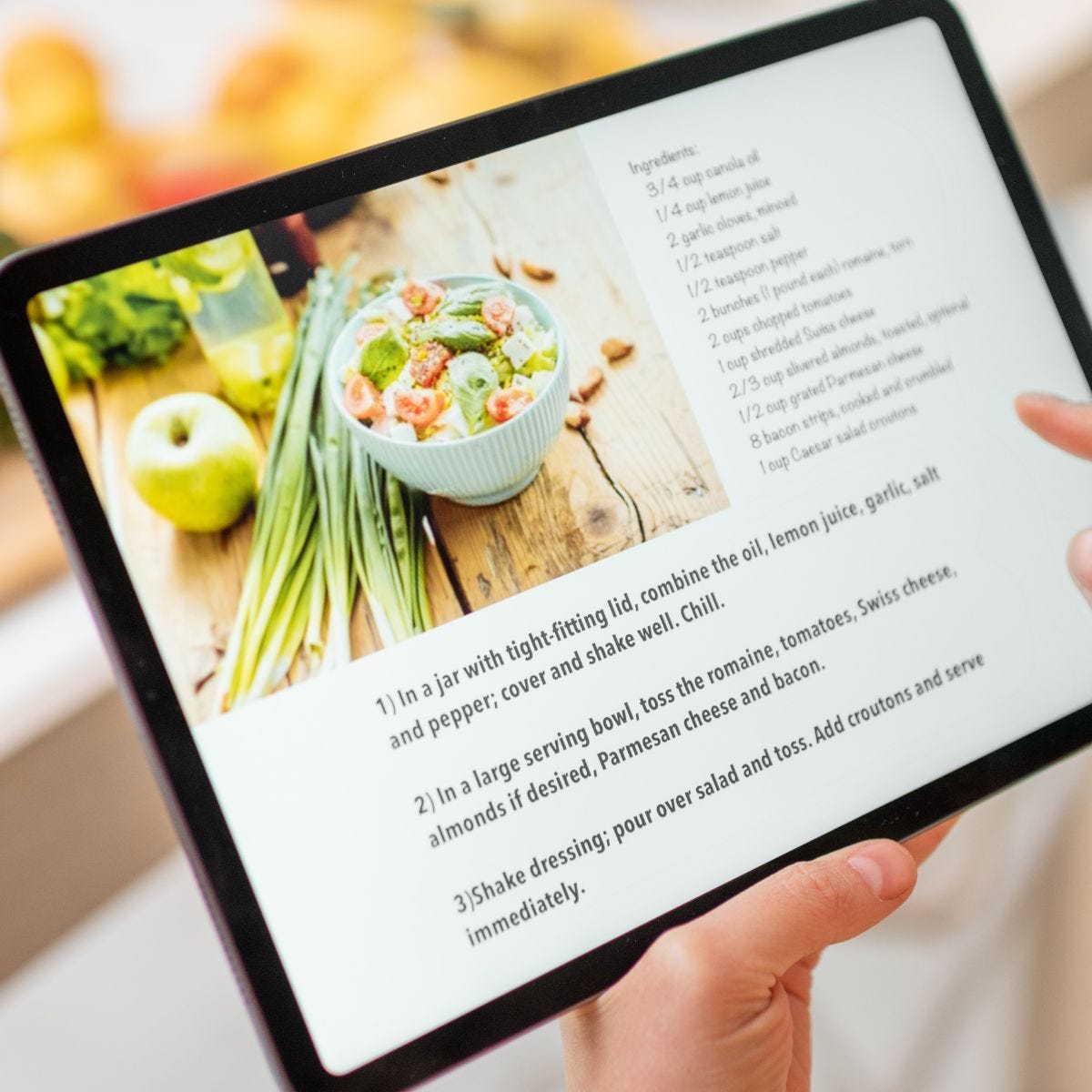
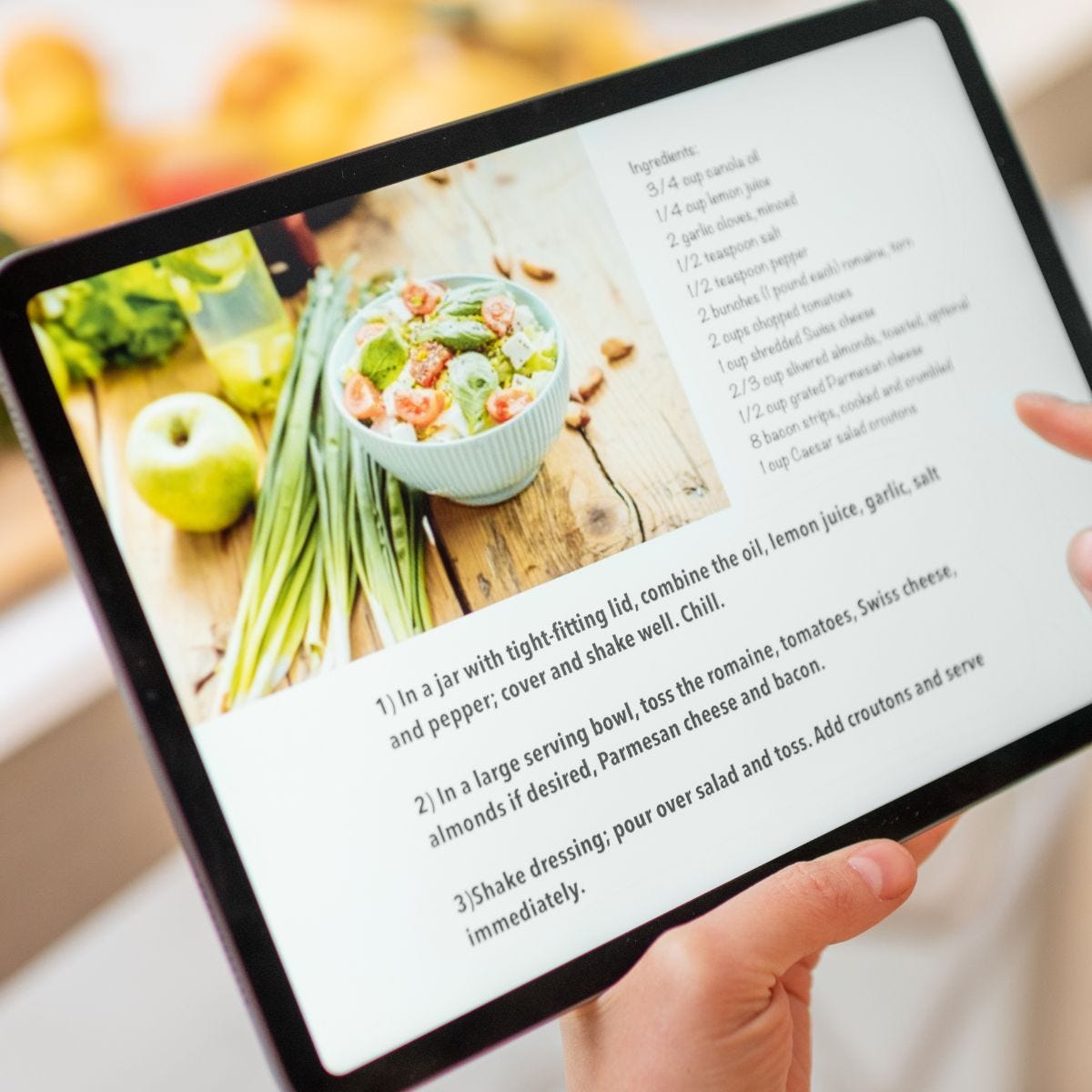
Step-by-step instructions shorten the learning curve. By following a trusted formula, beginners observe how heat transforms protein or how sugar caramelizes, gradually internalizing the principles that later free them to improvise.
3. Cultural Preservation
Handed-down recipes safeguard heritage. Each card scribbled by a grandparent or page in a community cookbook keeps regional flavors alive, resisting the flattening effect of mass-produced food.
The Role of Culinary Techniques
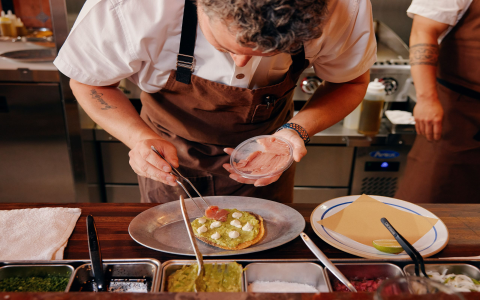
Techniques are the silent partners of ingredients. Mastering them gives cooks the power to coax maximum taste from the humblest carrot or the finest cut of fish. Three cornerstone methods illustrate this power:
1. Sautéing
A hot pan, a thin film of oil, and quick wrist action seal in juices while creating gentle browning. The trick is to leave enough room for steam to escape; overcrowding cools the surface and dulls flavors.
2. Baking
Enclosed dry heat surrounds dough or batter, encouraging crusts to bronze and crumbs to set. Accurate oven temperature and mindful timing separate a lofty loaf from a sunken center.
3. Boiling
Submerging food in bubbling water softens fibers and gelatinizes starches. Because nutrients can drift into the liquid, brief cooking and vibrant produce keep color and vitamins on the plate rather than in the pot.
Cultural Influences on Cooking
Every cuisine tells a story of climate, trade, and tradition. Three widely loved kitchens demonstrate how geography shapes the plate:
1. Italian Cuisine
Sun-drenched tomatoes, fragrant basil, and golden olive oil speak of Mediterranean hills. Techniques stay refreshingly simple—al dente pasta, slow-simmered sauces—so quality ingredients shine.
2. Japanese Cuisine
Mountain forests and surrounding seas inspire seasonal menus built on balance. Raw fish sliced with precision, vegetables flash-fried in airy batter, and umami-rich broths reveal a culture that reveres subtlety.
3. Indian Cuisine
A subcontinent of spice routes offers bold masalas and layered cooking methods. Slow braises, clay-oven roasts, and fragrant rice dishes turn pantry staples into symphonies of aroma, color, and heat.
Conclusion
So, what is the recipe? It is the meeting point of careful measurement and creative instinct, of time-honored culture and personal flair. Recipes provide the framework, techniques supply the tools, and cultural memory adds soul. Together they keep cooking an ever-evolving celebration that invites everyone to the table.
Recommendations and Future Research
Curiosity keeps the kitchen alive. Consider these avenues for deeper exploration:
1. Examine how smart devices and app-guided timers change the rhythm of home cooking.
2. Study the benefits of choosing local, seasonal produce for both flavor and environmental impact.
3. Investigate the emotional resonance of familiar scents and tastes, and how they link to personal identity.
4. Experiment with emerging ingredients—ancient grains, plant-based proteins, fermentation cultures—to develop fresh techniques and dishes.
By continuing to ask “What’s the recipe?” we stretch culinary boundaries while honoring the shared pleasure of a good meal.