













Title: The Heart of Every Dish: A Friendly Guide to Recipes
Introduction:
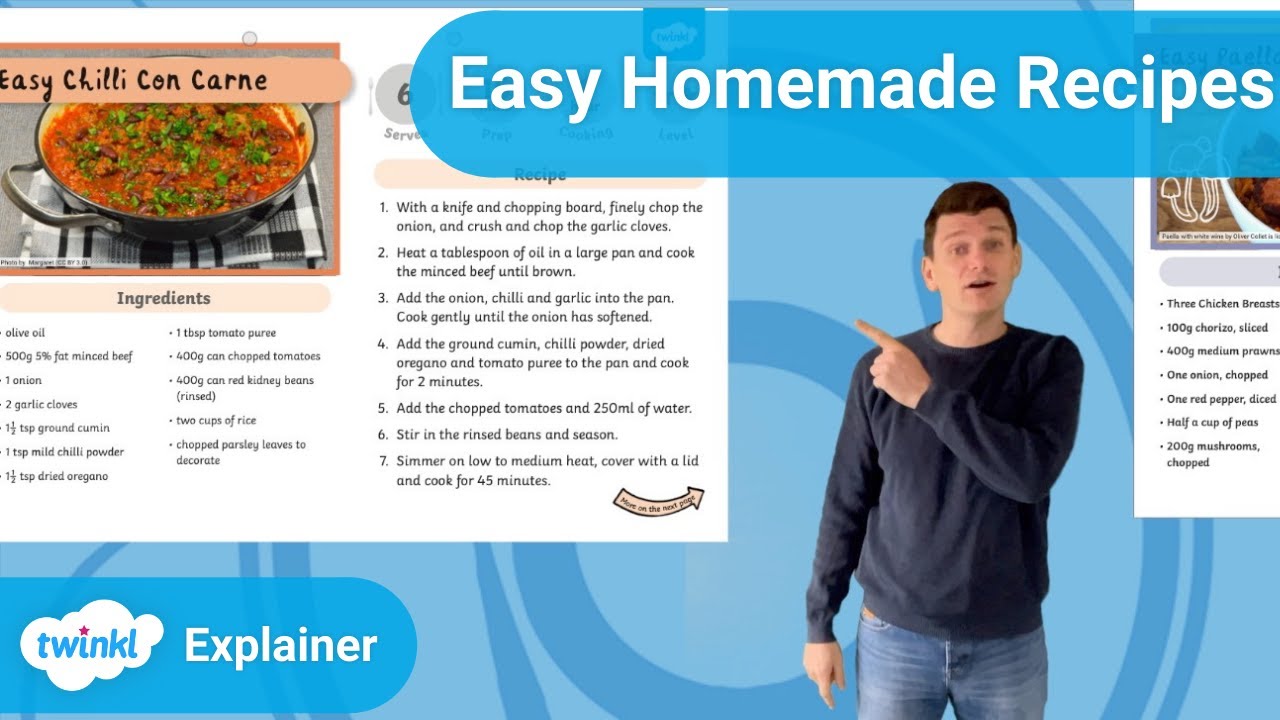
A recipe is simply a roadmap that helps anyone turn raw ingredients into a delicious meal. It keeps flavors steady and results reliable, whether you are cooking for one or for many. This short tour looks at what makes a recipe tick, why it matters, and how it has changed over the years.
What Goes into a Recipe
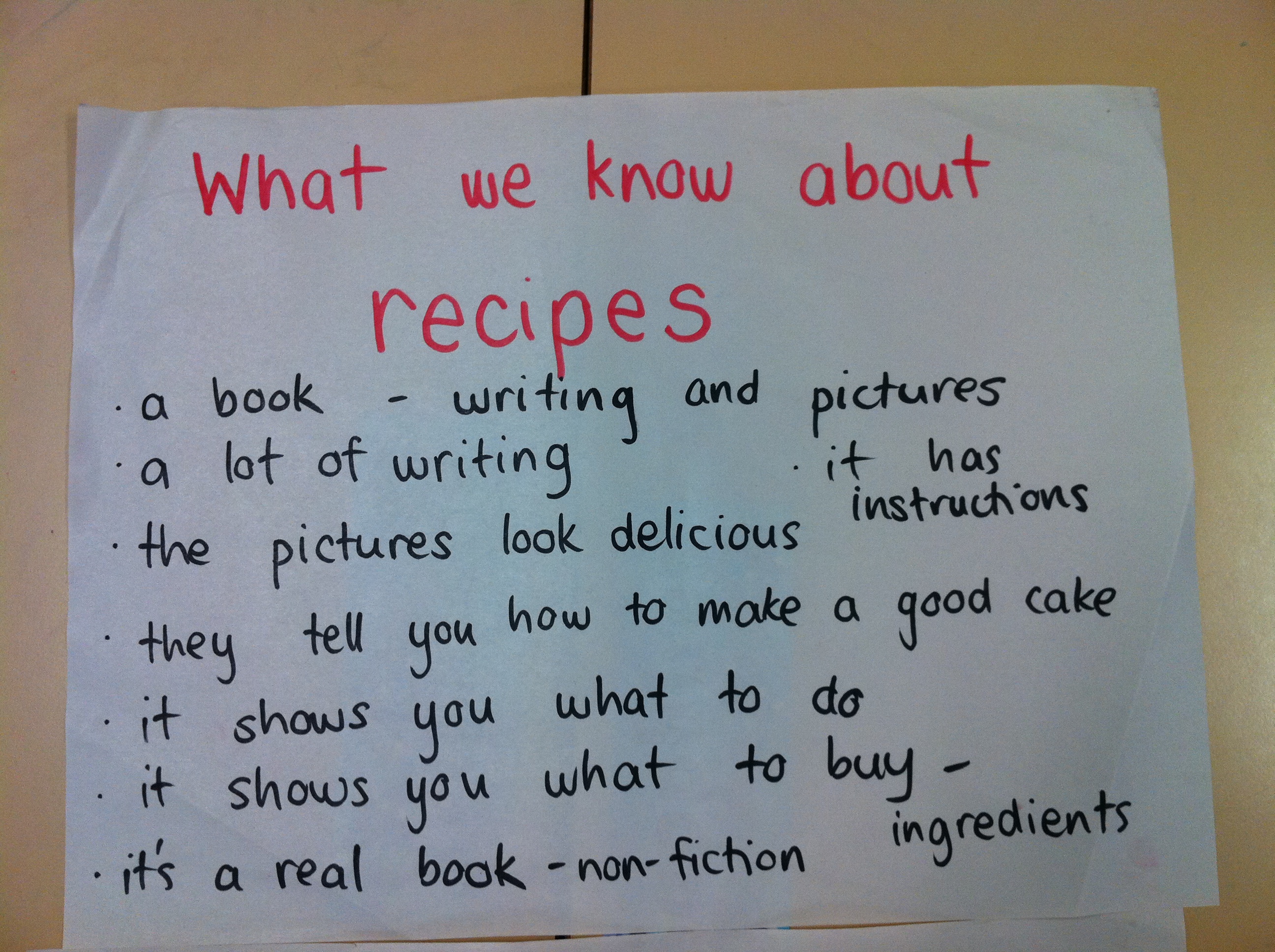
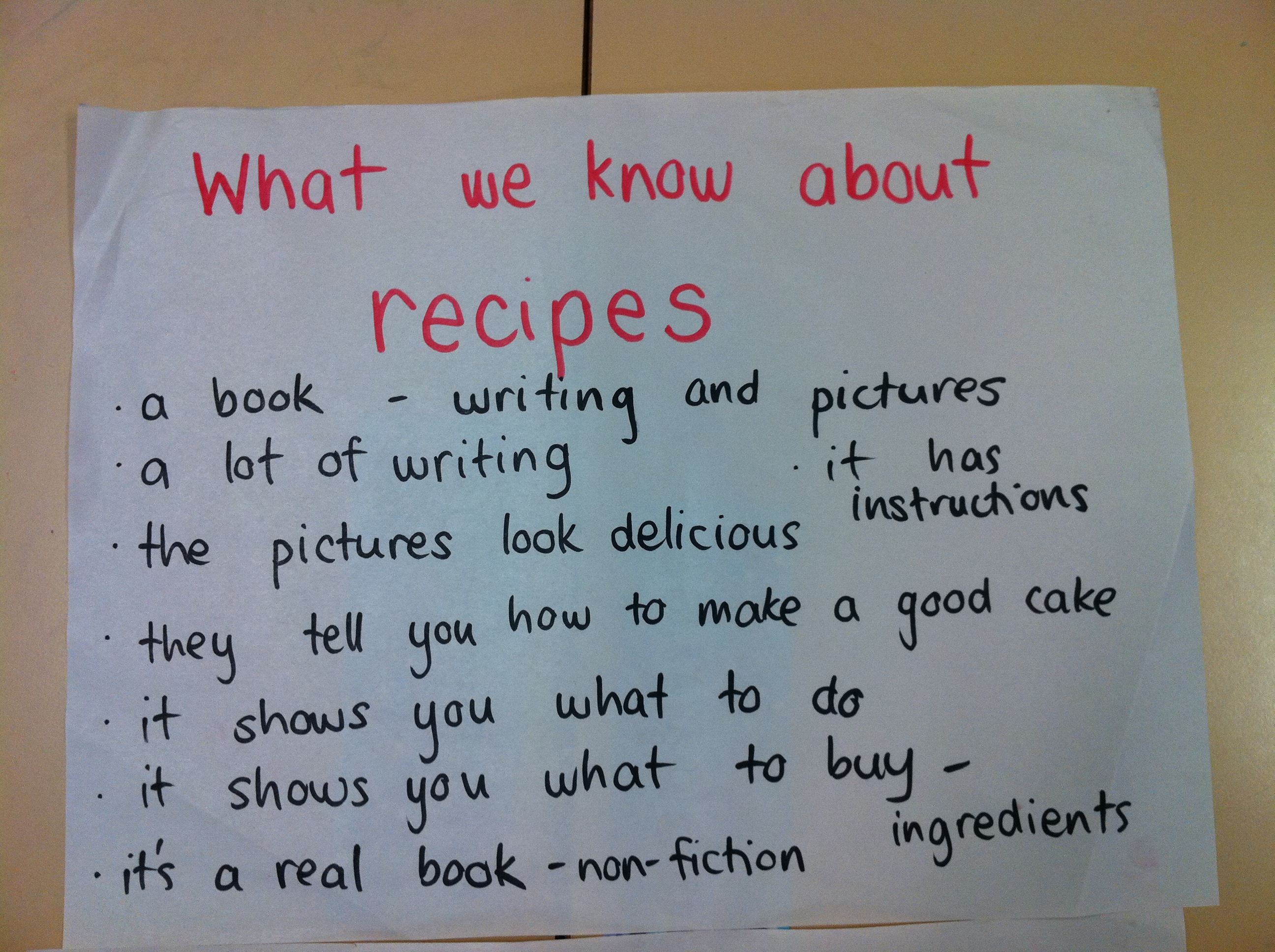
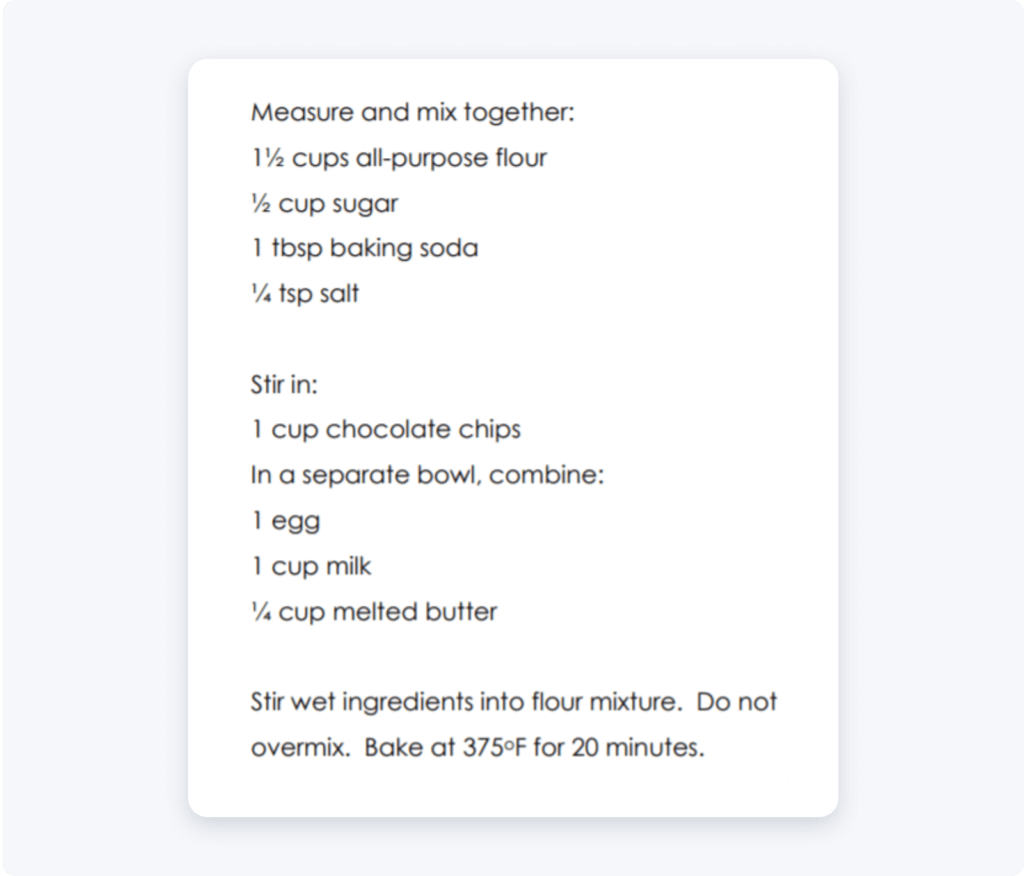
At its core, a recipe is a short story told in steps. It usually carries four main parts:
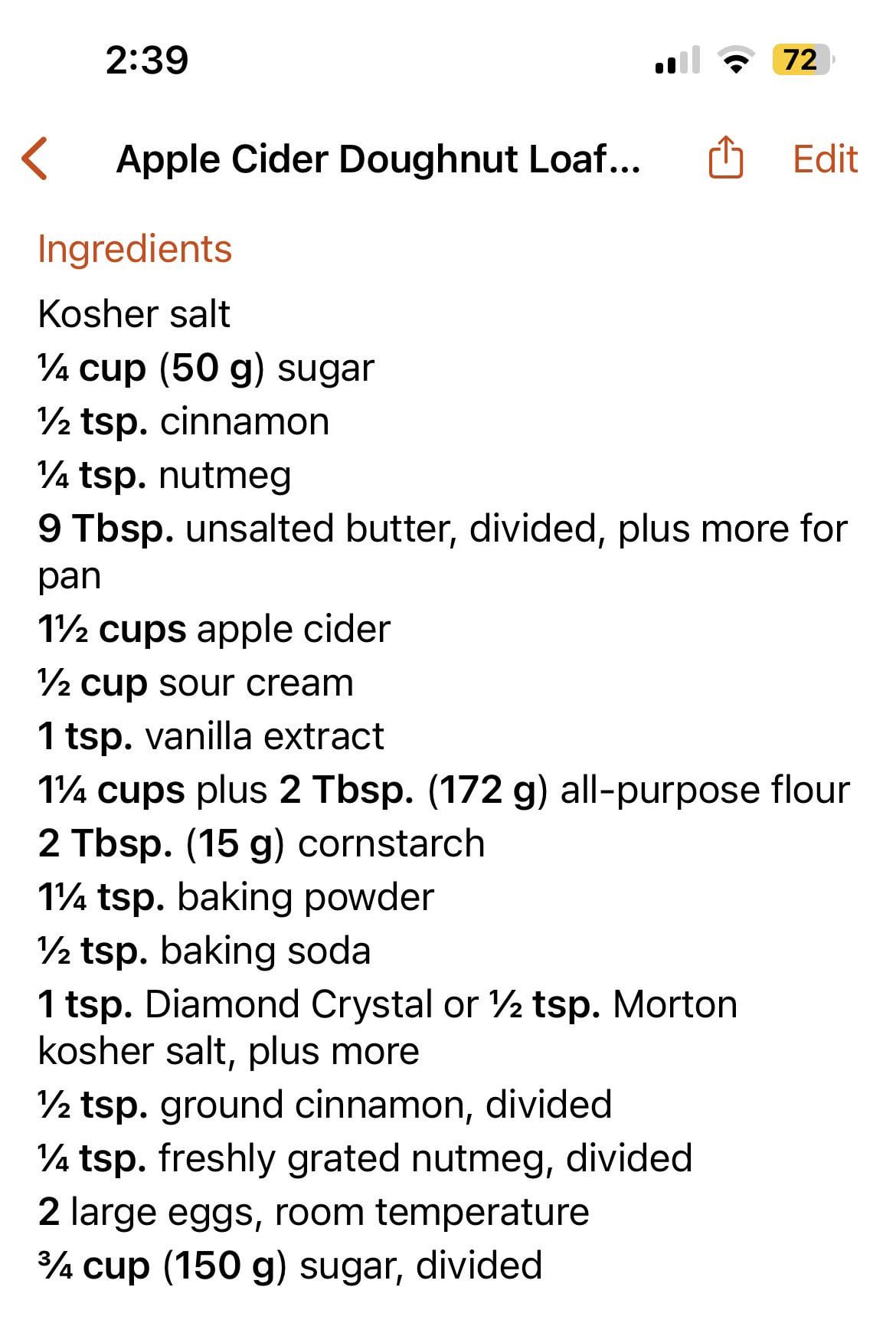
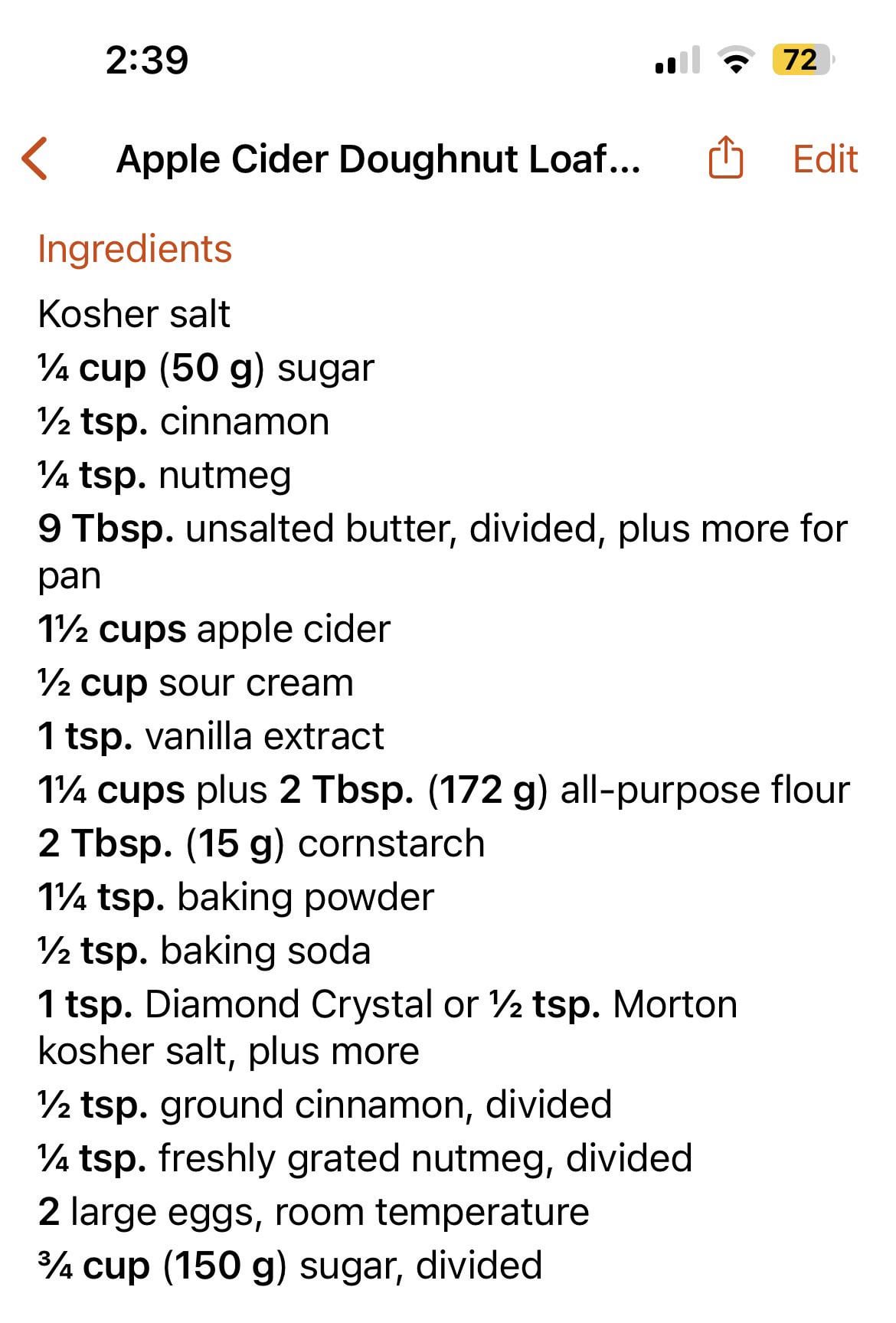
1. Ingredients: the cast of characters—flour, spices, vegetables, or anything else that will meet in the pan.
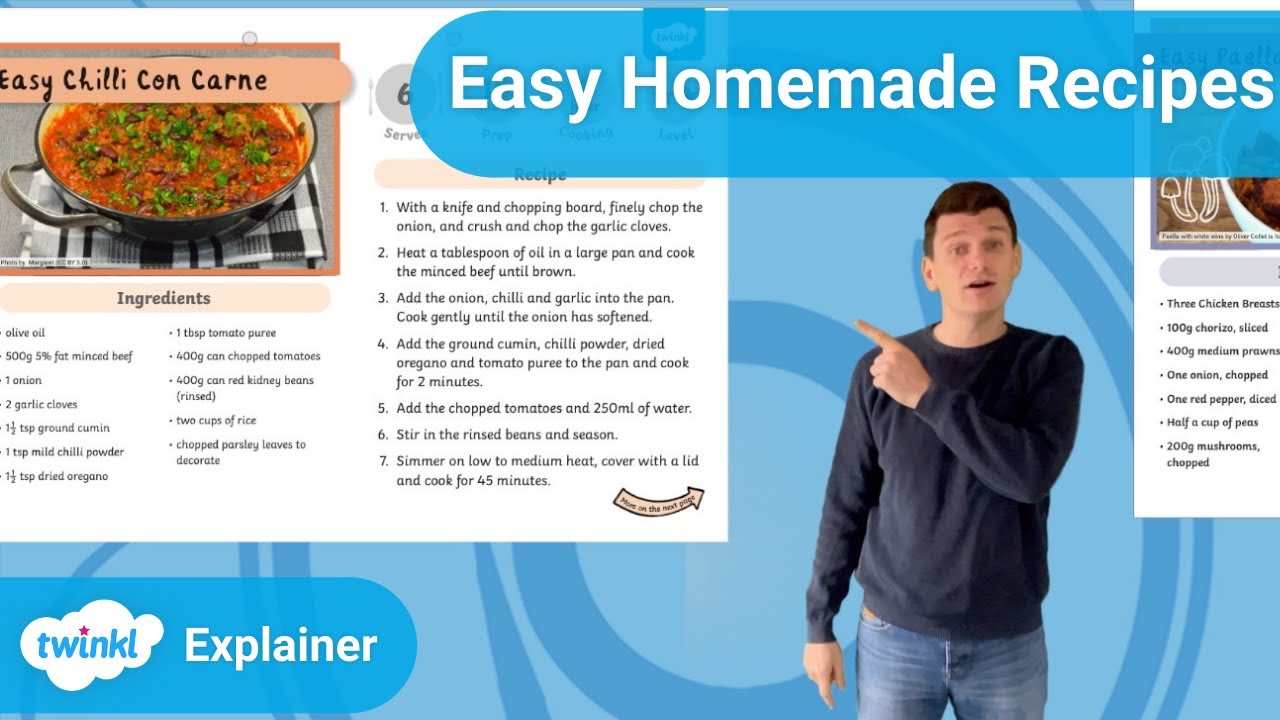
2. Amounts: the right balance keeps tastes bright and textures pleasant; a little too much or too little can shift the whole plot.
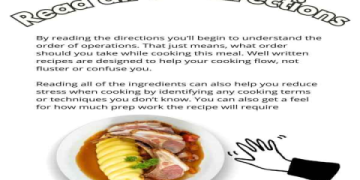
3. Directions: the sequence of actions—chop, simmer, fold, bake—told in the order that brings everything together.
4. Timing: the quiet conductor that makes sure each element enters and exits the stage at the perfect moment.
Why Recipes Matter
Recipes quietly shape our kitchens in several ways:
1. Consistency: a clear recipe lets different cooks reach the same happy result, helping restaurants and families alike serve a favorite dish again and again.
2. Creativity: once the basics feel safe, curious minds can swap, season, or shape something new.
3. Heritage: handwritten cards and passed-down stories keep regional flavors alive, linking yesterday’s meals to tomorrow’s tables.
4. Learning: step-by-step guidance turns beginners into confident cooks and invites seasoned chefs to explore unfamiliar cuisines.
How Recipes Have Grown
The life of a recipe has moved through three broad chapters:
1. Word of Mouth: long before ink met paper, elders shared tips across hearths, relying on memory and a pinch of intuition.
2. Early Manuscripts: once writing arrived, brief notes on clay, parchment, or paper captured the bare bones of dishes for future hands.
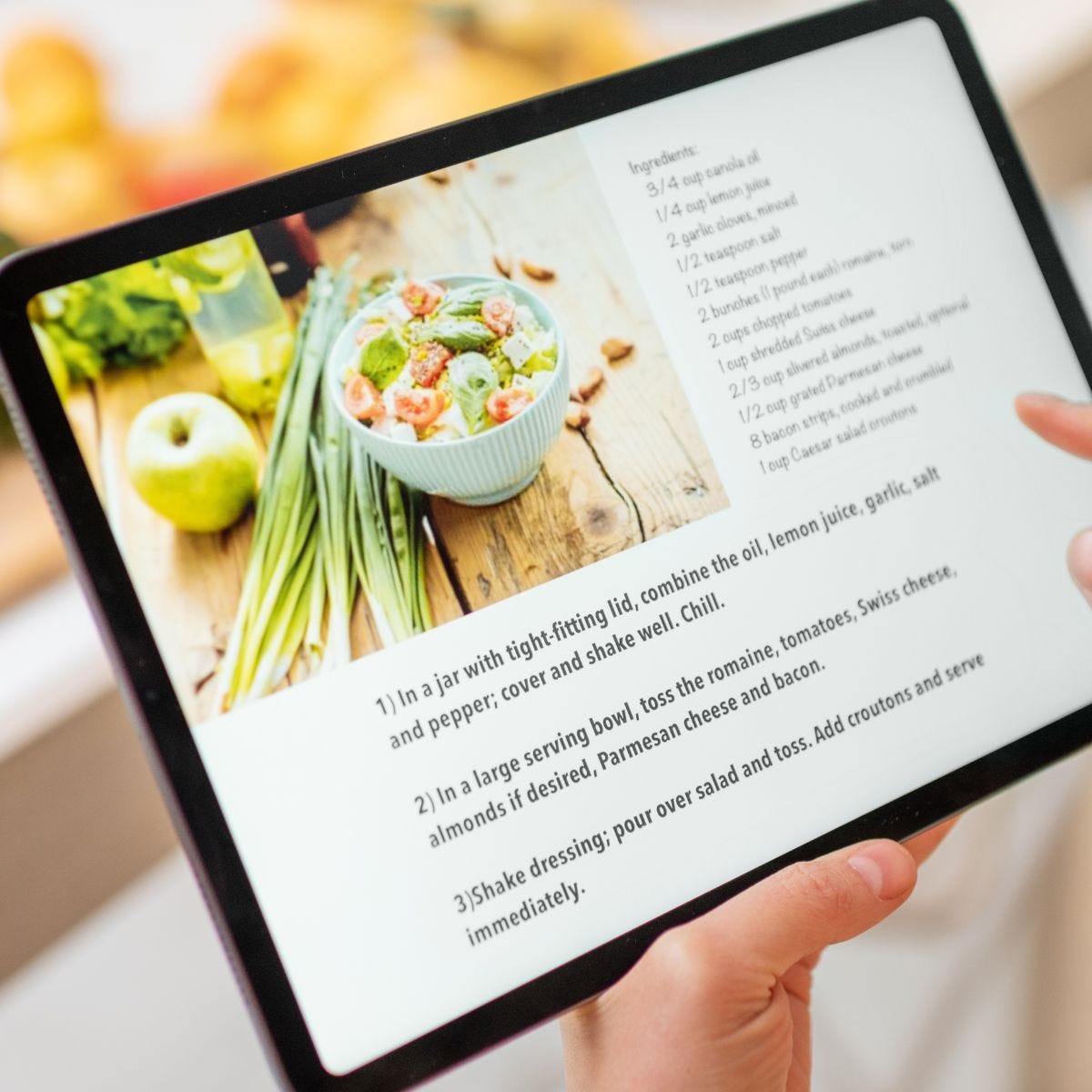
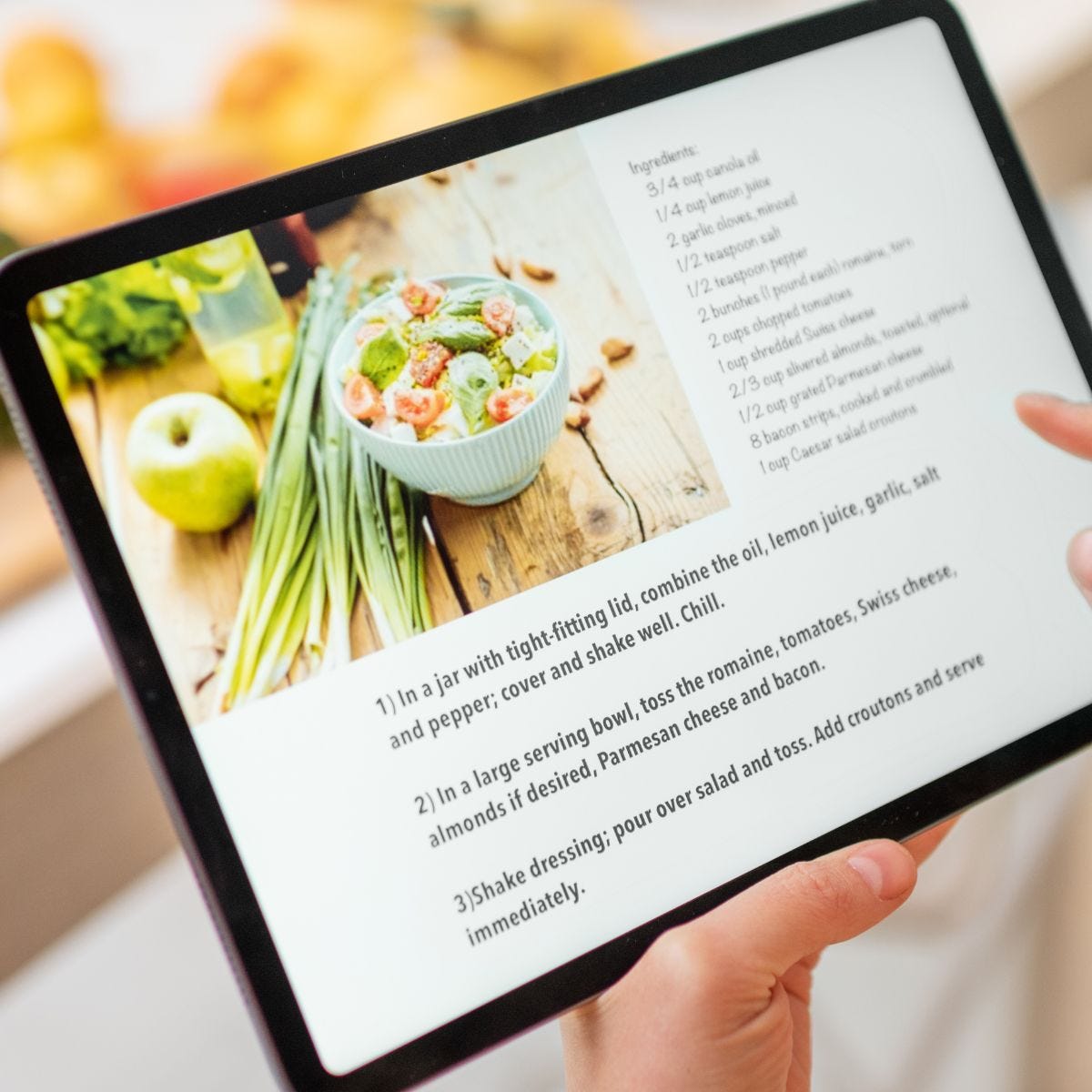
3. Modern Formats: today’s recipes speak in grams, milliliters, and even videos, offering clarity, variations, and nutritional notes to anyone with a screen or a cookbook.
Recipes in Cooking and Baking
While both crafts welcome spontaneity, they also reward care:
1. Precision: exact measures guard the chemistry of bread rise or custard set.
2. Technique: gentle folds, steady whisks, or patient kneads often hide in the lines, guiding texture and crumb.
3. Flexibility: need less sugar or a gluten-free twist? A solid recipe invites thoughtful swaps without losing its soul.
The Digital Recipe Wave
Online kitchens have opened new doors:
1. Reach: a grandmother’s stew can inspire a student halfway around the globe within seconds.
2. Interaction: timers, video clips, and comment threads turn cooking into a shared, real-time conversation.
3. Community: photos of successes (and happy failures) travel faster than any handwritten card, knitting food lovers into one large, hungry family.
Conclusion:
From whispered tips to searchable files, recipes remain the quiet backbone of cooking. They steady our hands, spark our imaginations, and carry flavors forward. By valuing clear guidance and playful experimentation, we keep the world’s tables vibrant, welcoming, and always ready for the next delicious bite.
As tastes and tools keep shifting, recipes will keep teaching, comforting, and connecting us—one shared meal at a time.