























The Role of Food in Human Society: A Comprehensive Analysis
Introduction
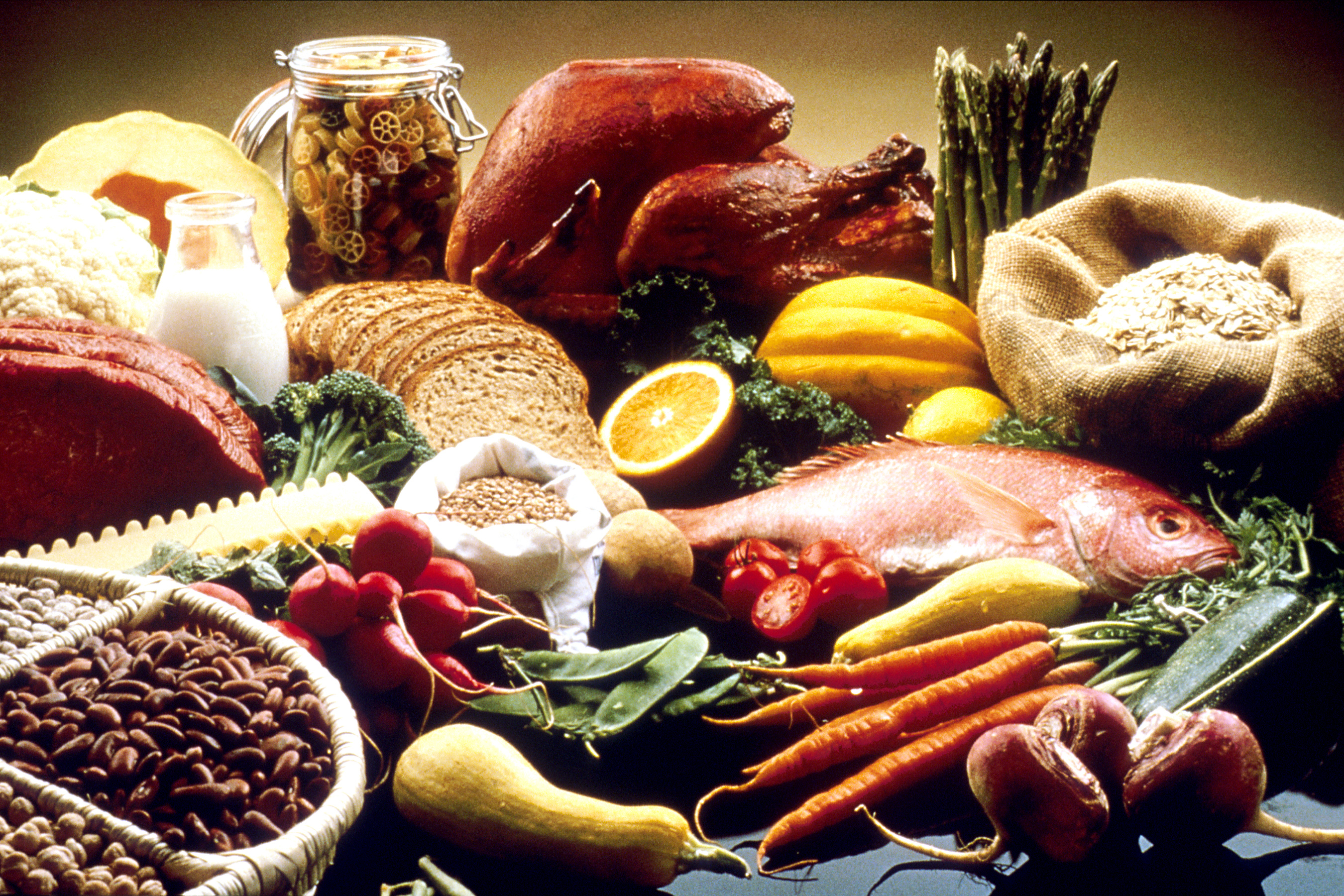
Food sits at the heart of every society, shaping daily routines, identities, and shared moments. This article surveys how food sustains life, mirrors culture, and influences well-being, weaving together insights from nutrition science, anthropology, and public health.
The Importance of Food in Human Survival
Basic Necessity
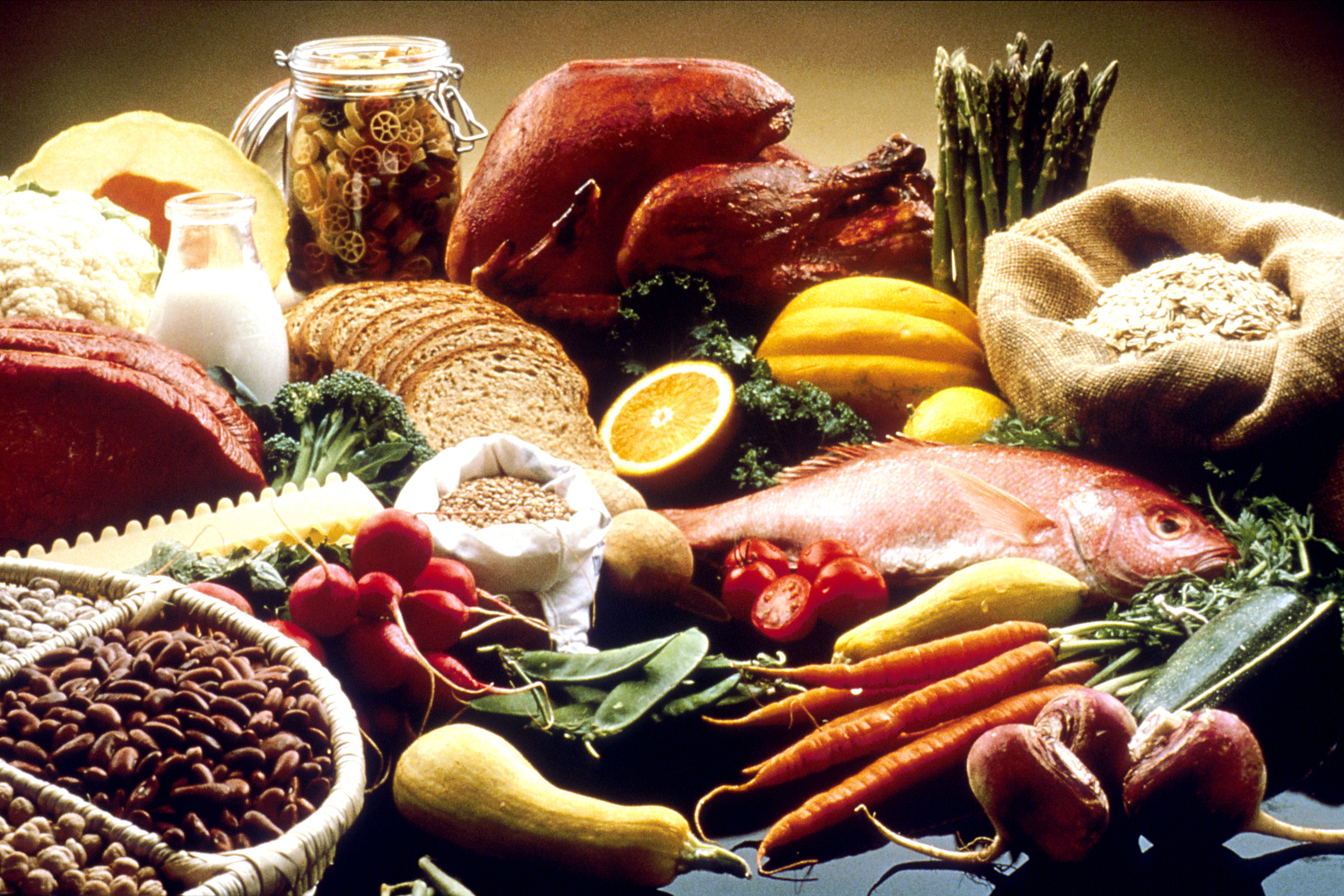
Food supplies the energy and nutrients the human body needs to grow, repair, and move. Carbohydrates, proteins, and fats power everything from breathing to marathon running. When these essentials are missing, health quickly declines, underscoring food’s foundational role in staying alive.
Food Security
Reliable access to safe, nutritious meals is a cornerstone of individual and community stability. When households can obtain balanced diets without undue stress, education levels rise, economies strengthen, and cycles of poverty begin to loosen.
Food and Culture
Culinary Traditions
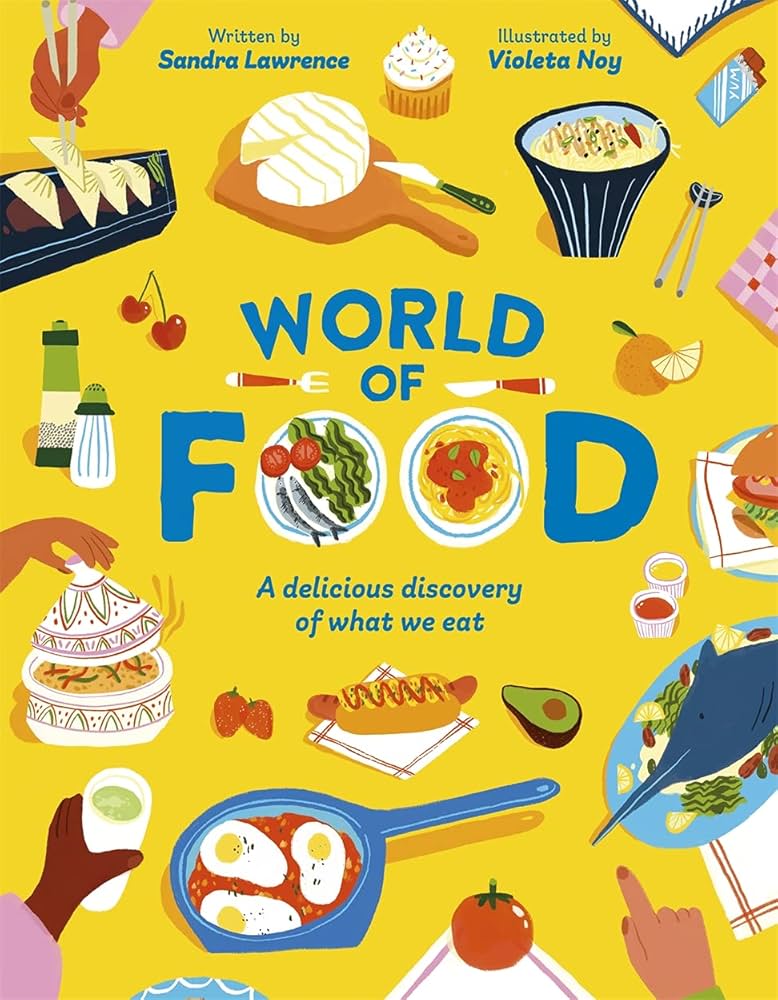
Recipes handed down through generations carry stories of climate, trade, and values. Spicy stews slow-cooked in one region and delicate steamed parcels favored in another reveal how geography and history season every bite, preserving identity on the plate.
Food Festivals and Celebrations
Harvest feasts, New-Year sweets, and remembrance breads turn seasonal rhythms into shared experience. Preparing these dishes together reinforces belonging and passes ancestral knowledge to younger cooks.
Food and Health
Nutrition and Health
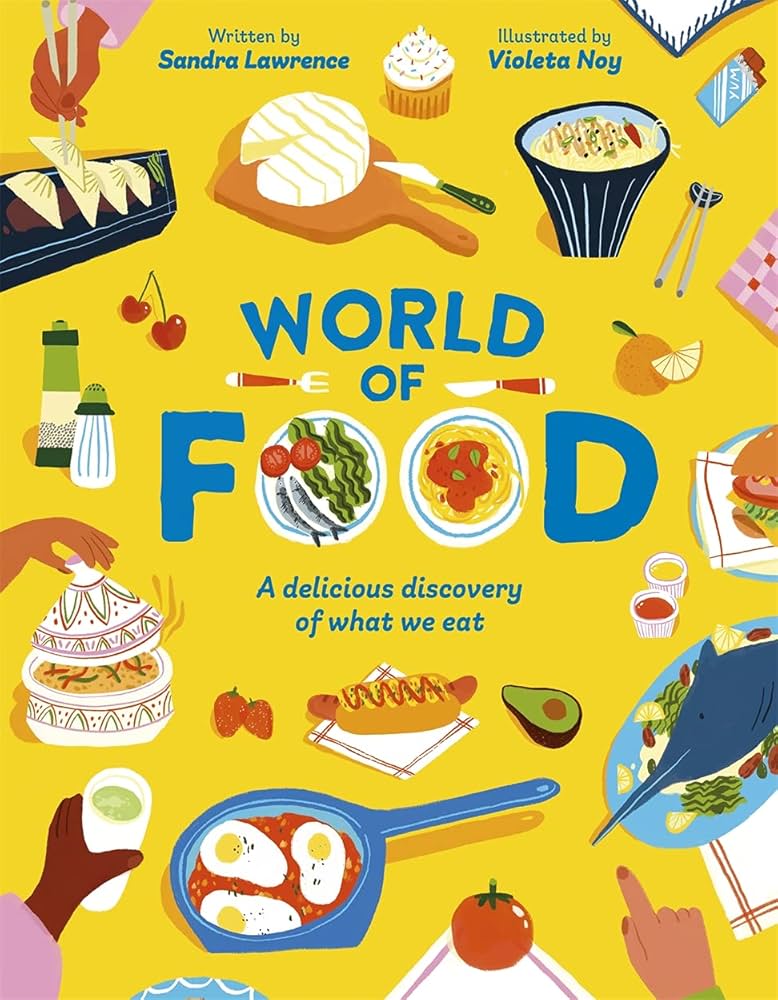
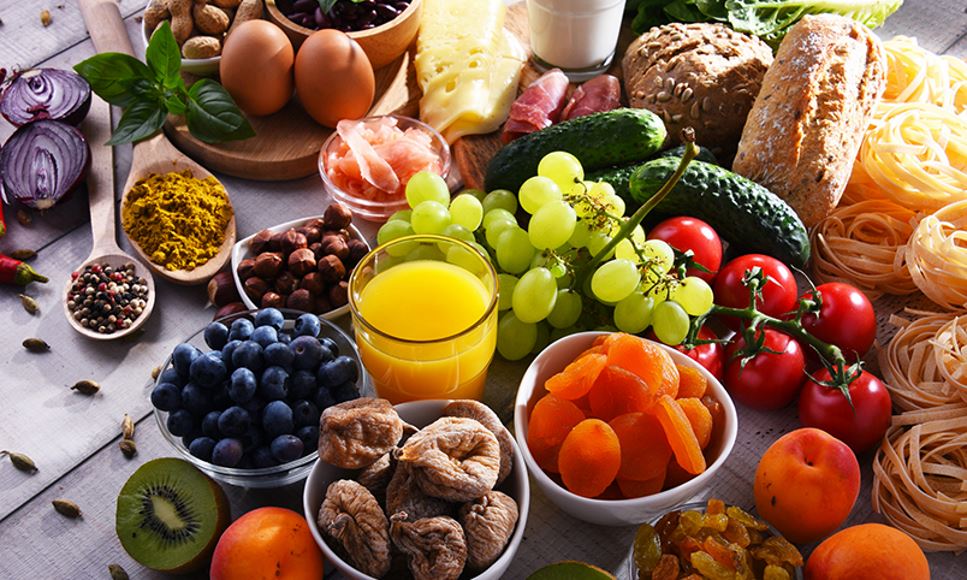
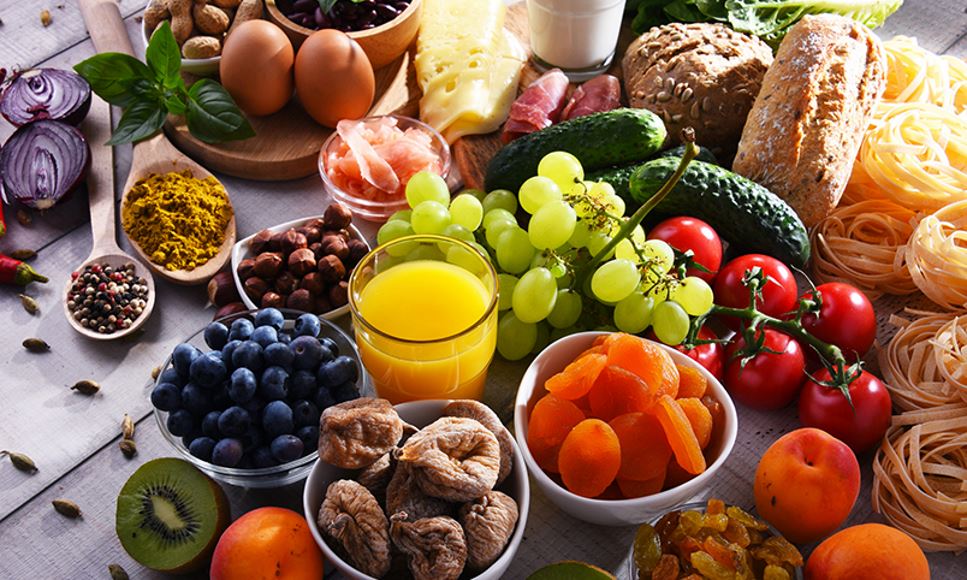
Colorful produce, whole grains, and lean proteins deliver vitamins, minerals, and antioxidants that guard cells, support immunity, and steady metabolism. Consistently choosing such foods lowers the risk of many long-term illnesses.
Obesity and Food Choices
Diets dominated by heavily processed meals and sugary drinks tip the energy balance, contributing to weight gain and associated disorders. Shifting toward minimally processed ingredients and mindful portions can reverse this trend.
Food and Social Interactions
Food as a Social Bond
Whether a weekday family dinner or a community potluck, sharing dishes creates space for conversation, negotiation, and celebration. The simple act of passing a bowl builds trust across ages and backgrounds.
Food and Identity
Personal histories, beliefs, and aspirations often surface through food choices—vegetarian comfort foods, fusion experiments, or treasured spice blends all tell a story about who we are and where we hope to go.
Conclusion
From sustaining bodies to expressing heritage, food operates as daily fuel and living narrative. Recognizing its many roles empowers individuals and societies to cultivate healthier people, cultures, and ecosystems.
Recommendations and Future Research
To deepen appreciation of food’s reach, the following avenues deserve attention:
1. Embed balanced-eating education in schools and workplaces.
2. Champion farming methods that protect soil, water, and biodiversity.
3. Examine links between diet quality and mental wellness.
4. Document endangered food traditions before they vanish.

5. Harness technology to cut waste and distribute surplus responsibly.
Pursuing these directions will keep food at the center of thriving, resilient communities.