
















The Art and Science of Recipe Creation: A Practical Guide to Designing Reliable Dishes
Introduction

In every kitchen, a well-tested recipe is the quiet hero behind memorable meals. A thoughtfully written recipe balances heritage, creativity, and solid technique. This guide walks through the essential stages of recipe design, highlighting the choices that turn raw ingredients into a dish worth repeating.
Understanding a Reliable Recipe
What is a Reliable Recipe?
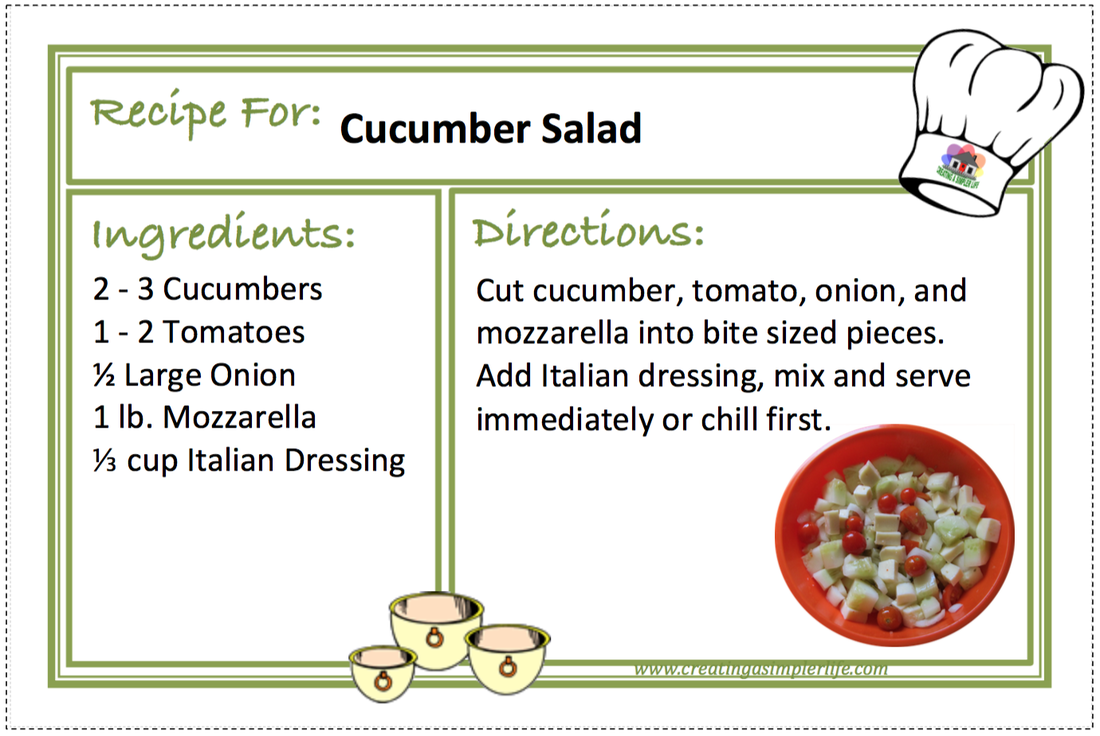
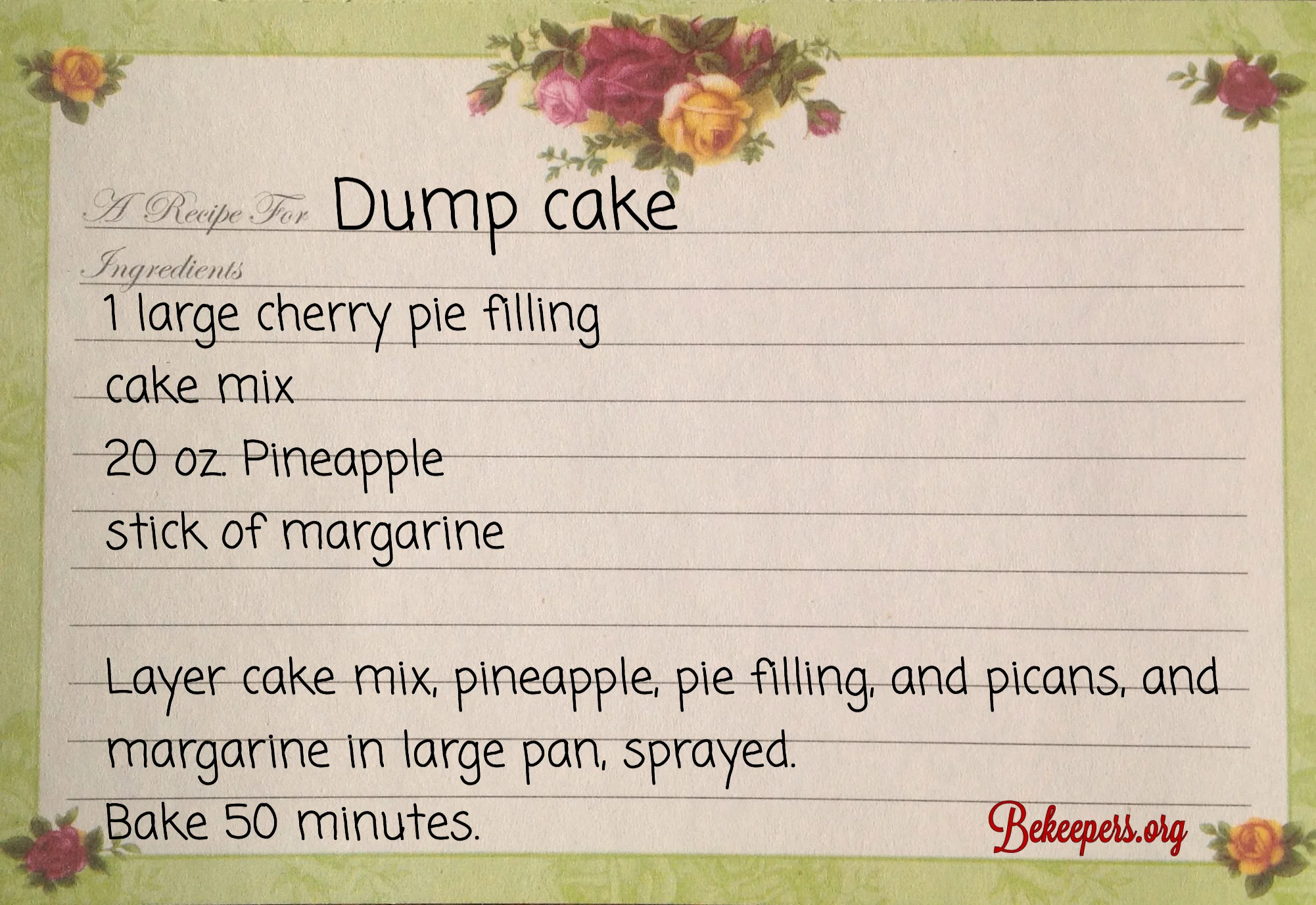
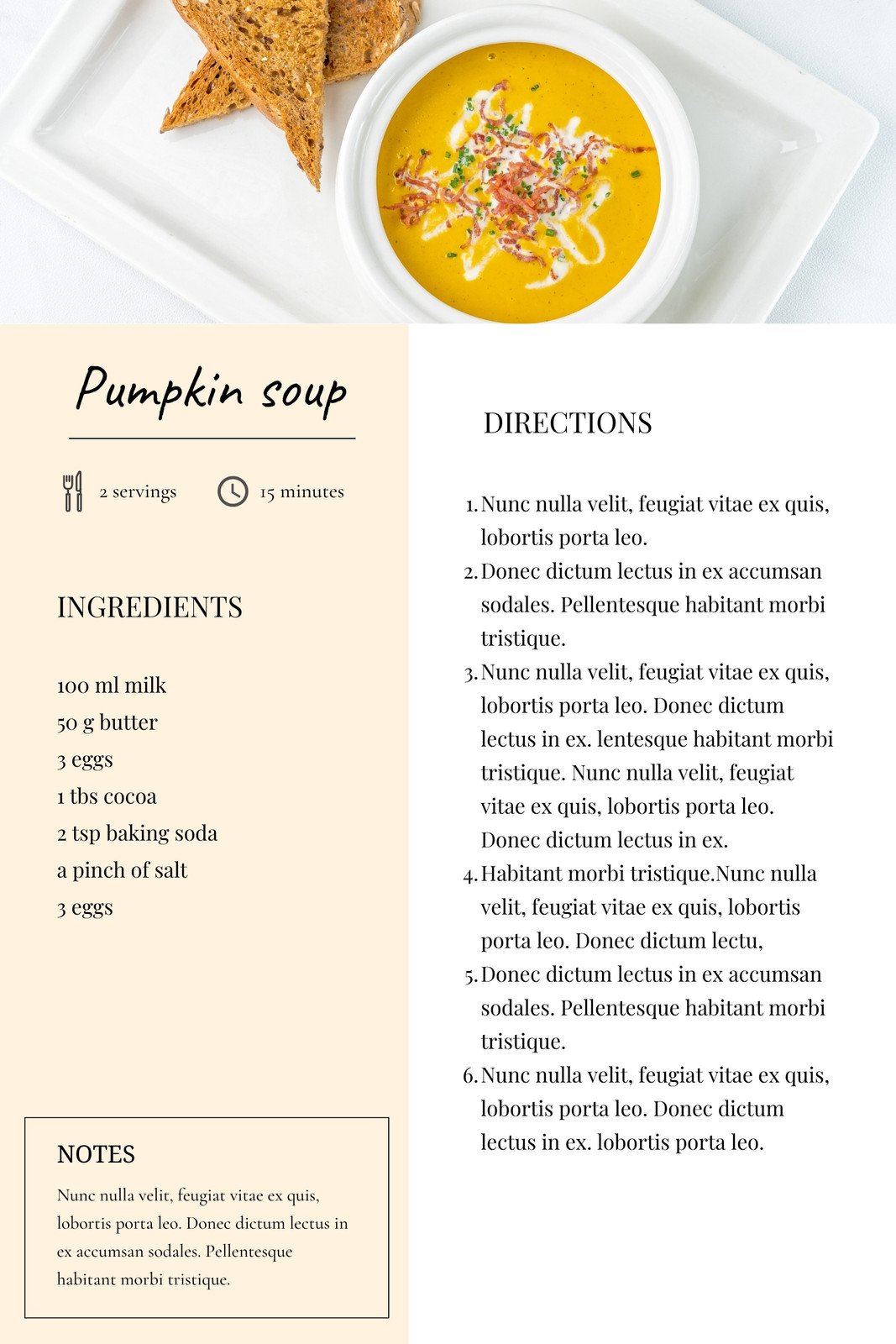
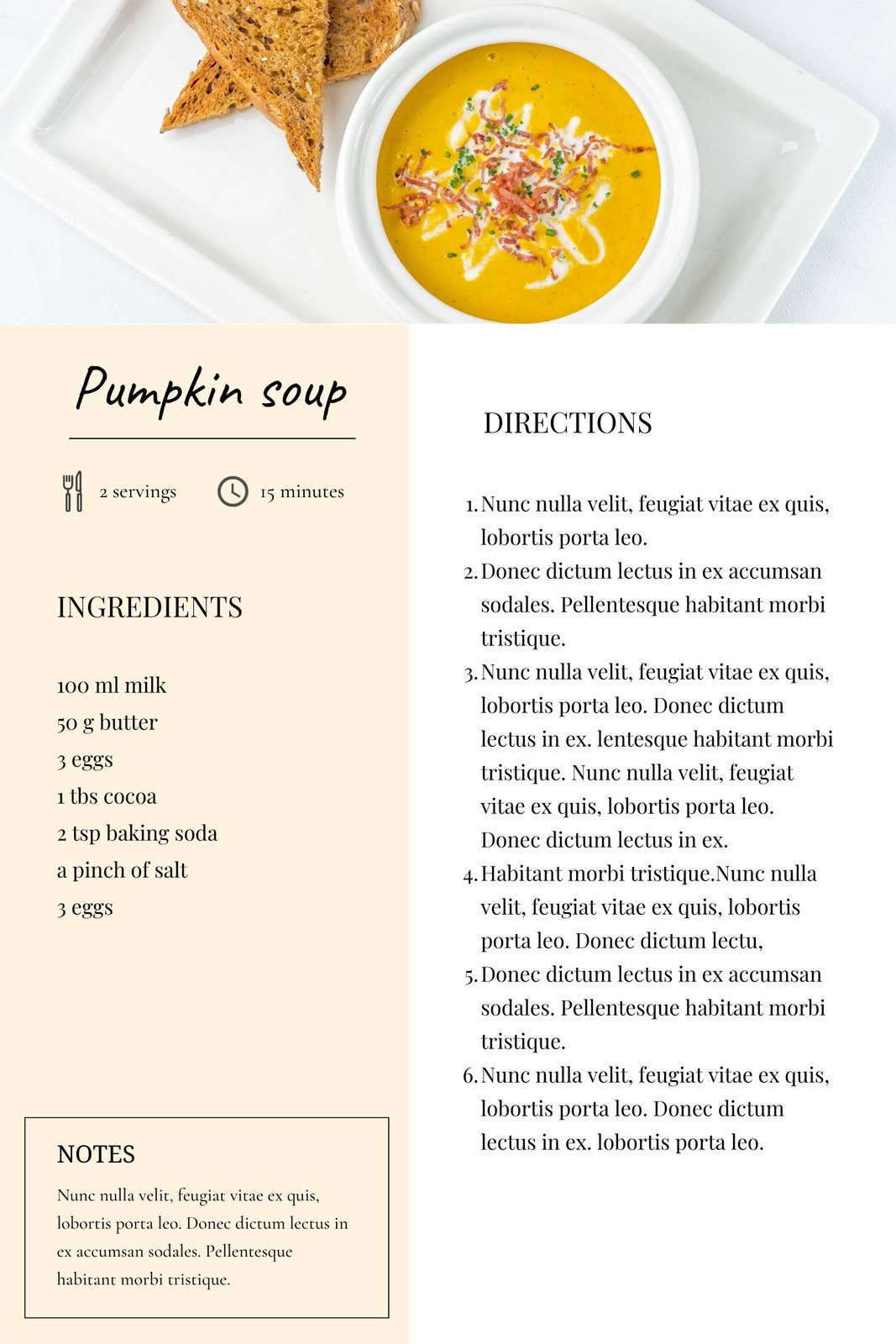
A reliable recipe is a clear set of directions that lists ingredients, proportions, and steps needed to recreate a dish with confidence. It can honor time-honored classics or showcase fresh twists, yet its core purpose remains the same: repeatable success.
Why Reliability Matters
A dependable recipe offers several benefits:
– Consistency: Anyone following it should arrive at the same satisfying result.
– Inspiration: It becomes a springboard for cooks who want to personalize flavors or textures.
– Learning Tool: It teaches fundamental skills and the logic behind each instruction.
The Recipe Development Journey
1. Ideation
Start by picturing the finished plate. Choose the style of cuisine, spotlight ingredients, and decide on the overall taste experience—comforting, bright, spicy, or subtle.

2. Exploration
Read trusted sources, compare regional variations, and note common ratios or hallmark techniques. This background prevents reinventing the wheel and sparks informed creativity.
3. Ingredient Selection
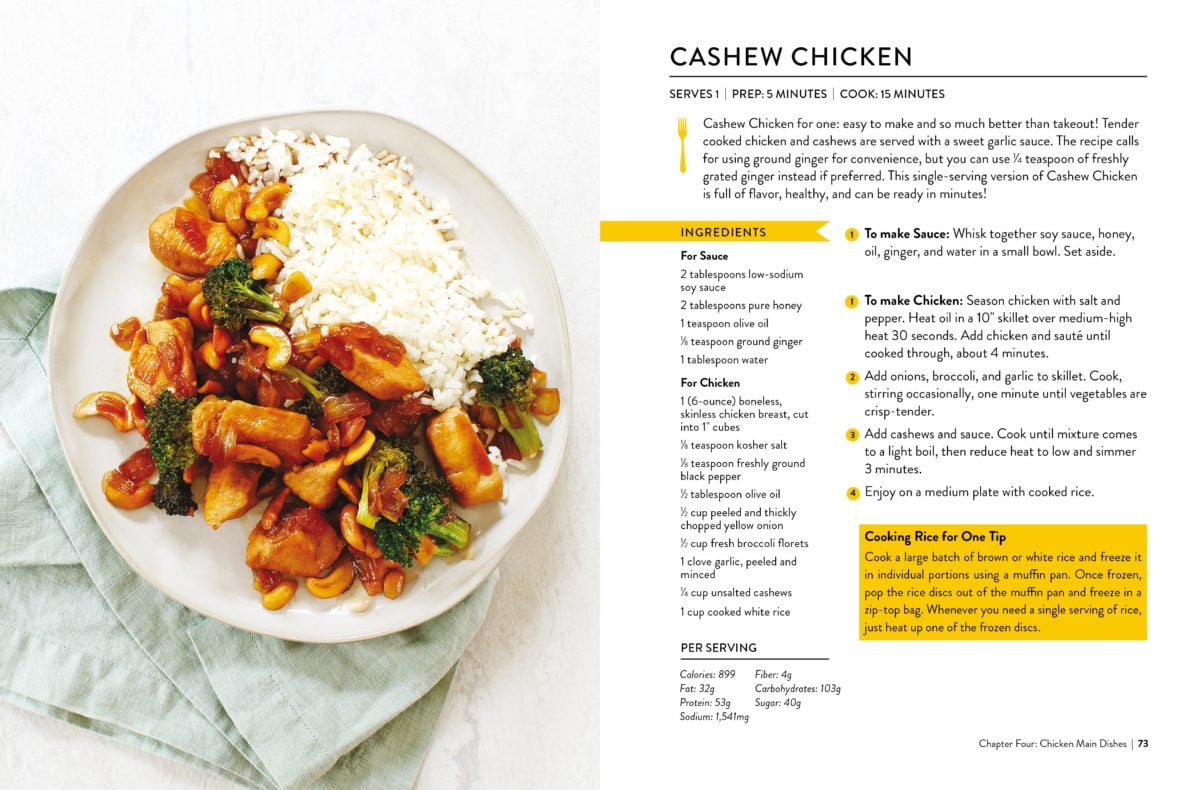
Pick items at peak quality. Specify form (chopped, melted, room-temperature) so small details support the final texture and flavor.
4. Method Writing
Break the process into short, sequential steps. Use plain language and give visual cues—”golden edges,” “thick enough to coat a spoon”—so cooks know when to move forward.
5. Testing and Tweaking
Cook the dish as written, then adjust seasoning, timing, or temperatures. A second or third trial often reveals the sweet spot between moist and dry, tender and firm.
Core Components of a Solid Recipe
1. Ingredients
List every element in order of use. Grouping dry and wet separately can prevent missteps.
2. Measurements
Offer both volume and weight where practical; weight is more accurate for baking. Avoid vague terms unless followed by a descriptor (“a pinch, about 1⁄8 tsp”).
3. Instructions
Keep sentences concise. Start each step with an action verb: whisk, fold, simmer, rest. Note visual and aromatic cues that signal doneness.
Science in the Kitchen
1. Leavening
Baking powder, soda, or yeast create lift. Record the exact amount; too little yields dense results, too much produces off flavors.
2. Heat and Duration
Oven hotspots and stove variations matter. Suggest a range (“bake 22–26 minutes”) and include a doneness test (“toothpick comes out clean”).
3. Seasoning Balance
Salt brightens sweetness, acid lifts richness, and herbs add complexity. Encourage tasting at multiple stages and adjusting gradually.
Conclusion
Building a trustworthy recipe is part craft, part curiosity, part methodical testing. By planning thoughtfully, researching widely, and refining patiently, cooks of any level can share dishes that invite success in kitchens everywhere.