












Is It Okay to Thaw Food On the Counter?
We’ve all seen someone thaw food on the counter—maybe even our mothers did it, and we’ve eaten that food without any obvious “bad” results. But official guidance from the USDA, FDA, and CDC warns against room-temperature thawing. So how risky is it, really?

Can You Thaw Food at Room Temperature?
The short answer is no. Leaving food out at room temperature for too long can cause illness, which is why the USDA, FDA, and CDC recommend following the “2 hour rule.” This rule applies to potentially hazardous foods—anything that needs to be refrigerated or frozen, like eggs, chicken, tofu, meat, fish, milk, dairy, cooked veggies, and other items that require hot or cold storage. These foods can safely sit out for up to two hours before needing to be discarded.
How Bad Is Thawing Food on the Counter, Actually?
Here’s a key fact: Bacteria like Staphylococcus aureus, Salmonella Enteritidis, Escherichia coli O157:H7, and Campylobacter thrive in temperatures between 40 and 140 degrees F (the “danger zone” for food safety). They can double in number in as little as 20 minutes—meaning one bacterium can multiply to over 1 billion in just 10 hours, according to the FSIS (Food Safety and Inspection Service).
You might not realize it, but a previous stomachache or diarrhea could have been caused by food left out too long. Some pathogenic microorganisms take a few days to cause symptoms, so the link between the food and illness isn’t always immediate.
Why Room Temperature Thawing Risks Salmonella
Salmonella outbreaks often trace back to foods left at room temperature too long during processing. While you can’t control every step of the food chain, you can prevent existing bacteria from multiplying further at home. Even if the food chain is well regulated, there’s a chance food was left out too long or stored at the wrong temperature before reaching you. Thawing on the counter adds more time for bacteria to grow, creating a “snowball effect” that increases the risk of illness.
Safe Thawing Methods
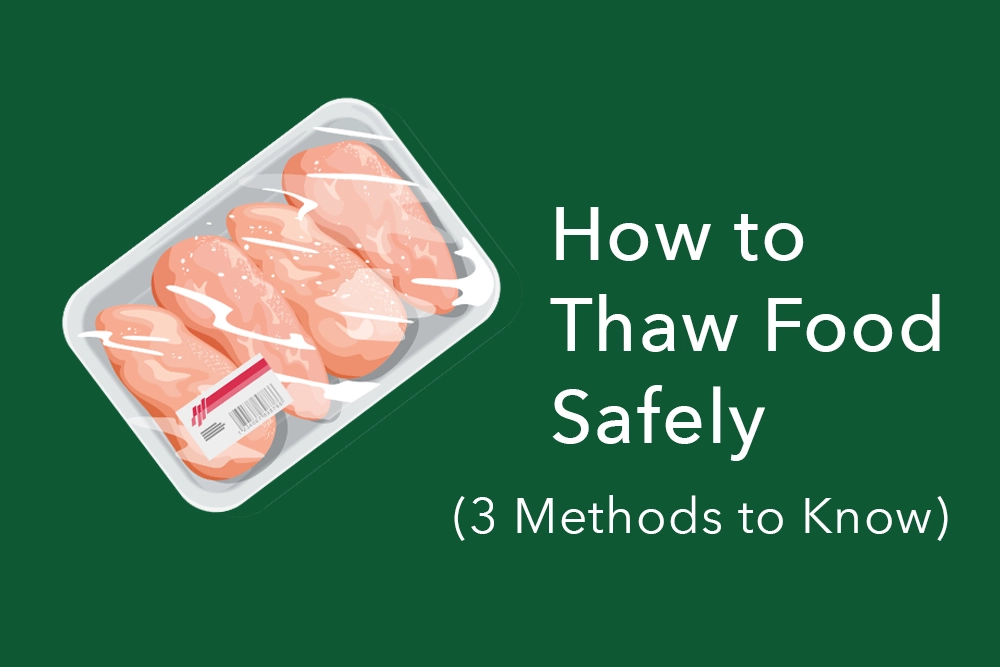
Instead of using the counter, try these safe thawing methods:
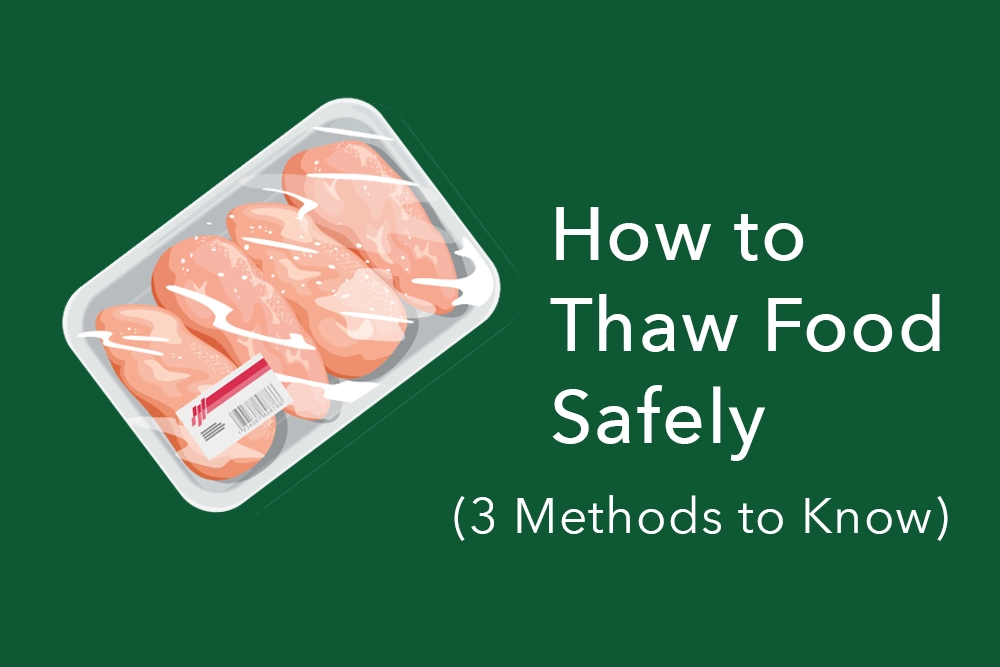
Plan ahead: Thaw food in a pan or bowl in the refrigerator. The container will catch any juices released during thawing, preventing cross-contamination.
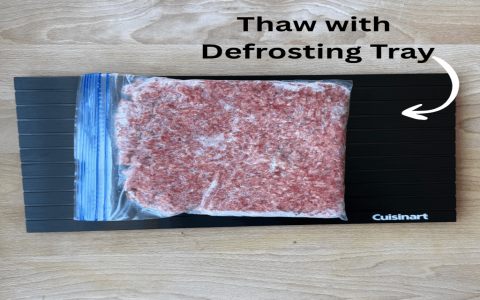
Rushed? Use water or microwave: For smaller items like frozen shrimp or chicken breasts, thaw under running water (70 degrees F or below) or in a bowl of cold water (change the water every 30 minutes). You can also use the microwave’s defrost setting, but cook the food immediately afterward—microwaves heat unevenly, so bacteria can grow if you wait.
No time to thaw? Cook from frozen: Thin fish filets or frozen veggies can be cooked directly from frozen. This skips the defrosting step and keeps food out of the danger zone (40–140 degrees F) where bacteria thrive.

For more tips on defrosting meat or chicken, check out guides on thawing those items safely. For frozen salmon, there are methods to cook it without thawing first—perfect for last-minute meals.