














The Art and Science of Food Toppings: Elevating Every Bite
Introduction
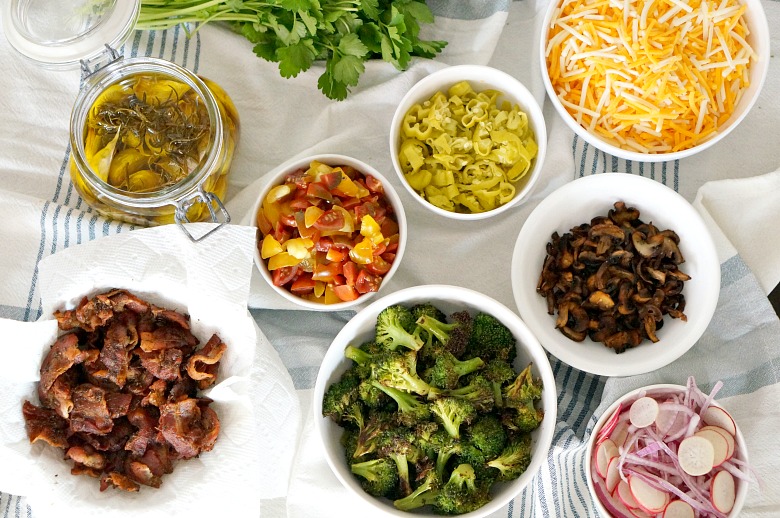
A finishing sprinkle, a final drizzle, a delicate leaf—toppings quietly turn good food into memorable food. They add crunch, color, aroma, and story, guiding both palate and imagination. This brief tour looks at why these small extras matter, how they work on a sensory level, and the way they travel across cultures while still feeling personal.
The Significance of Food Toppings
The Role of Toppings in Culinary Art
Far from an afterthought, a topping is a chef’s signature punctuation. It can brighten mild flavors, tame rich ones, or paint a last stroke of contrast on the plate. Used with intent, even a single herb leaf can shift the entire balance of a dish.
Enhancing Taste and Texture
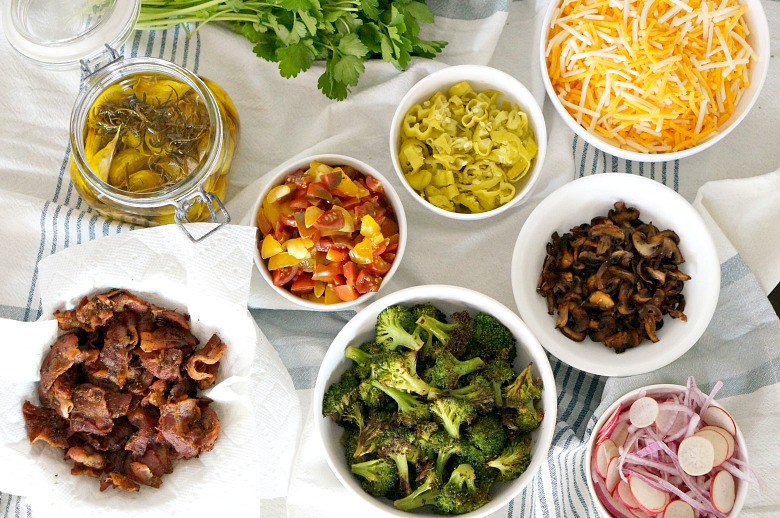
A salty shard of cheese can deepen mellow sauces, while a spoon of cool yogurt can soften spicy stews. Crushed nuts crackle against silky soups, and citrus zest lifts heavy bites. By layering sensations, toppings keep every forkful interesting.
The Science of Food Toppings
Flavor Chemistry
Taste is only part of the picture. Aroma molecules travel to the nose, while compounds like glutamates spark the savory “umami” signal. Toppings rich in these compounds—fermented pastes, sun-dried tomatoes, roasted mushrooms—magnify flavor without extra salt.
Texture and Mouthfeel
Sound matters too: the brain hears crunch and predicts freshness. Meanwhile, smooth butters and whipped creams create a sense of indulgence. Alternating textures keeps the mouth curious and the mind engaged.
Cultural Impact of Food Toppings
Global Culinary Traditions
Across continents, toppings act as edible postcards. North-African dukkah brings warmth and nuts to bread, Japanese seven-spice adds fire and citrus to noodles, and Nordic foraged berries tint desserts with forest notes. Each carries the memory of place and season.
Cultural Evolution
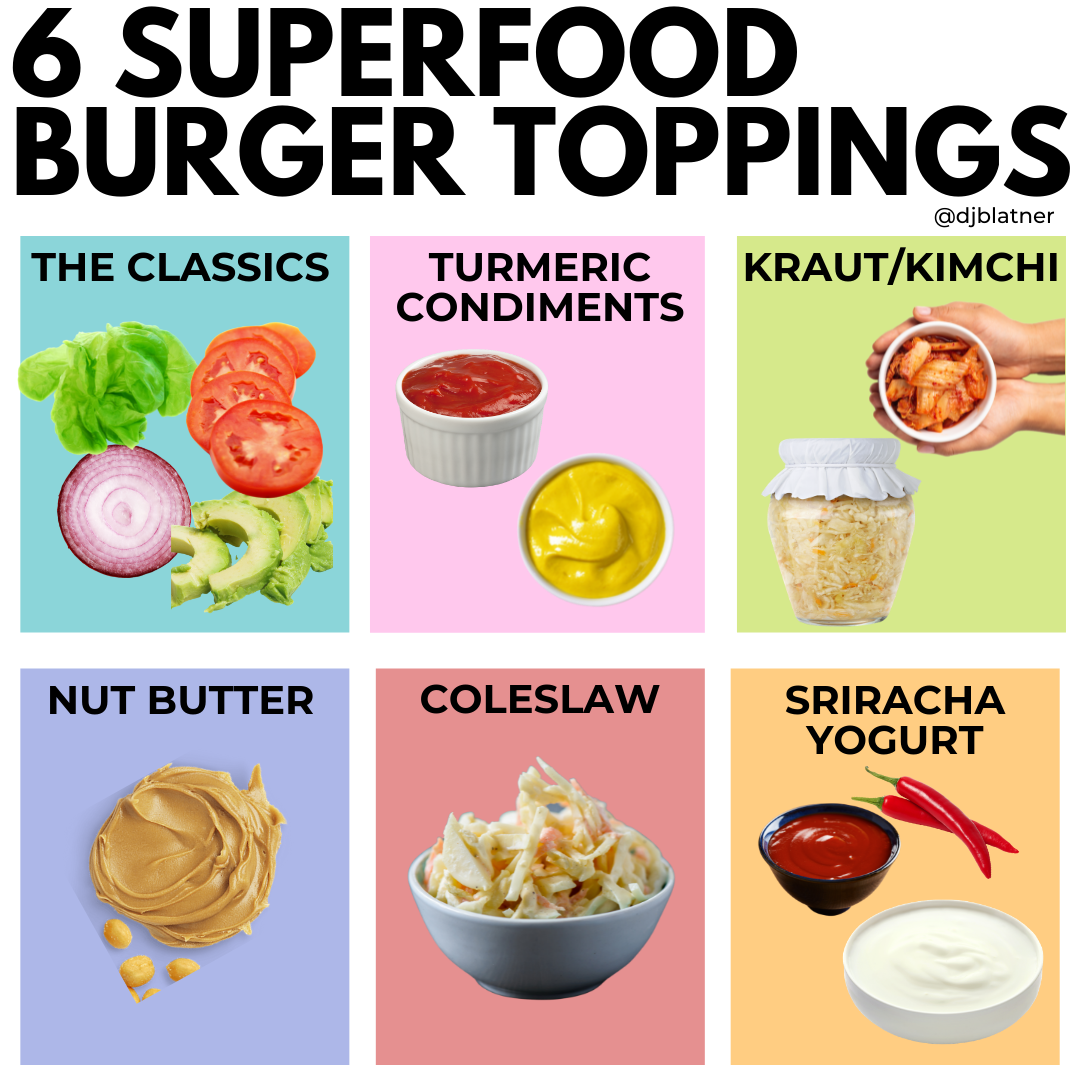
As people move and mingle, toppings mingle too. Kimchi finds its way onto tacos, tahini meets granola, and yuzu brightens cheesecakes. These gentle fusions keep heritage alive while making room for new stories.
Popular Food Toppings
Classic Toppings
Time-tested favorites still earn their keep:
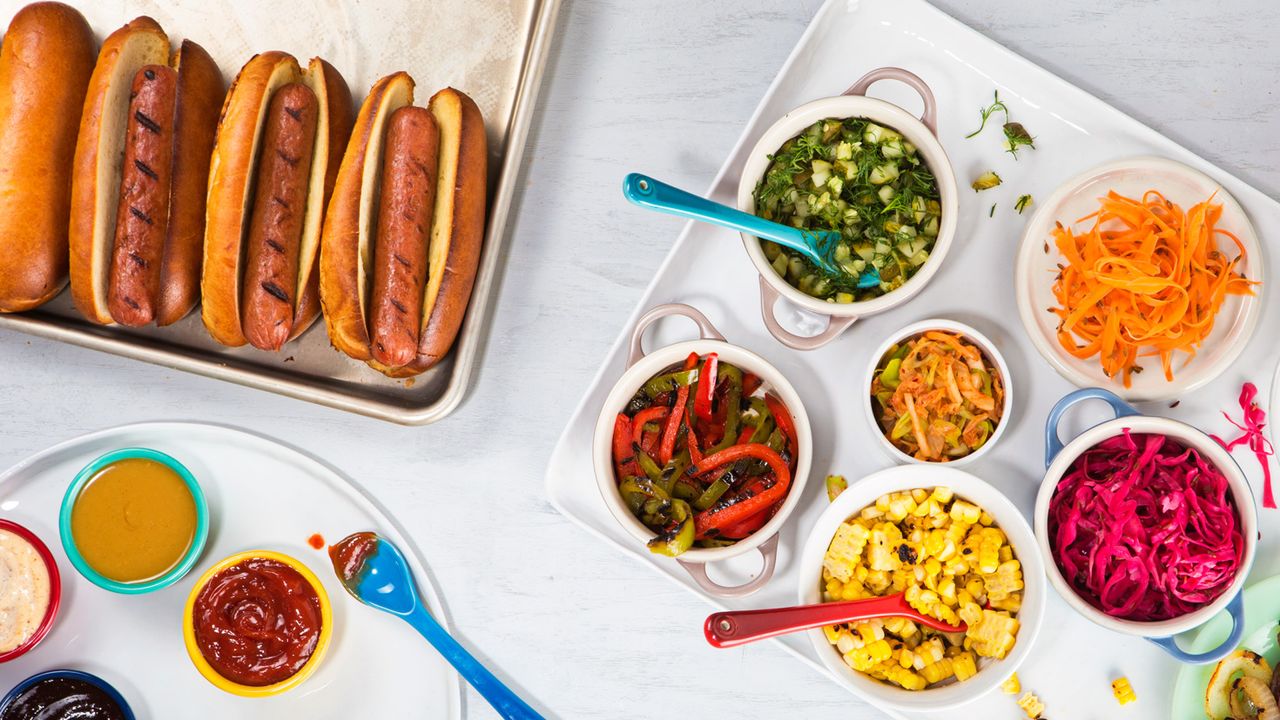
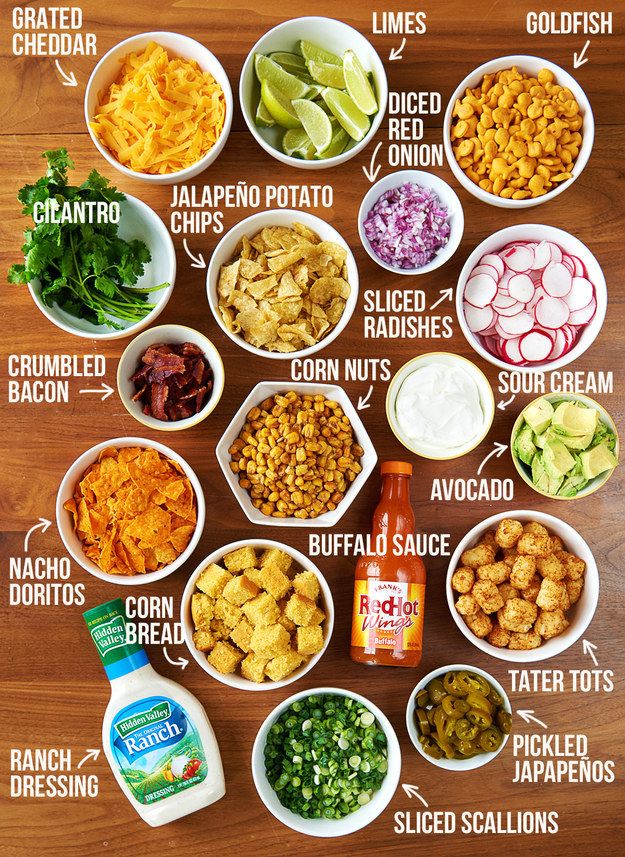
– Cheese: aged, melted, or crumbled for salt and richness.
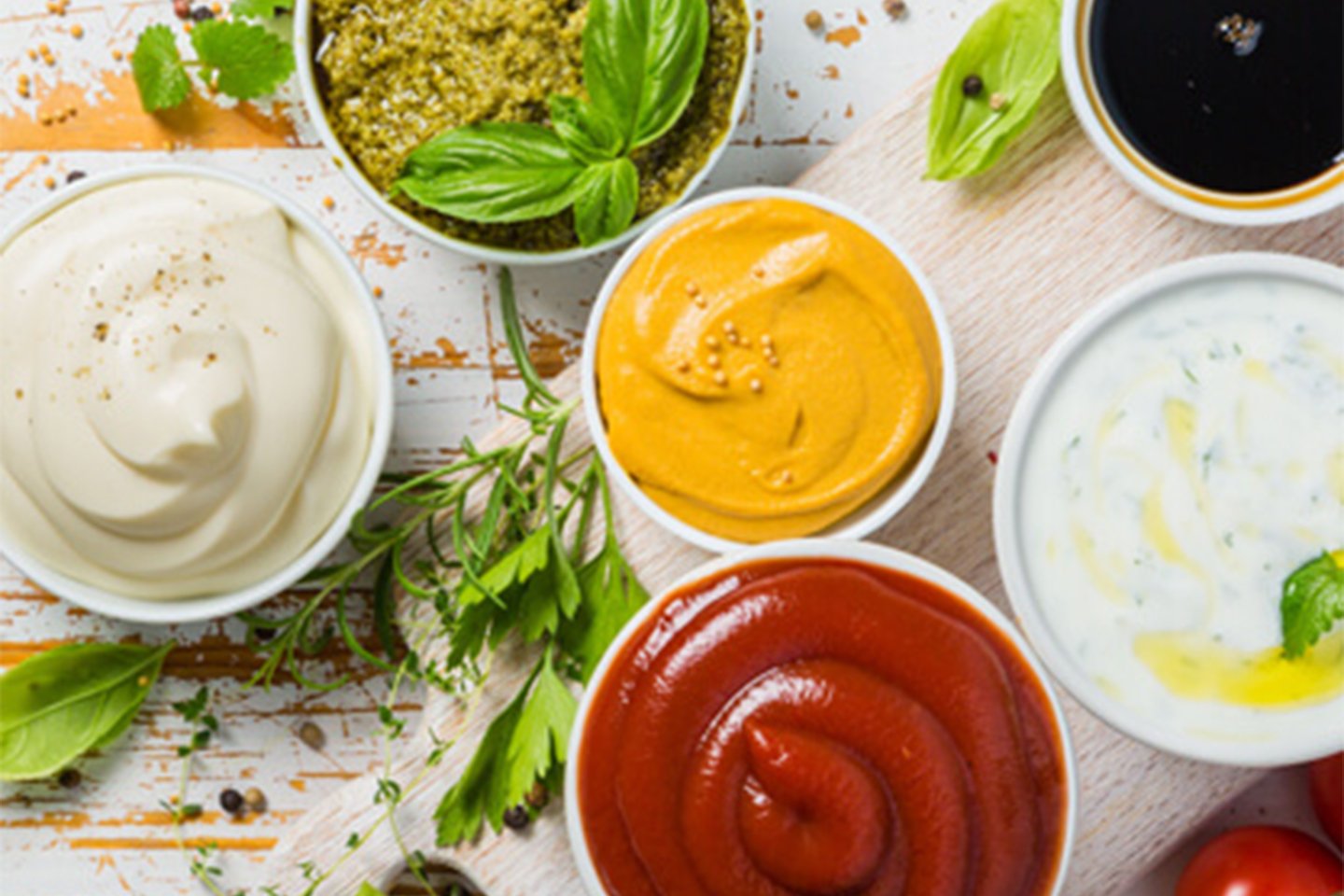
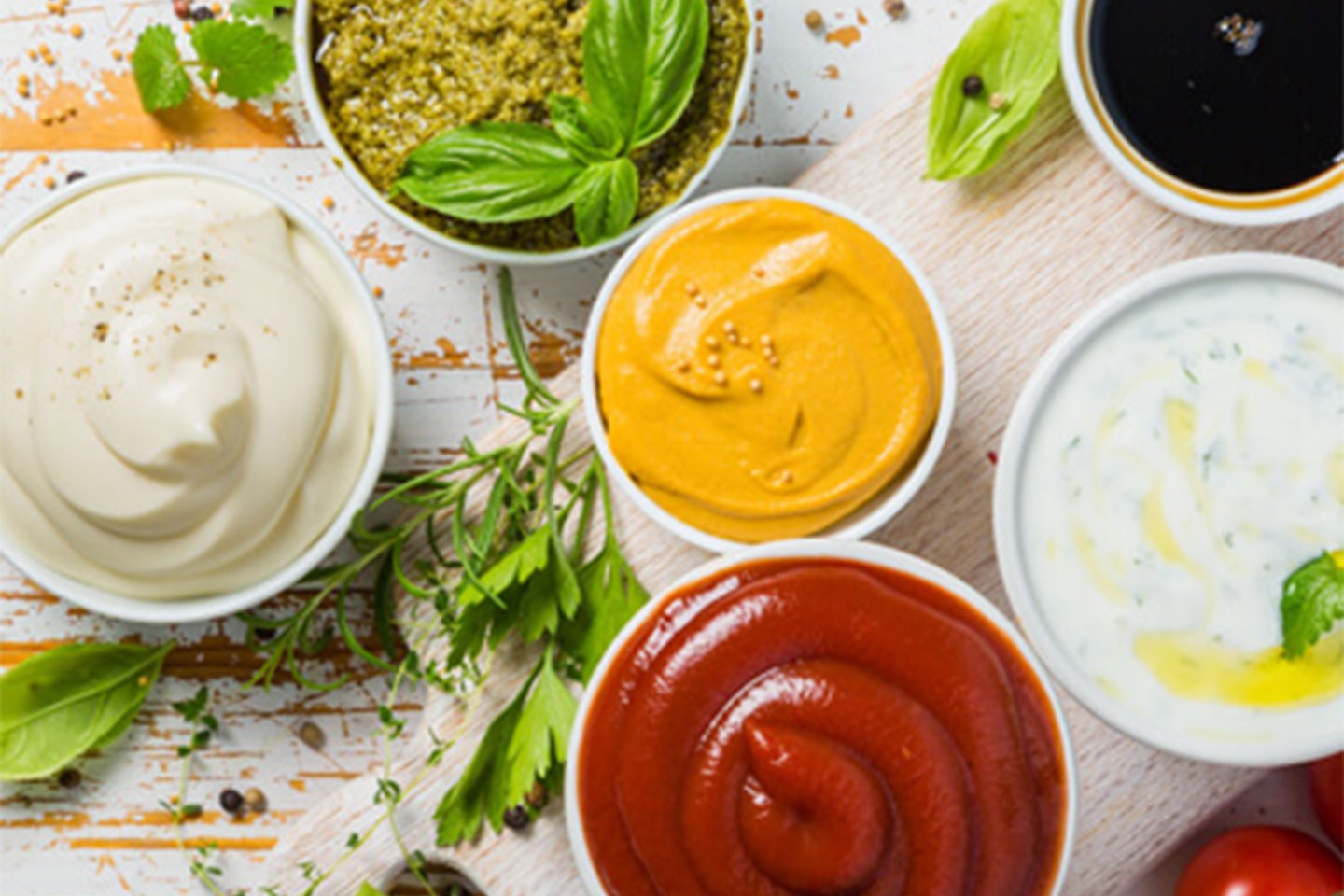
– Sauces: ketchup, aioli, mustard, and their countless regional cousins add moisture and tang.
– Herbs & Spices: basil, oregano, cumin, and paprika paint aroma in bright strokes.
Modern Innovations
Kitchens now reach further:
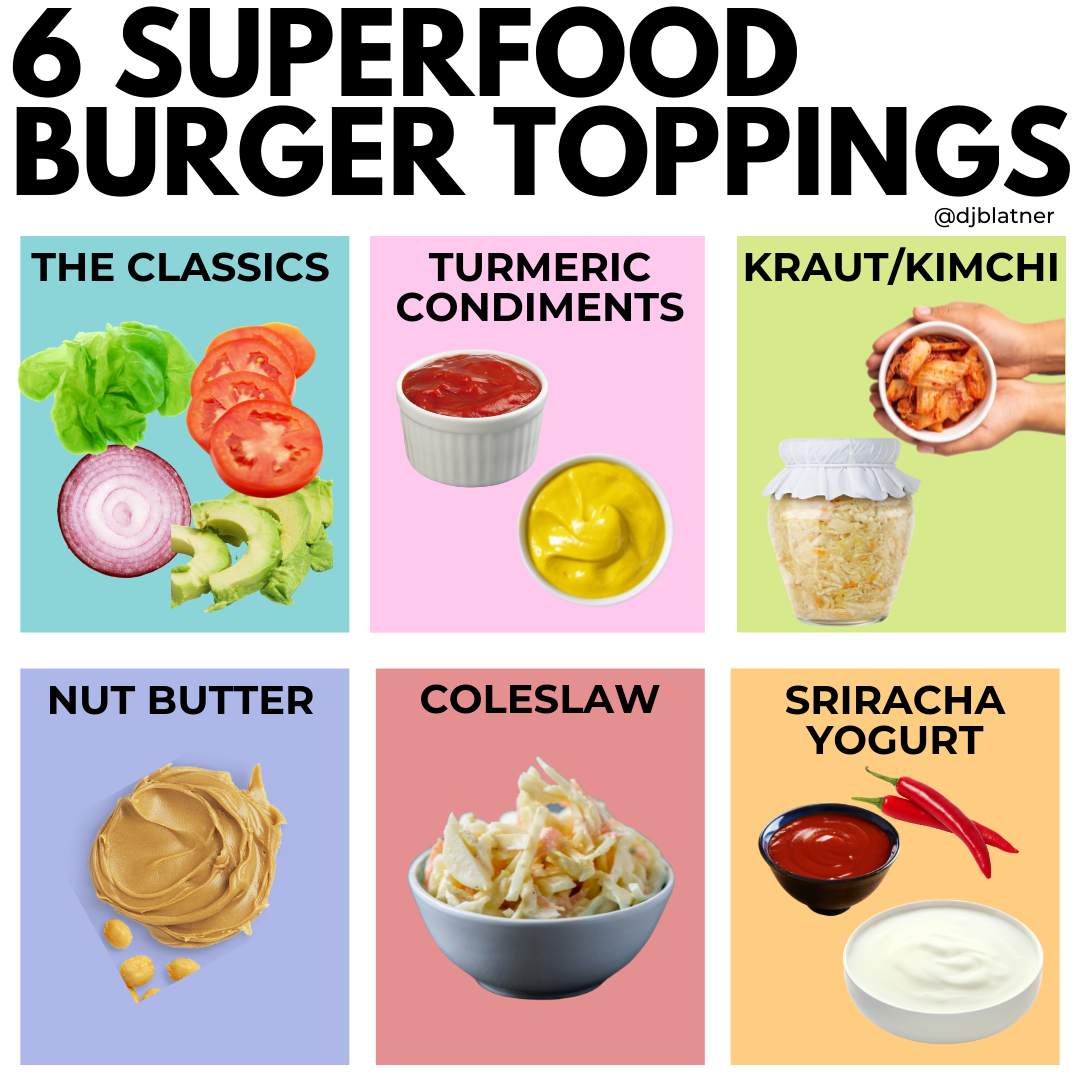
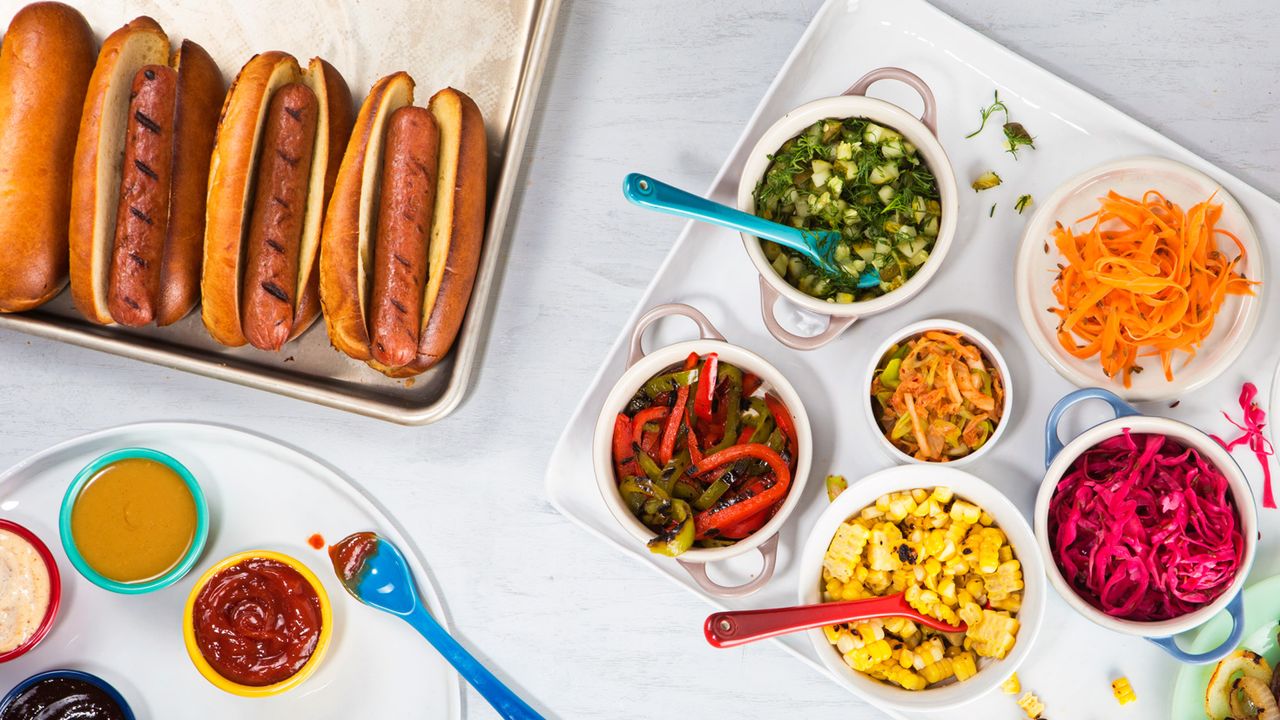
– Ferments: kraut, kimchi, and miso bring zip and friendly microbes.
– Super-seeds: chia, flax, and hemp offer subtle crunch and gentle nutrition.
– Local gems: chefs pickle young stems, candy flower petals, or smoke regional salt to celebrate the landscape outside their door.
Conclusion
From chemistry to culture, toppings prove that small things can wield large influence. They sharpen flavor, carry tradition, and invite play. As palates evolve, so will the sprinkle at the end—ensuring the next bite is always a little surprising.
Recommendations and Future Research
Curious cooks can keep the momentum going:
– Hunt for hidden flavors: wild herbs, leftover stems, or toasted peels may become tomorrow’s favorite crunch.
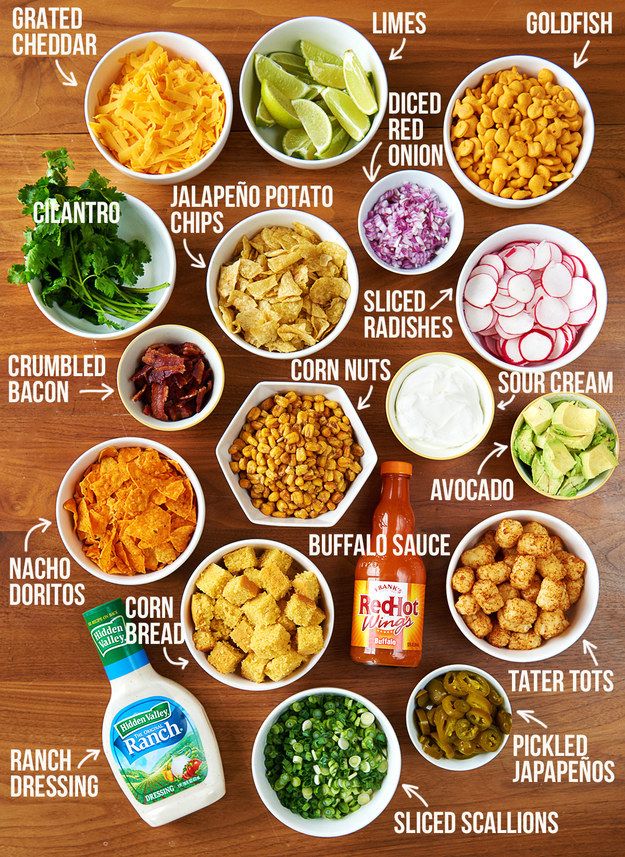
– Balance pleasure and wellness: exploring reduced-salt ferments or fiber-rich sprinkles lets indulgence and health coexist.
– Teach the craft: sharing topping techniques—quick pickles, flavored oils, spice blends—passes creativity forward and keeps tables lively.
In the end, the final flourish is more than decoration; it is an open invitation to taste, remember, and imagine again.