






















The Rise of Home-Cooked Meal Sharing: A Fresh Chapter in Dining Culture
Introduction
Across neighborhoods and cities, more diners are skipping restaurants in favor of meals prepared in someone else’s home kitchen. This growing appetite for home-cooked offerings is reshaping how people think about food, community, and convenience. The following overview looks at what drives this trend, the rewards it brings, and the hurdles it faces.
What is Home-Cooked Meal Sharing?
Definition
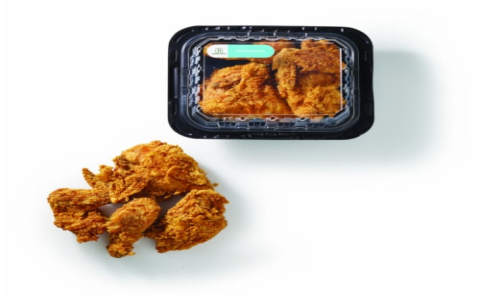
It is the practice of passionate cooks welcoming guests—or delivering to them—dishes made in domestic kitchens. These cooks are usually unlicensed professionals who rely on skill, creativity, and word-of-mouth rather than formal culinary training.
Characteristics
Meals are typically produced in small batches, emphasize seasonal produce, and carry the cook’s personal story or heritage. Limited runs allow for careful seasoning, thoughtful plating, and flexible menus that change with each cook’s inspiration.

The Impact of Home-Cooked Meal Sharing
Economic Impact
Extra income streams open for talented home cooks, while customers gain access to affordable, distinctive food that sits between restaurant pricing and home cooking costs. Local grocers and farmers also benefit from higher demand for fresh ingredients.
Social Impact
Sharing tables or doorstep drop-offs sparks conversation across cultures and generations. Guests learn regional recipes, cooks receive immediate feedback, and both sides build micro-communities centered on trust and taste.
Environmental Impact
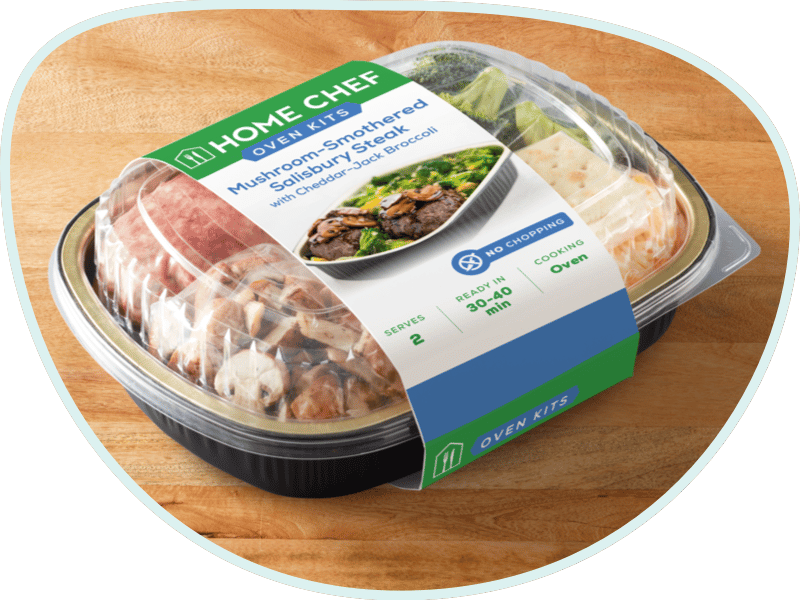
Shorter supply chains mean fewer delivery miles and less refrigeration. Portion sizes are often negotiated in advance, cutting down on uneaten food, while reusable containers replace some single-use packaging.
Benefits of Home-Cooked Meal Sharing
Quality and Freshness
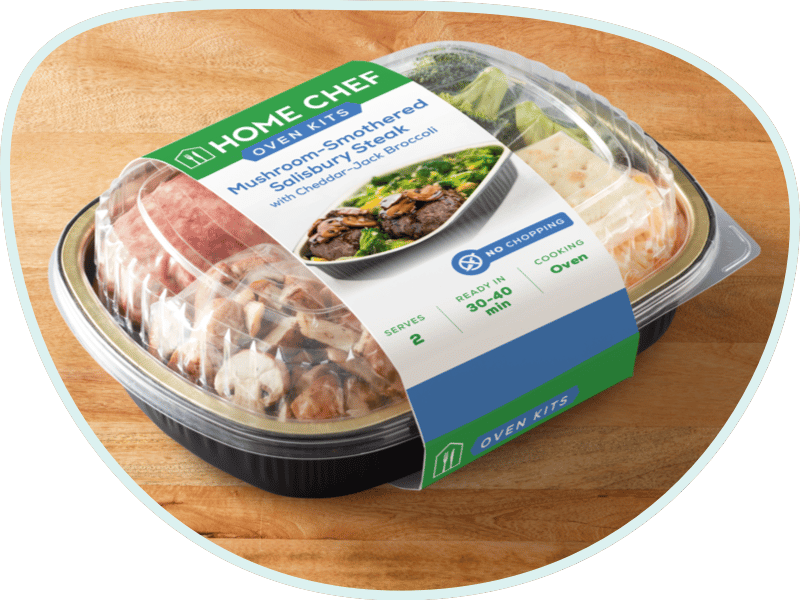
Ingredients are usually bought the same day the dish is prepared, so flavors stay vivid and nutrients remain intact. Because meals are cooked to order, there is little need for preservatives or stabilizers.
Personalization
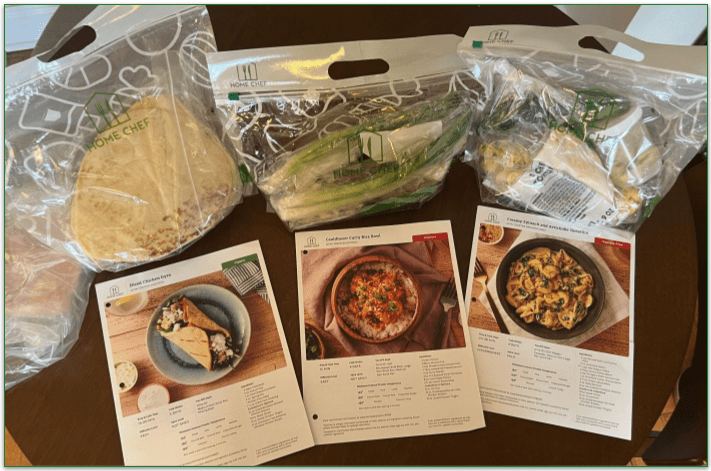
Diners can request reduced salt, gluten-free batters, or extra-spice levels with a quick message. Cooks enjoy the freedom to experiment, knowing their clientele welcomes seasonal tweaks.
Support for Local Producers
Money spent on these meals tends to stay within the neighborhood, sustaining bakeries, urban gardens, and weekend markets that larger distributors often overlook.
Challenges of Home-Cooked Meal Sharing
Regulatory Hurdles
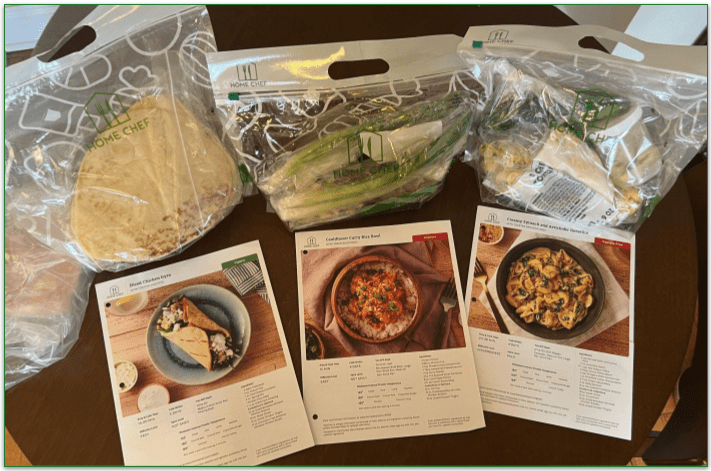
Permit requirements vary widely, and some regions treat home kitchens like commercial restaurants, creating paperwork that can overwhelm part-time cooks.
Scale and Scalability
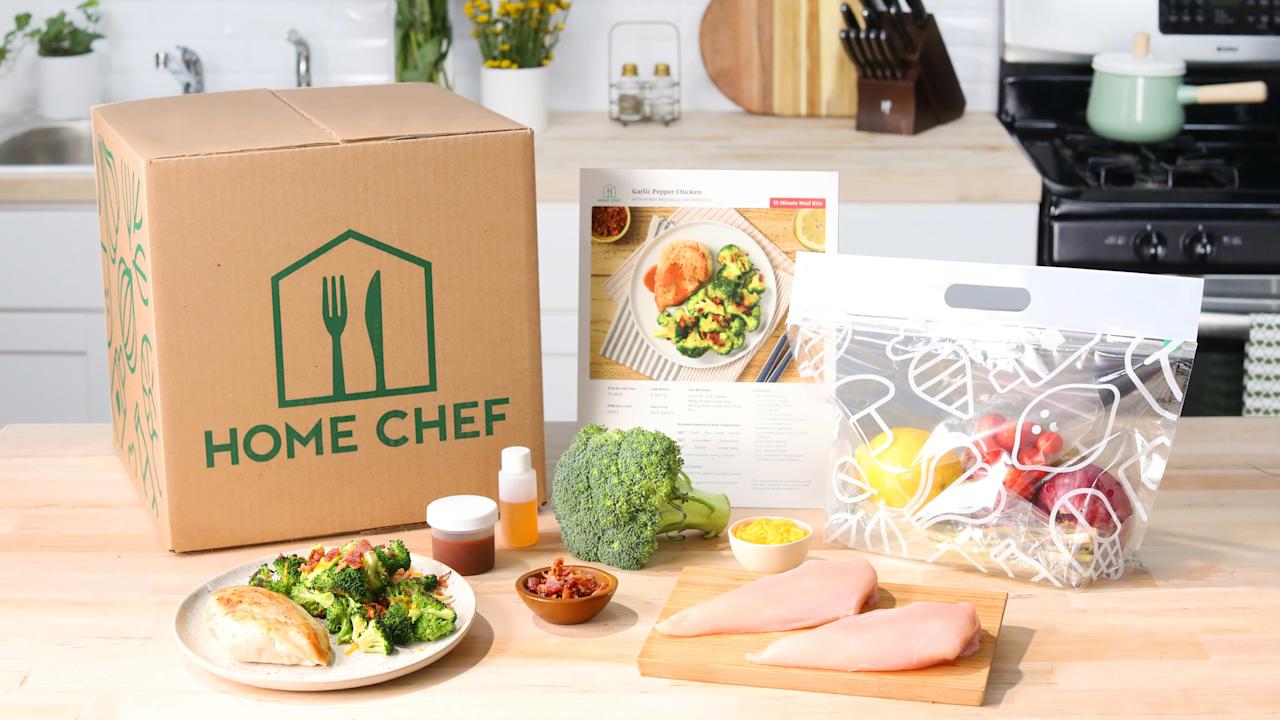
A kitchen built for family use can struggle when orders jump from five to fifty meals. Expanding often means investing in extra cookware, storage, or help, which raises costs.
Market Saturation
As more cooks appear on social platforms, signature dishes can start to look similar. Standing out then depends on storytelling, consistent quality, and reliable timing rather than novelty alone.
The Future of Home-Cooked Meal Sharing
Technological Advancements
Simple scheduling apps, secure payment links, and route-planning tools lower the barrier to entry. Cooks can update menus in real time, while diners track orders much like any delivery service.
Collaboration and Partnerships
Cafés with idle morning space sometimes rent countertops to home cooks for prep work, and local co-ops bundle several cooks under one pickup point, sharing refrigeration and marketing costs.
Policy Changes
Pilot programs in several regions now offer streamlined “micro-enterprise kitchen” permits, reducing fees and inspection steps while maintaining basic safety standards.
Conclusion
Home-cooked meal sharing thrives on intimacy, adaptability, and community trust. If regulators, technologists, and cooks continue to cooperate, this grassroots movement can mature into a lasting complement to restaurants, food trucks, and grocery aisles—giving eaters more choice and neighborhoods a tastier sense of identity.

References
– Recent overview of informal culinary enterprises and their economic ripple effects.
– Comparative study on community-building through shared meals and local sourcing.

– Policy brief on balancing food-safety rules with support for small-scale cooks.