














Zero-Cost Cooking: A Quiet Kitchen Revolution
Introduction

Zero-cost cooking is quietly reshaping how people think about meals. By focusing on imagination, sharing, and what already exists around us, it sidesteps the cash register and invites everyone—from students to grandparents—to rethink ingredients, tools, and community. This overview looks at what the movement is, why it matters, and how anyone can begin.
What is Zero-Cost Cooking?
Zero-cost cooking means putting food on the table without opening a wallet. It can involve swapping surplus garden herbs, rescuing day-old bread, learning quick pickling, or simply gathering neighbors for a potluck of “found” foods. The goal is to keep edible items out of bins, share knowledge, and enjoy the process.

Benefits of Zero-Cost Cooking
1. Budget Relief
When ingredients arrive as gifts, leftovers, or foraged greens, weekly food bills shrink. Savings can then cover rent, transit, or little treats that usually feel out of reach.
2. Lighter Footprint
Meals built from rescued or home-grown foods shorten supply chains and cut packaging. Fewer car trips to the store and less landfill methane follow naturally.
3. Stronger Neighbor Ties
Trading lemons for homemade jam starts conversations across fences. Over time, these small swaps weave trust and mutual aid into everyday life.
4. Healthier Plates
Cooking from scratch lets people limit salt, sugar, and additives. Seasonal produce, picked ripe, also brings peak flavor and nutrients to the table.

Challenges of Zero-Cost Cooking
1. Ingredient Availability
City dwellers may walk past more concrete than compost. Finding free produce can take legwork, timing, and friendly connections.

2. Skill Levels
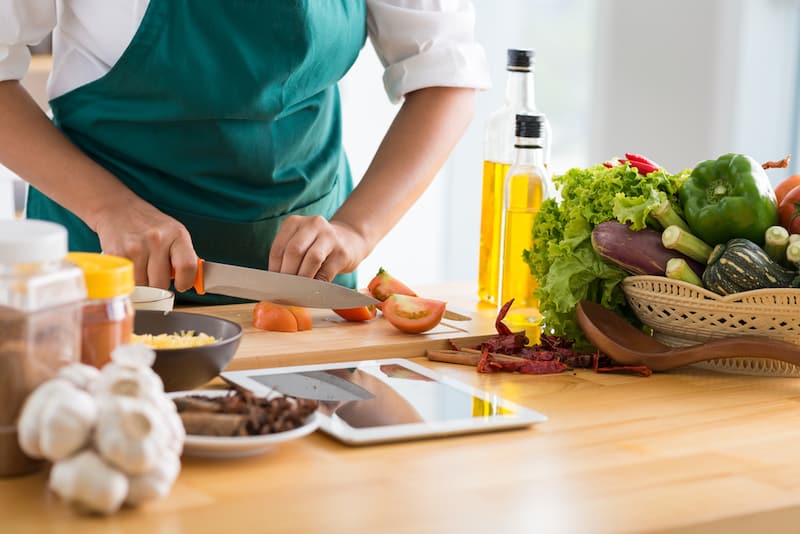
Turning odd bits into dinner requires basic knife skills and a few reliable techniques. Confidence grows with each successful experiment.
3. Time and Energy
Planning, foraging, or attending swap events demands hours some workers simply do not have. Batch cooking and group efforts can ease the load.
Case Studies and Success Stories
1. Shared Garden Plots
Across many towns, vacant lots have become cornucopias of tomatoes, beans, and herbs. Volunteers harvest, cook together, and donate extras to nearby shelters.
2. Ingredient Swap Tables
Monthly meet-ups in libraries or churches let attendees trade rosemary for radishes, or chili flakes for chutney. Recipes travel with the goods, sparking new dinner ideas.

3. Open Kitchen Workshops
Local chefs and home cooks host free evening classes on bread baking, quick fermentation, or tofu-making. Participants leave with full stomachs and new confidence.
Conclusion

Zero-cost cooking is less about spending nothing and more about valuing everything. It turns surplus into supper, strangers into friends, and daily routines into small climate victories. The hurdles are real, yet the payoff—healthier people and neighborhoods—makes the effort worthwhile.
Recommendations and Future Research
To keep the momentum going, communities can:
1. Plant micro-gardens on rooftops, schoolyards, and balcony rails to expand free produce supply.
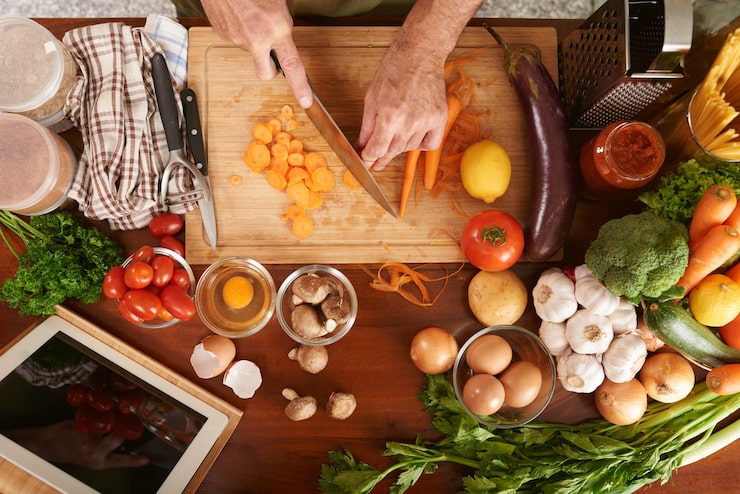
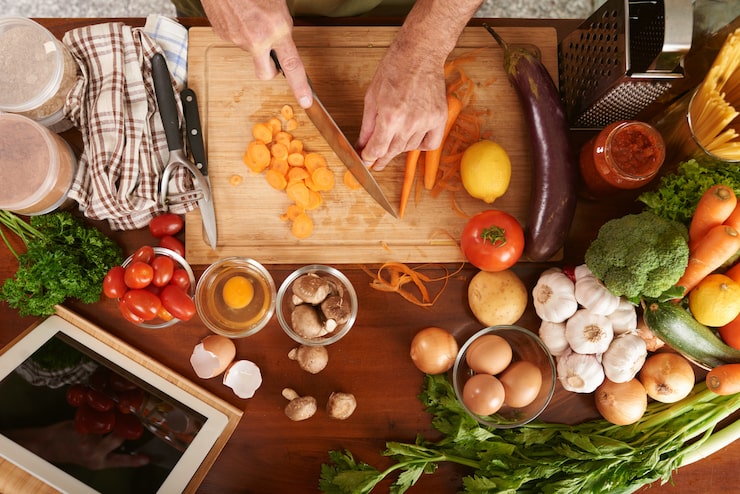
2. Schedule regular skill-sharing sessions covering basics like safe knife handling, simple preserves, and one-pot meals.
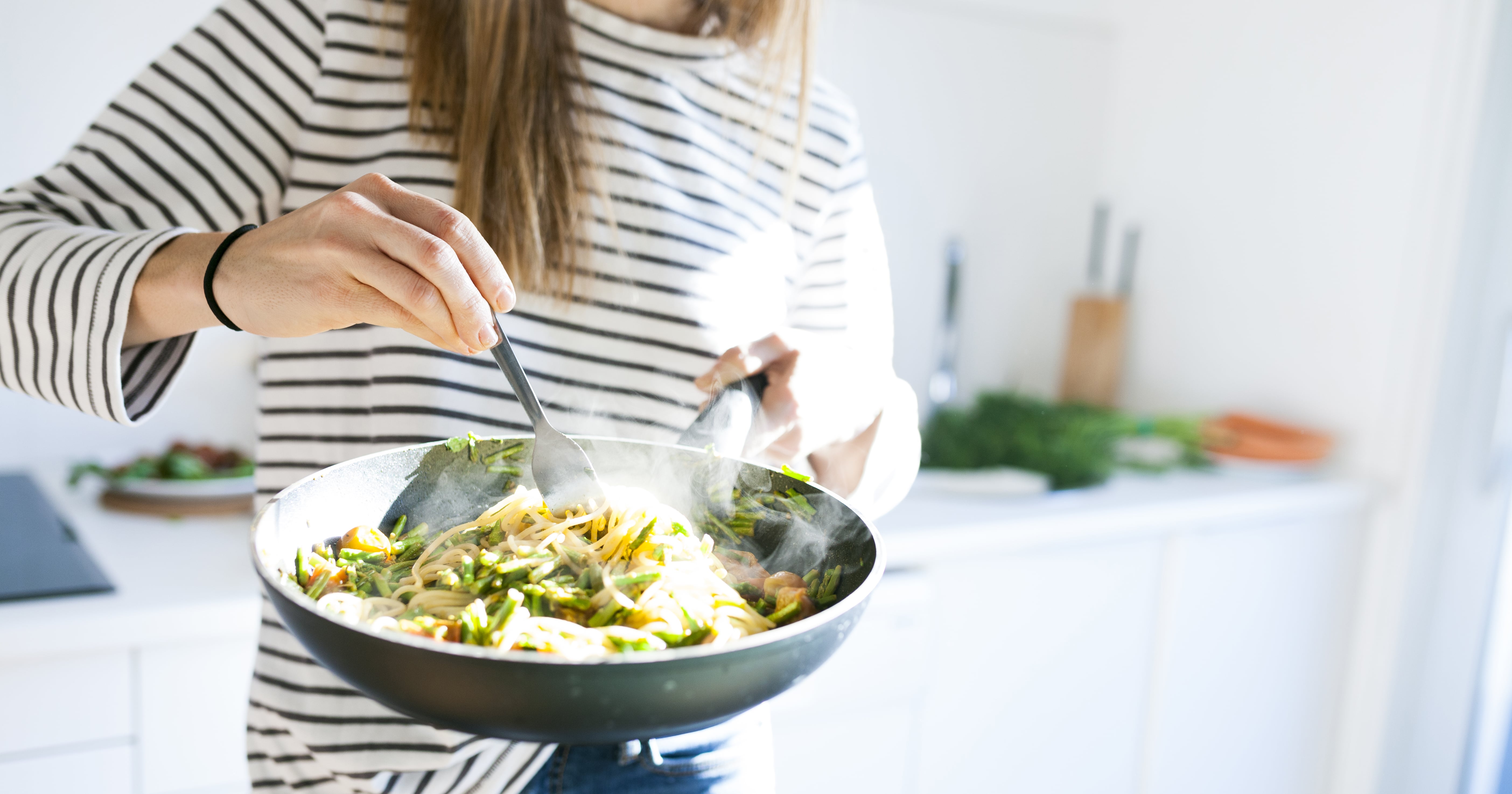
3. Partner with local markets, cafés, and bakeries to channel unsold goods into creative evening cook-ups.
Researchers might explore:
1. Long-term effects on household budgets, nutrition, and social cohesion.
2. Scalable models for dense cities where space and time are tight.
3. Digital tools—such as neighborhood alert apps—that match surplus food with willing cooks in real time.