




















The Diverse World of Types of Food Eaten: A Comprehensive Exploration
Introduction
Food choices around the globe mirror the cultures that create them. Beyond simple nourishment, dishes express identity, history, and shared customs. This overview surveys common eating patterns worldwide, highlighting their background, health qualities, and cultural meaning. Recognizing such variety deepens respect for humanity’s culinary heritage.
Global Dietary Patterns
1. Western Diets
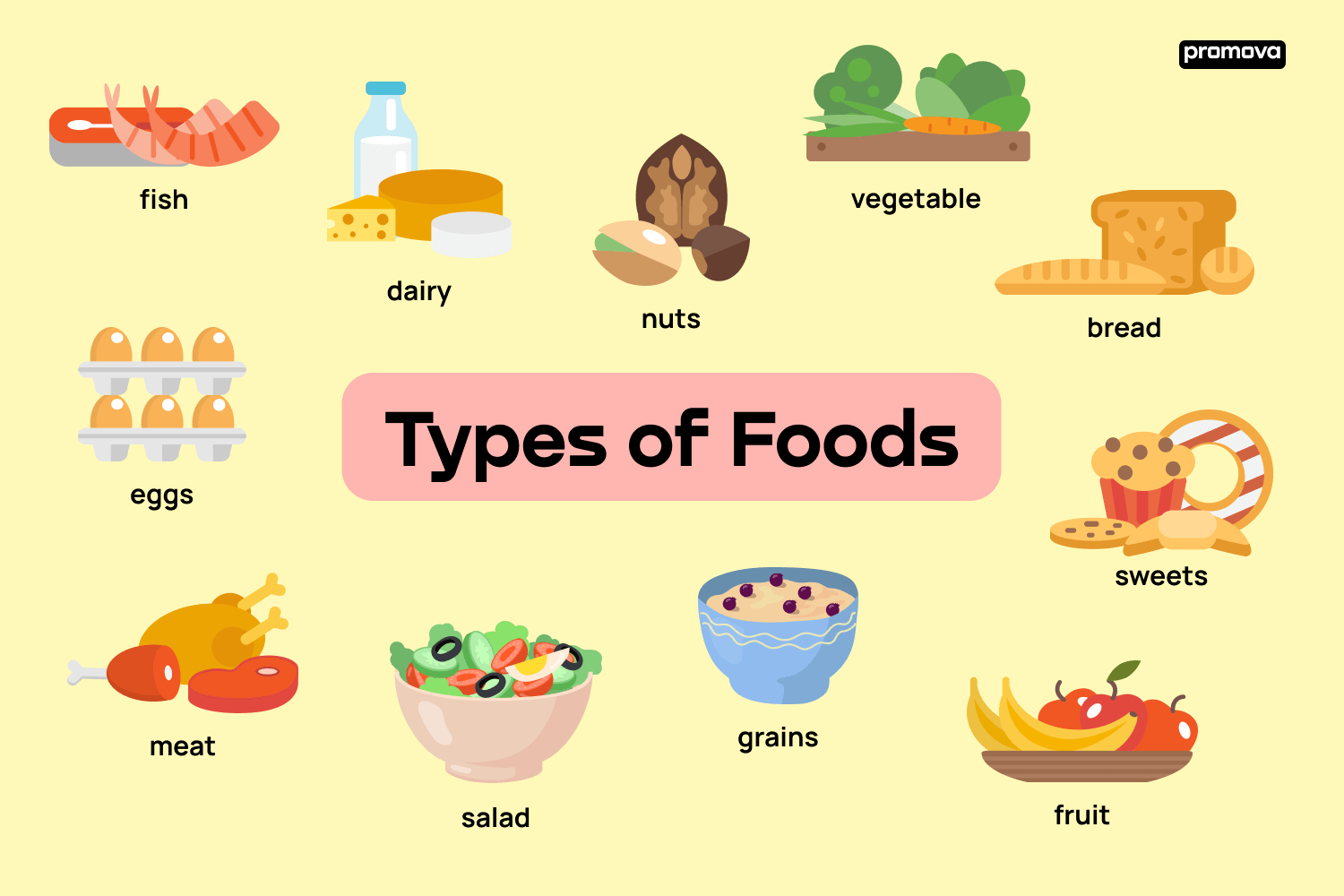
Typical Western eating styles feature generous amounts of processed items, red meat, and dairy. These habits are frequently linked to higher chances of obesity, heart conditions, and type 2 diabetes. Research suggests this pattern remains among the leading drivers of preventable illness in many regions.
2. Mediterranean Diet
Built around fruit, vegetables, whole grains, legumes, nuts, and olive oil, the Mediterranean approach is praised for supporting heart health and lowering stroke and cancer risk. Observational studies indicate that people who follow this style often experience fewer cardiovascular events than those on low-fat plans.
3. Asian Diets
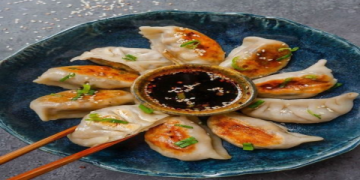
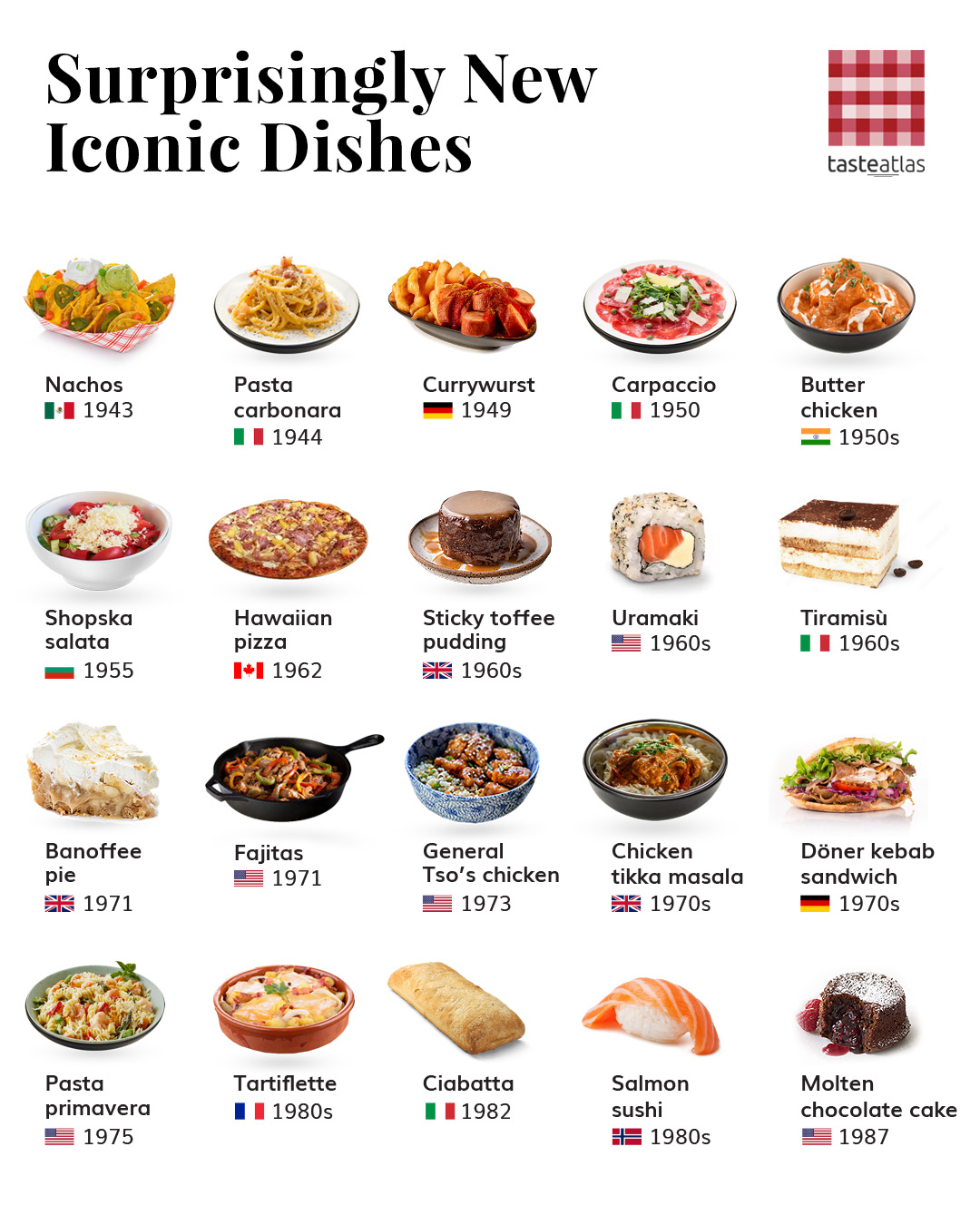
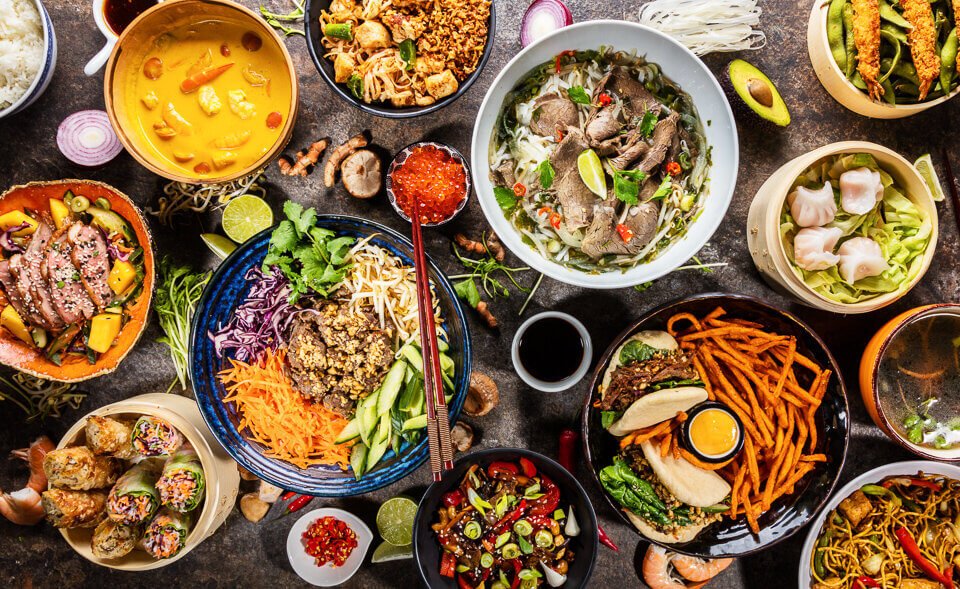
Traditional Asian cuisines rely heavily on rice, noodles, soy products, and a wide range of vegetables. Lower in saturated fat and rich in fiber, these meals are associated with reduced chronic disease rates and longer life expectancy.
Nutritional Values of Different Types of Food
1. Protein-Rich Foods
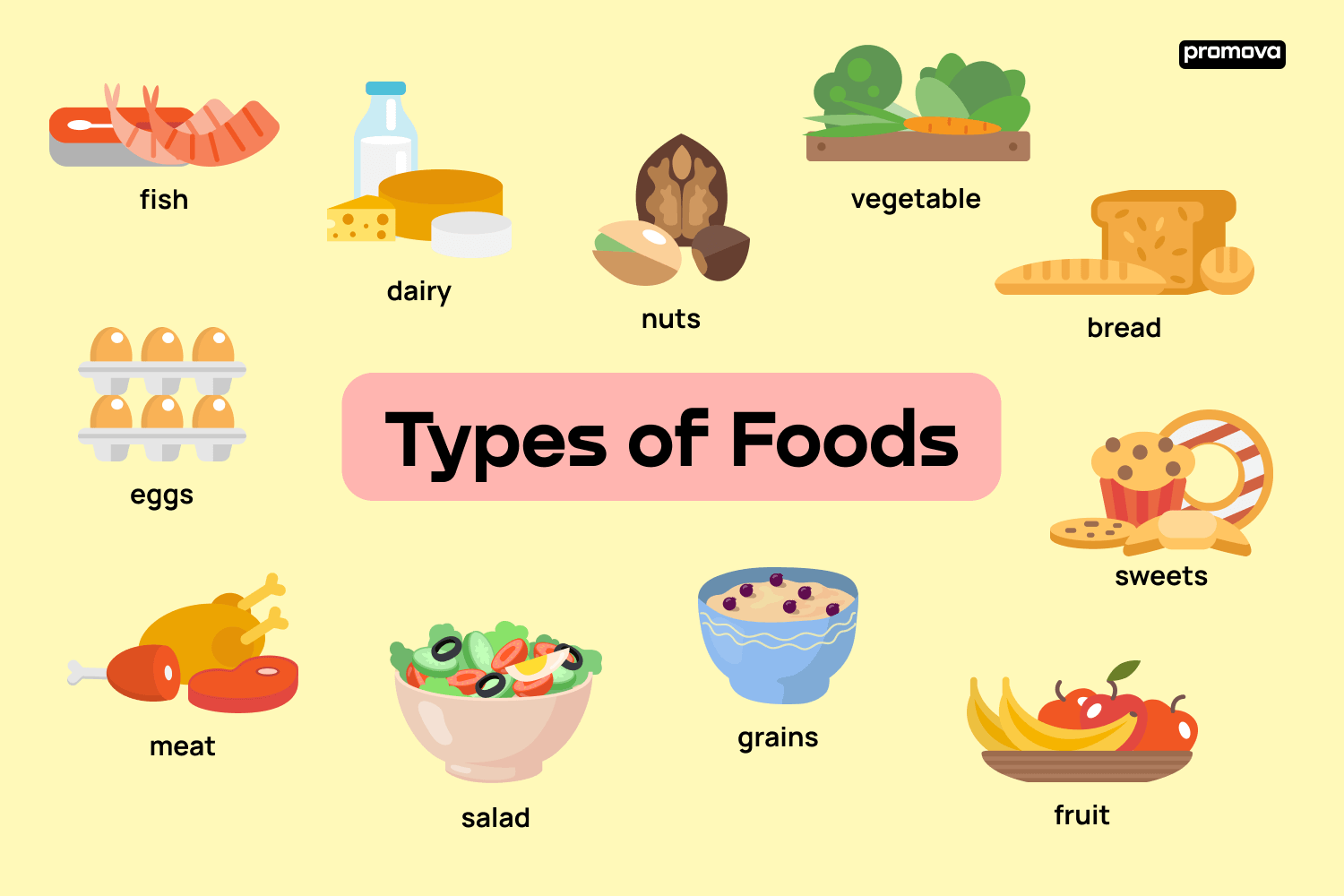
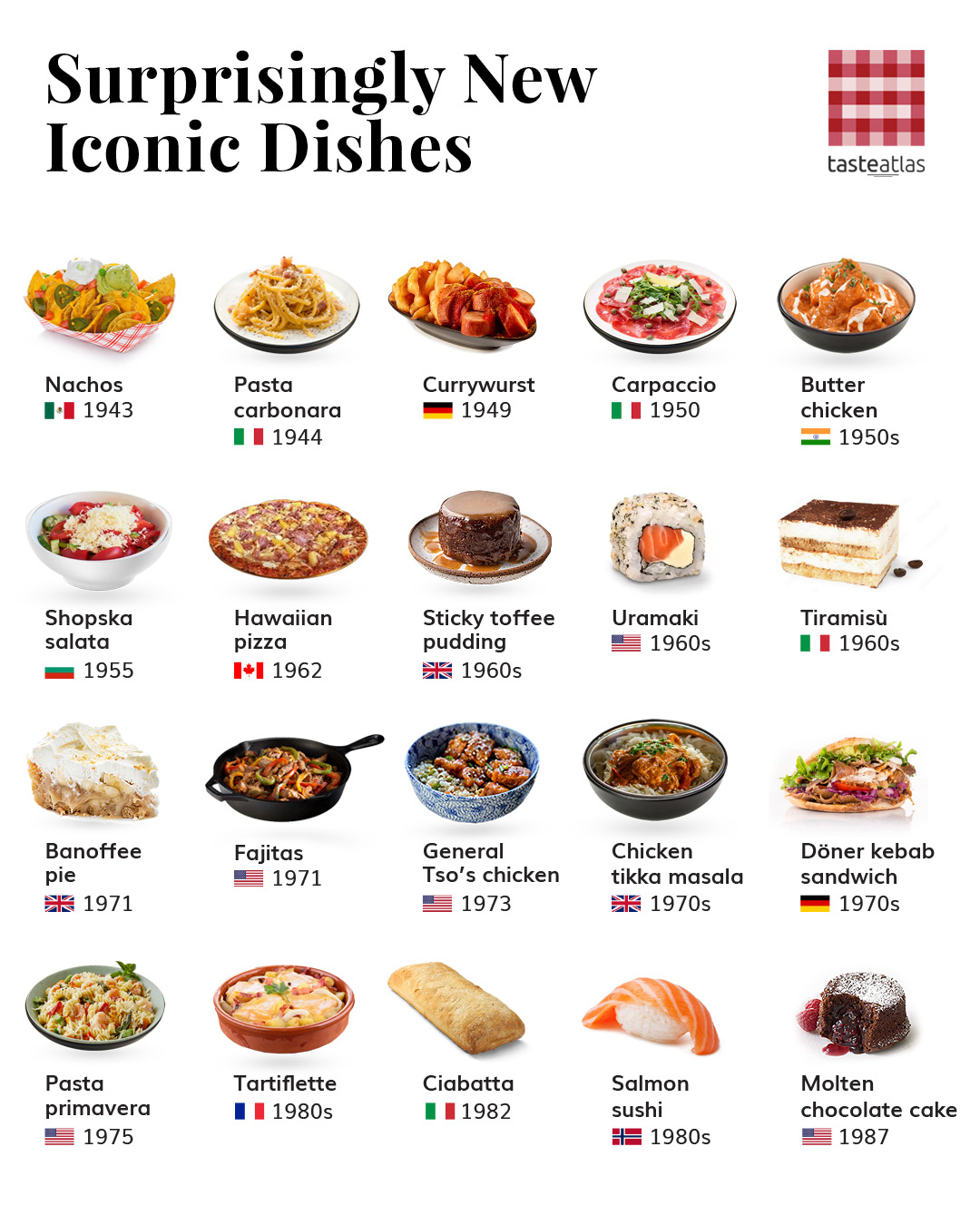
Protein supports muscle repair and immune function. Sources include lean meats, fish, eggs, dairy, beans, lentils, and nuts. Health authorities generally advise adults to include a moderate serving at each meal.
2. Carbohydrates

Carbohydrates fuel daily activities. Complex forms—whole grains, beans, and vegetables—release energy slowly and supply fiber, whereas refined sugars and white flour can spike blood glucose. Nutrition guidelines suggest making whole-food carbs the largest part of calorie intake.
3. Fats
Fats aid vitamin absorption and hormone balance. Unsaturated types from fish, avocado, seeds, and olive oil protect the heart, while excess saturated and trans fats are discouraged. Experts recommend emphasizing the healthier varieties and keeping overall fat intake within daily calorie needs.
Cultural Significance of Food
1. Festivals and Celebrations
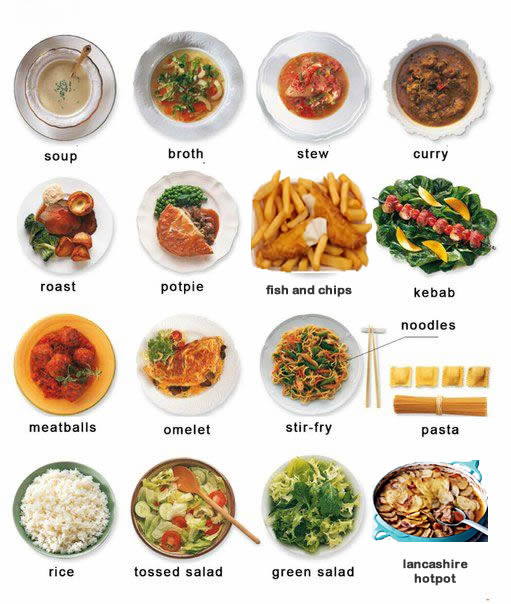
Special dishes mark holidays everywhere: sweet treats during festivals of light, fragrant rice preparations at harvest time, or savory stews on national days. These recipes preserve collective memory and strengthen cultural pride.
2. Social Practices
Sharing meals remains a universal way to connect. Family dinners, street-food gatherings, and community feasts build trust and a sense of belonging. Studies show that such food-centered rituals enhance social cohesion and individual well-being.
Conclusion
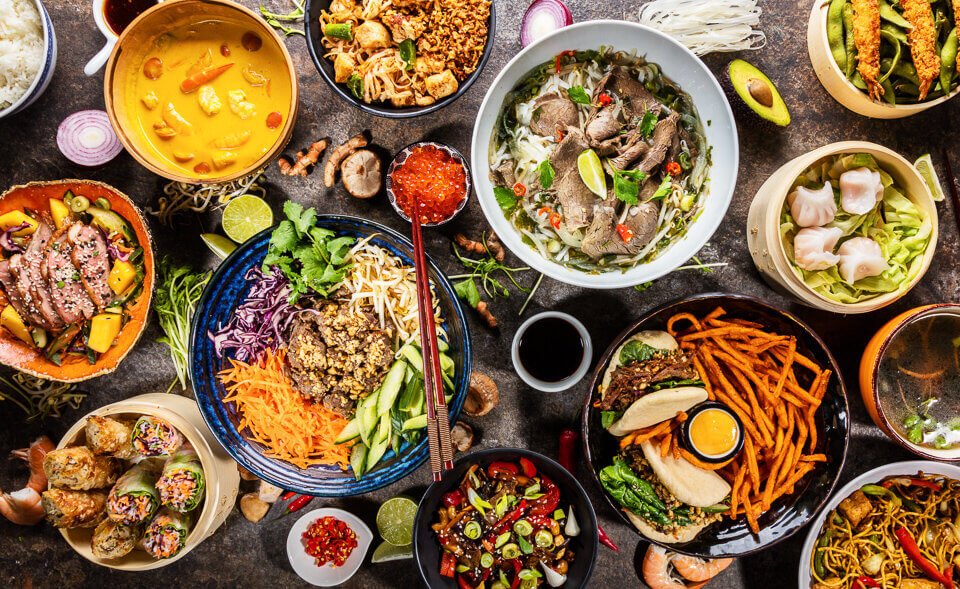
The world’s varied cuisines showcase centuries of adaptation, creativity, and shared experience. Appreciating both the nutritional value and cultural role of different foods encourages balanced choices and respect for global traditions. Embracing dietary diversity can improve personal health while honoring the flavors that unite communities.
Recommendations and Future Research
To broaden knowledge of how eating patterns influence wellness, the following steps are worth considering:

1. Support long-term studies comparing health outcomes across diverse diets.
2. Integrate traditional foodways into nutrition education and public-health campaigns.
3. Examine how communal eating affects social bonds and mental health.

4. Encourage culinary exchange programs that foster cross-cultural appreciation.
Continued exploration of what and how we eat promises not only better health but also deeper global understanding.