










The Importance of Recipe Formatters in Modern Cooking
Cooking has always been central to daily life, and the rise of food blogs, short videos, and streaming cook-along shows has made it more popular than ever. Yet as dishes grow more inventive and ingredient lists longer, even confident home cooks can stumble when translating a recipe from screen to stove. Recipe formatters step in to bridge that gap, turning jotted notes or lengthy blog posts into clear road maps anyone can follow. Below, we look at why these tools matter, how they work, and where they are headed.
What is a Recipe Formatter?
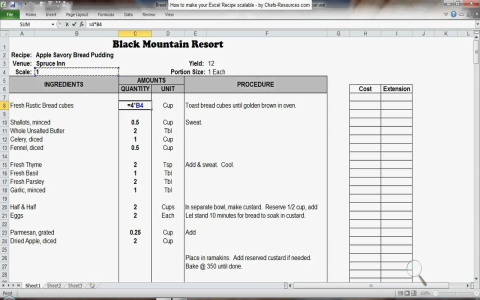
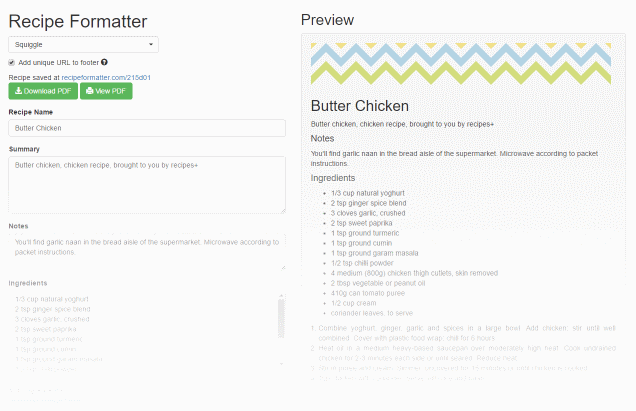
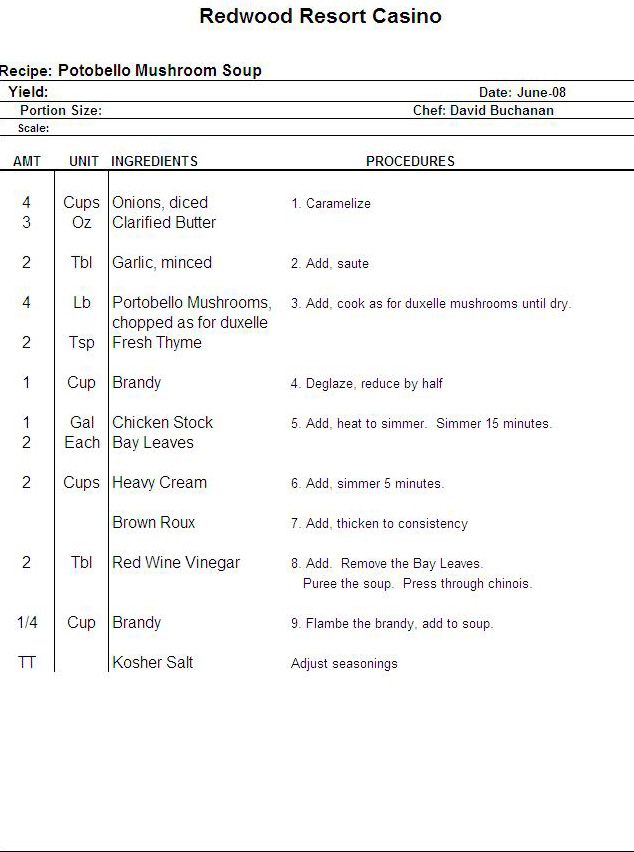
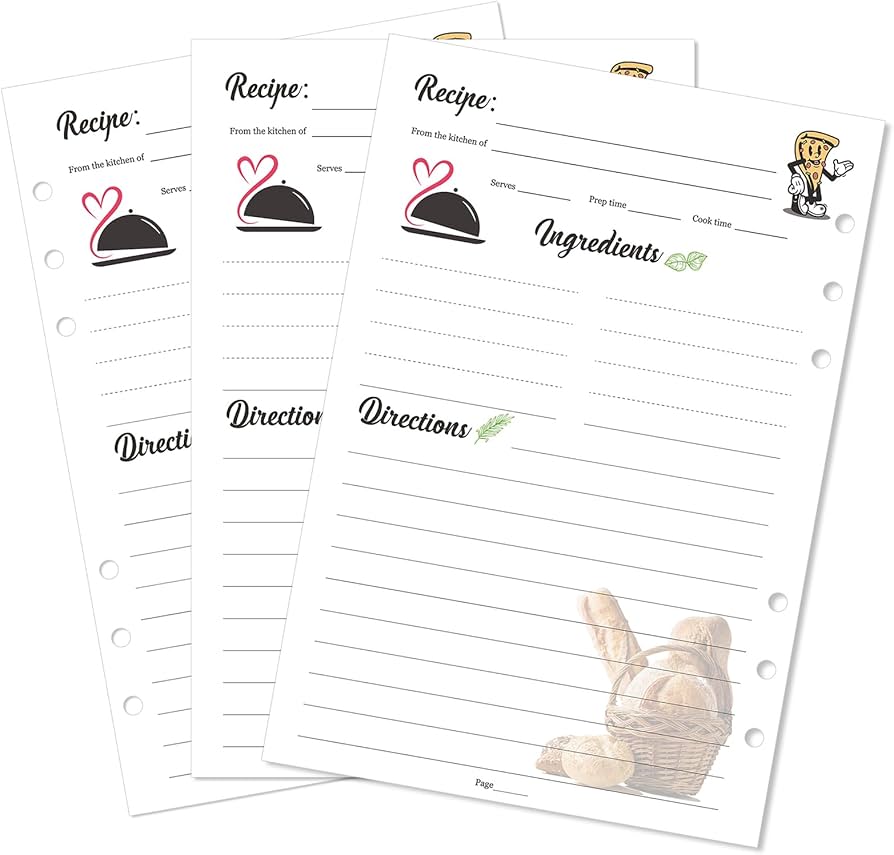
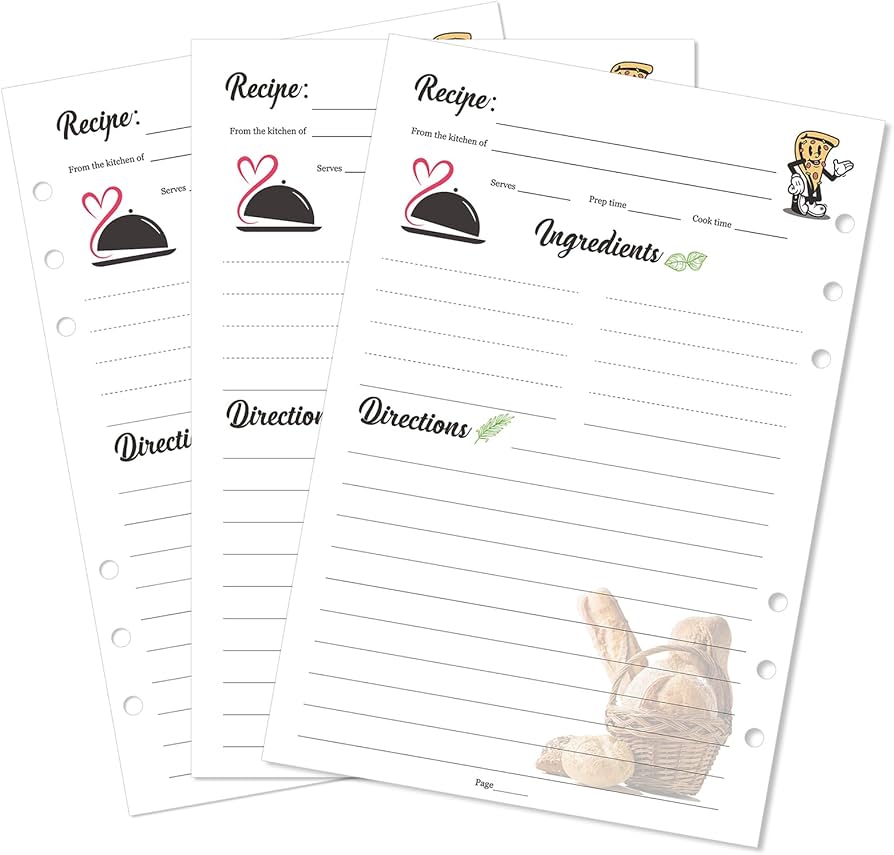
A recipe formatter is any digital service—web app, phone app, or desktop program—that restructures raw recipe text into a consistent, easy-to-scan layout. It breaks prose into labeled blocks such as “ingredients,” “timing,” and “step-by-step instructions,” often adding visual cues like check-boxes or thumbnail photos so cooks can track progress at a glance.
The Benefits of Recipe Formatters
1. Improved Clarity and Organization
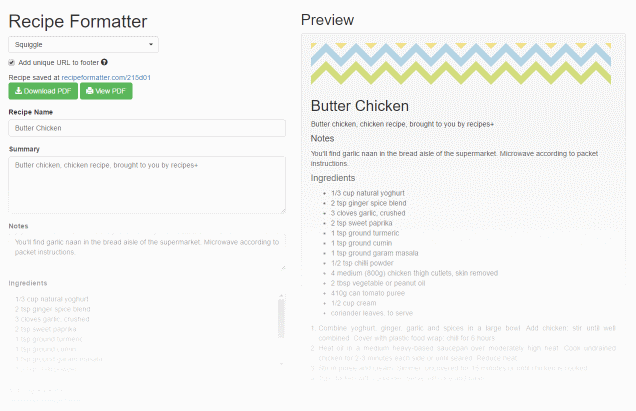
By isolating each element of a dish, formatters remove guesswork. Cooks see exactly how much of each item they need, what prep can be done ahead, and when to add components to the pan.
2. Customization and Personalization
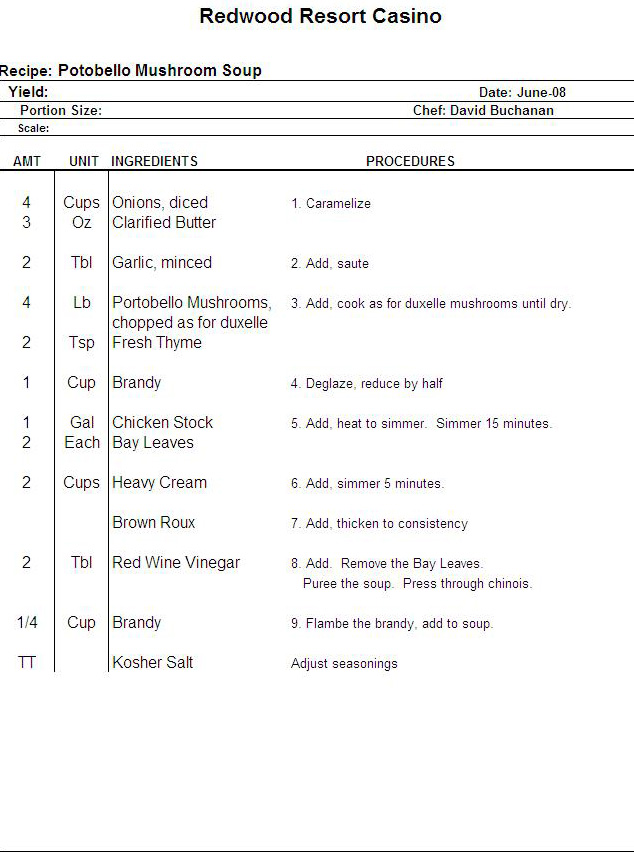
Users can scale servings up or down, swap allergens for safe alternatives, or highlight low-sodium choices without rewriting the entire recipe.
3. Time and Energy Savings
Clear sequencing reduces the chance of skipping a step or overheating oil while hunting for the next line. Fewer mistakes mean fewer ruined meals and less wasted food.
4. Accessibility
Large-type modes, screen-reader labels, and color-blind-friendly icons open the kitchen to people who once relied on memory or assistance.
How Recipe Formatters Work

Most formatters follow three quiet stages behind the scenes:
1. Parsing the Recipe
Natural-language routines scan the text, spotting quantities, units, temperatures, and action verbs such as “simmer” or “fold.”
2. Organizing the Information
The engine reorders what it finds into a template: header image, yield, ingredient list, step-by-step method, and notes. Icons for clock, flame, or whisk appear beside timing and temperature data.
3. Customization and Personalization
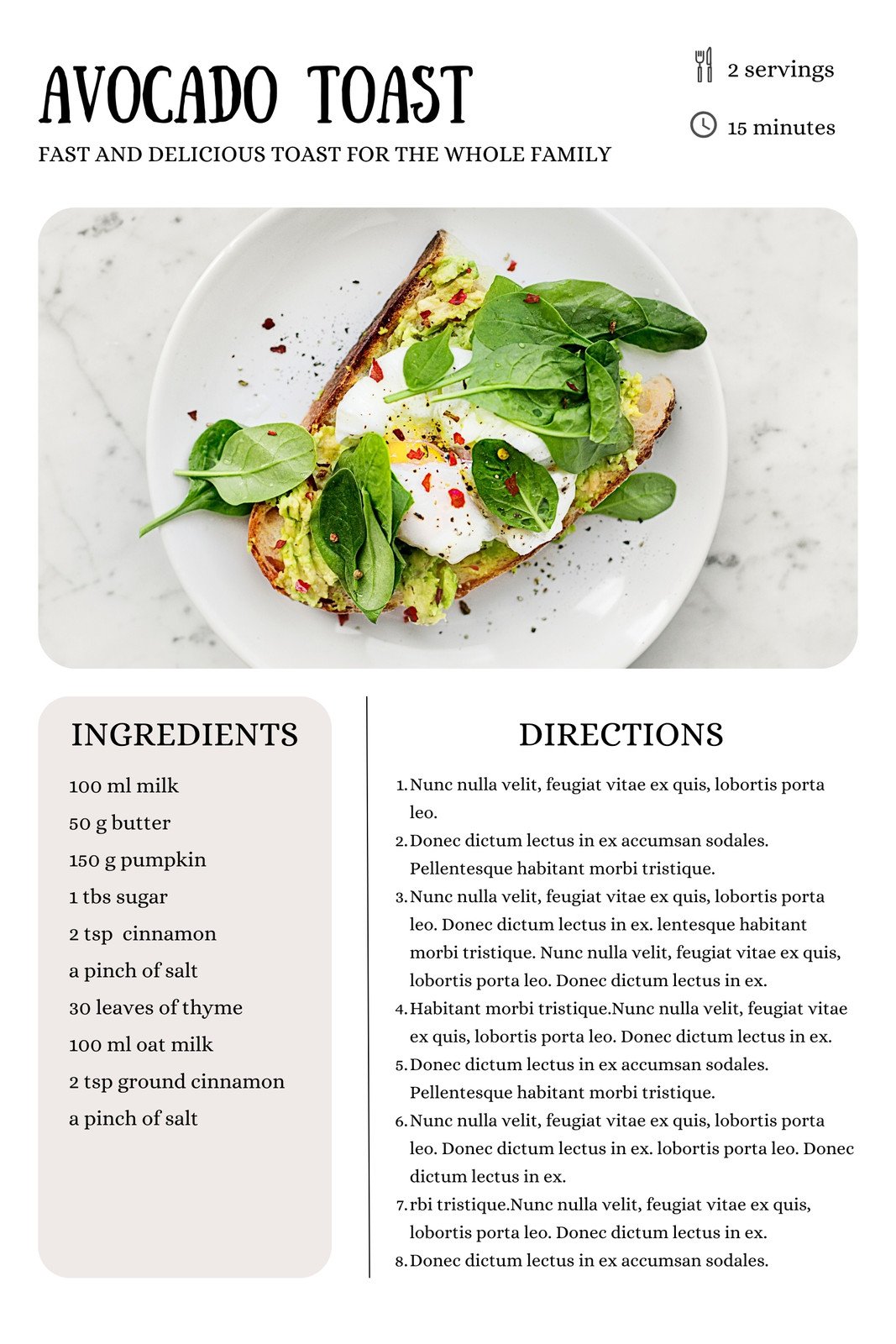
Once structured, the recipe becomes interactive. Tap a serving size and every amount recalculates; tick dietary filters and suggested substitutions appear inline.
Case Studies and Examples
1. The Beginner Cook
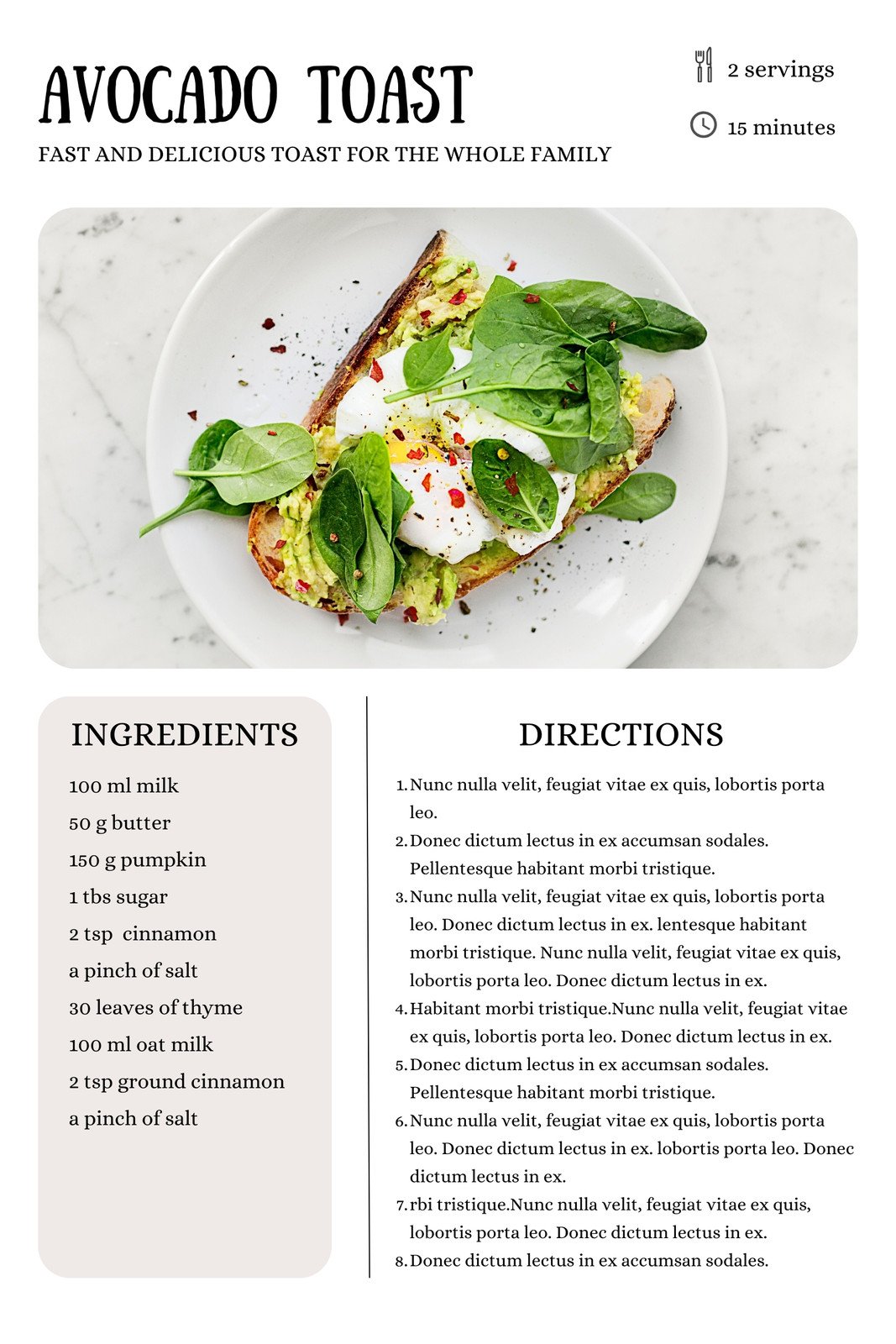
A first-time baker opens a laminated-brioche formula that once sprawled across twelve paragraphs. The formatter distills it into fifteen numbered steps, each paired with a short looping video. Confidence rises, and the loaf rises higher.
2. The Health-Conscious Cook
Someone tracking saturated fat clicks the “heart-healthy” toggle. Coconut cream becomes unsweetened oat milk, butter becomes olive oil, and the recalculated nutrition panel updates instantly.
3. The Visual Learner
A cook who struggles with text-heavy pages switches to gallery view. Every step is captioned beneath a bright photo: diced onions the correct size, sauce at the proper thickness, pasta at the al-dente moment.
The Future of Recipe Formatters
1. Integration with Smart Kitchen Appliances
Expect ovens that read the formatted recipe file and preheat automatically, or induction hobs that adjust wattage as each step begins.
2. AI-Powered Personalization
Engines trained on past meals will propose weeknight menus that balance family favorites, seasonal produce, and leftover ingredients already in the fridge.
3. Increased Accessibility
Voice-first interfaces, haptic timers, and multilingual subtitles will keep narrowing the gap between wanting to cook and being able to cook.
Conclusion
Recipe formatters do more than tidy up text; they lower the barrier between curiosity and confidence. By clarifying instructions, adapting to individual needs, and quietly integrating with tomorrow’s appliances, they help more people find joy at the stove. As the technology matures, the simple act of following a recipe will feel less like deciphering code and more like sharing a universal language of flavor.