



















The Art and Meaning Behind Dish Names
Introduction
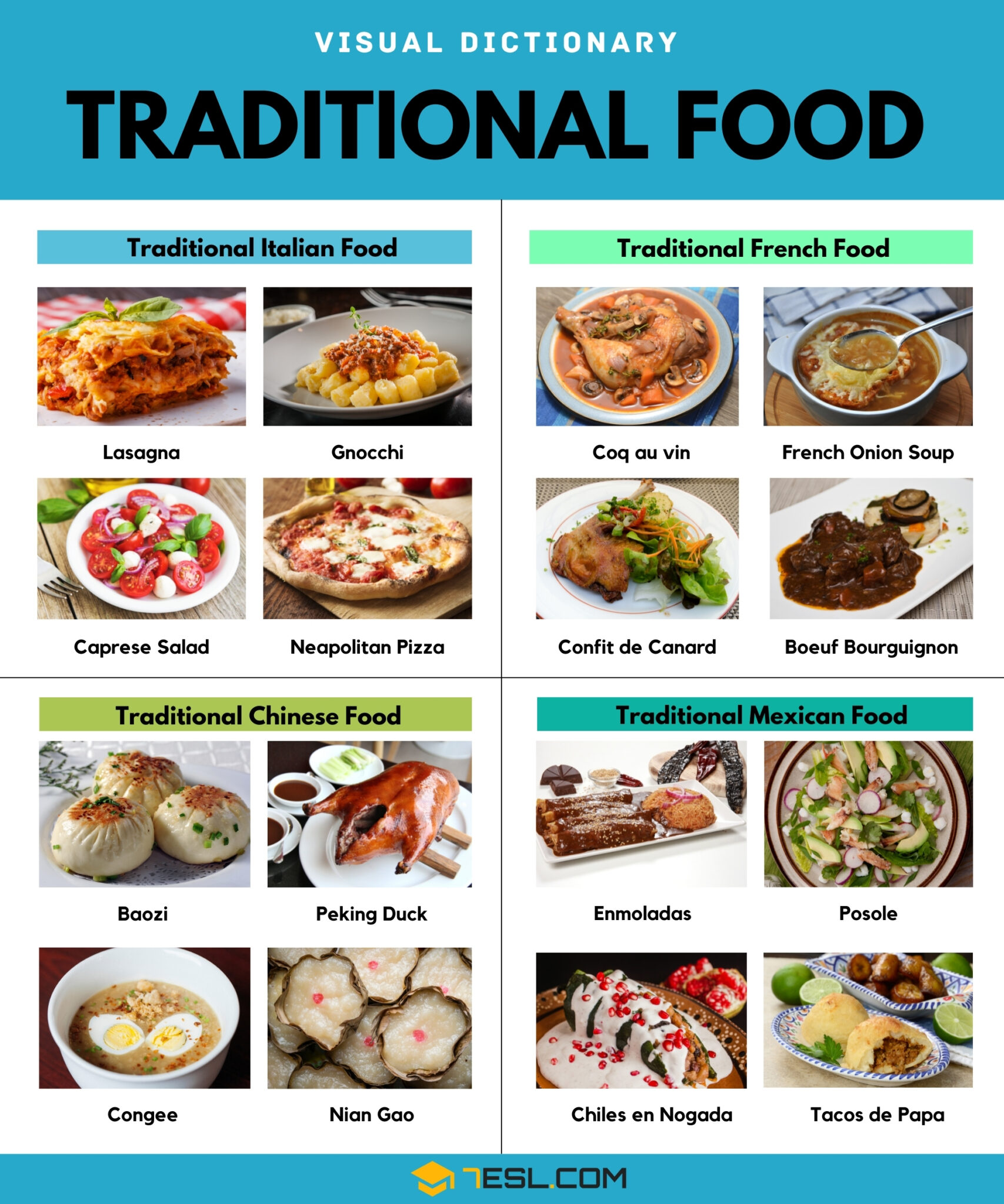
Food sits at the heart of every culture, offering both sustenance and a way to share stories. Among its many facets, the names given to dishes stand out as tiny capsules of history, emotion, and identity. Far more than simple labels, these names hint at origin, preparation, and even the spirit of the people who created them. This article looks at how dish names shape culinary traditions, guide diners’ choices, and mirror the cultures that cherish them.
The Role of Dish Names in Culinary Traditions
Historical Echoes in a Single Word
Many classic dishes carry names that whisper tales of harder times or ingenious cooks. A well-known Scottish specialty, for instance, takes its title from an old word for “bag,” reminding us that frugal Highlanders once turned humble offal into hearty fare. Across the sea, Spain’s famous rice dish borrows its name from the wide pan in which it is cooked, preserving the memory of open-air gatherings in Valencia’s orchards.
Identity Served on a Plate
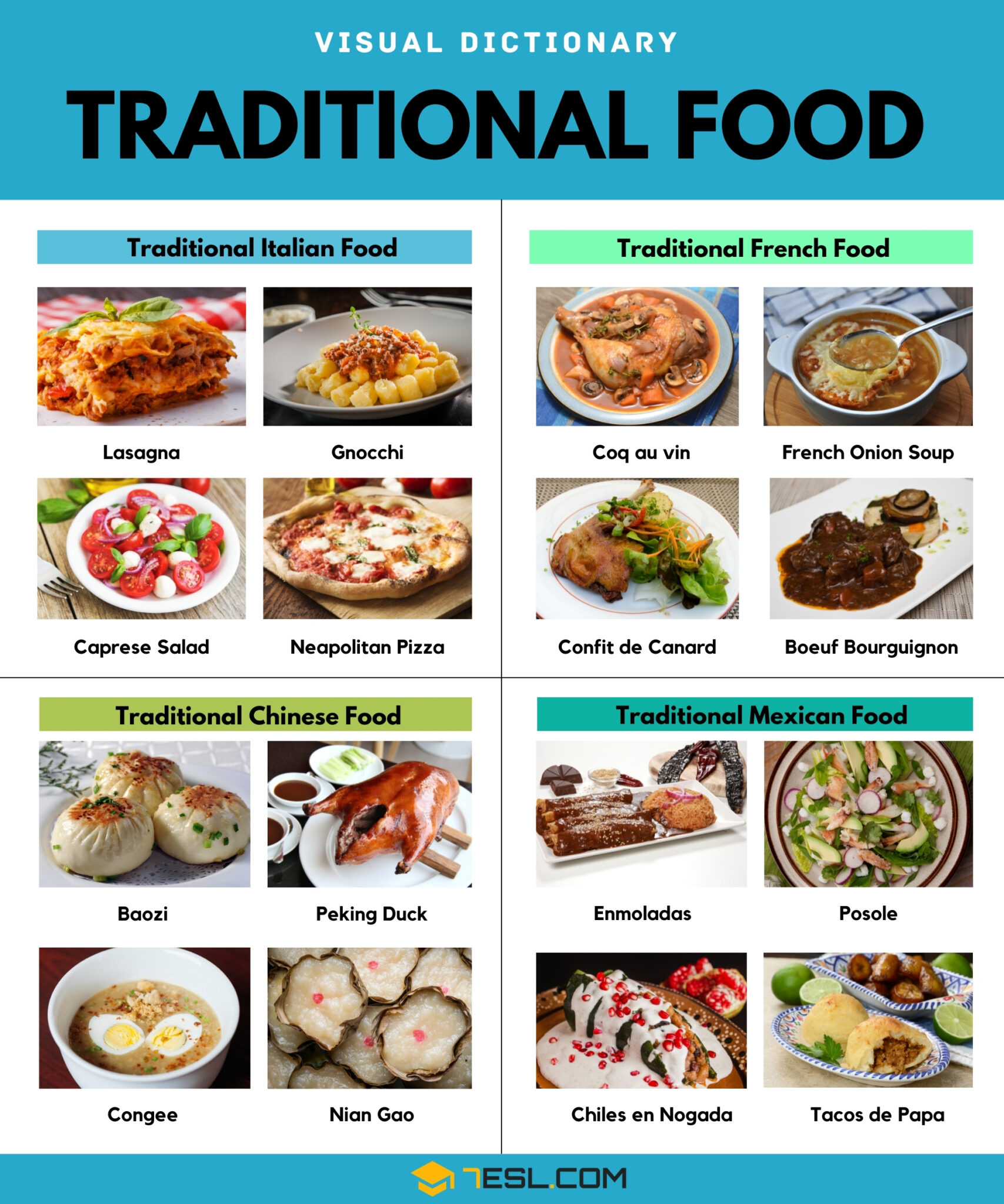
A name can also declare belonging. Japan’s vinegared rice bites are known by a word that simply means “sour,” yet that modest label instantly signals Japanese craftsmanship. Likewise, a fragrant South Asian rice-and-meat ensemble carries a Persian-rooted title that nods to centuries of spice-route exchange, binding regional pride with distant culinary voices.
How Dish Names Shape Consumer Behavior
First Impressions at First Sight
An appetizing name can tempt the palate before the first bite. A coffee-flavored Italian dessert whose name hints at “pick-me-up” succeeds partly because the phrase itself feels like a promise of indulgence. When words sound playful or poetic, they linger in memory and invite repeat orders.

Branding Beyond the Kitchen
Restaurants and food companies know that a distinctive name can set a product apart. A signature burger crowned with a catchy title becomes shorthand for the entire brand, turning a menu item into a cultural icon recognized far beyond its birthplace.
Dish Names in a Globalized World
Travel, Translate, Transform
As cuisines cross borders, their names often tag along, sometimes unchanged, sometimes refashioned. Japanese rice rolls keep their original title on menus from Paris to Peru, while a German street-food classic pairing sausage with spiced sauce appears under tweaked names that still echo its Berlin accent.

Safeguarding Authentic Labels
Popularity abroad can dilute meaning at home. Chefs and scholars now document traditional appellations before they fade, encouraging eateries worldwide to honor the original terms alongside local translations so that heritage is not lost in translation.
Conclusion
Dish names are miniature stories—of place, people, and palate. They guide choices, spark curiosity, and keep cultural memory alive. Respecting these names ensures that every order placed, recipe shared, or meal remembered remains a quiet celebration of culinary diversity.
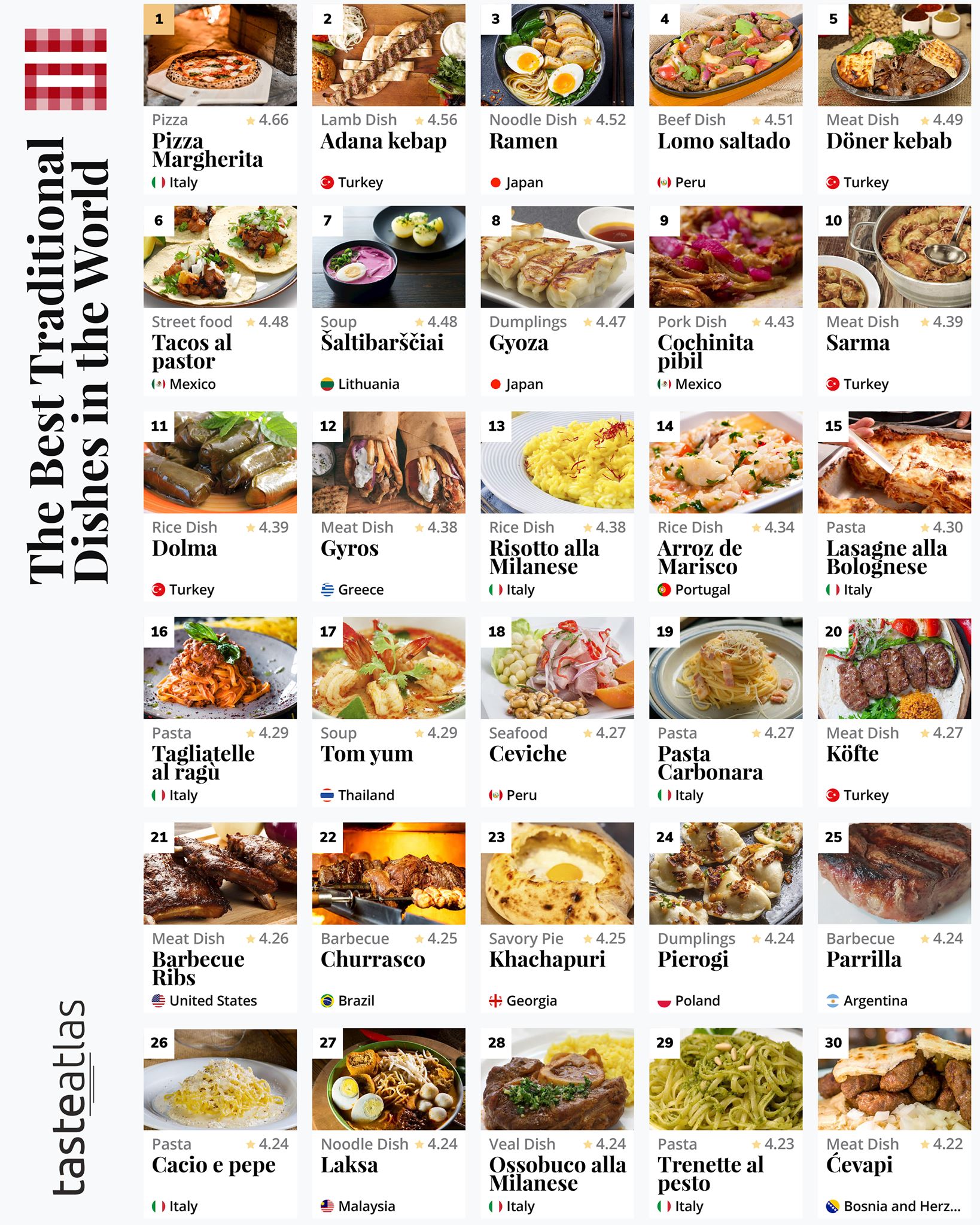
In the end, each title on a menu is an invitation to travel without moving, to taste history in a single bite, and to recognize the countless hands and voices that season every dish with meaning.
Recommendations and Future Research
To deepen appreciation of dish nomenclature, the following avenues deserve attention:
1. Map naming patterns across continents to reveal shared human themes.
2. Measure how descriptive or exotic names affect diners’ willingness to try unfamiliar foods.
3. Examine the pull of iconic dish names in culinary tourism and their role in fostering cross-cultural dialogue.

4. Draft best-practice guidelines for chefs and marketers who wish to balance global appeal with respect for original titles.
By continuing to study the words we attach to food, we nurture a richer, more respectful global table where every name tells a story worth savoring.