




















The Impact of Cooking Apps on Modern Culinary Practices
In the digital era, technology has reshaped daily life, including how we prepare meals. Among the most noticeable shifts is the rise of cooking apps. These tools have woven themselves into everyday kitchen routines, offering advantages to novices and seasoned cooks alike. This article examines how such apps influence contemporary cooking, highlighting their strengths, limitations, and what may lie ahead.
Introduction to Cooking Apps
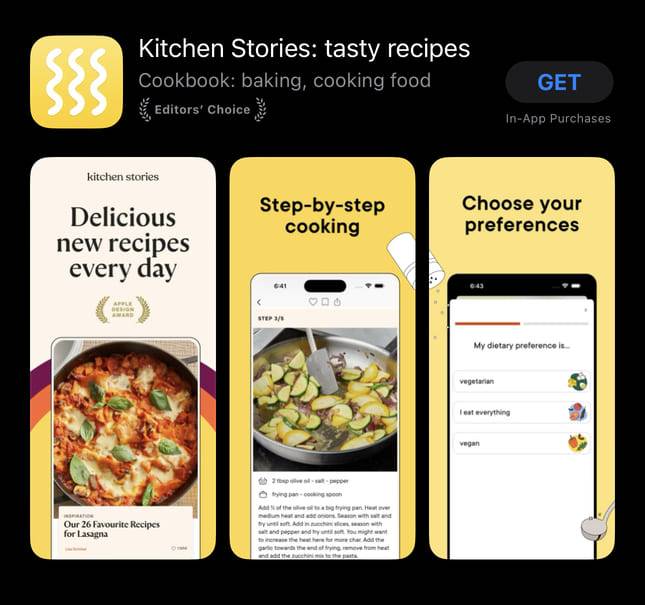
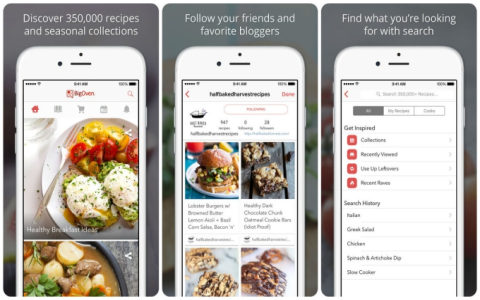
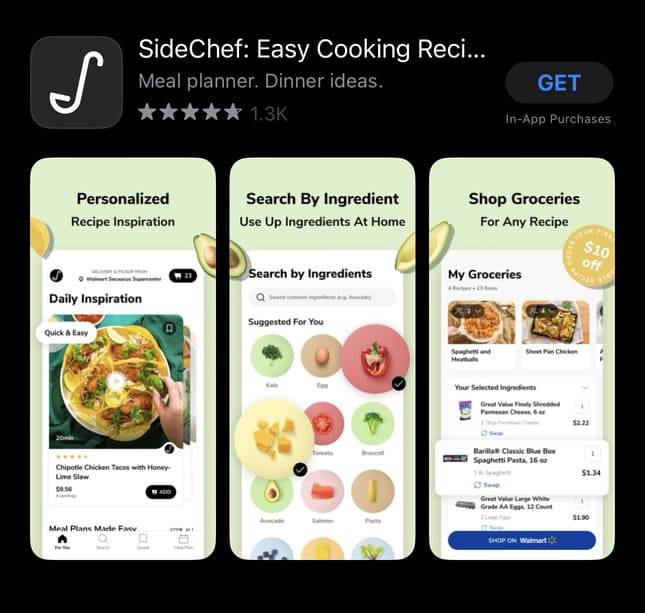
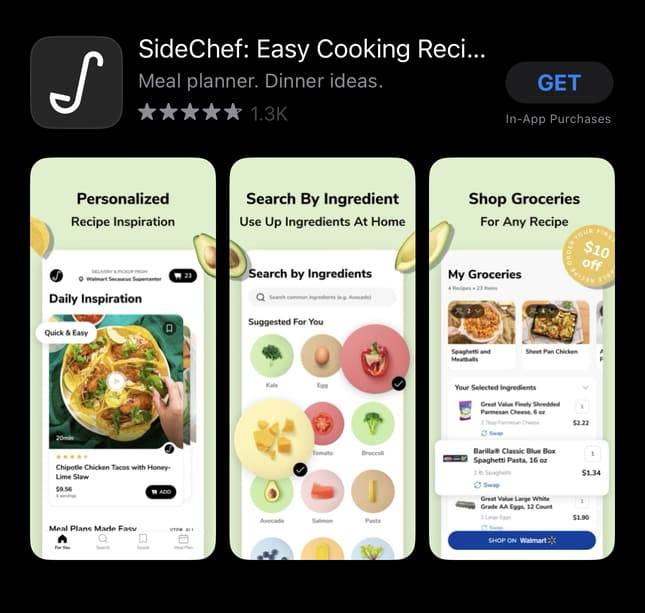
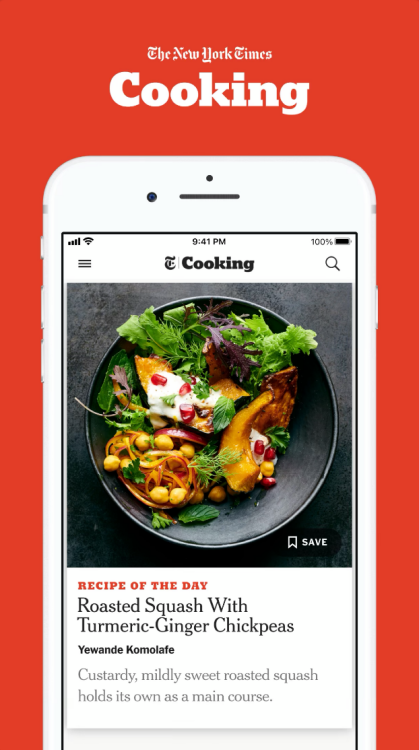
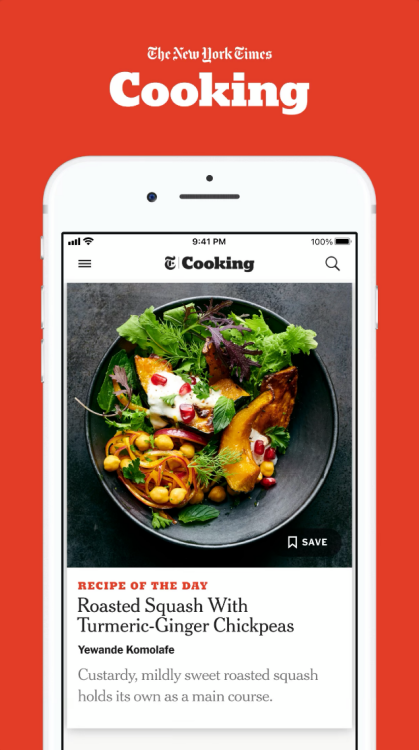
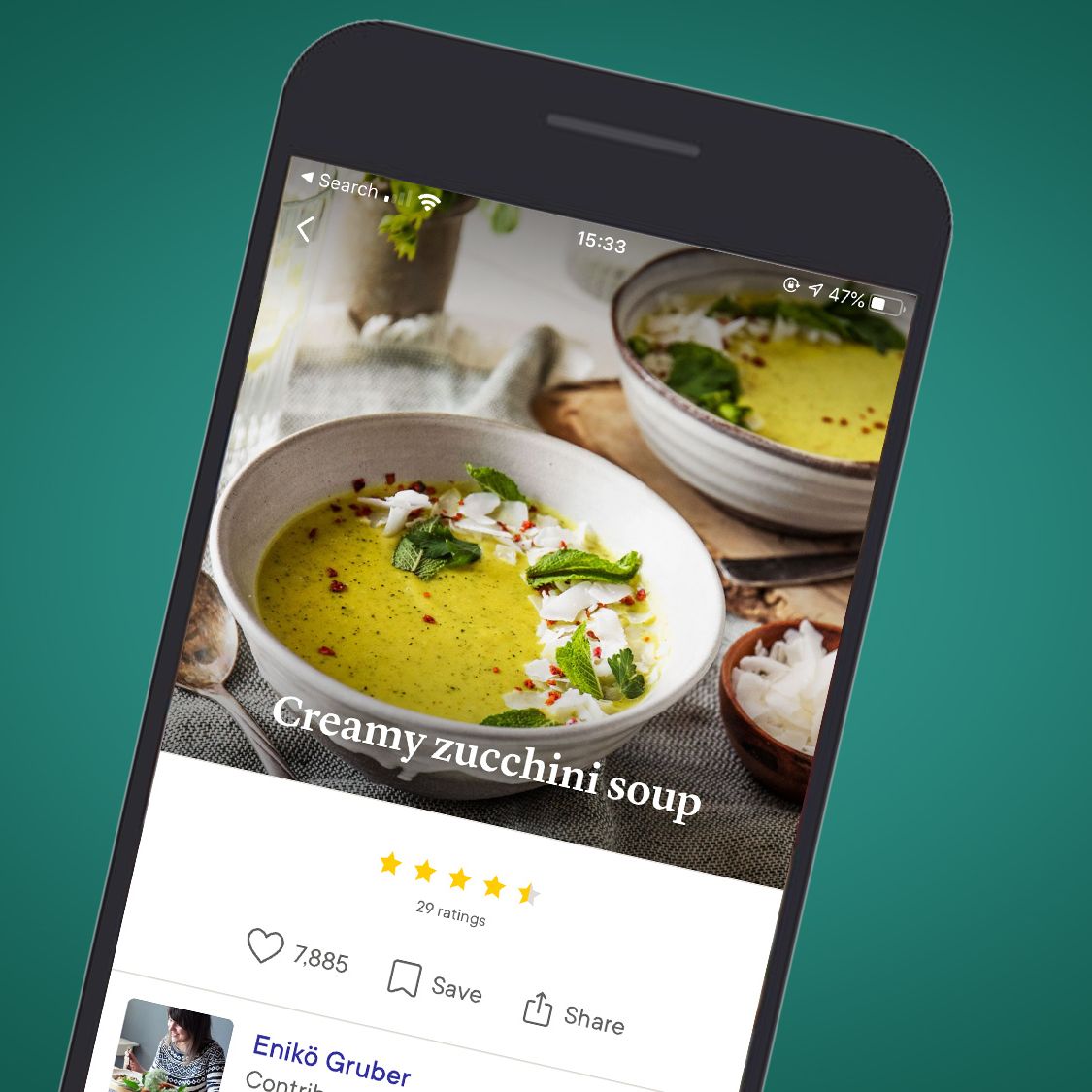
Cooking apps are smartphone programs that help with recipe searches, shopping lists, and meal planning. They vary from basic collections of dishes to full guides with photos, timers, and forums for swapping ideas. Well-known examples attract millions of downloads worldwide.
Benefits of Cooking Apps
Recipe Discovery and Inspiration
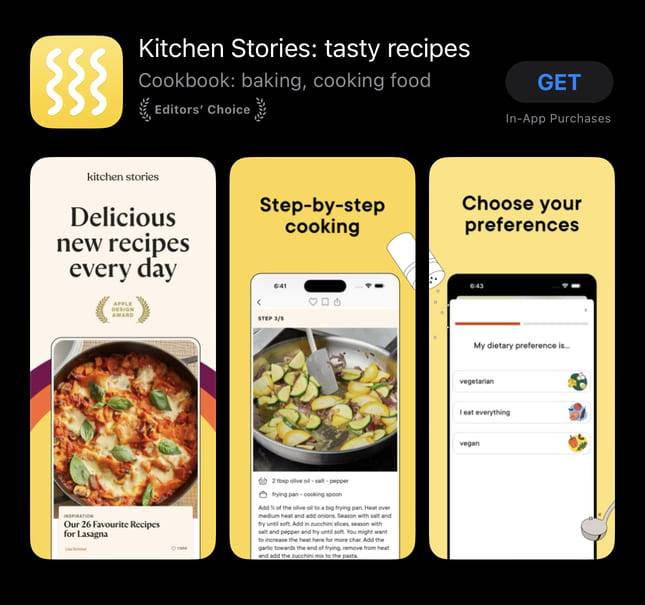
A key appeal is the endless stream of new dishes. Filters for cuisine type, dietary need, or preparation time make it simple to locate a suitable meal, whether it is a speedy lunch or a festive dinner.
Step-by-Step Instructions
Clear, sequential directions boost confidence, especially for those still learning fundamental techniques. Visual cues and short videos reduce guesswork and help avoid common errors.
Nutritional Information
Built-in calorie counts and macro breakdowns support health goals, letting home cooks adjust portion sizes or ingredient choices on the spot.
Community and Social Features
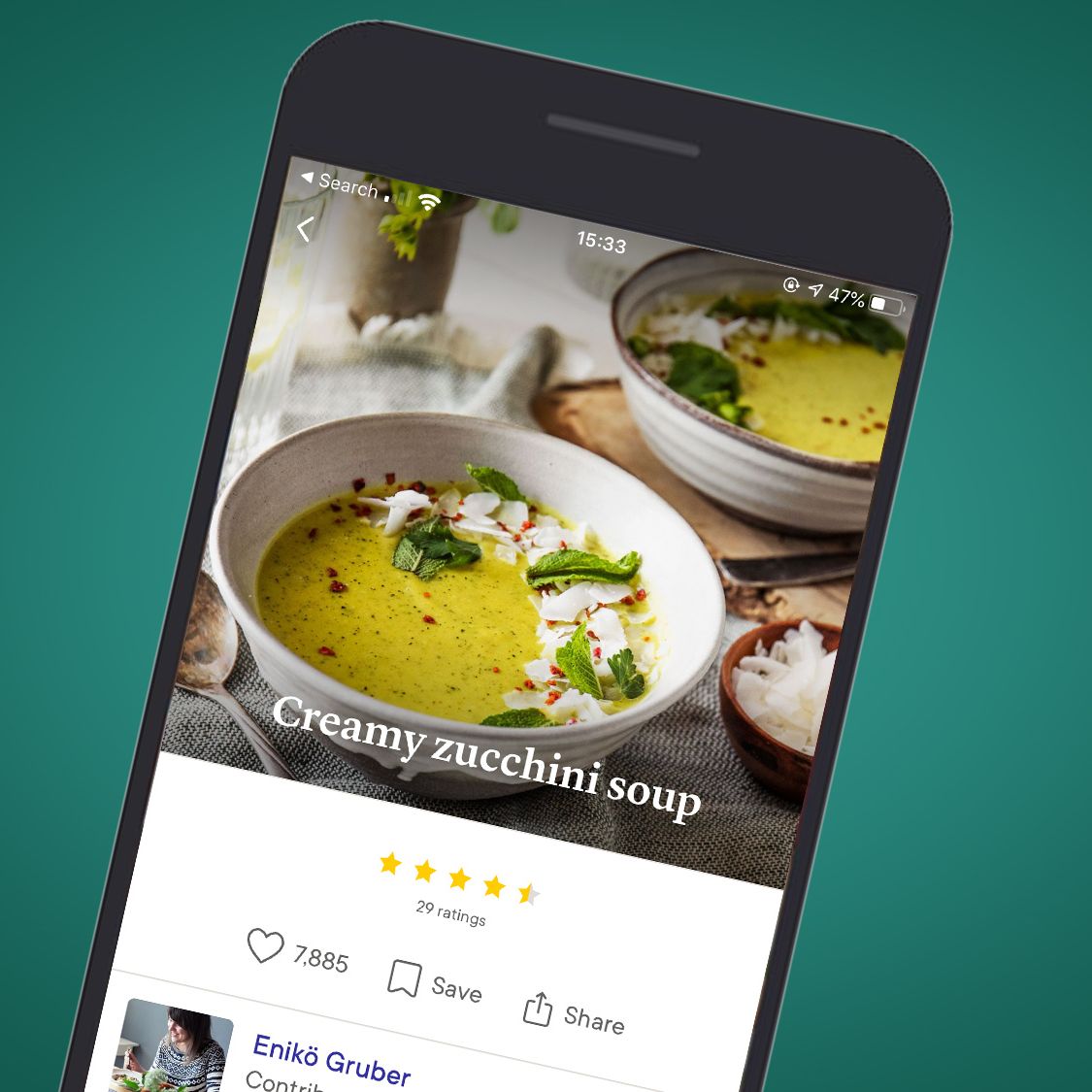
Rating systems, comment threads, and photo uploads foster a sense of shared adventure. Seeing others succeed encourages users to try unfamiliar flavors and techniques.
Challenges of Cooking Apps
Quality of Recipes
With thousands of submissions, consistency can suffer. Some dishes sound enticing but call for obscure items or skip crucial steps, so judgment is still required.
Accuracy of Instructions
Oven temperatures or cooking times may need tweaking for individual appliances. Users should treat guidelines as starting points rather than rigid rules.
Overreliance on Technology
Constant screen consultation can dampen intuition. Balancing app advice with hands-on practice preserves creativity and sensory skills.
Case Studies and Research
Research on Cooking App Usage
Recent academic work indicates that a large share of young adults turn to mobile recipes weekly, driven mainly by the desire for new ideas and clear guidance.
Impact on Culinary Education
Investigations in hospitality journals suggest that apps complement formal training by exposing students to global methods, yet educators still emphasize tasting, adjusting, and thinking beyond the screen.
Future Prospects
Integration with Smart Kitchen Devices
As appliances gain connectivity, apps may sync temperatures, timings, and inventory lists automatically, creating smoother workflows.
Personalization and AI
Machine-learning algorithms could tailor suggestions to flavor preferences, pantry contents, and even local weather, nudging users toward balanced, satisfying meals.
Conclusion
Cooking apps have already altered how people discover, prepare, and share food. While they offer unmatched convenience and inspiration, maintaining a blend of digital help and traditional craft will keep home cooking both pleasurable and personal as innovation continues.
Recommendations and Future Research
To get the most from cooking apps, users should:
1. Compare several sources before trying new recipes.
2. Practice core techniques without screens to build intuition.
3. Keep apps updated to benefit from improved features.
Areas ripe for further study include:
1. Long-term effects on culinary skill development.
2. Ethical questions surrounding data privacy and targeted food ads.
3. Ways to integrate app-based learning into professional training.