
















The Art and Science of Food Photography: A Visual Journey
Introduction
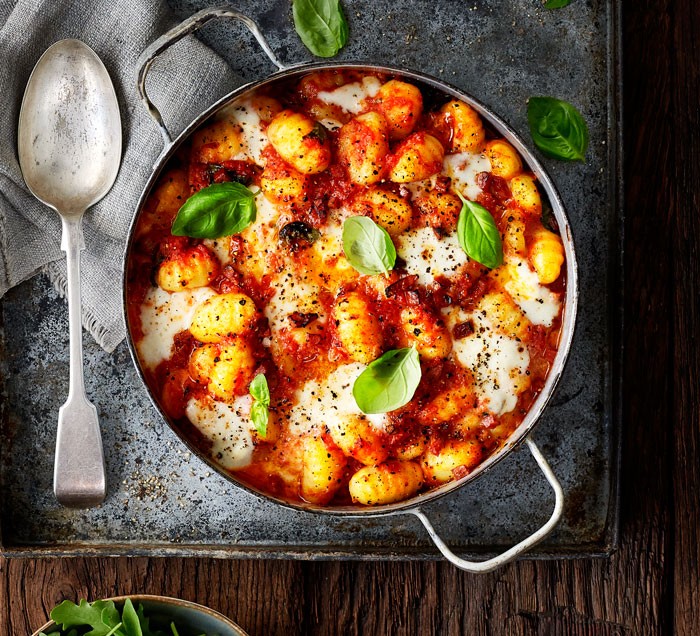
In today’s digital world, images speak louder than words. Photographs of meals have become a central part of culinary culture, shaping how recipes are shared and how brands connect with audiences. This article explores why these visuals matter, how they guide choices, and what they mean for the food sector.
The Evolution of Food Photography
Early Depictions
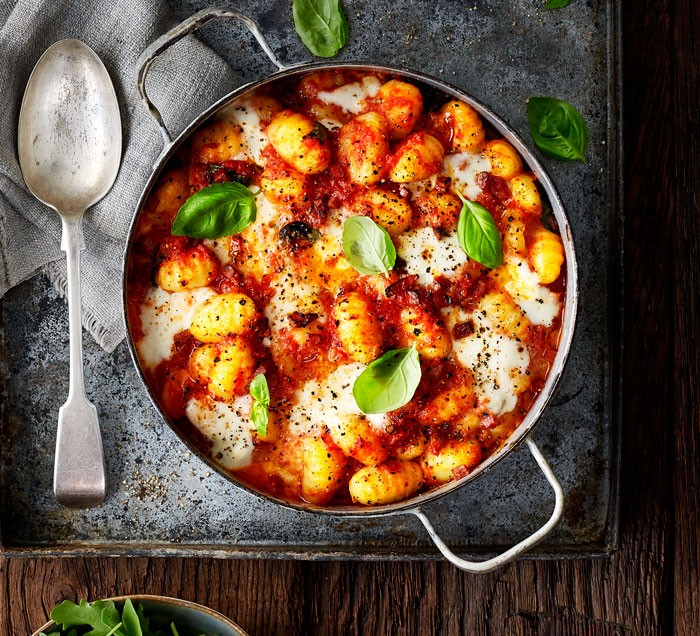
People have been portraying meals in art for thousands of years. Early murals and mosaics often included bread, fruit, and fish, celebrating abundance and everyday life.
Still-Life Paintings
During the Renaissance, European artists began to paint lavish table settings with careful attention to light and texture, turning food into a star subject of fine art.
The Online Revolution
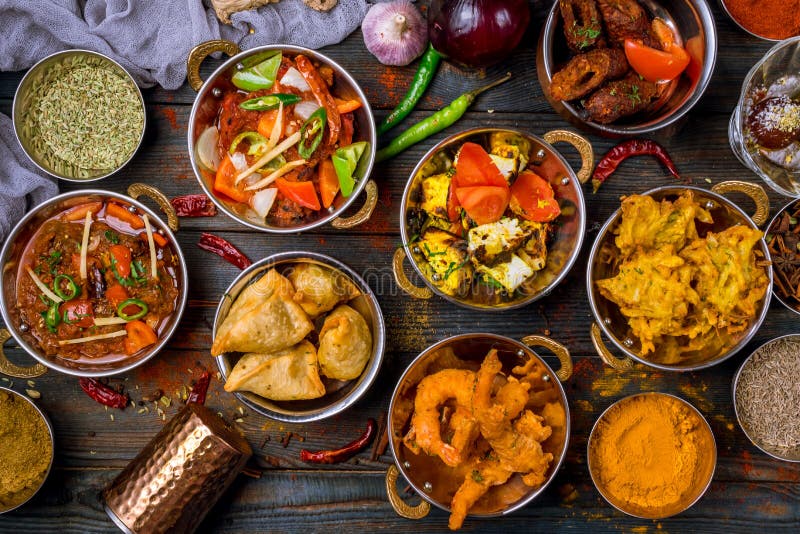
Affordable cameras and social networks have placed food imagery in everyone’s pocket. A single upload can travel the globe in seconds, inspiring home cooks and professionals alike.
How Food Images Shape Choices
Instant Attraction
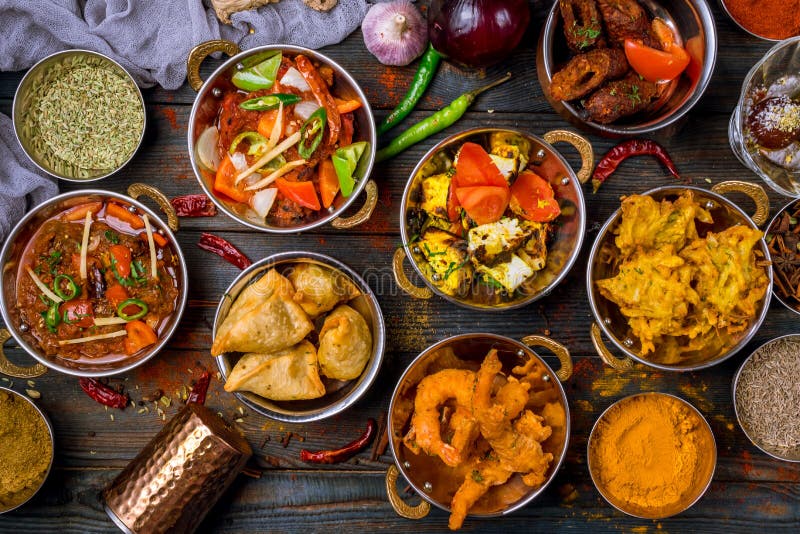
A vibrant, well-framed photo can trigger hunger and curiosity within moments, guiding diners toward new flavors and restaurants.
Shared Experiences

When friends post their meals, others often follow suit, creating a ripple effect that boosts curiosity about unfamiliar cuisines.
Brand Identity
Consistent, appetizing visuals help eateries and product lines stand out, building trust and recognition among customers.
The Role of Food Imagery in the Industry
Recipe Inspiration
Step-by-step photos encourage home cooks to attempt dishes they might otherwise skip, lowering the barrier to experimentation.
Culinary Training
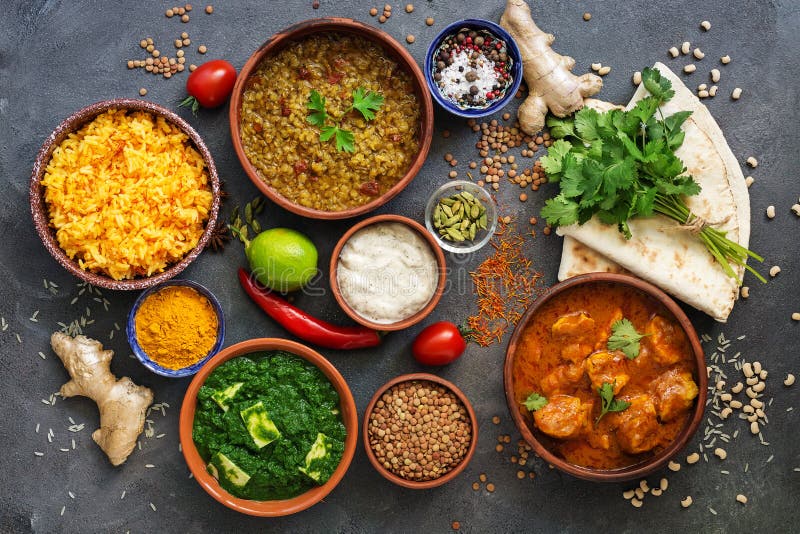
Students study plating photos to learn balance, color, and portion control, accelerating their journey from classroom to kitchen.
Menu Marketing
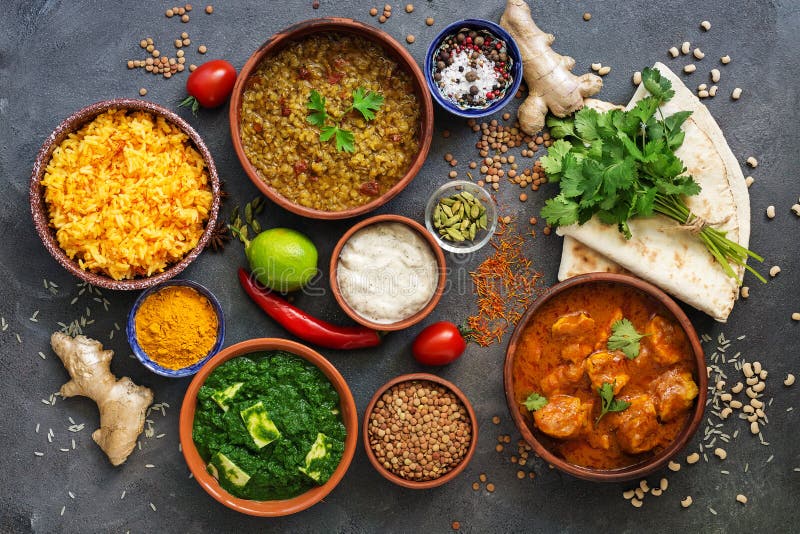
An eye-catching picture beside a menu description can lift orders of a new item, giving chefs immediate feedback on their creations.
Technical Essentials
Lighting
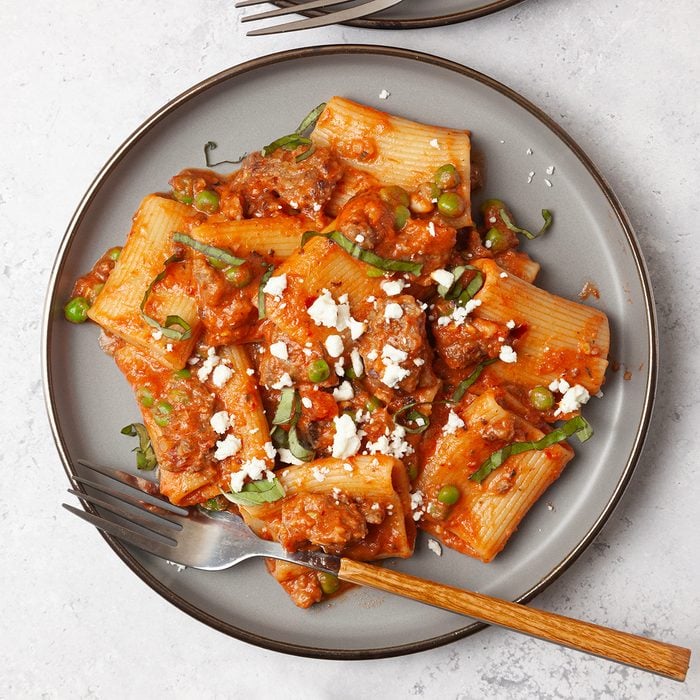
Soft daylight or a diffused lamp brings out texture without harsh shadows, making sauces glisten and greens look garden-fresh.
Framing
Centering the main element while leaving a little breathing room around the plate keeps the scene inviting and uncluttered.
Editing
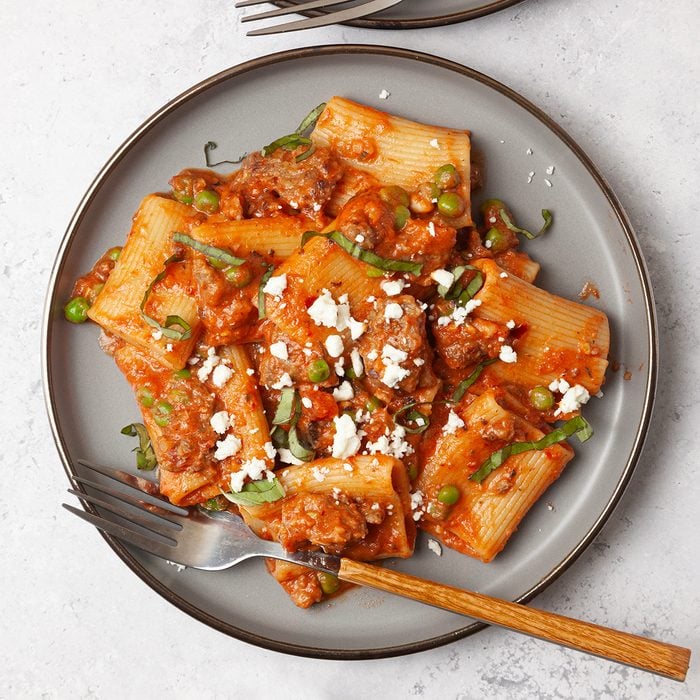
Subtle tweaks to brightness and warmth can elevate a shot, yet restraint is key to preserving an honest, appetizing result.
Conclusion
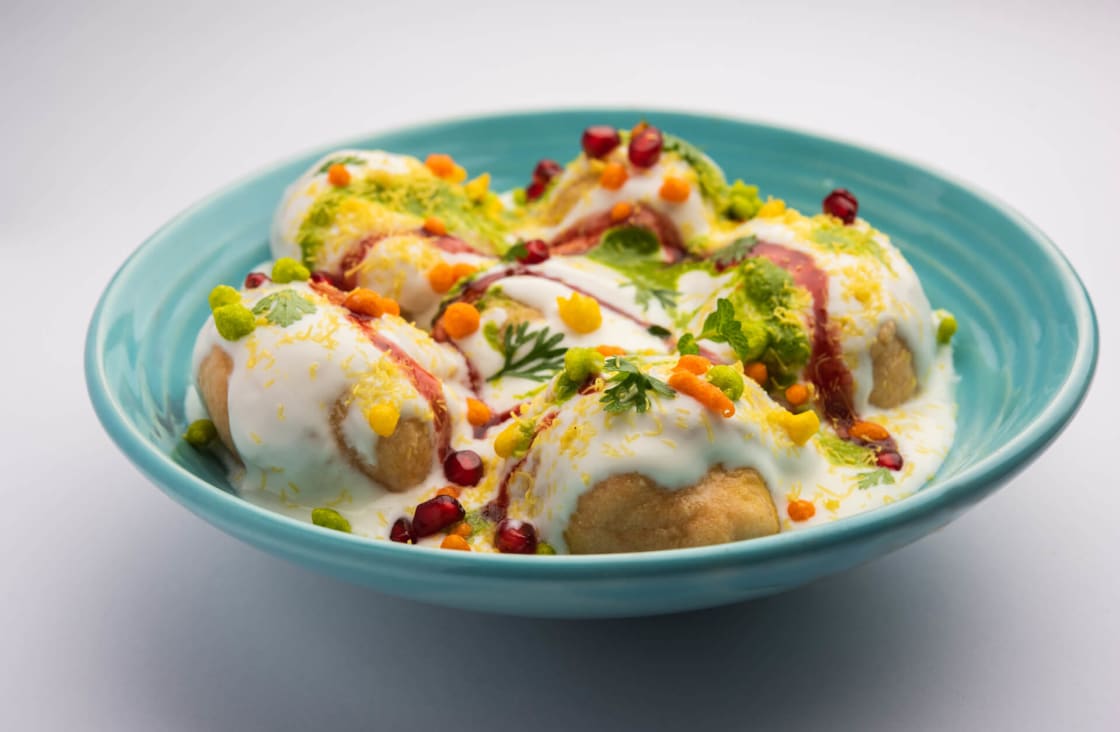
From ancient frescoes to smartphone feeds, images of food continue to inform tastes, drive trends, and connect cultures. Understanding both their artistry and their influence helps creators and consumers use them responsibly and creatively.
Suggestions and Next Steps
Cooks, bloggers, and marketers can sharpen their visual storytelling by practicing natural-light photography and studying basic design principles. Scholars might investigate how repeated exposure to idealized food photos affects eating habits across different age groups.
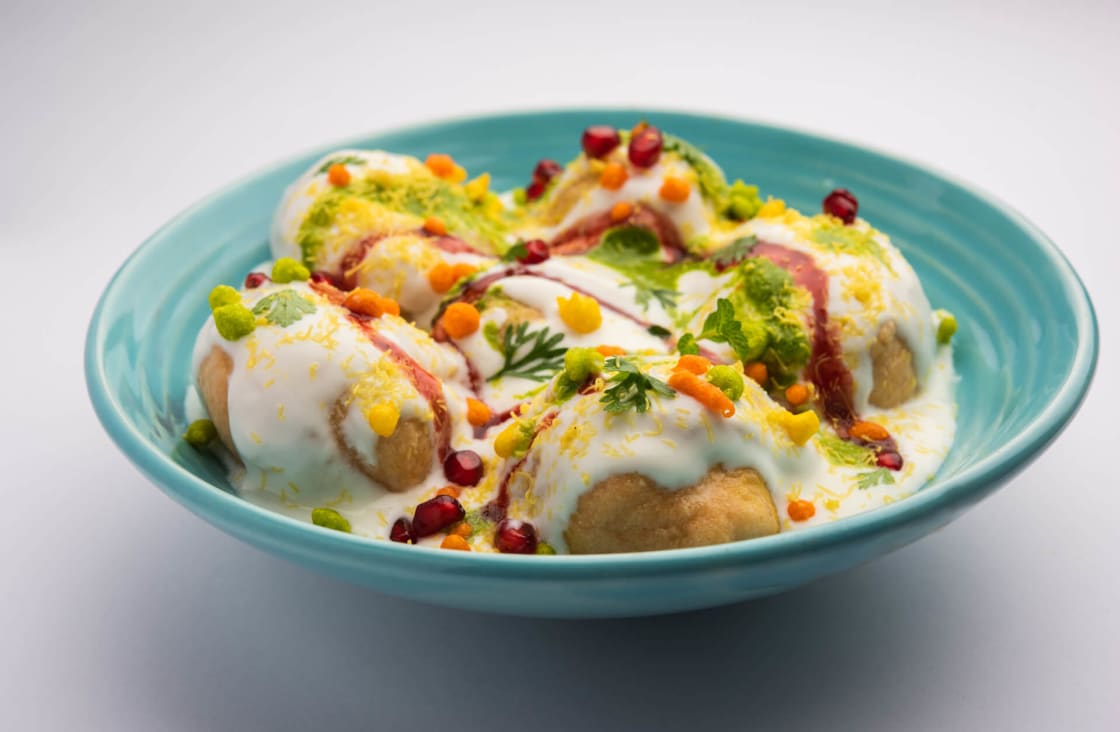
Exploring regional aesthetics—why some cultures favor minimal plating while others celebrate abundance—could also yield valuable insights for global brands.
Ultimately, thoughtful food imagery enriches the culinary landscape, inviting everyone to the table with curiosity and delight.