













Title: How Cooking Competition Videos Inspire Home Cooks and Shape the Food World
Introduction
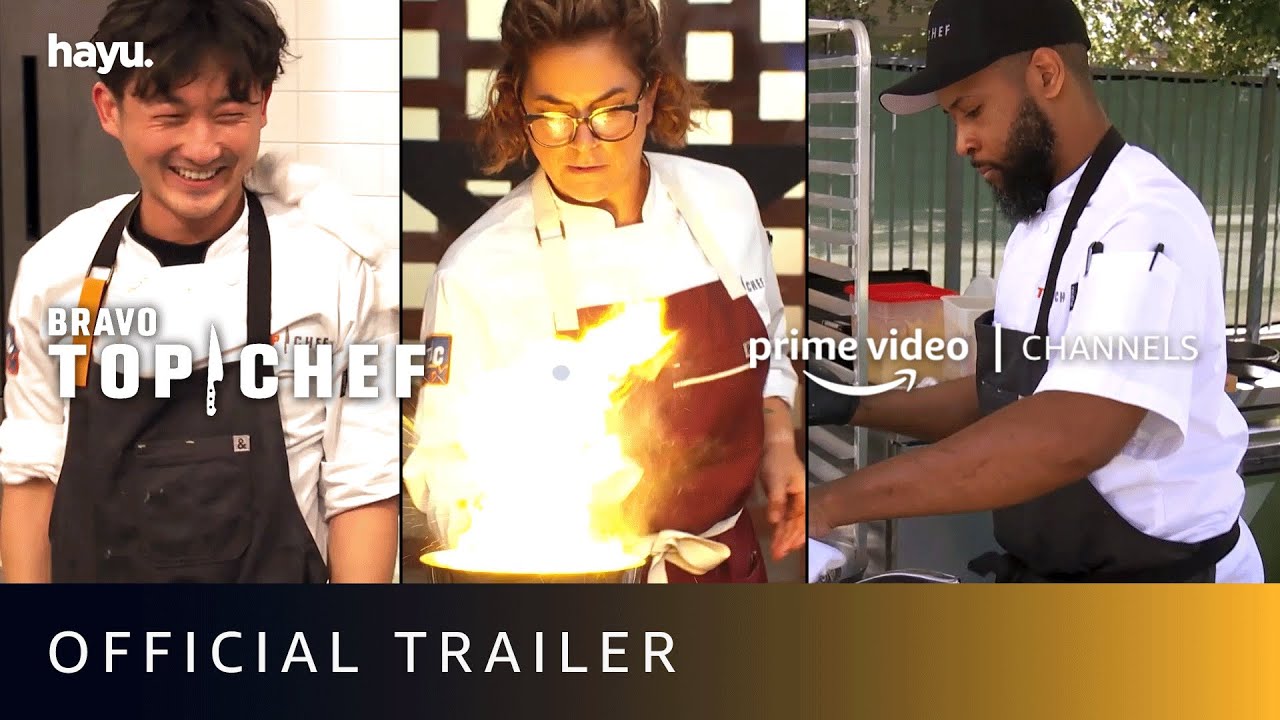
Streaming platforms have transformed the way people discover food content, and high-stakes cooking competitions sit at the center of this shift. Episodes that pit talented cooks against one another in creative battles now attract millions of viewers across continents. This piece examines how such programs influence kitchen confidence, steer emerging food trends, and ripple through restaurants, supply chains, and culinary education.
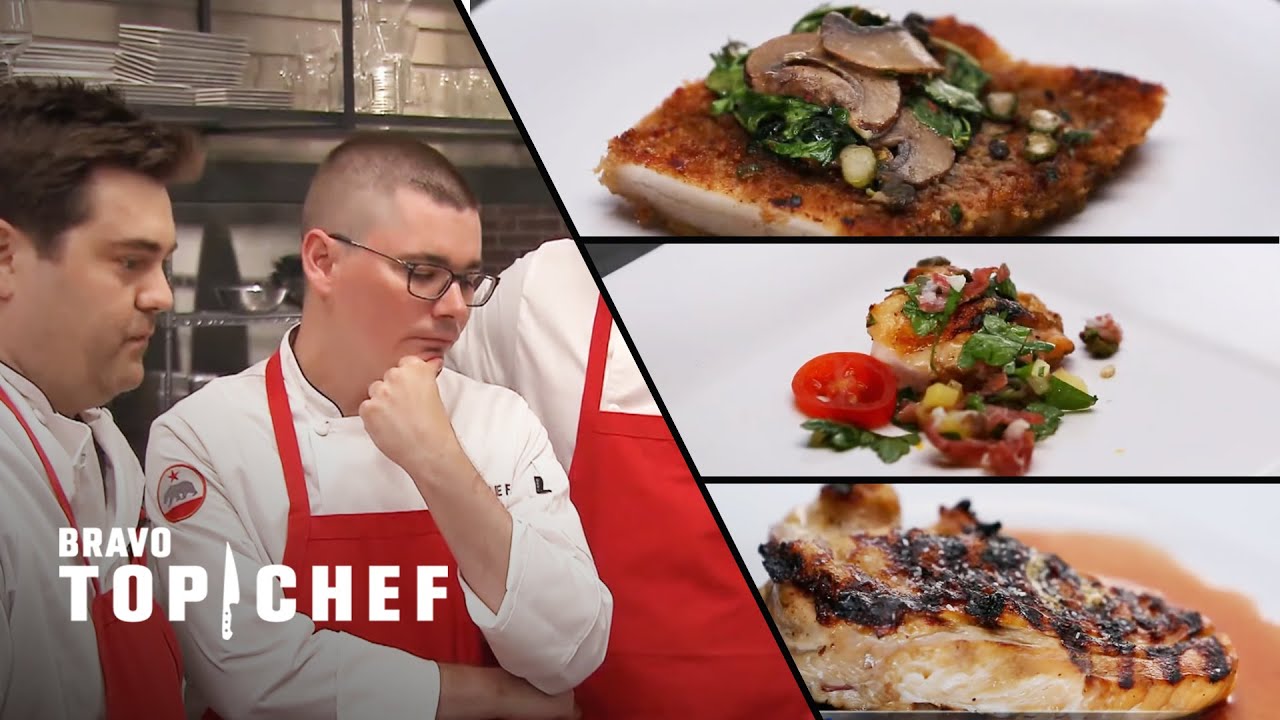
The Influence of Cooking Competition Videos on Cooking Techniques
Home cooks repeatedly turn to these episodes for practical know-how. Three teaching moments stand out:
1. Modern Methods: Short clips demystify once-professional-only tools—think immersion circulators or rapid pickling—encouraging viewers to experiment without fear.
2. Time Management: The ticking clock on screen models how to prioritize prep, multitask stations, and plate gracefully when minutes matter.
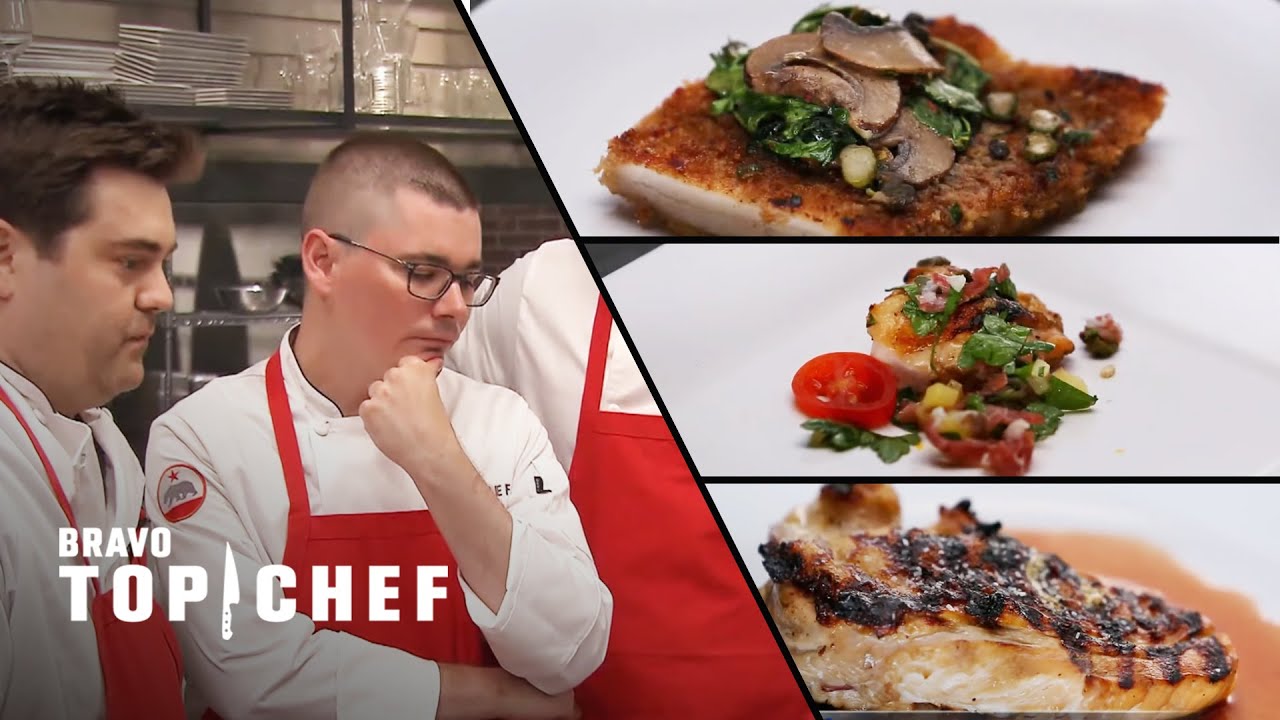
3. Creative Problem-Solving: When contestants swap missing ingredients or rescue broken sauces, audiences learn to stay calm and improvise with what is on hand.
The Role of Cooking Competition Videos in Culinary Trends
Storylines and weekly challenges quietly forecast what will later appear on grocery shelves and café menus:
1. World Flavors: Judges praise dishes rooted in lesser-known regional cuisines, nudging diners to seek out new spices, condiments, and street-food inspirations.
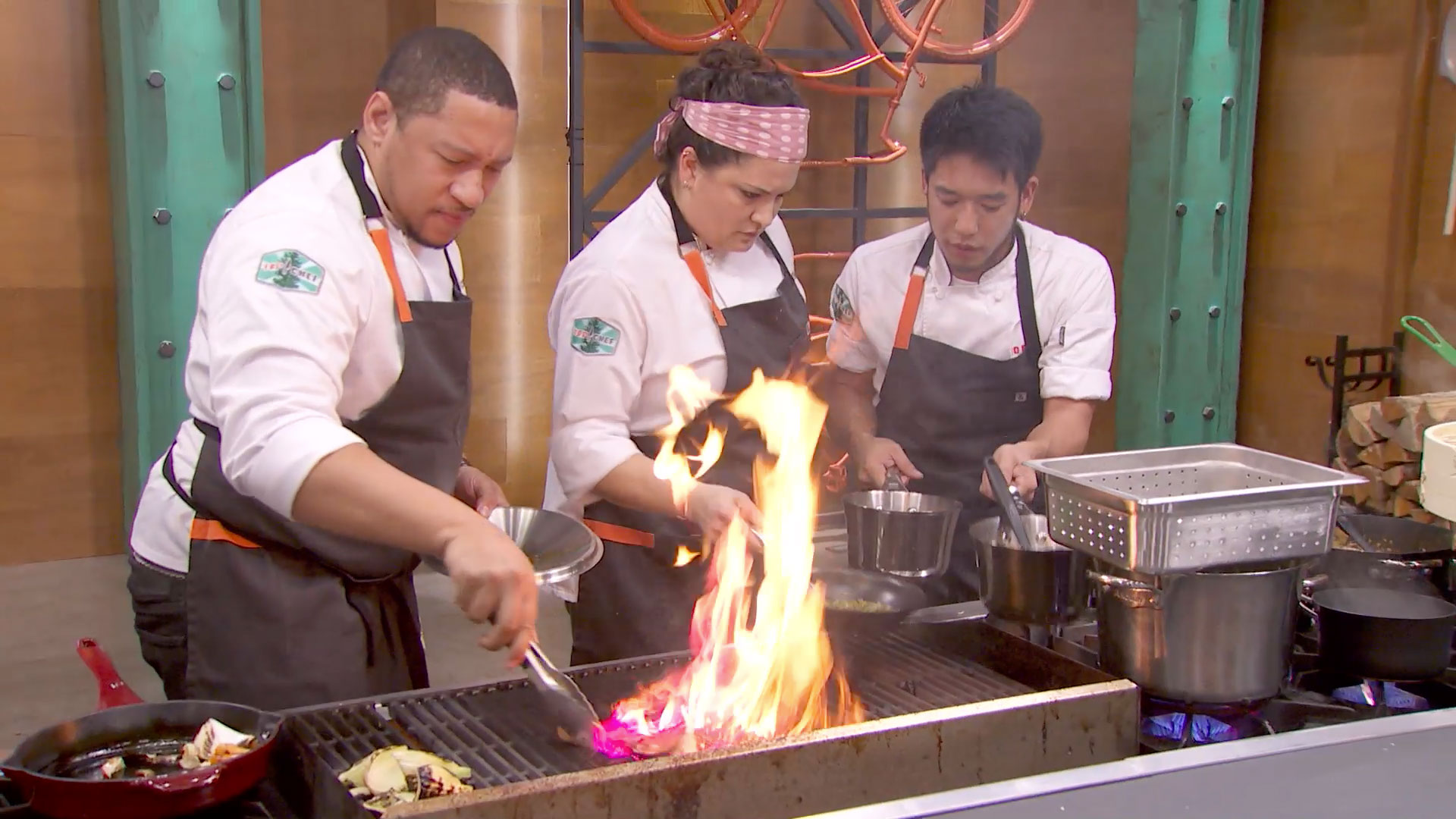
2. Planet-Friendly Plates: Episodes that reward low-waste menus or plant-forward twists reinforce eco-minded shopping and cooking habits among fans.
3. Balanced Indulgence: Competitors often win by cutting excess sugar or salt while preserving taste, reinforcing the idea that wholesome can still mean crave-worthy.
The Impact of Cooking Competition Videos on the Food Industry
Beyond entertainment, the format reshapes market dynamics:
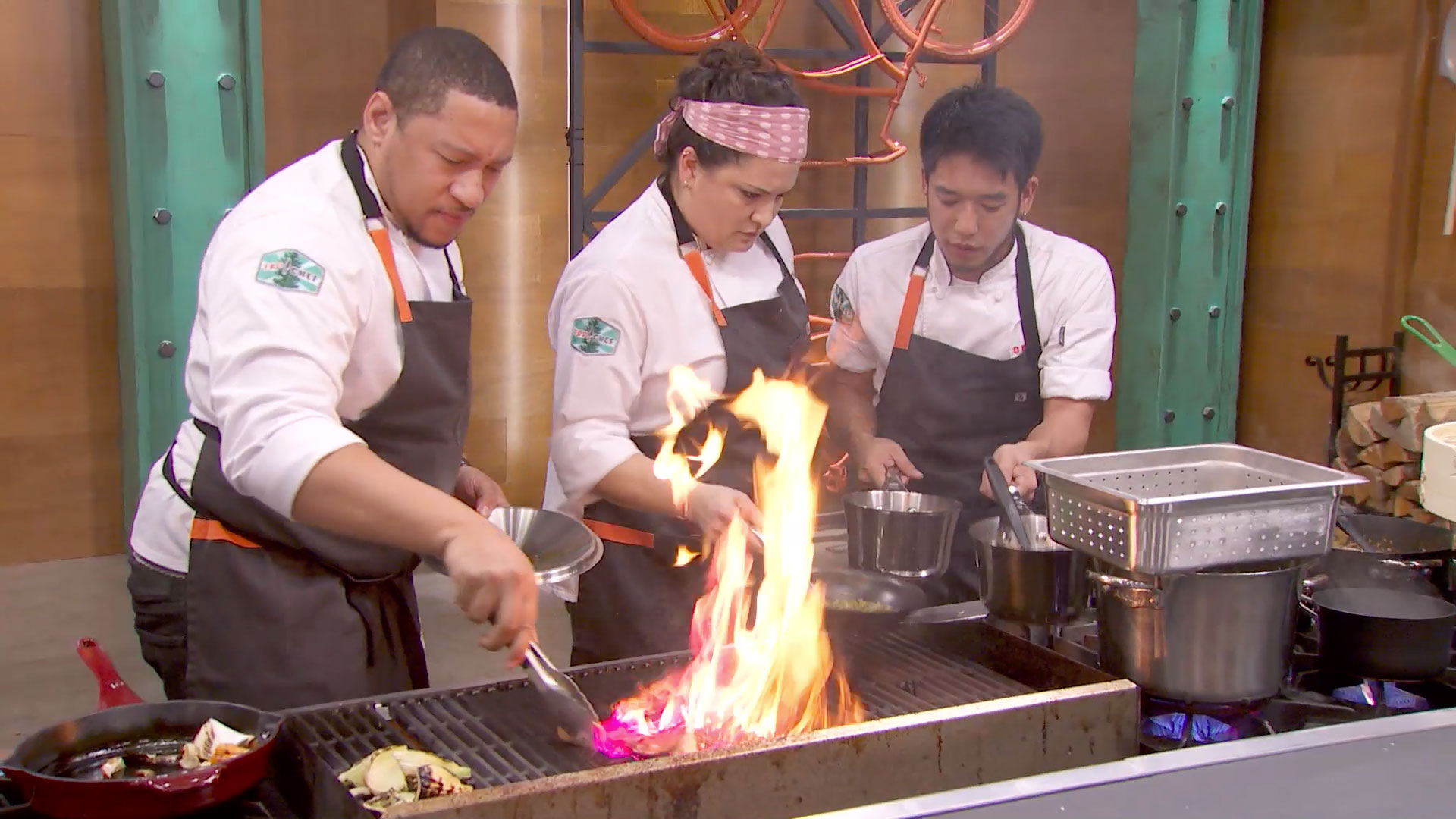
1. Career Interest: Searches for culinary-school information spike after every season premiere, prompting institutions to expand course offerings and scholarships.
2. Restaurant Visibility: Finalists who open pop-ups or brick-and-mortar venues frequently enjoy fully booked weeks and elevated media profiles.
3. Destination Dining: Viewers add competition filming cities to travel itineraries, joining guided food tours that highlight signature dishes featured on air.
Conclusion
By blending education with drama, cooking competition videos have become an informal culinary school for the digital age. They accelerate technique sharing, amplify global flavors, and energize local economies. As audiences continue to binge new seasons, their collective appetite for experimentation and discovery will keep redefining how we cook, eat, and value food culture.
Recommendations and Future Research
Several questions merit closer study:
1. Skill Retention: How well do viewers actually transfer observed tricks to daily meals six months later?

2. Market Shifts: What measurable sales bumps occur for niche ingredients after they appear in a signature challenge?
3. Cultural Exchange: In what ways do these shows alter perceptions of distant food traditions and encourage respectful adaptation versus appropriation?
Exploring these angles will deepen our understanding of the lasting footprint televised cook-offs leave on both personal kitchens and the broader gastronomic ecosystem.