















The Art and Science of Whipped Cream: A Comprehensive Analysis
Introduction
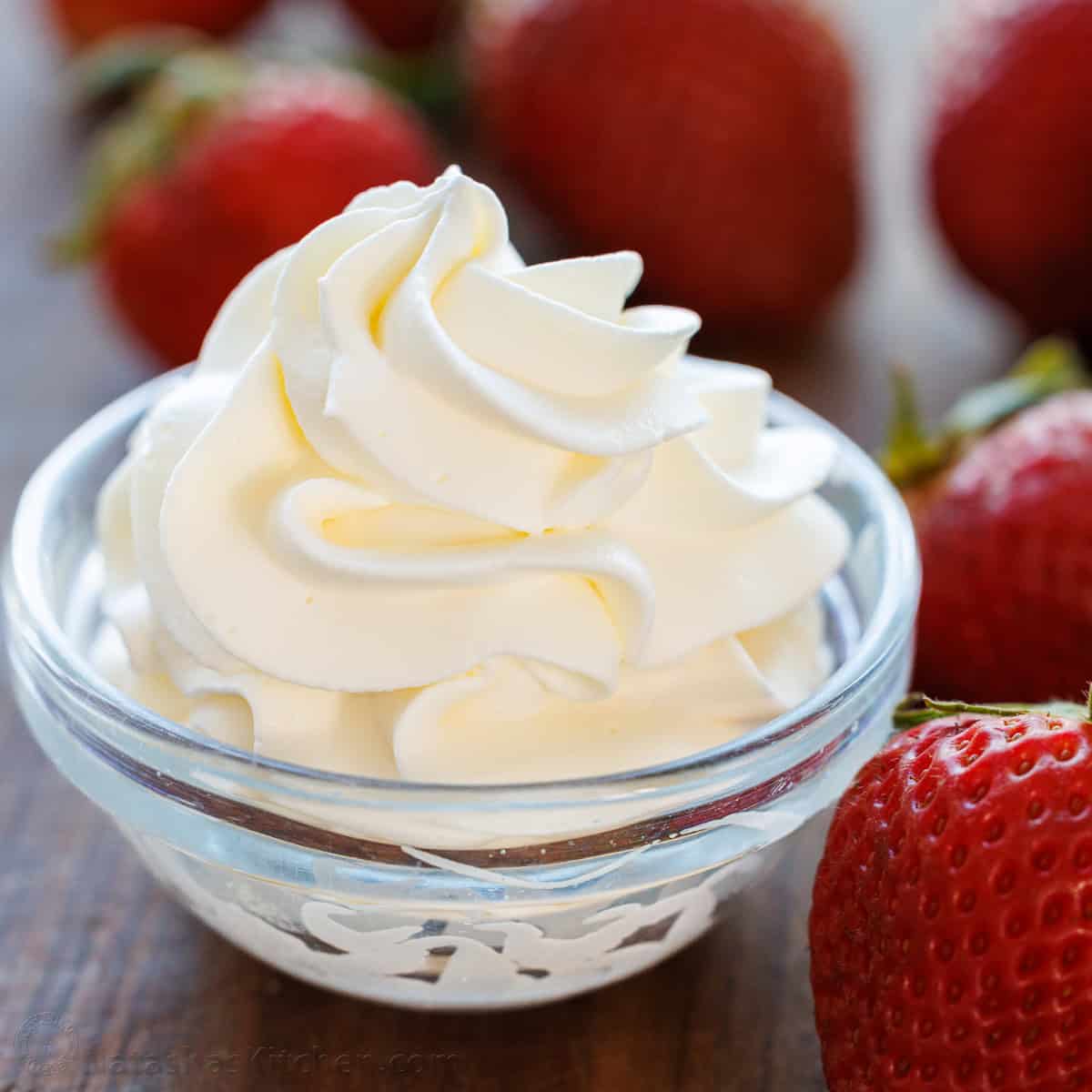
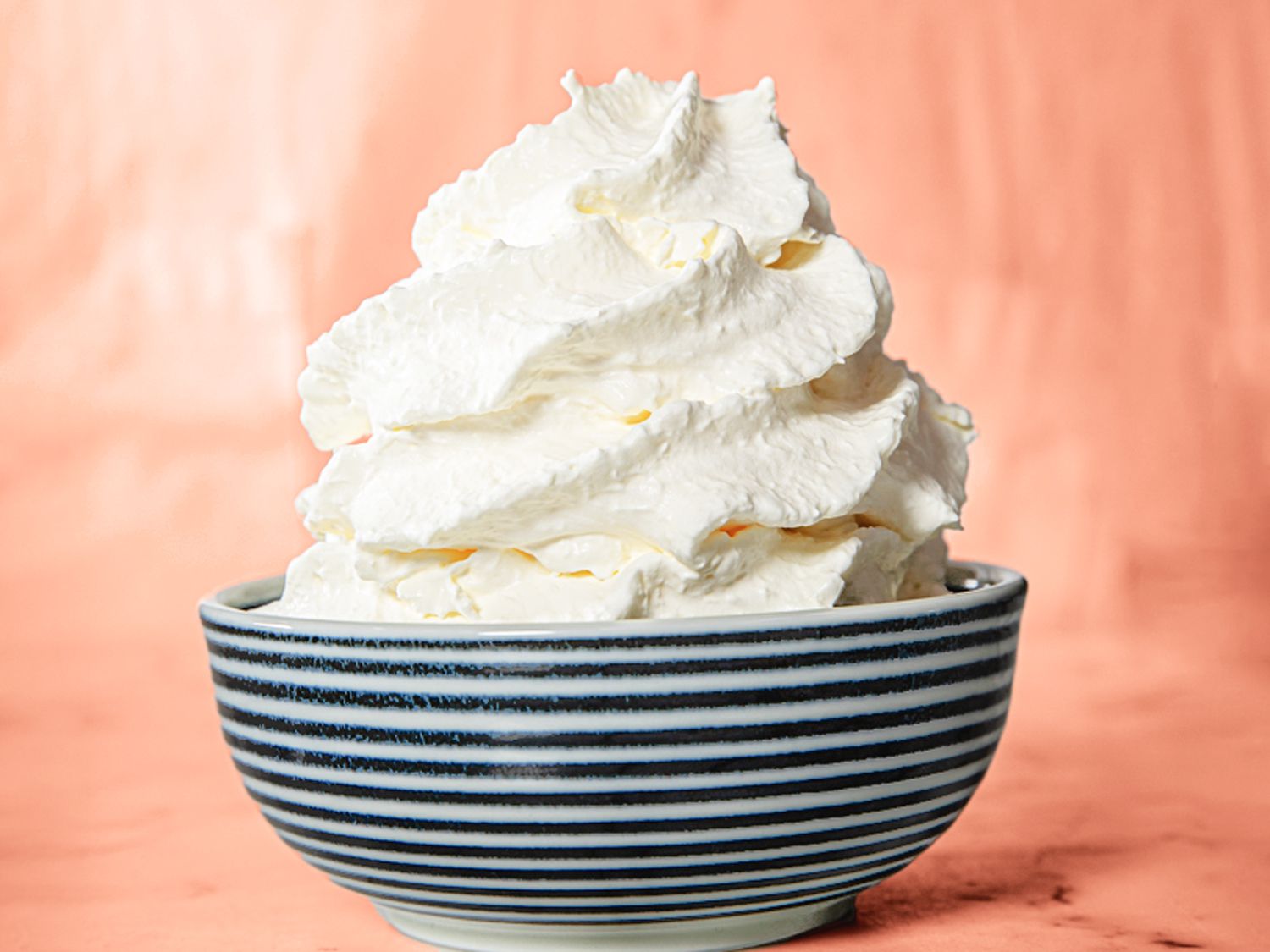
Whipped cream, a light and airy topping, has long been a favorite finishing touch for sweets around the world. Its cloud-like texture and mild richness elevate everything from cakes to hot drinks. This overview explores how whipped cream is made, why it works, and the place it holds in kitchens and cultures everywhere.
The History of Whipped Cream
References to cream whipped into foam appear in early European manuscripts, but the technique became widespread only after tools such as the whisk and the chilled bowl entered the kitchen. Once these simple innovations arrived, home cooks and pastry chefs alike could turn liquid cream into a stable, spoonable foam, and the garnish quickly spread across continents.

Preparation Methods
Three common approaches make it easy to enjoy whipped cream at home or in professional settings:
Hand-Whipped Cream
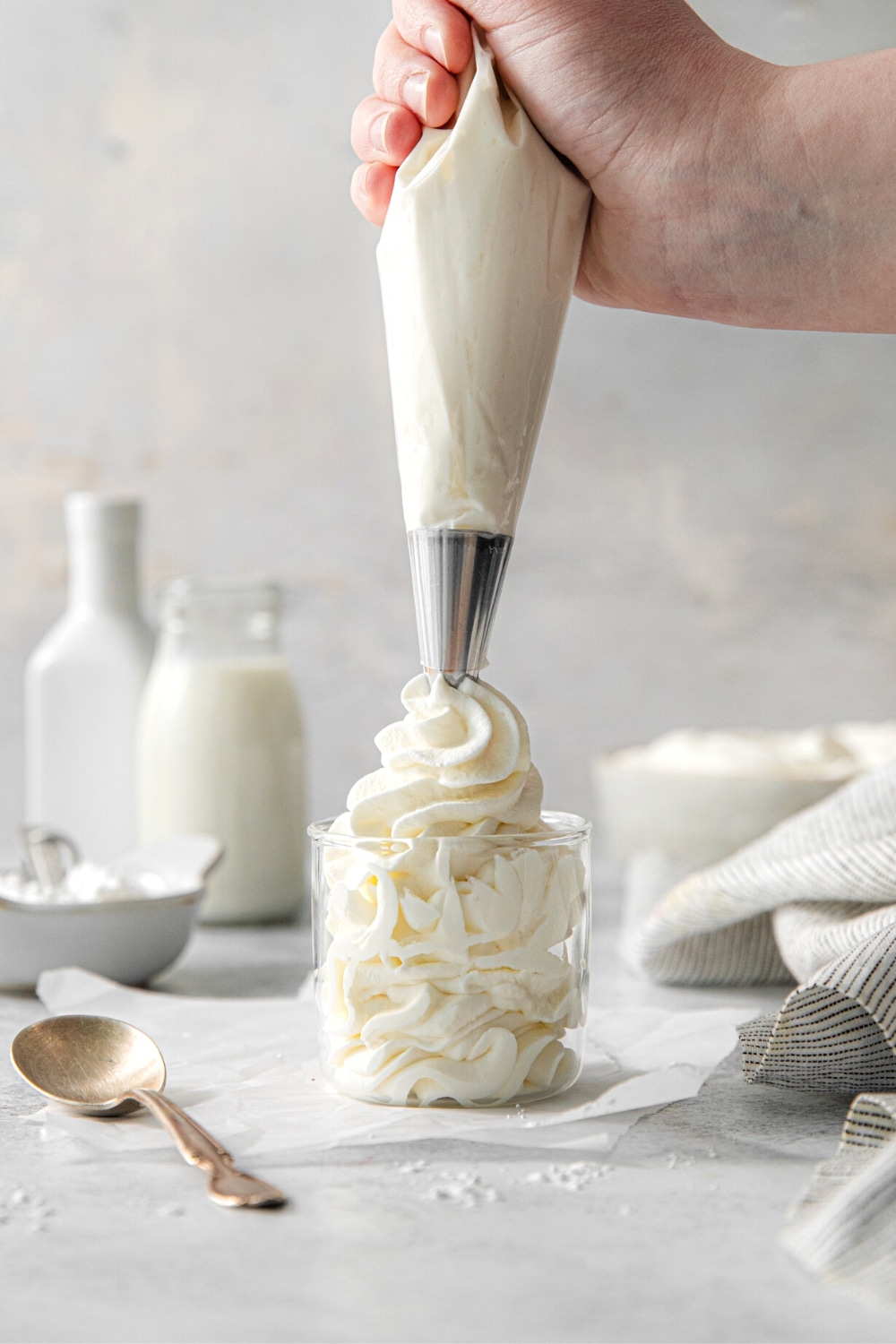
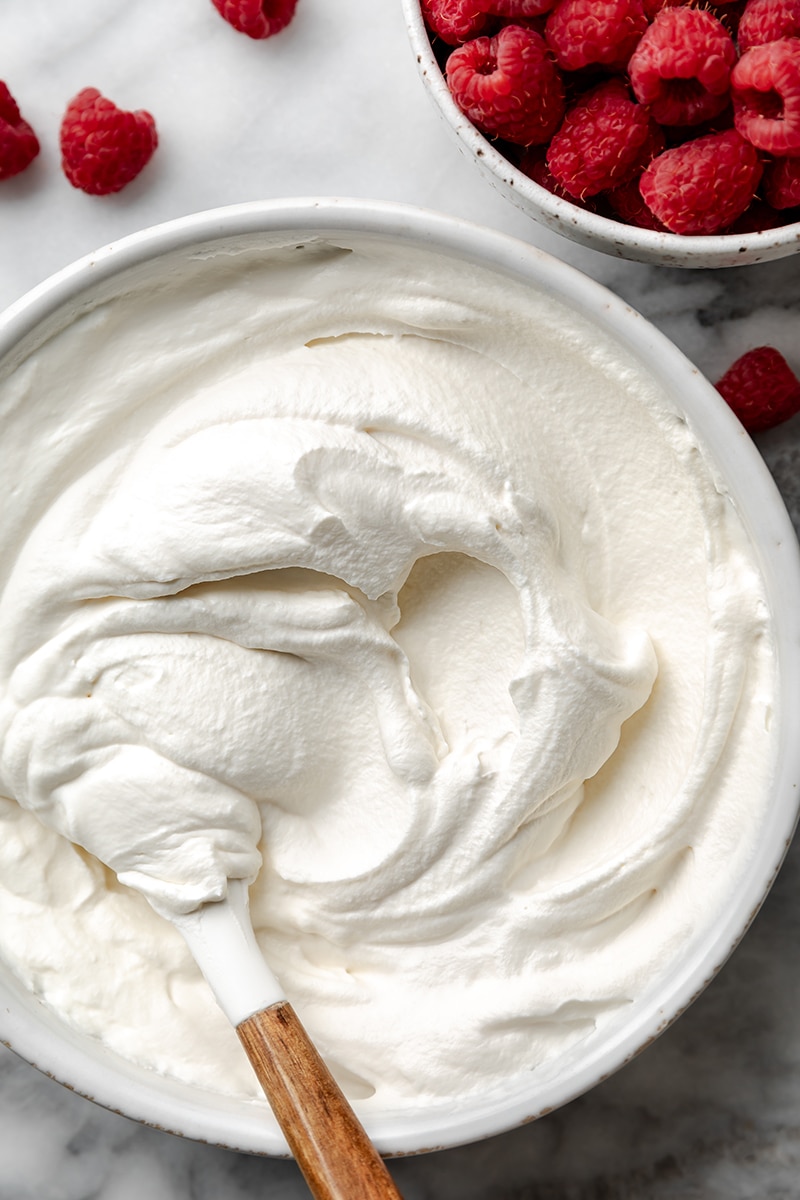
Using a balloon whisk or an electric mixer, cold cream is beaten until it thickens and forms soft or stiff peaks. This classic method offers full control over sweetness and flavor, producing the freshest taste and silkiest texture.
Pressurized Cans
Ready-to-serve cans dispense pre-whipped cream at the push of a nozzle. While ultra-convenient for topping desserts in seconds, the foam is lighter and less customizable than cream whipped from scratch.
Cream Chargers
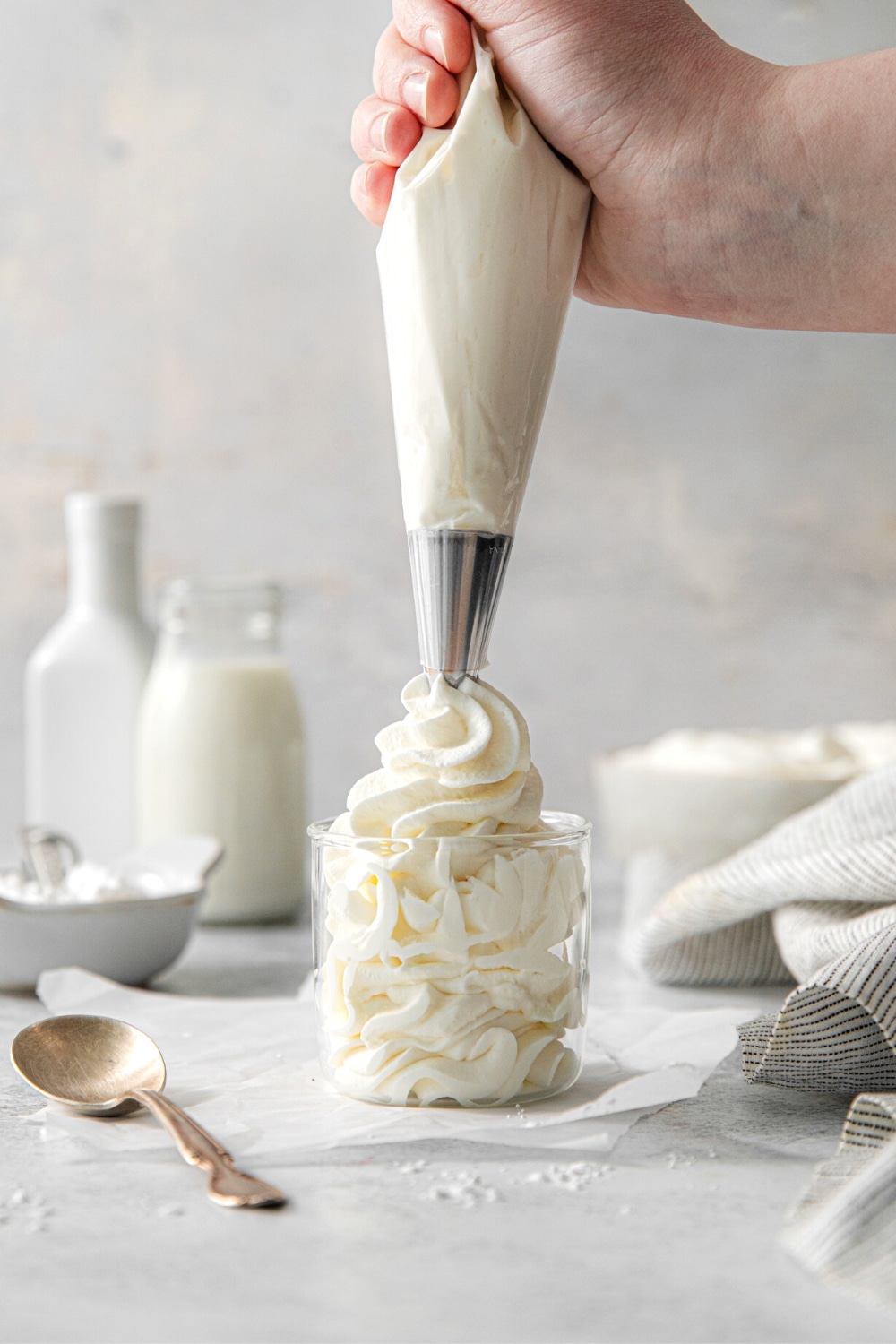
Reusable siphons charged with nitrous oxide instantly aerate cream inside a canister. The gas dissolves into the fat, releasing bubbles when the lever is pressed. The result is a stable, restaurant-quality foam that holds its shape longer than hand-whipped varieties.
Nutritional Value
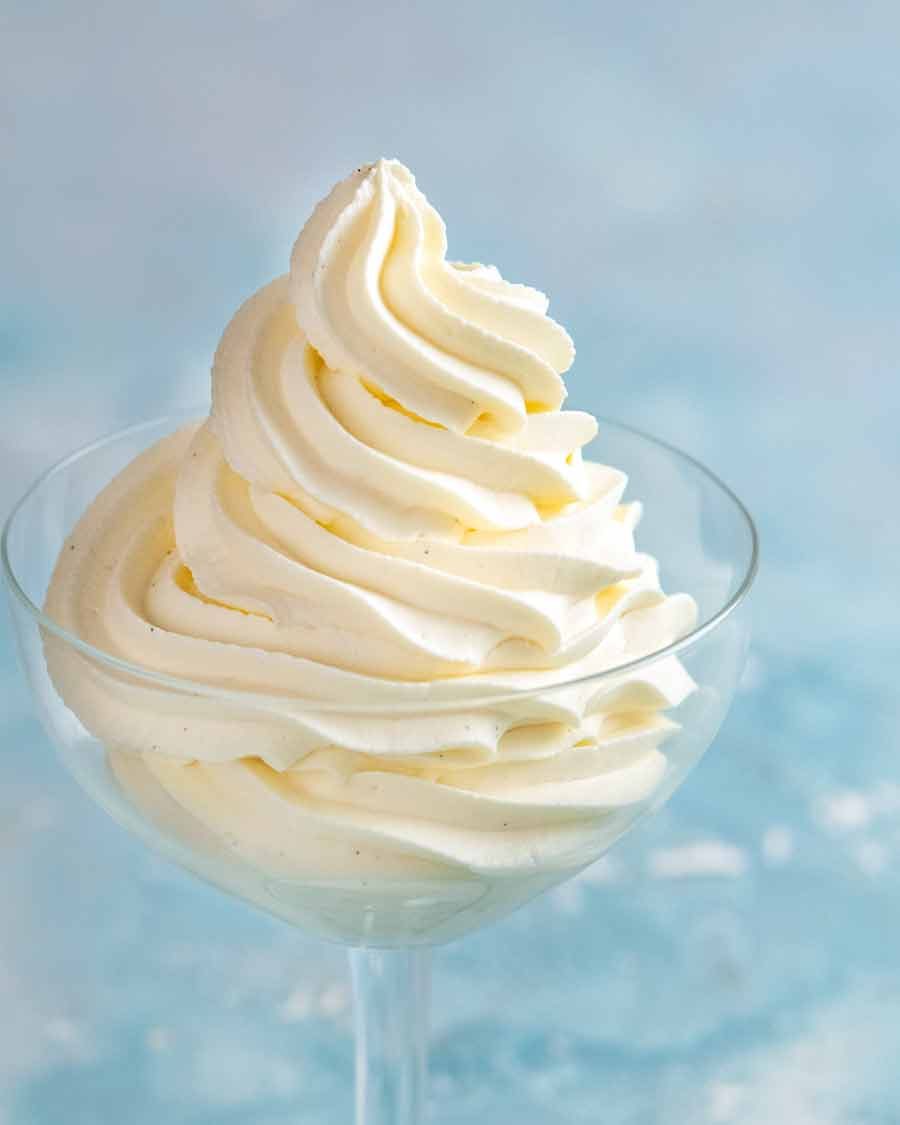
Whipped cream is mostly milk fat, so it is calorie-dense, yet it also delivers fat-soluble vitamins and small amounts of calcium. Light versions reduce fat by replacing some cream with milk or plant-based liquids, while sugar-free options rely on low-calorie sweeteners to keep indulgence in check.
Cultural Significance
From Viennese coffee houses to Japanese Christmas cakes, whipped cream signals celebration and comfort. It crowns holiday trifles, fills cream puffs at family gatherings, and tops hot cocoa on winter nights, making it a universal symbol of simple pleasure.
The Science Behind Whipped Cream
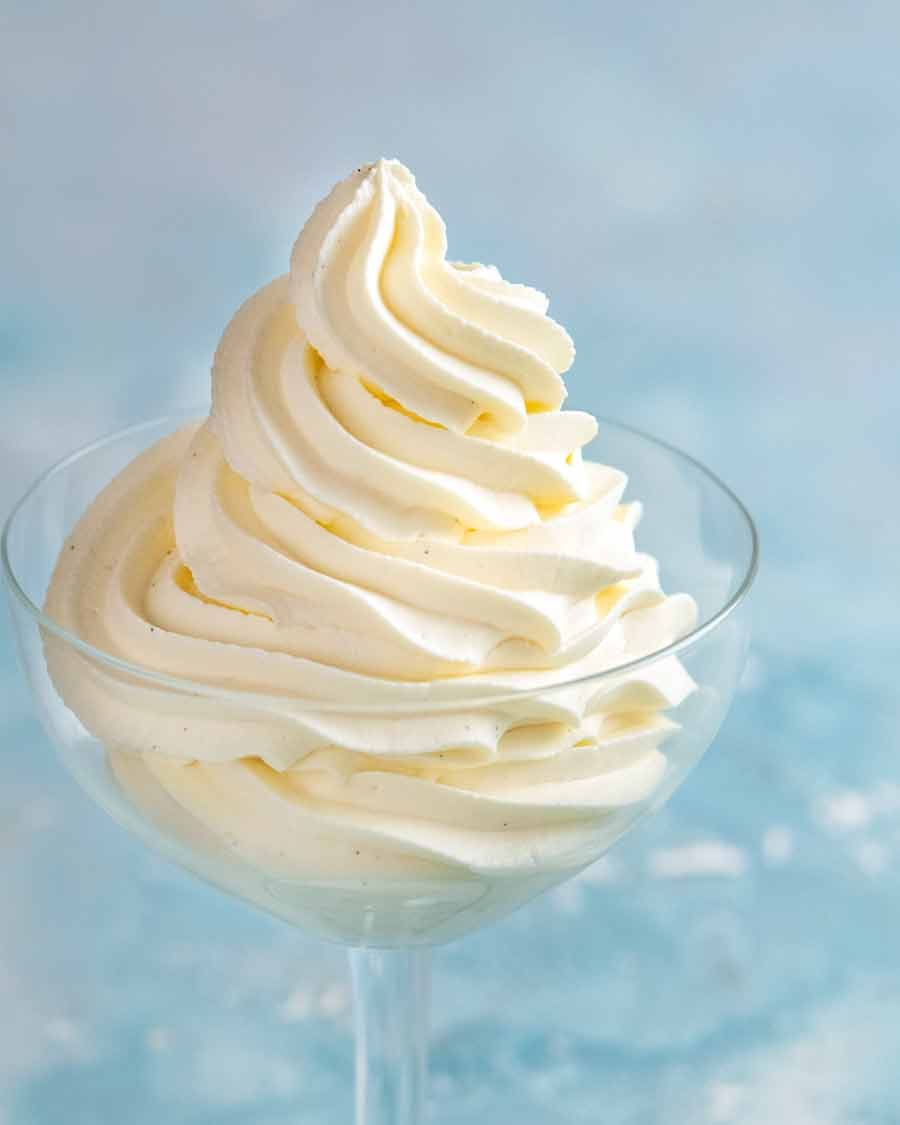
Whipping traps tiny air bubbles inside a network of milk fat globules and proteins. Several variables decide how well this foam forms and how long it lasts:
Fat Content
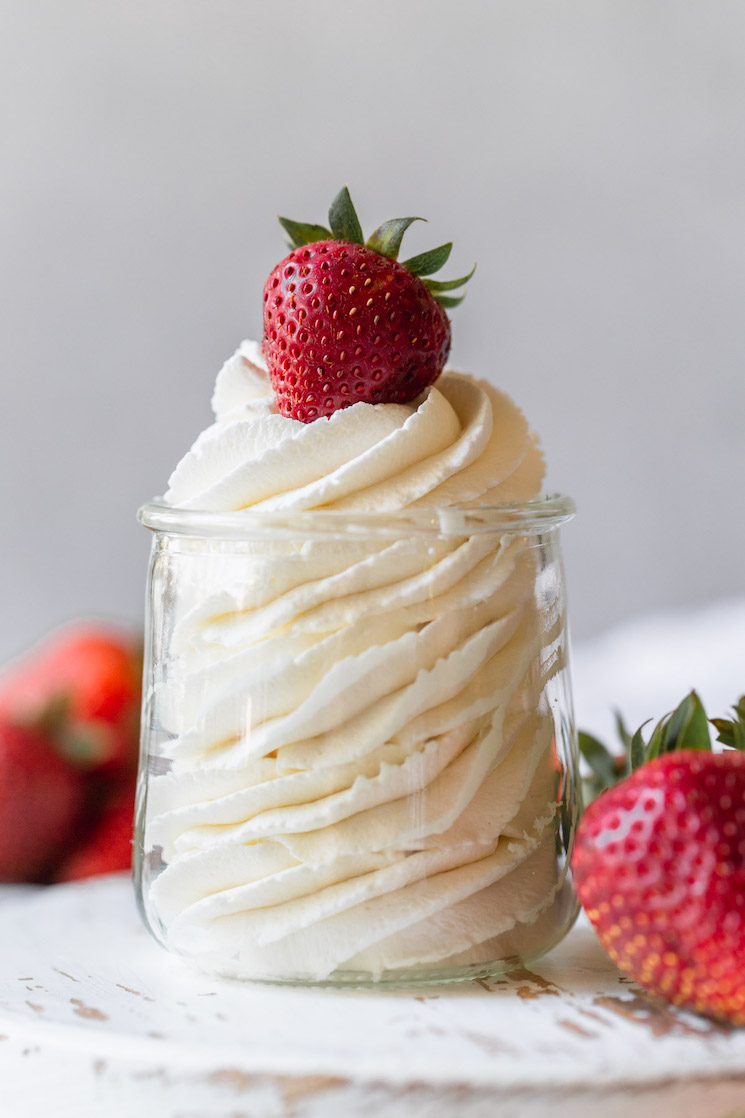
Cream needs roughly one-third fat to create a sturdy film around each air pocket. Lower-fat liquids whip poorly, while richer creams produce thicker, longer-lasting peaks.
Temperature
Everything—bowl, whisk, and cream—should be well chilled. Cold fat crystals encase air more effectively, giving the foam volume and strength; warmth causes collapse and weeping.
Stabilizers
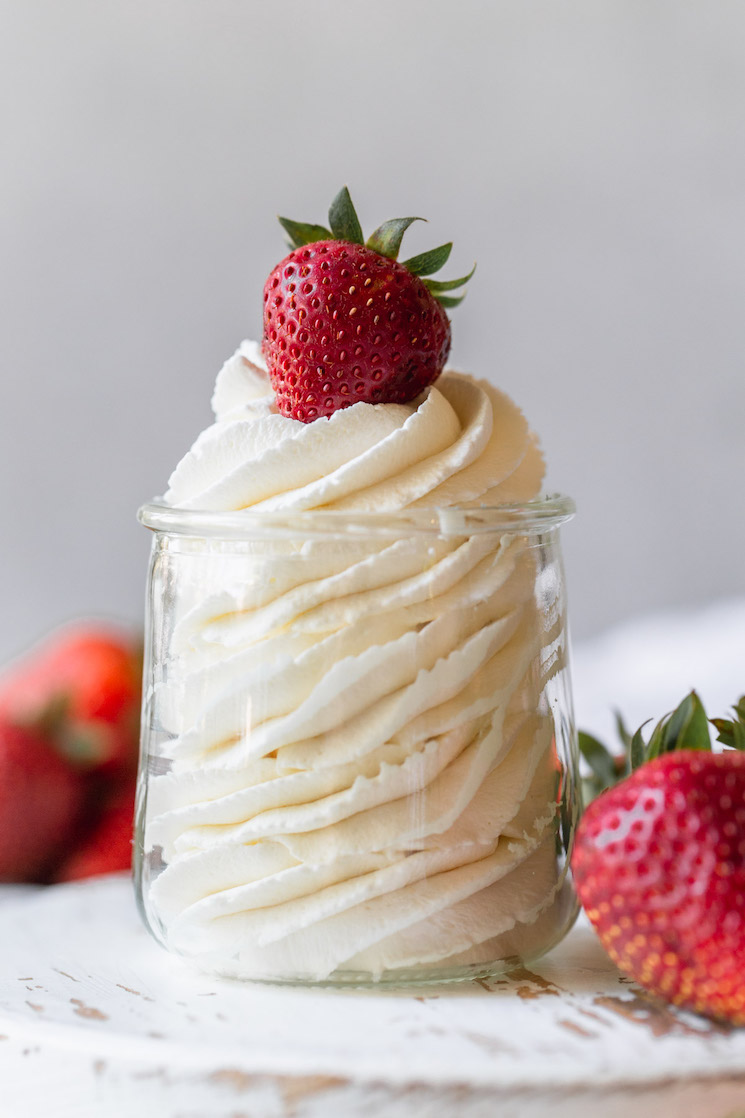
A pinch of powdered sugar, a drop of vanilla, or a small amount of commercial stabilizer can help the foam resist melting. These additives strengthen the protein network, keeping desserts picture-perfect for hours.
Conclusion
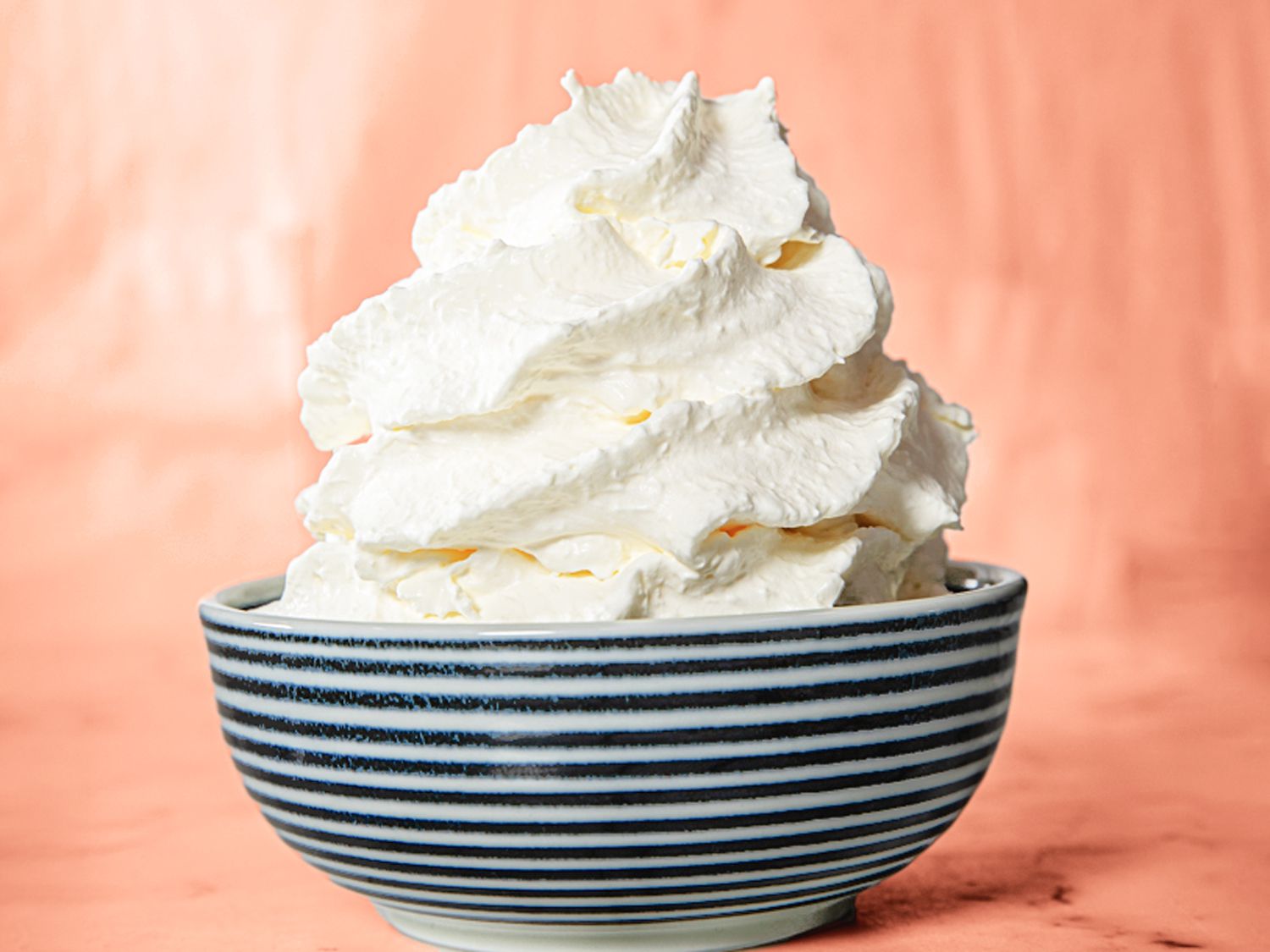
Whipped cream remains an effortless way to add elegance to everyday treats. By balancing fat, chill, and gentle agitation, anyone can conjure a billowy cloud that turns simple fruit or cake into something memorable.
Future Research Directions
Areas worth exploring include:
1. Plant-based foams that mimic the mouthfeel of dairy cream while lowering saturated fat.
2. Natural stabilizers derived from seaweed or seed proteins to extend shelf life without additives.
3. Comparative studies on how different cultures integrate whipped toppings into traditional festivities.
4. Life-cycle assessments of packaging for single-use chargers versus reusable siphon systems.
Continued curiosity will keep this humble garnish evolving alongside changing diets and sustainability goals.