














Title: The Art and Science of Cooking: A Deep Dive into Ingredients
Introduction
Cooking is an art that has evolved over countless generations. It offers a canvas for creativity, a bridge between cultures, and a path to nourishing both body and soul. At the center of every memorable dish are the ingredients—simple yet powerful elements that shape flavor, texture, and aroma. This article explores why thoughtful ingredient choices matter, how they build flavor, and how a deeper understanding of them can lift everyday cooking to new heights.
The Significance of Ingredients
Ingredients form the backbone of every recipe. Their quality, seasonality, and condition influence color, aroma, and final taste. Selecting produce at its peak, for instance, often means brighter flavors and more nutrients on the plate.
The Role of Ingredients in Flavors
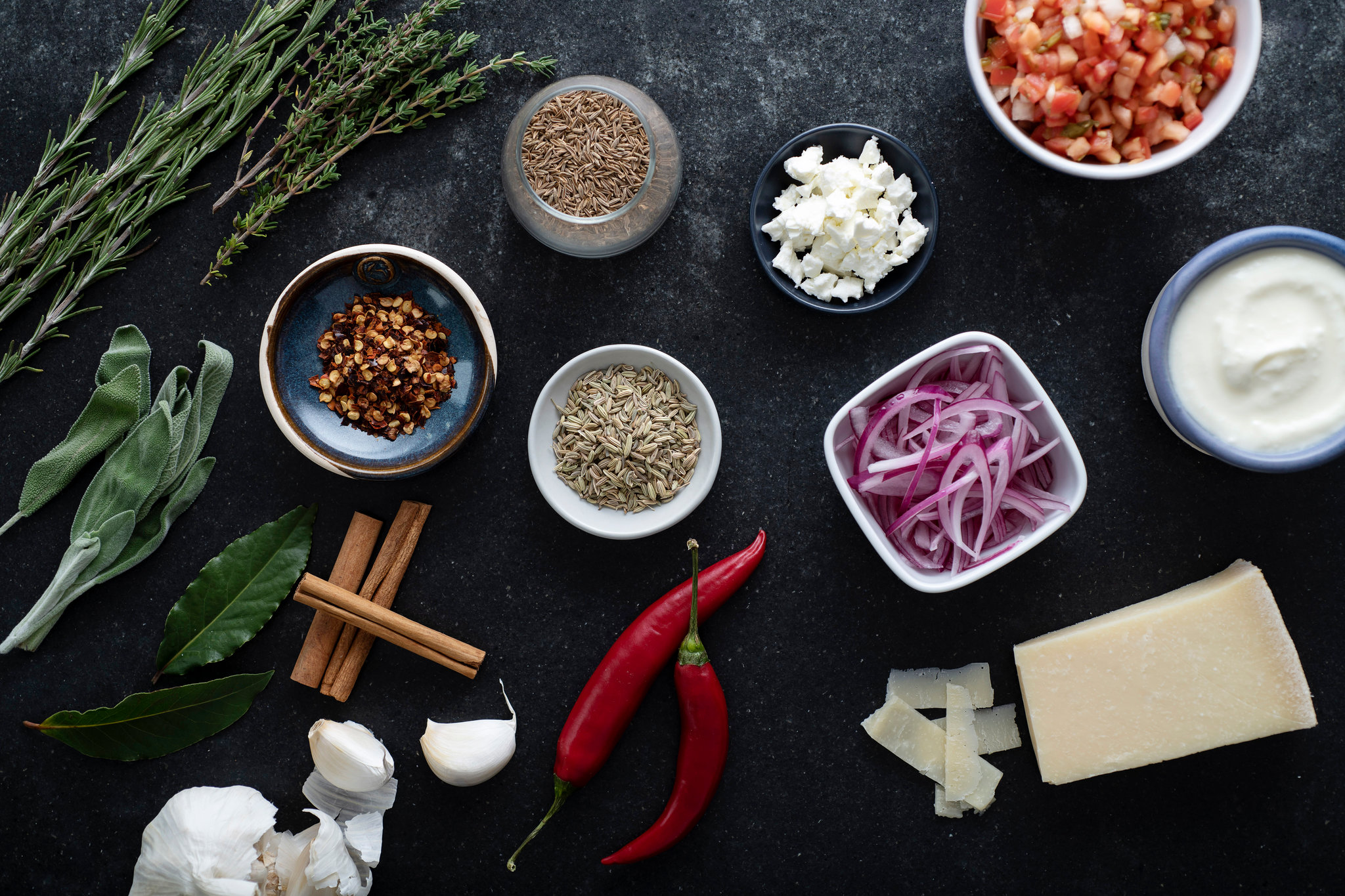
Flavor is a mosaic created by combining ingredients with care. Below are several core categories and the dimensions they add:
–
Spices
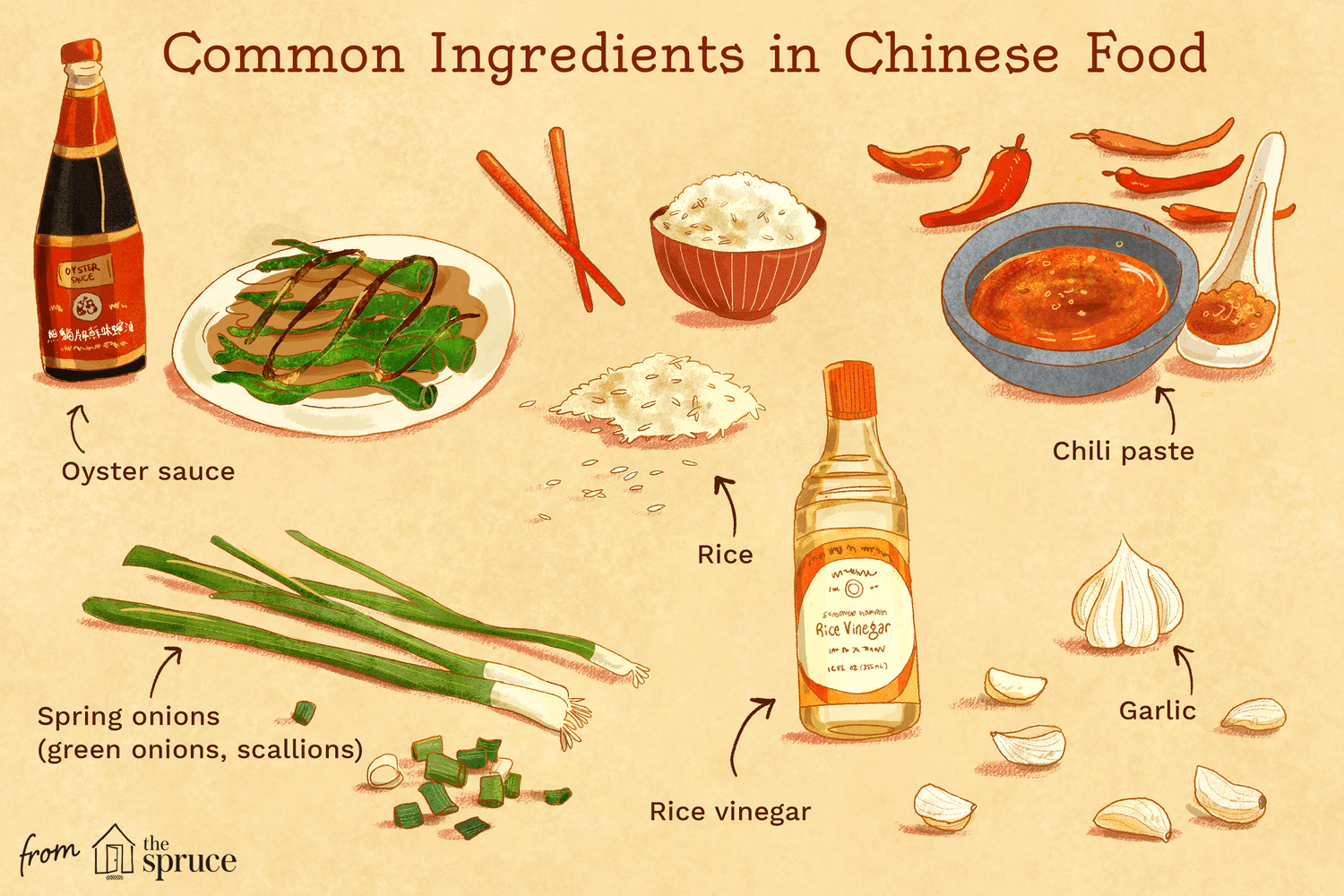
Spices—dried seeds, bark, or roots—carry concentrated aromas. A pinch of warm spice can deepen a stew, while a whisper of bright spice can lift a sauce.
–
Herbs
Fresh or dried leaves introduce fragrant, grassy, or floral notes. A last-minute sprinkle can awaken a dish just before serving.
–
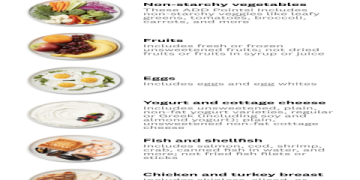
Vegetables
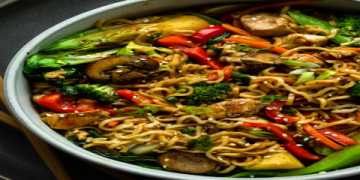
From earthy roots to crisp stalks, vegetables contribute sweetness, bitterness, and umami. Roasting coaxes out caramel tones, while quick steaming keeps flavors vivid and green.
–
Fruits
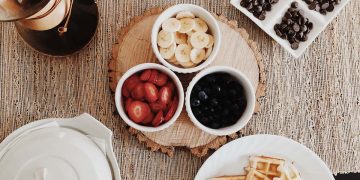
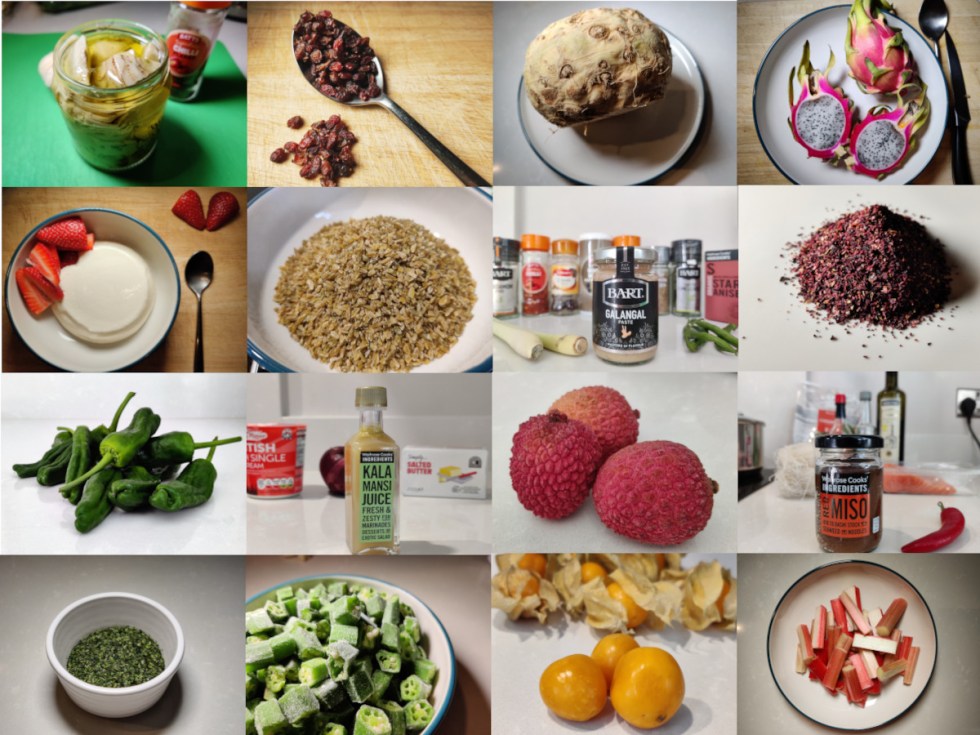
Fruits balance plates with acidity or gentle sweetness. A citrus segment can cut through rich seafood, while berries can lend subtle perfume to salads.
–
Proteins
Whether plant-based or from animal sources, proteins supply depth and satisfying texture. Slow simmering can yield fork-tender bites, while high-heat searing creates contrast through crisp edges.
The Importance of Understanding Ingredients
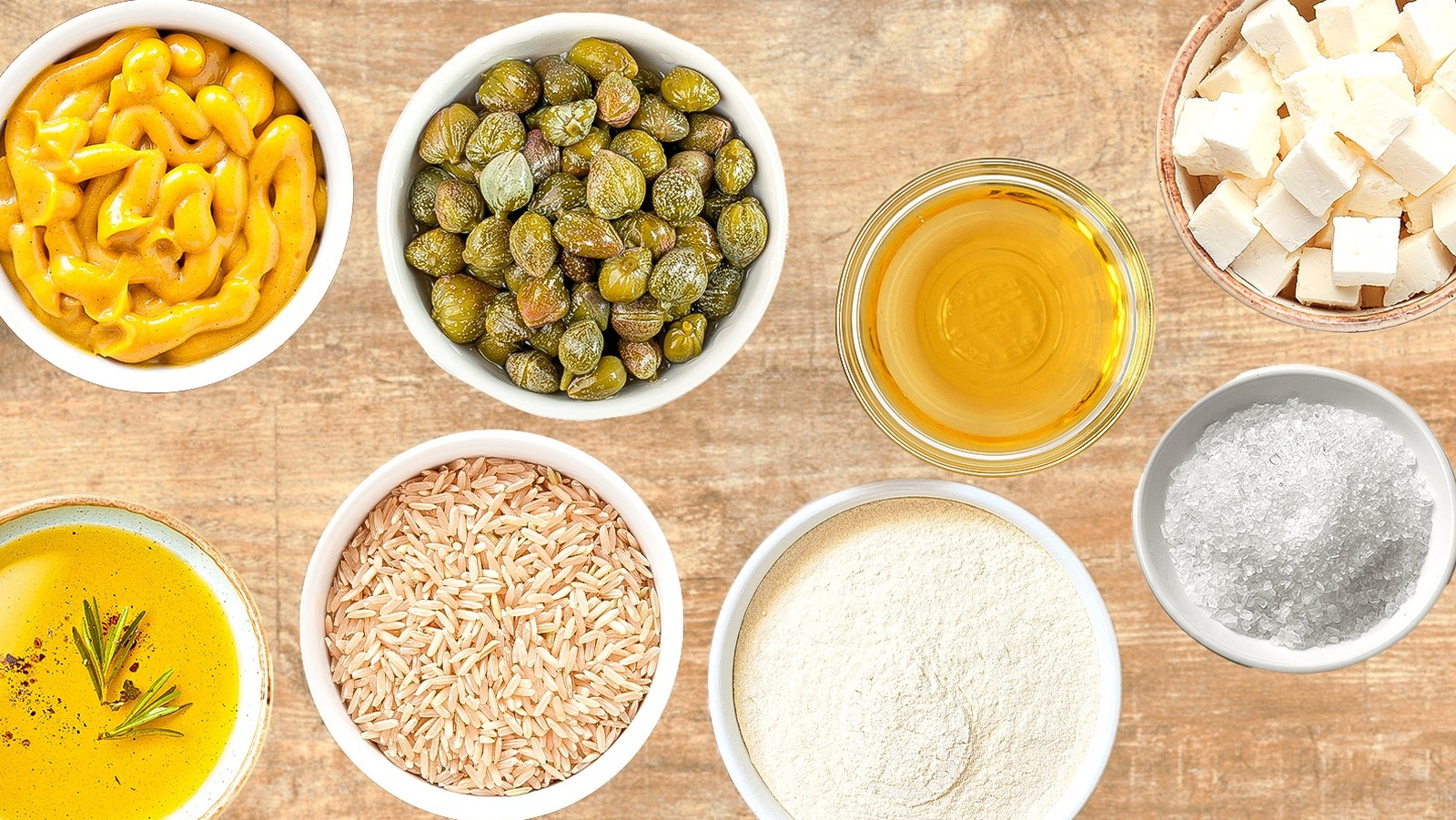
Taking time to learn how ingredients behave pays off in several ways:
–
Flavor Balance
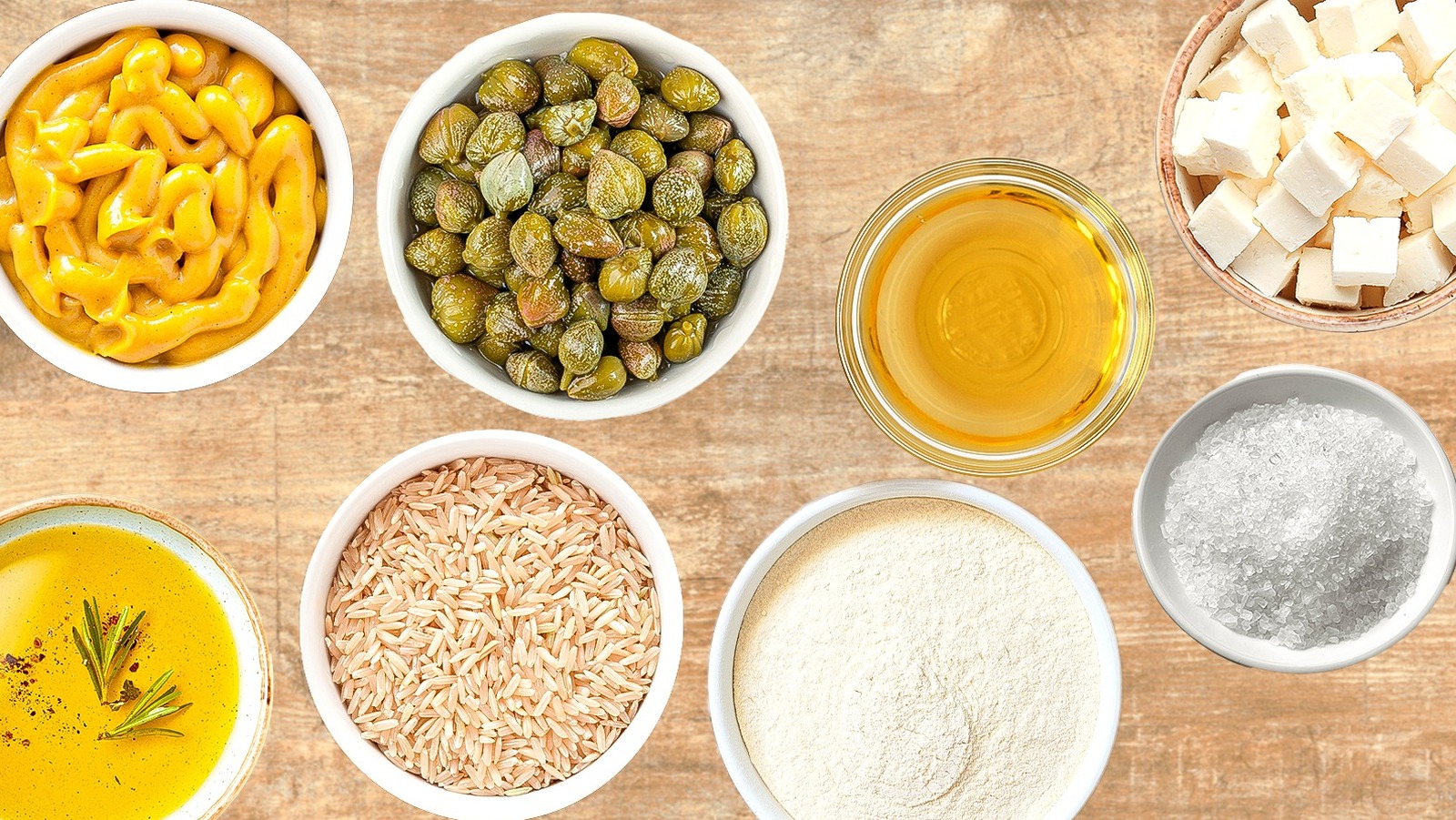
Recognizing which elements bring heat, sweetness, or acidity helps adjust a dish on the fly, ensuring no single note overpowers the rest.
–
Texture and Appearance
Knowing when to chop, crush, or leave something whole affects mouthfeel and visual appeal. A gentle simmer keeps shapes intact; a rapid boil might soften them into silky comfort.
–
Nutritional Value
Mixing colors on the plate often signals a range of vitamins and antioxidants. Pairing whole grains with vibrant produce can turn a simple bowl into a balanced meal.
Conclusion
Great cooking begins with respect for ingredients. By learning their stories—how they taste, how they react to heat, how they mingle—anyone can turn basic elements into memorable food. Whether you cook nightly or only on weekends, curiosity about what goes into the pan is the surest route to better results.
As tastes and techniques continue to shift, ingredients remain the constant source of inspiration. Exploring unfamiliar produce, experimenting with heirloom varieties, and seeking responsible sources keep the craft fresh and forward-looking.
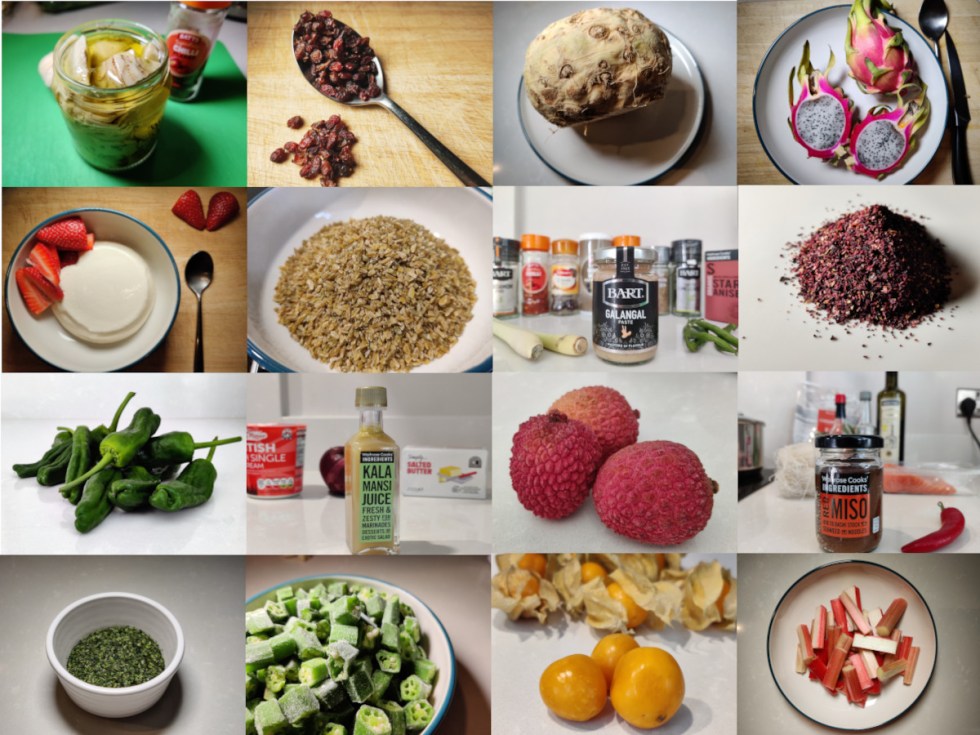
In the end, the dishes we treasure most are built on thoughtful choices at the market and mindful care at the stove. Celebrate each ingredient, and the meal will celebrate you in return.