













Cooking with Genius: The Art and Science of Culinary Innovation
Introduction
Culinary creativity has always propelled cooks—professional and home alike—to explore fresh flavors, techniques, and ingredients. Cooking with Genius captures that spirit, reimagining time-honored methods and lifting them to new levels. This article explores the ideas, ingredients, and attitudes that turn everyday cooking into edible innovation.
The Techniques of Cooking with Genius
1. Molecular Gastronomy: The Science of Flavors
Molecular gastronomy blends kitchen craft with laboratory curiosity, reshaping how we experience food. Spherification, emulsification, and gelification turn liquids into pearls, foams, and gels, giving diners playful bursts of taste and texture.
Picture a delicate sphere that looks like caviar yet releases a fragrant herb oil the moment it touches the tongue—an elegant surprise born from precise science.
2. Fermentation: The Ancient Art of Flavor
Fermentation, one of humanity’s oldest kitchen tricks, continues to inspire modern menus. By guiding natural microbes, chefs coax deep, layered flavors from simple ingredients.
Bread, yogurt, kimchi, and kombucha all begin with tiny organisms working their magic. Beyond taste, these living foods offer the bonus of natural probiotics that support well-being.
3. Global Flavors: Fusion Cuisine
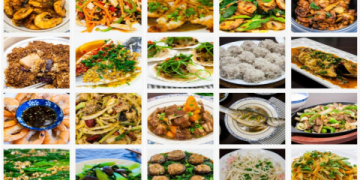
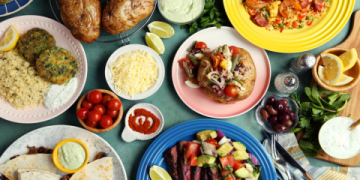
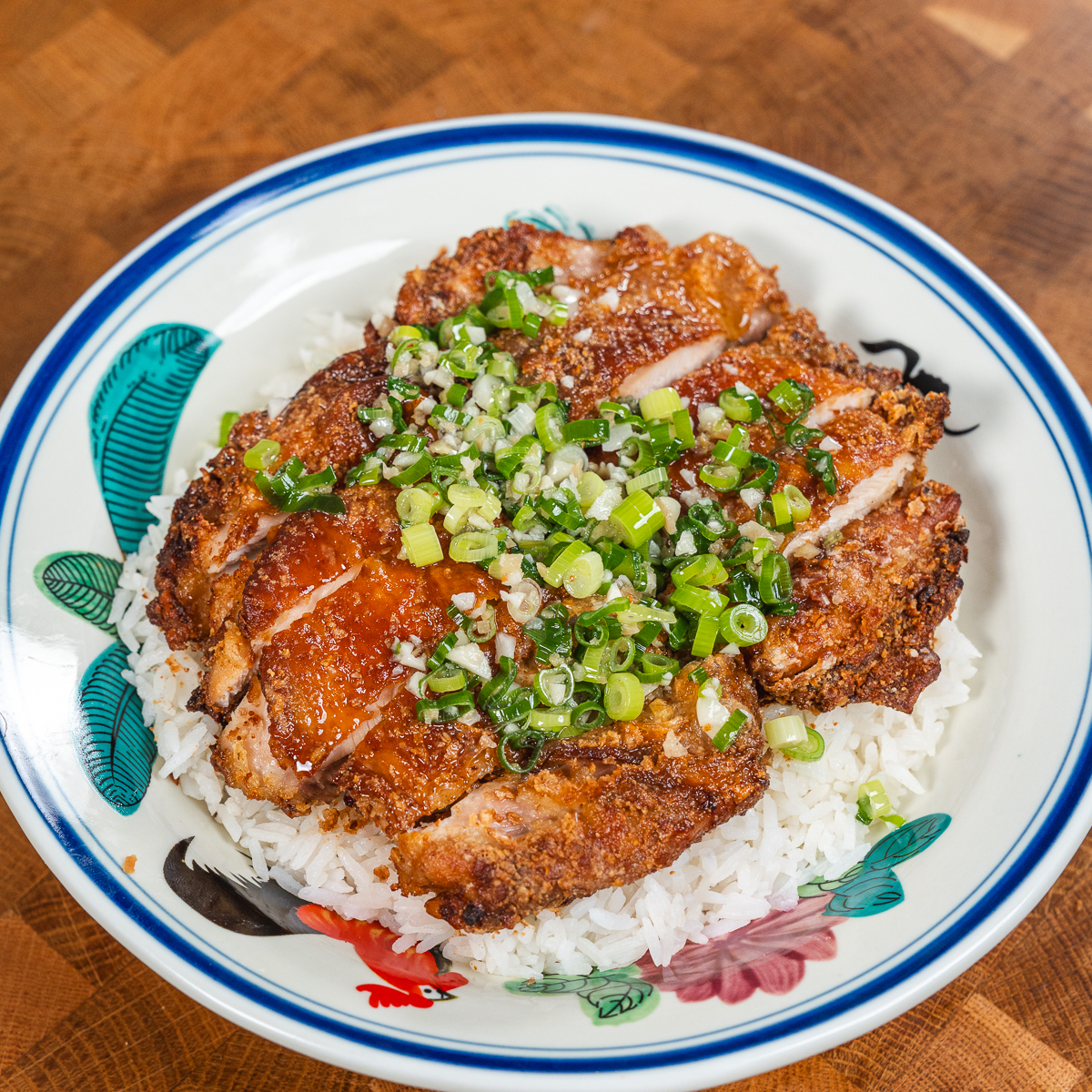
Innovative cooking often weaves together distant culinary traditions. By marrying spices, sauces, and techniques from different continents, chefs craft dishes that feel both familiar and thrillingly new.
This borderless approach celebrates diversity, inviting diners to travel the world one bite at a time while encouraging cooks to rethink what belongs on the same plate.
The Ingredients of Cooking with Genius
1. Local and Seasonal Ingredients
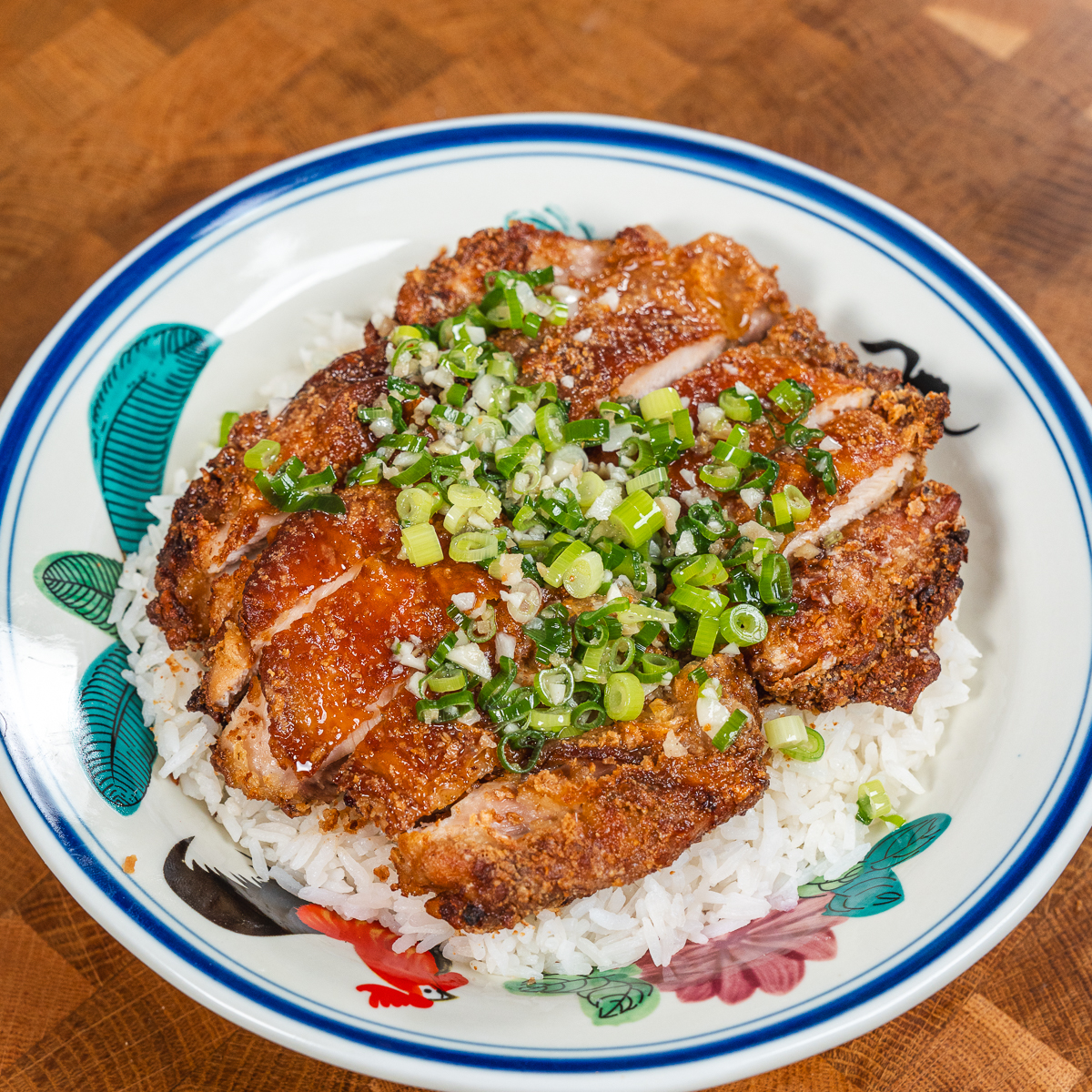
Great dishes frequently start just outside the kitchen door. Building menus around what nearby fields, forests, and waters offer each season guarantees peak flavor and minimal environmental impact.
When produce is picked at its prime, a light steam, quick sear, or raw slice is often all that’s needed to let nature’s quality shine.
2. Exotic and Unconventional Ingredients
Curiosity also leads chefs to lesser-known plants, spices, and minerals. A splash of fragrant oil, a pinch of rare pepper, or a flash of culinary nitrogen can transform a classic recipe into headline-worthy fare.

These adventurous choices challenge preconceptions and remind us that the pantry is as vast as our willingness to explore.
The Mindset of Cooking with Genius
1. Embracing Failure
Breakthroughs rarely arrive fully cooked. Treating missteps as data rather than defeat frees cooks to tweak temperatures, ratios, and timings until something extraordinary emerges.

Every collapsed soufflé or over-salted broth becomes a lesson that edges the next attempt closer to brilliance.
2. Collaboration and Teamwork
Kitchen creativity multiplies when talents collide. Cooks trade notes with farmers, scientists, designers, and even musicians, borrowing insights that spark unexpected plates.
Shared curiosity dissolves silos, turning a solitary recipe into a chorus of perspectives—and often a more delicious result.

Conclusion
Cooking with genius sits at the crossroads of art, science, and imagination. By questioning assumptions, celebrating global pantry staples, and welcoming trial-and-error learning, chefs craft experiences that linger in memory long after the last bite.
As tastes evolve and planetary awareness grows, this open-minded approach will keep guiding food forward—proof that the next great dish is always only one bold question away.