























The Revolution of Voice-Controlled Slow Cooking: A Comprehensive Overview
Introduction
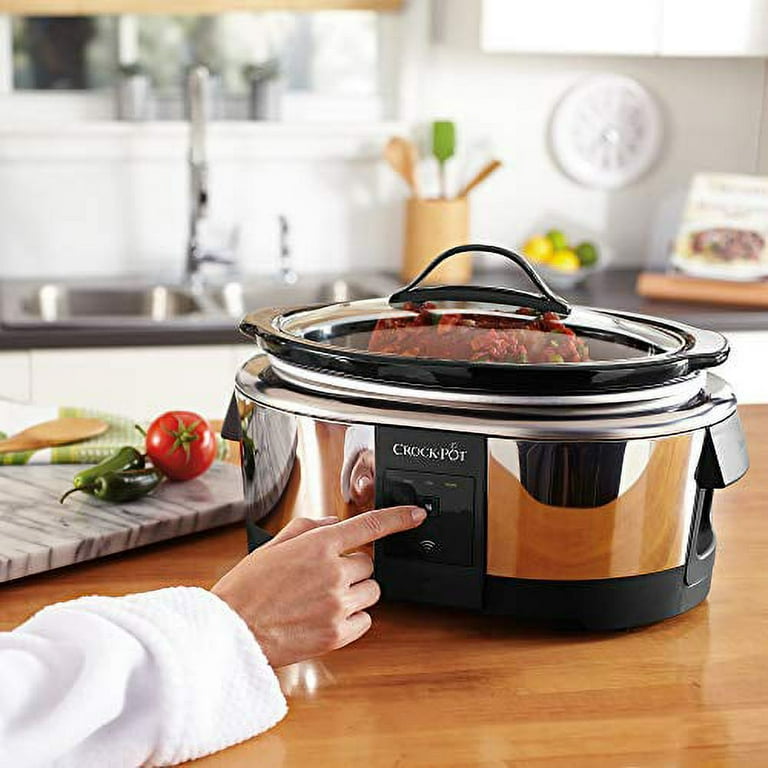
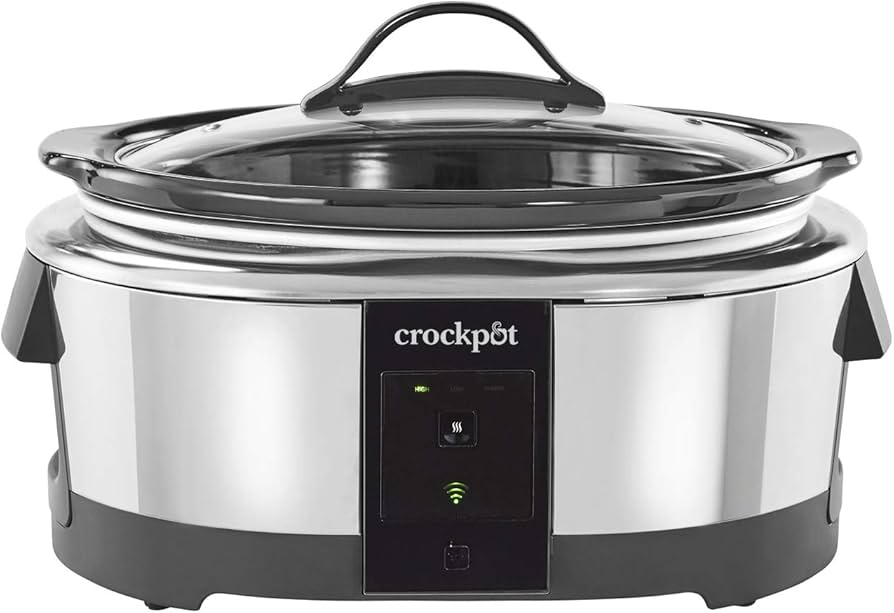
Modern kitchens are increasingly shaped by connected appliances that promise both ease and creativity. Among them, the voice-enabled slow cooker stands out, turning the familiar countertop pot into a responsive kitchen partner. This overview explores its key functions, everyday advantages, and the broader influence it exerts on contemporary home cooking.
The Emergence of Smart Slow Cookers
By merging classic slow-cooking hardware with cloud-based voice services, manufacturers introduced a new category of appliances that answer spoken requests. Since their market debut, these cookers have gained traction among households looking for flexible, low-effort meal preparation without sacrificing flavor or nutrition.
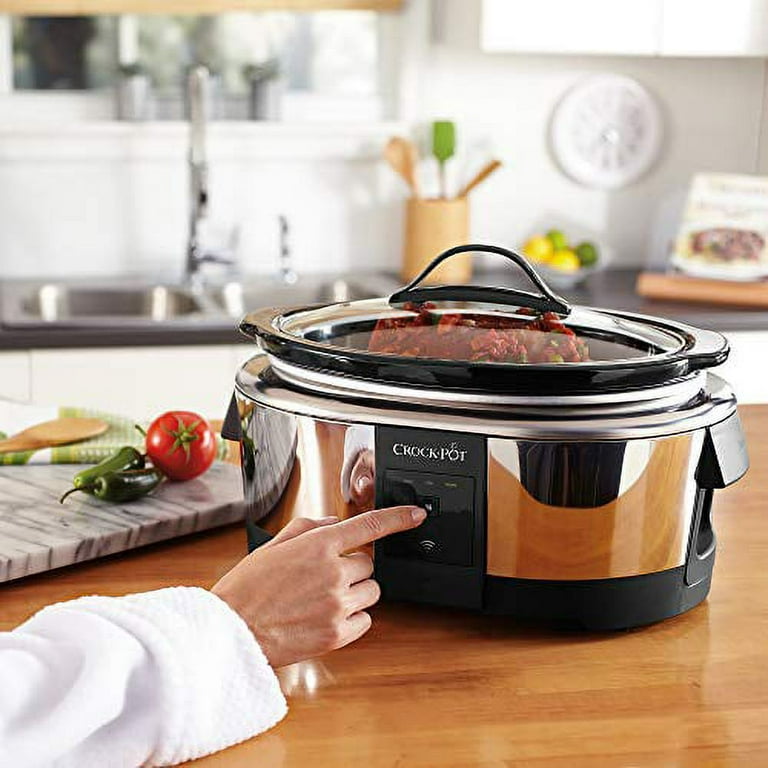
Signature Features
1. Voice Control
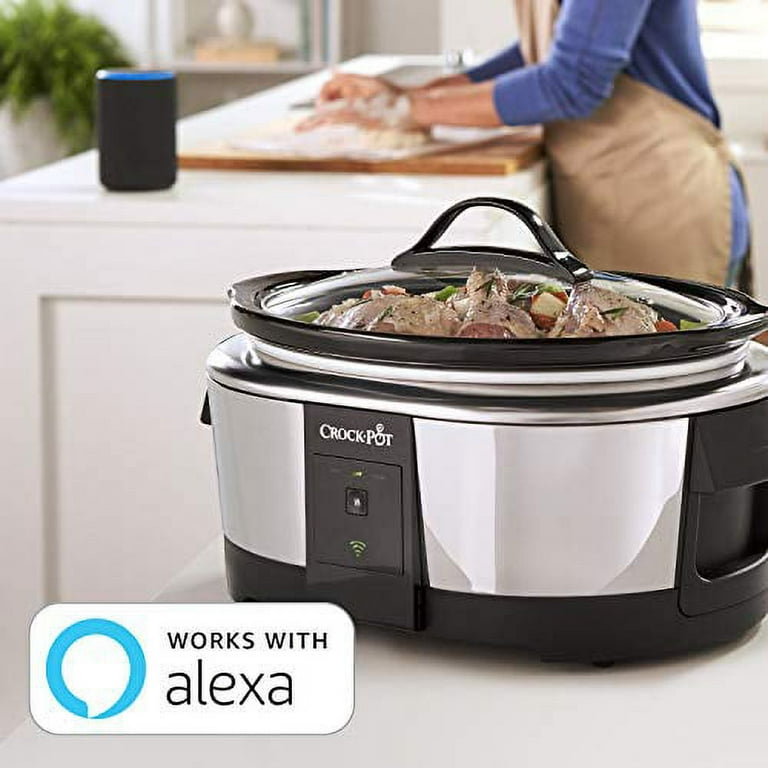
Hands-free commands let users adjust heat levels, set or check timers, and receive status updates while chopping vegetables or helping children with homework. The feature is especially welcome for anyone with mobility concerns or messy fingers mid-recipe.
2. Guided Recipes
Companion mobile apps host an ever-growing collection of dishes searchable by ingredient, cook time, or dietary goal. Step-by-step prompts appear on the phone or smart speaker, and progress is synchronized automatically with the cooker.
3. Ecosystem Links
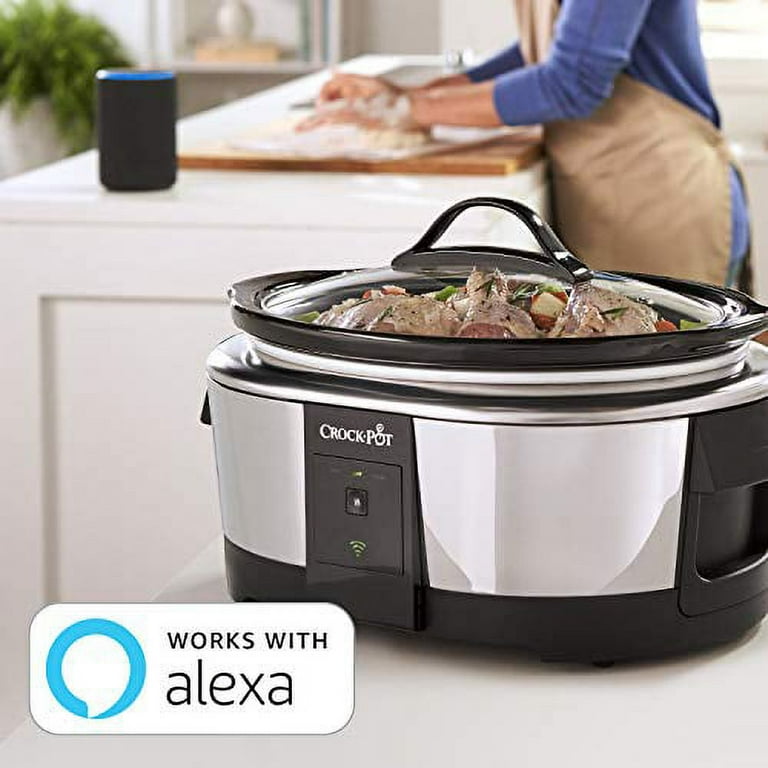
The appliance can join broader smart-home scenes: dimming lights when dinner starts, or sending a notification to a connected thermostat to lower household temperature once the meal switches to warm mode.
Everyday Benefits
1. Convenience
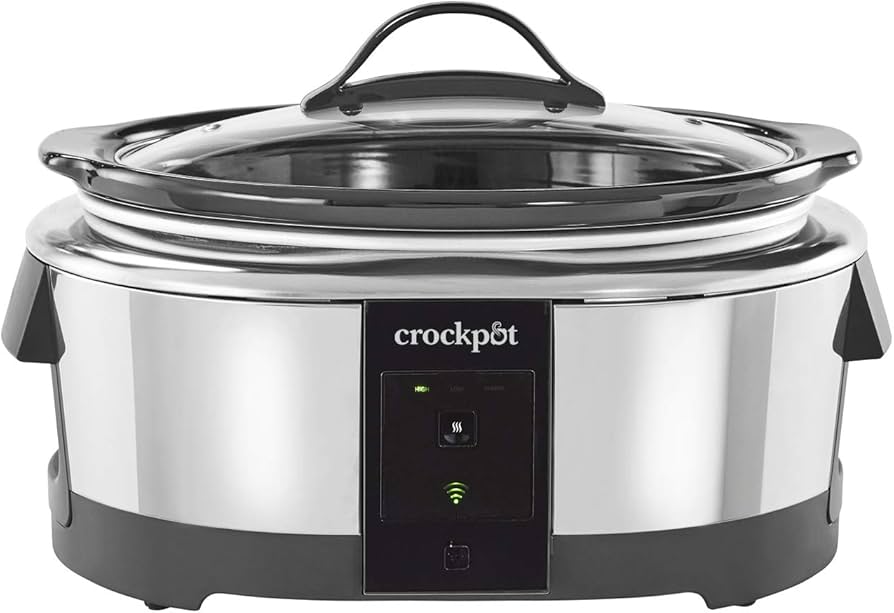
From the grocery aisle or the office, users can confirm that ingredients are simmering safely at home, removing the pressure of rushing back to the kitchen.
2. Time-Saving
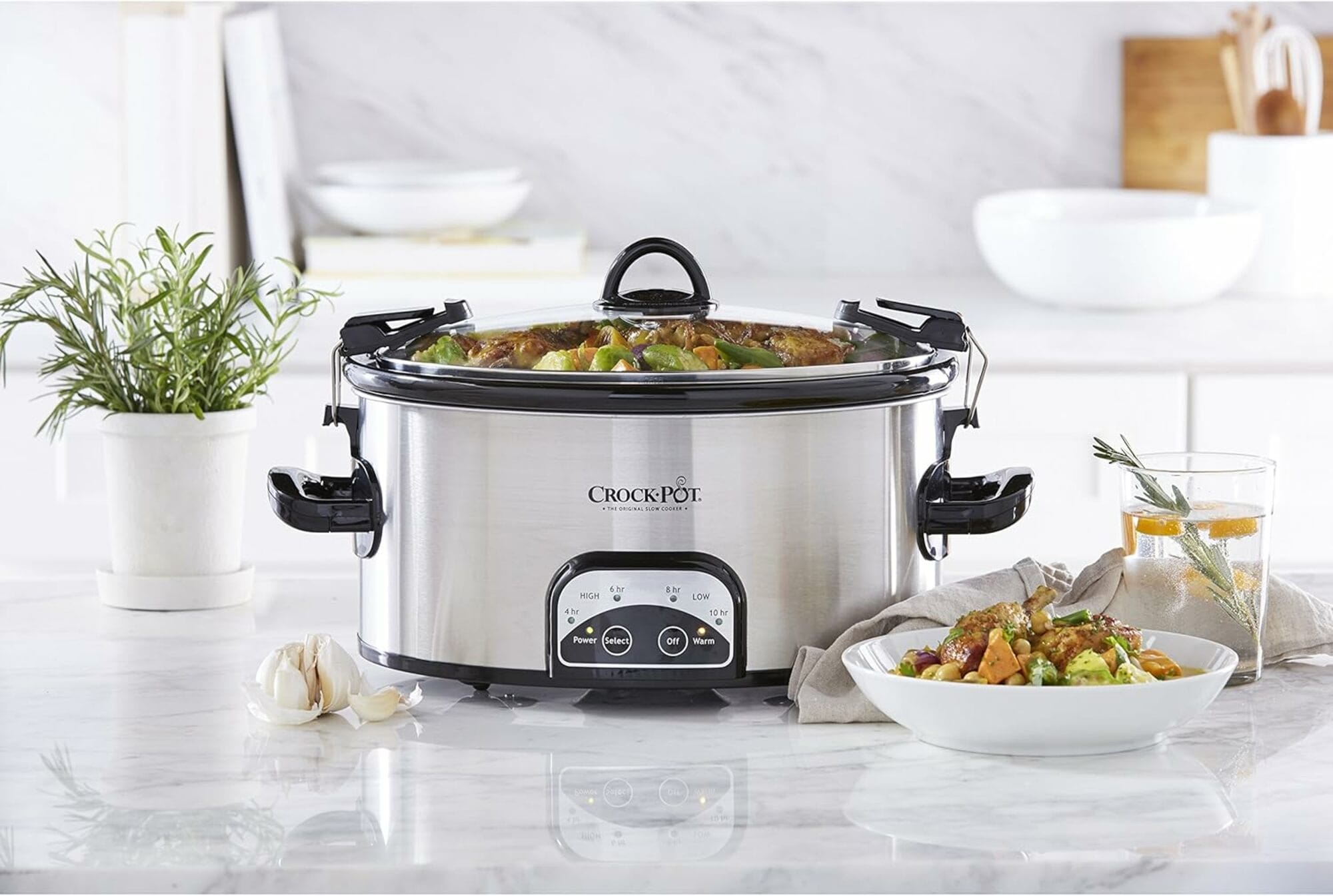
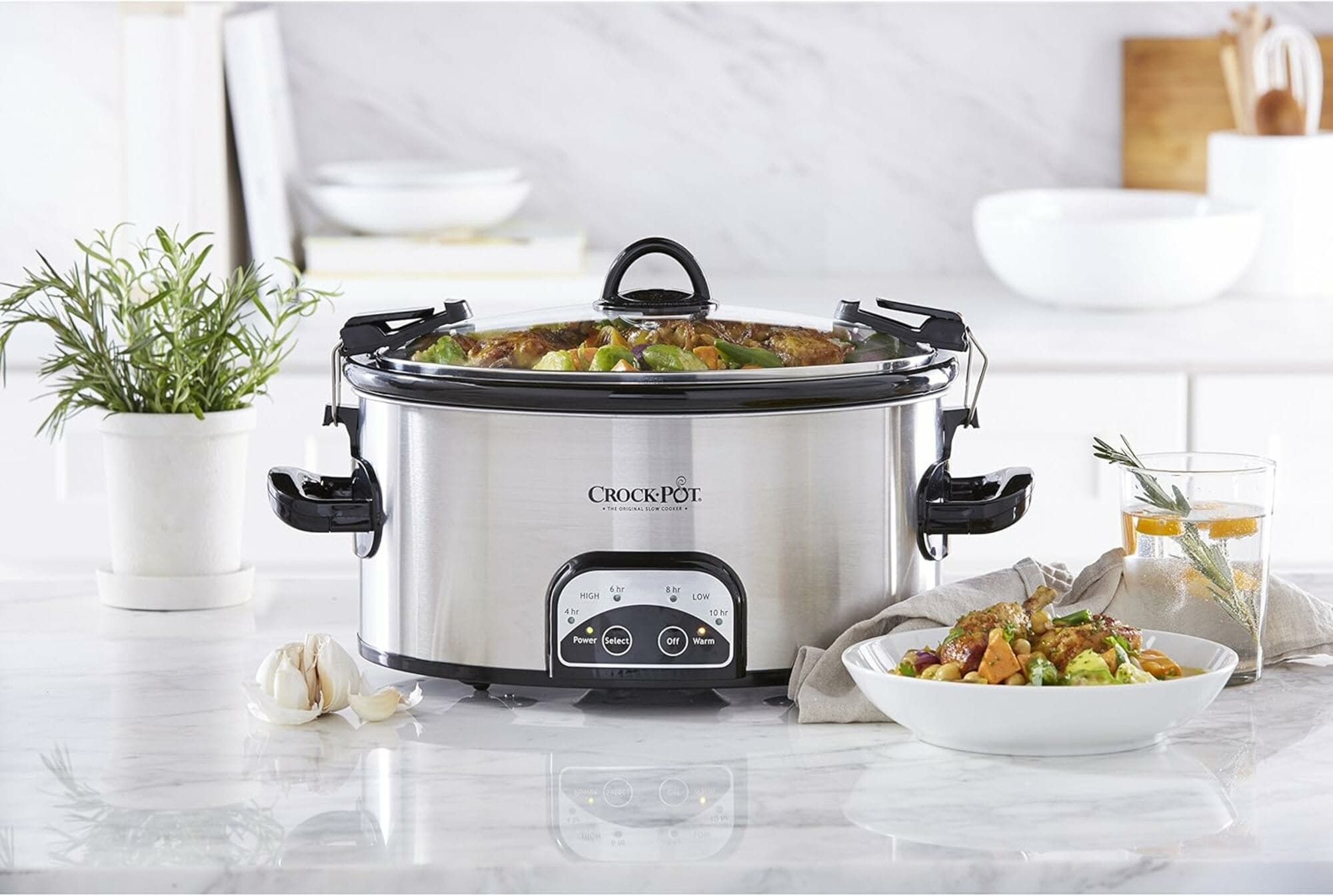
Long, gentle cooking collapses tough cuts into fork-tender servings while occupants tackle workouts, homework, or after-school pickups. Active kitchen time is reduced to a quick morning prep session.
3. Health Advantages
Low, steady heat preserves water-soluble vitamins that can be lost during faster cooking methods. Batch preparation of soups, beans, and whole grains also supports balanced weekly menus and discourages last-minute take-out.
Influence on Today’s Cooking Culture
1. Wider Acceptance of Connected Appliances
The popularity of voice-controlled slow cookers has eased skepticism around smart kitchen gear, encouraging consumers to explore app-guided ovens, scales, and refrigerators that share data for smoother meal planning.
2. Culinary Experimentation
Instant access to global recipes nudges home cooks toward unfamiliar spices and techniques. Online communities form around each new dish, accelerating the exchange of adaptations and tips.
3. Focus on Wellness
Highlighting nutrient retention and portion control, slow-cooking technology dovetails with public interest in mindful eating. Families report higher vegetable intake when a ready-to-serve stew awaits after work.

Conclusion
Voice-guided slow cookers have redefined set-and-forget meals, merging comfort-food tradition with modern connectivity. As developers refine sensors, recipe databases, and energy profiles, these appliances are likely to anchor the next wave of intuitive, health-forward kitchens.
Recommendations and Future Research

Continued innovation could concentrate on the following areas:
1. Smarter Meal Suggestions: Algorithms that weigh allergies, macro-nutrient targets, and pantry inventory to propose weekly menus automatically.
2. Conversational Upgrades: More natural dialogue that clarifies multi-step instructions and adapts to varied accents and vocabulary.

3. Greener Operation: Optimization of insulation and heating elements to cut electricity use, paired with renewable-energy scheduling during off-peak hours.
Together, these advances promise to keep the humble slow cooker at the forefront of convenient, planet-conscious, and health-oriented home dining.