












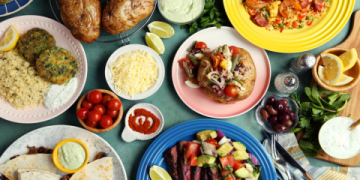
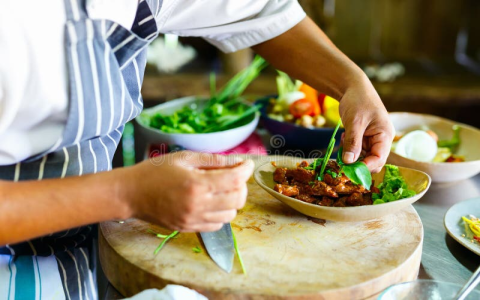
The Art and Impact of Cooking Pics: A Visual Journey Through Culinary Creativity
Introduction
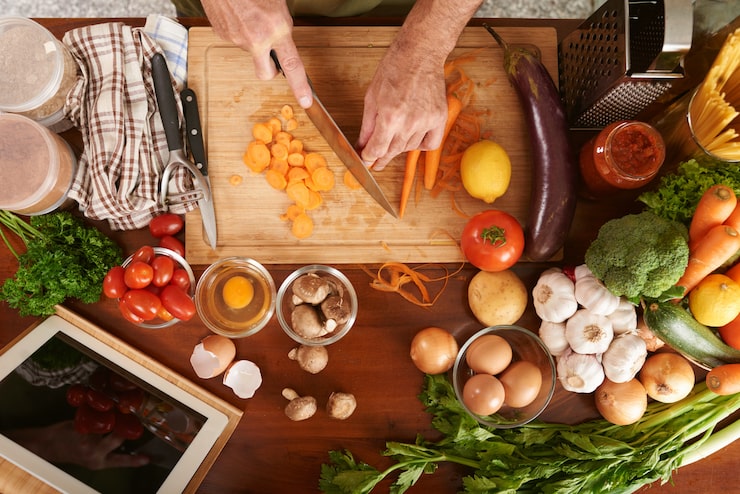
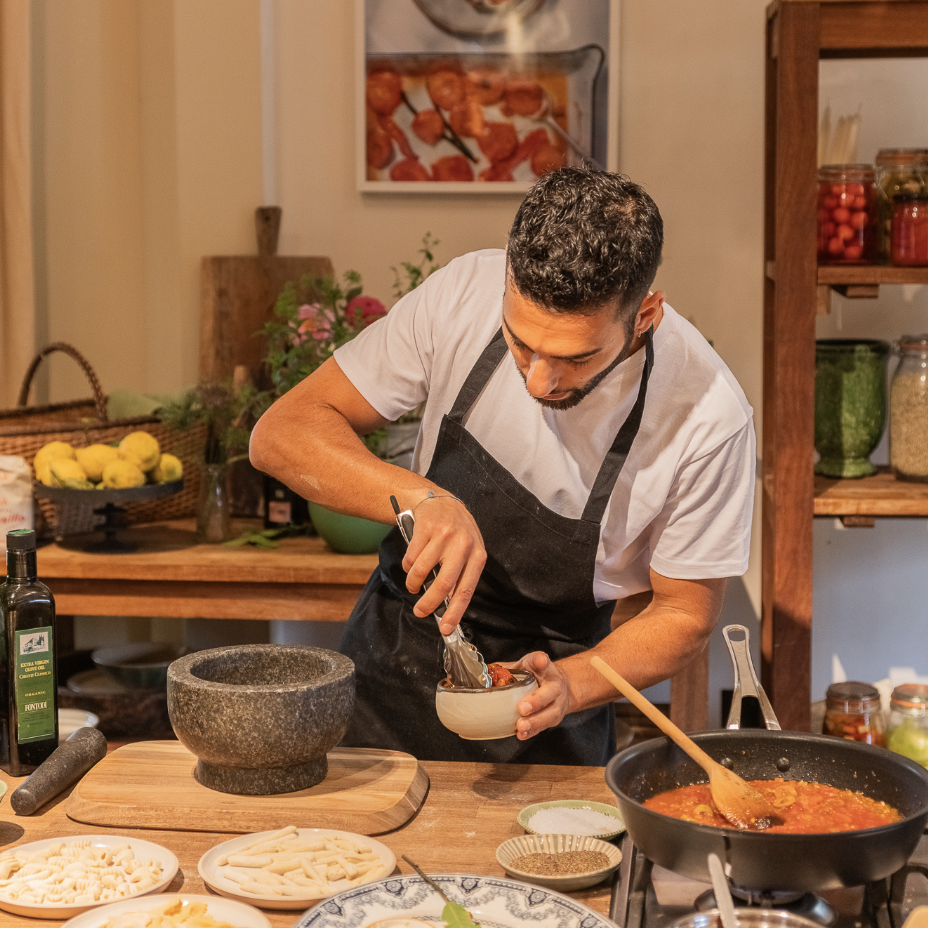
In today’s connected world, cooking has moved beyond the stove to become a shared visual experience. Photos of dishes—often called “cooking pics”—now travel the globe in seconds, turning everyday meals into sources of inspiration. These images let professionals and home cooks alike celebrate creativity, record new ideas, and invite others to the table. This article looks at why such pictures matter, how they shape modern food culture, and what they tell us about the way we eat and think about food.
The Evolution of Cooking Pics
Early Beginnings
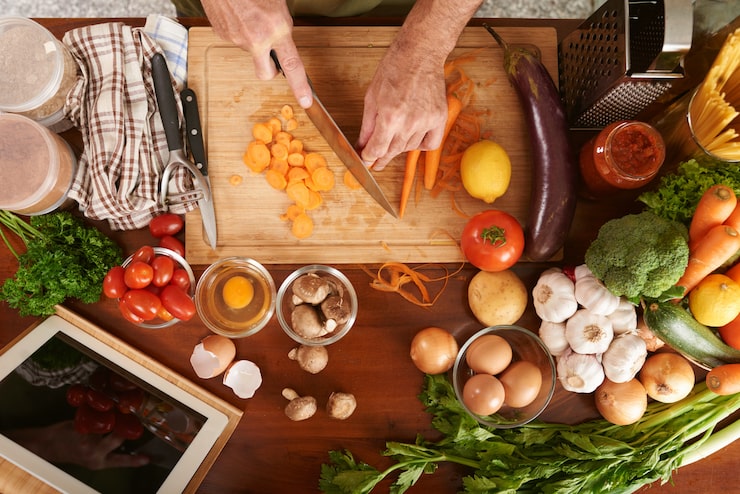
Food photography first appeared shortly after cameras became portable. In the late 1800s, cookbook authors began adding simple black-and-white shots to guide readers through unfamiliar techniques. Though basic, those early prints offered a reliable glimpse of how a finished recipe should look.
The Rise of Food Photography
By the mid-1900s, color film and improved lighting equipment allowed photographers to treat meals like studio subjects. Stylists arranged sauces, garnishes, and tableware under carefully placed lights, and publishers splashed the vibrant results across magazines, adverts, and cookbook covers. These glossy images set fresh benchmarks for how food could be presented and perceived.
The Digital Revolution
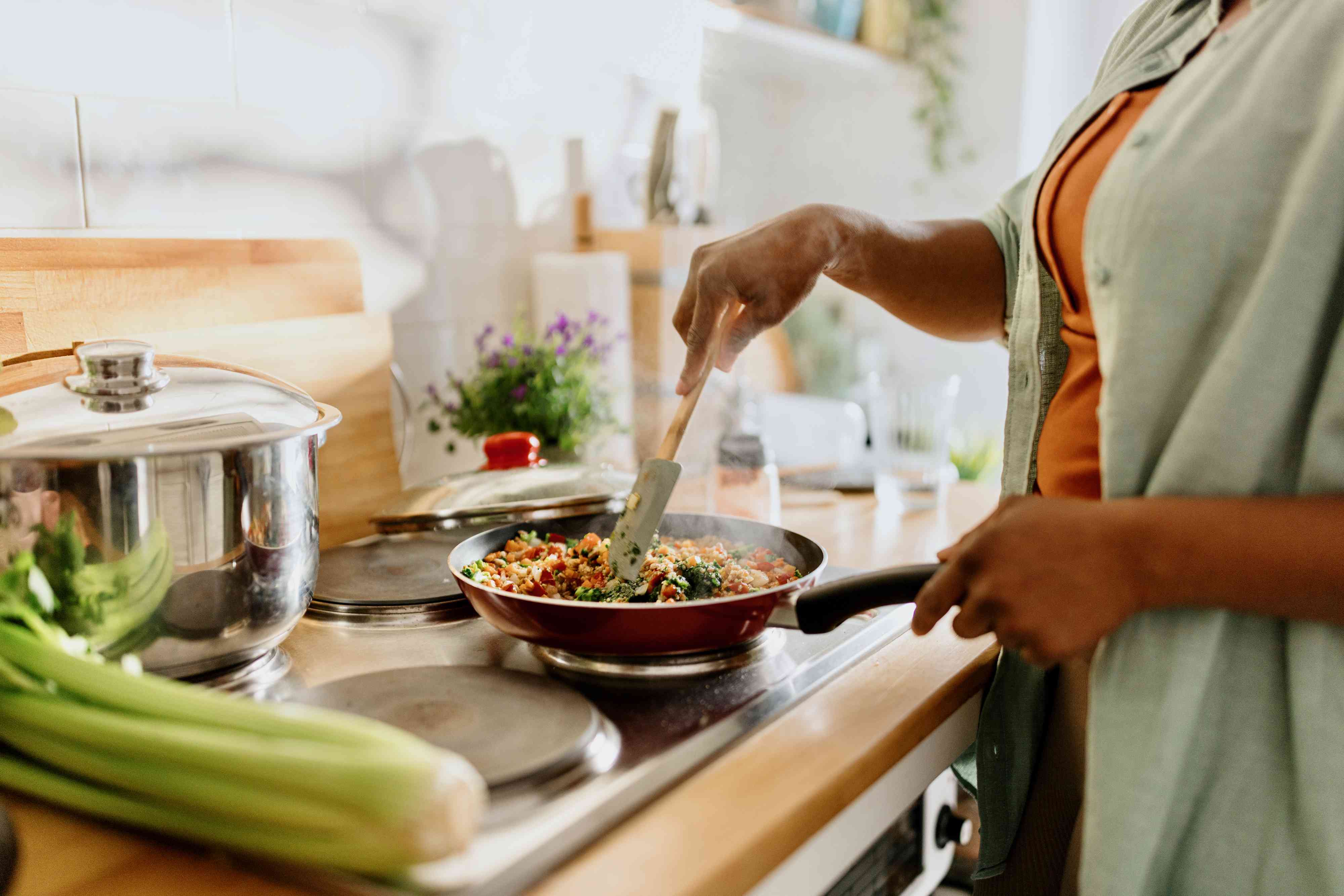
The arrival of smartphones and social networks turned every diner into a potential photographer. With high-resolution cameras in our pockets, capturing a sizzling skillet or an artfully layered cake became effortless. This shift flooded the internet with diverse culinary viewpoints, each snapshot reflecting personal taste and cultural background.
The Significance of Cooking Pics
Inspiring Culinary Creativity
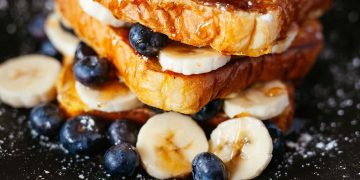
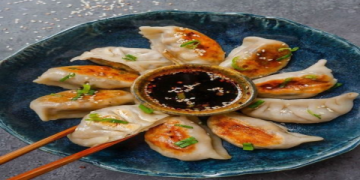
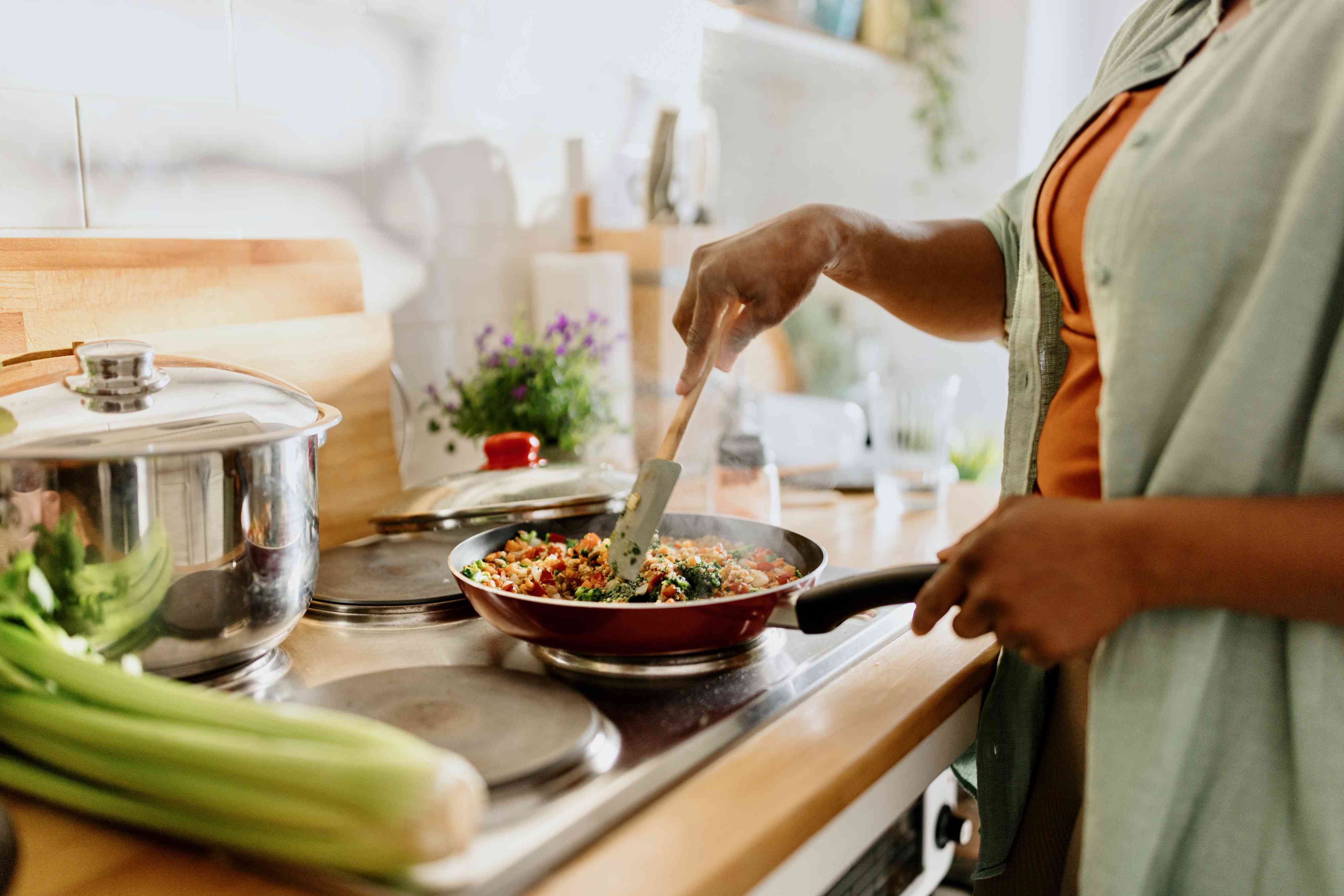
A single well-framed photo can spark countless experiments. By revealing novel plating ideas, color pairings, or ingredient combinations, cooking pics encourage cooks to step outside familiar routines and try something new. Visual cues demystify complex steps and make ambitious dishes feel achievable.
Documenting Culinary Trends
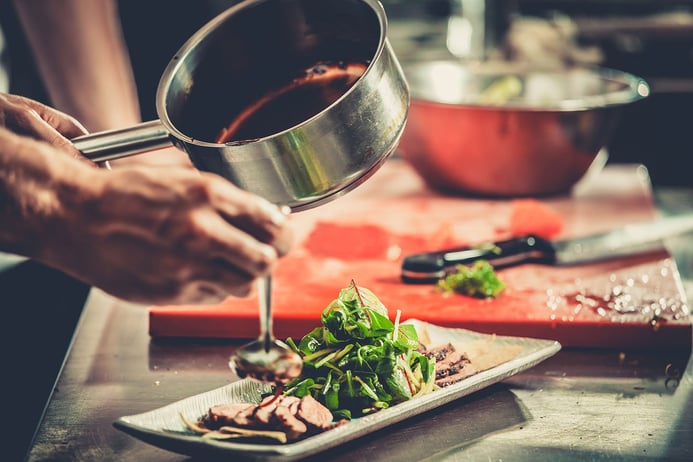
Images freeze a moment in food history. Yesterday’s rainbow bagel or today’s plant-based burger craze survives because thousands of photos preserve their look and context. Future historians can trace shifting palates, regional fads, and the migration of flavors by studying these visual records.
Enhancing Recipe Sharing
Text-only instructions leave room for doubt; a photo answers questions instantly. When a recipe is paired with an inviting picture, home bakers can judge texture, color, and portion size at a glance, boosting confidence and encouraging them to share the dish with friends.
The Impact of Cooking Pics
Influencing Consumer Behavior
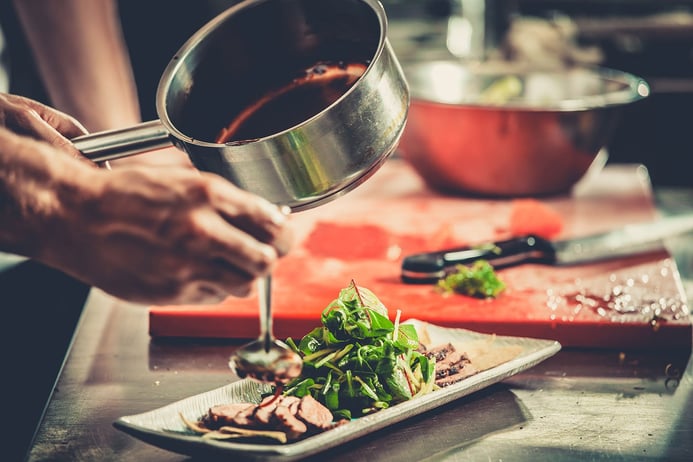
An appetizing image can steer grocery lists and restaurant choices. Seeing a gooey cheese pull or a vivid smoothie bowl triggers cravings and nudges shoppers toward specific ingredients or venues they might otherwise overlook.
Shaping Professional Chefs’ Careers
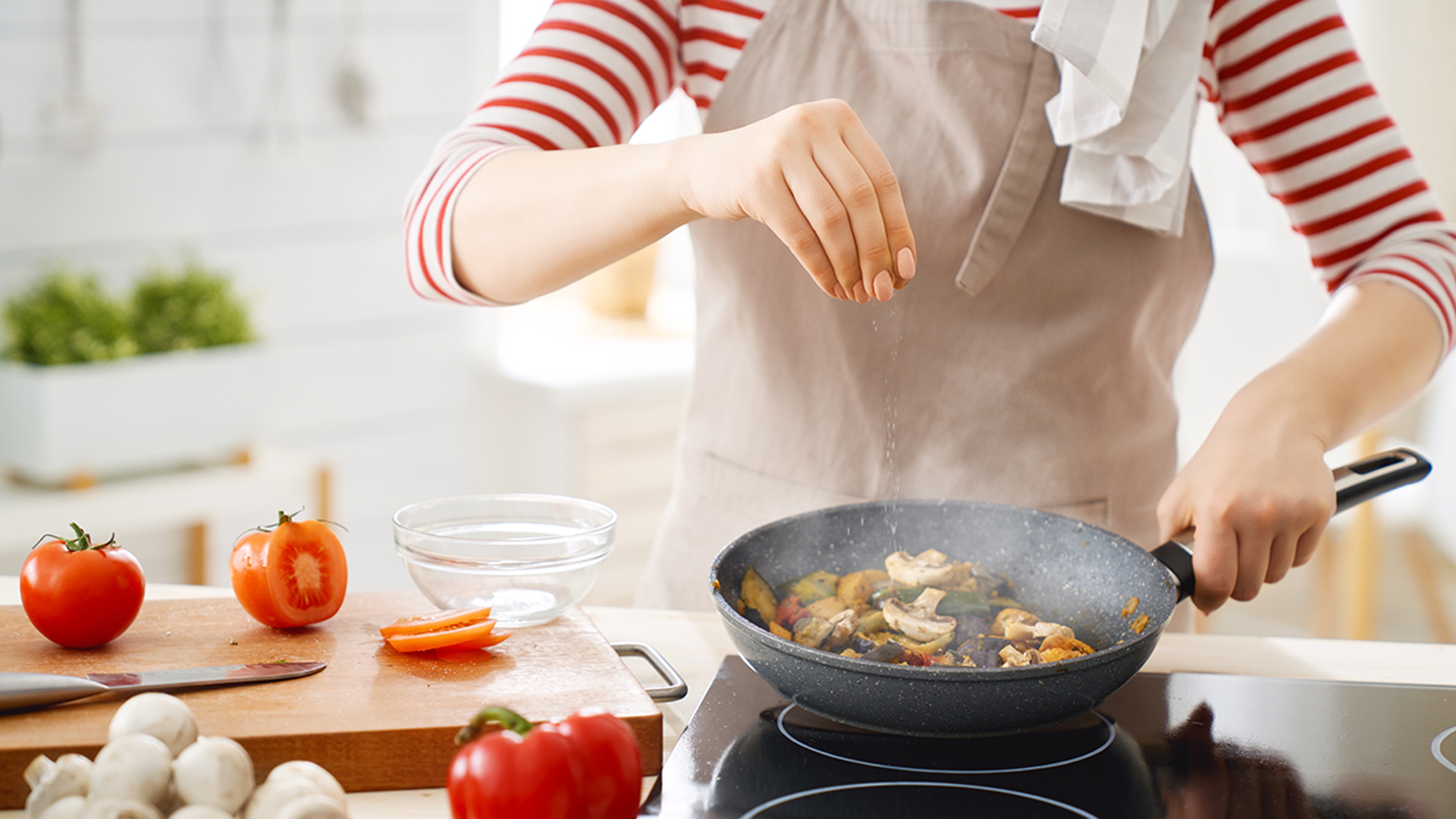
Striking photos act as digital portfolios. A consistent stream of eye-catching shots can attract media coverage, increase reservations, and lead to collaborations far beyond the kitchen. Many modern chefs build recognizable brands by curating feeds that highlight signature dishes and behind-the-scenes stories.
Promoting Culinary Education
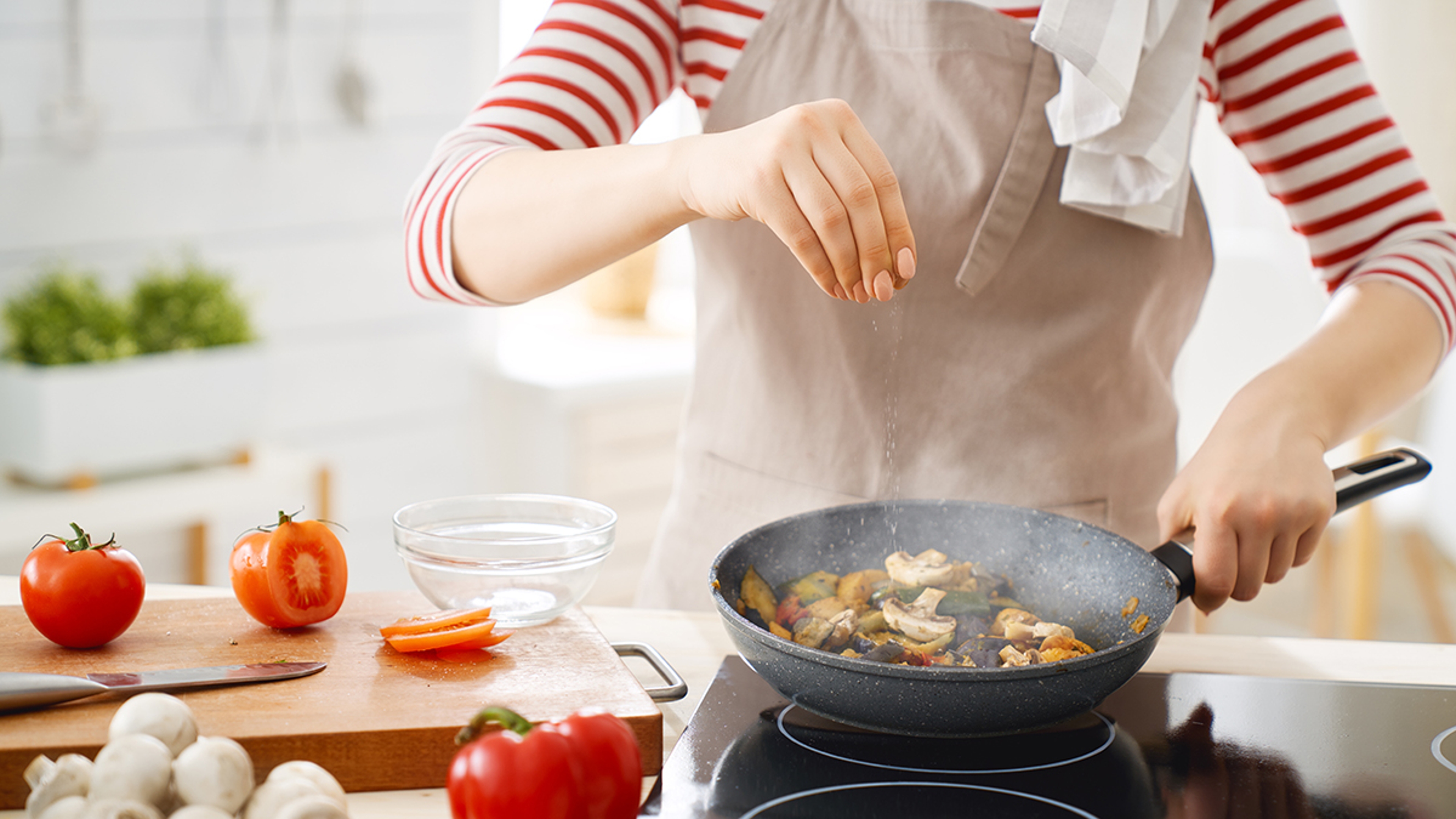
Teachers use curated photos to explain plating theory, balance, and color harmony. Students analyze lighting and angles to understand why some dishes photograph well, translating those lessons into polished presentation skills that elevate their own creations.
The Role of Cooking Pics in Social Media
Instagram and Cooking Pics
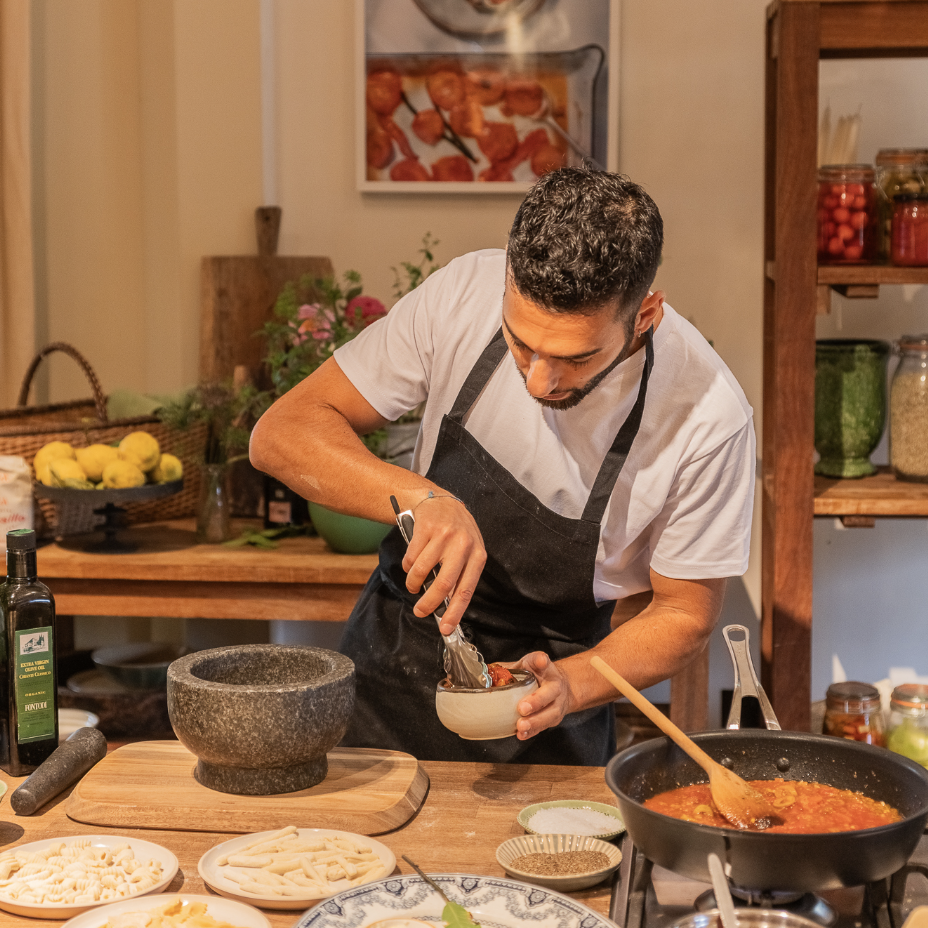
Image-first platforms thrive on food content. Hashtags unite global communities around themes like #MeatlessMonday or #ComfortFood, while short videos and carousel posts break down recipes step by step. The result is an ever-expanding gallery where novices and experts swap tips and encouragement.
Challenges and Ethical Considerations
The quest for perfection can promote unrealistic standards. Over-editing, artificial additives, or staged servings may set impossible expectations and prioritize style over genuine flavor. Transparency about styling tricks and honest captions help maintain trust between creators and audiences.
Conclusion
Cooking pics have woven themselves into the fabric of contemporary cuisine. They inspire experimentation, chronicle changing tastes, and bridge cultural gaps through a universal love of good food. As technology and platforms evolve, these images will continue to shape how we discover, share, and enjoy meals around the world.
Recommendations and Future Research
Encouraging ethical practices—such as disclosing edits and celebrating imperfect but delicious results—can keep the movement positive. Scholars might explore how constant exposure to curated food images affects appetite and cooking confidence, or investigate ways these visuals can amplify under-represented cuisines and foster greater inclusivity at the global table.
In the end, a cooking pic is more than a simple snapshot; it is an open invitation to savor creativity, learn something new, and connect with others one plate at a time.