





















The Art and Science of Food Searching: Navigating the Modern Culinary Landscape
Introduction

In the digital age, the way we look for food has changed beyond recognition. From leafing through printed cookbooks to tapping on glowing screens for instant recipes and doorstep meals, the journey from craving to plate has become faster yet more layered. This article explores how we now hunt for ideas, ingredients, and inspiration, and what that shift means for home cooks, restaurants, and the culture of eating itself.
The Evolution of Food Searching
From Physical to Digital

Not long ago, inspiration arrived in the form of dog-eared cookbooks, weekend cooking shows, or word-of-mouth tips. The arrival of recipe sites and video tutorials moved that curiosity online, turning the kitchen into a place where a search bar is as common as a wooden spoon. The switch from paper to pixel opened the door to endless variations, substitutions, and global voices.
The Rise of Social Media
Photo-driven networks have become modern-day cookbooks that update every second. A quick scroll can reveal a street-side snack from a distant city or a five-minute lunch trick filmed in someone’s apartment. Because anyone can post, authority is no longer limited to professional chefs; creativity and good lighting are often enough to win an audience.

The Impact of Food Searching on Culinary Trends
Fad Diets and Health Consciousness
Typed questions about “lighter meals” or “plant-focused plates” now shape supermarket shelves and café menus overnight. As searches spike for gluten-free, dairy-free, or lower-sugar ideas, brands respond with new products, and restaurants rewrite menus to stay relevant. The result is a cycle where curiosity drives supply, and supply fuels even more curiosity.

Globalization of Cuisine
A home kitchen can bounce from Vietnamese pho to Mexican salsa in a single evening, guided by step-by-step videos and ingredient substitutions suggested by commenters halfway around the world. This steady swapping of flavors encourages playful fusion and, at its best, respectful appreciation of traditions that might otherwise remain unknown.
Consumer Behavior in Food Searching
The Role of Reviews and Ratings
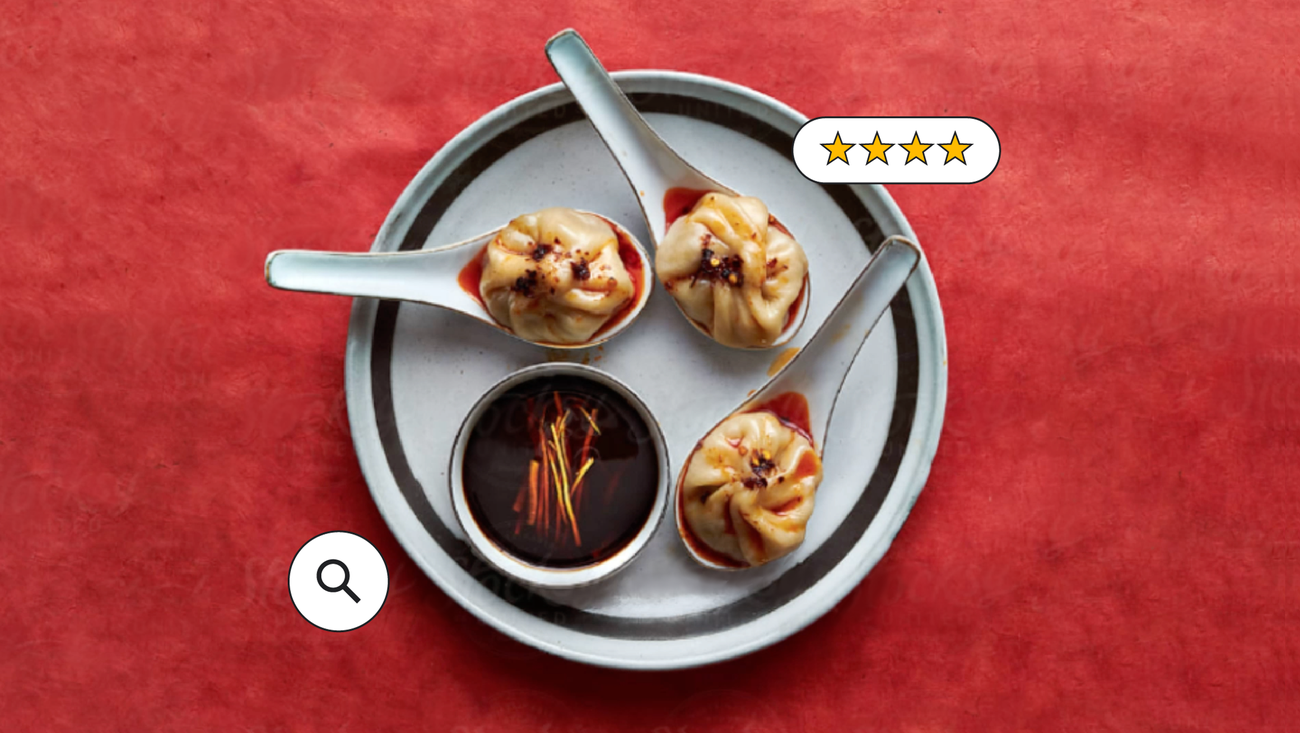
Before trying a new café, many diners glance at collective scores and recent comments. A stream of positive notes can create a weekend queue, while repeated criticism can empty tables. The immediacy of shared opinion has made reputations more fluid and has pushed businesses to respond faster to feedback.
The Influence of Influencers
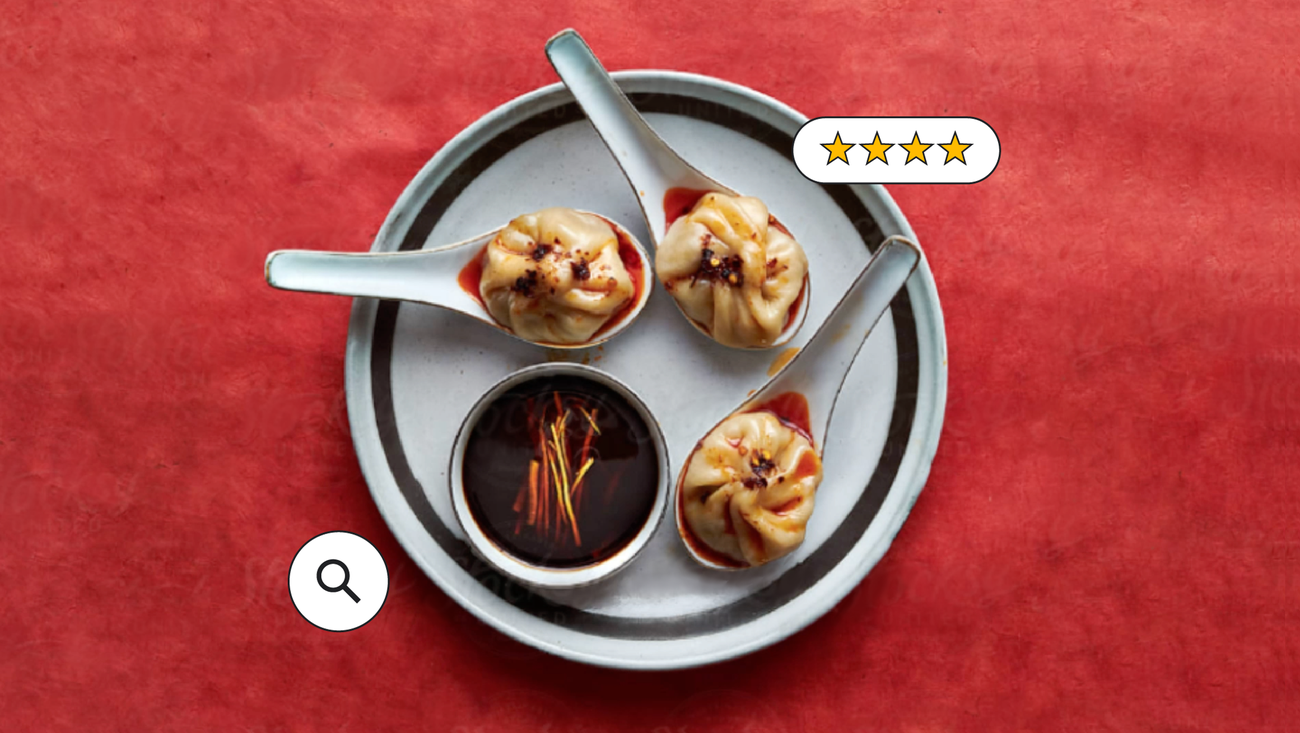
Popular accounts can turn an obscure fruit or gadget into a must-have item overnight. While the reach is powerful, audiences have also become more skilled at spotting genuine enthusiasm versus paid promotion, encouraging creators to balance sponsorship with transparency.
The Future of Food Searching
The Integration of AI and Machine Learning

Smart systems already suggest dinner ideas based on what is in the fridge, past likes, or even local weather. As these tools learn personal rhythms, they could cut food waste, streamline shopping lists, and introduce cooks to flavors they never thought to try.
The Rise of Virtual and Augmented Reality
Headsets or phone screens may soon let people inspect a 360-degree view of a restaurant’s signature dish, or watch a holographic chef fold dumplings at life size in their own kitchen. Such previews could reduce guesswork and add confidence before the first bite or the first chop.
Conclusion
The act of looking for food has become as rich and varied as eating itself. Digital tools expand choice, social platforms amplify trends, and emerging technologies promise even more personalized guidance. Yet the heart of the experience remains the same: the desire to nourish, to share, and to enjoy. Balancing innovation with authenticity will ensure that, no matter how advanced the search, the final reward is still a meal that feels genuinely satisfying.