



















The Art and Science of Preparing a Meal: A Complete Guide
Introduction
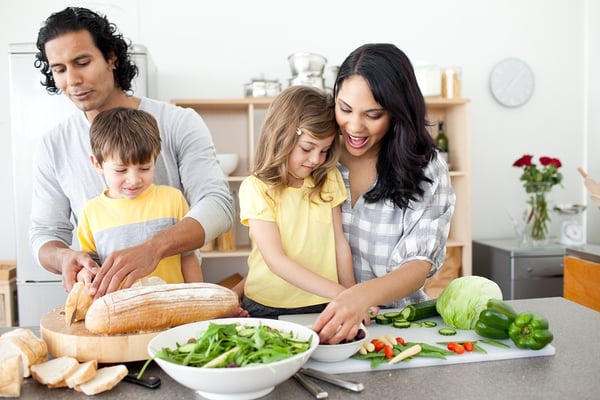
Preparing a meal is more than a routine task; it blends creativity, science, and practical skill. From choosing ingredients to refining techniques, the process can delight both cook and diner. This guide explores the journey of making a meal, from fundamentals to refined methods, and highlights why this craft matters.
The Basics of Meal Preparation
Choosing Ingredients
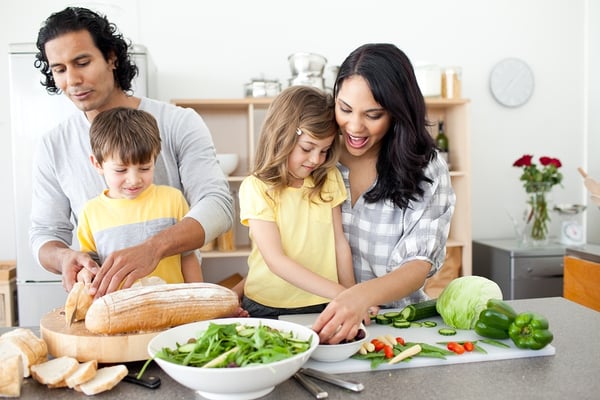
Great dishes begin with thoughtful ingredient choices. Fresh, seasonal produce offers peak flavor and nutrition. Look for bright colors, firm textures, and pleasant aromas. Proper storage—cool, dry spaces for most items—helps preserve quality until cooking begins.
Preparing Ingredients
Once ingredients are selected, preparation starts. Washing, peeling, and cutting create uniform pieces that cook evenly. Brief marinating can deepen flavor, while gentle pat-drying helps achieve a better sear or roast. Organized prep sets the stage for smooth cooking.

Cooking Methods
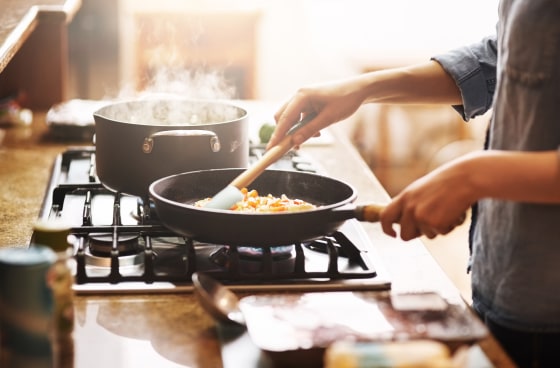
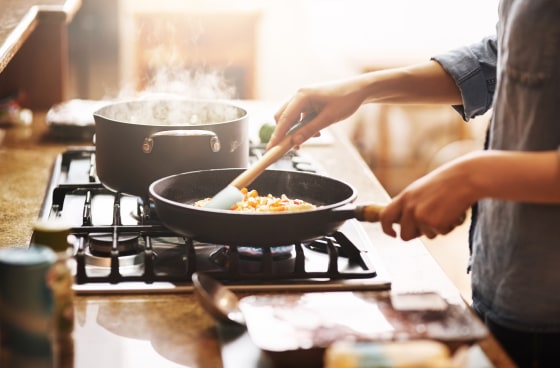
Heat transforms raw components into comforting meals. Boiling softens, baking roasts, grilling chars, sautéing quick-sears, and steaming preserves delicate textures. Matching the method to the ingredient ensures the best outcome: quick sauté for tender greens, steady bake for hearty root vegetables.
The Science Behind Cooking

Heat Transfer
Cooking is controlled heat movement. Conduction warms food through direct contact with a hot pan. Convection circulates hot air inside an oven. Radiation, like microwave energy, penetrates food to warm it from within. Understanding these principles helps control texture and doneness.
Chemical Changes
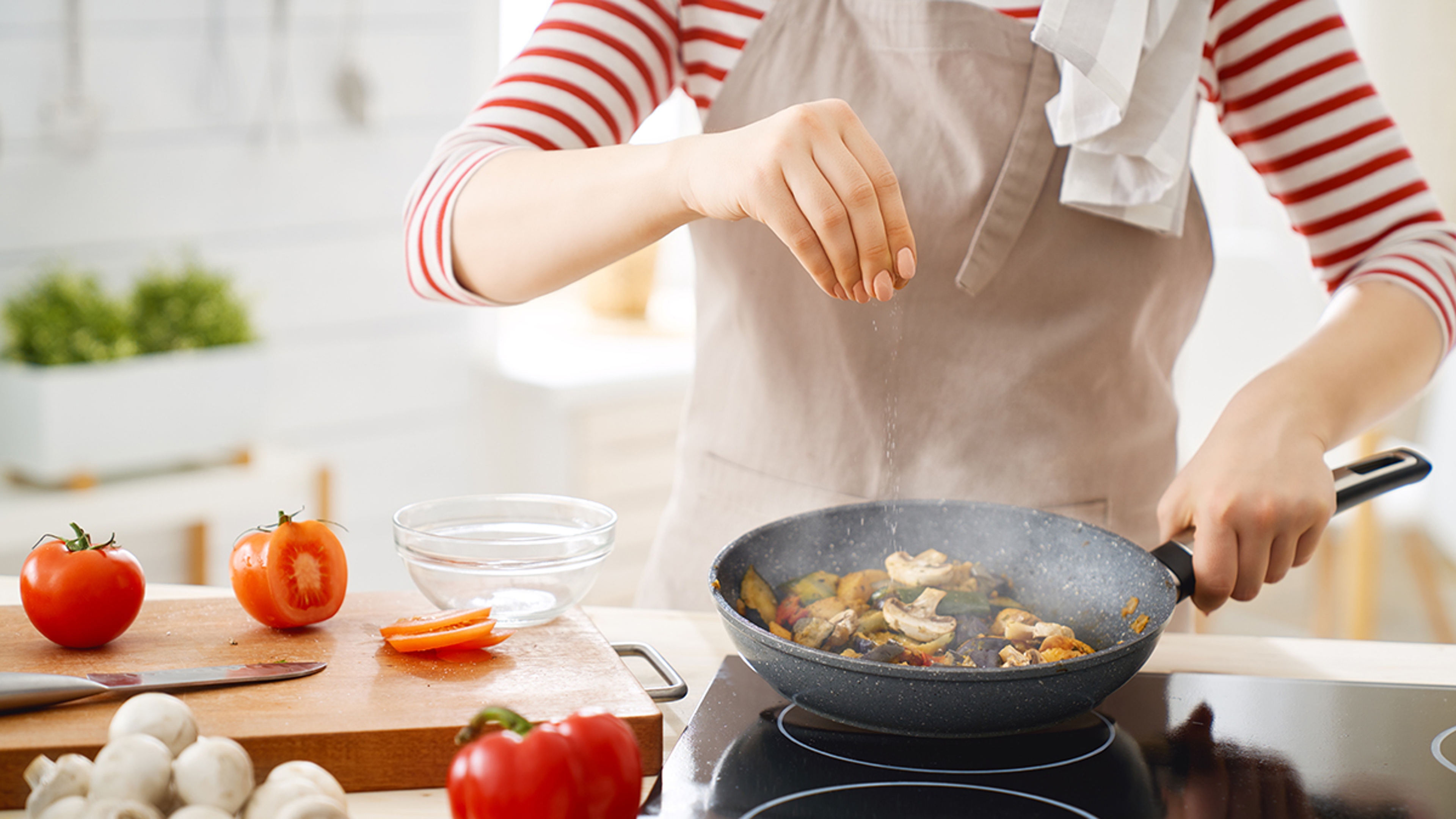
Heat triggers reactions that develop flavor, color, and aroma. The Maillard reaction, for example, browns meats and baked goods, creating rich, savory notes. Caramelization turns sugars golden and sweet. These changes turn simple ingredients into complex, appealing dishes.
Why Home Cooking Matters
Nutrition
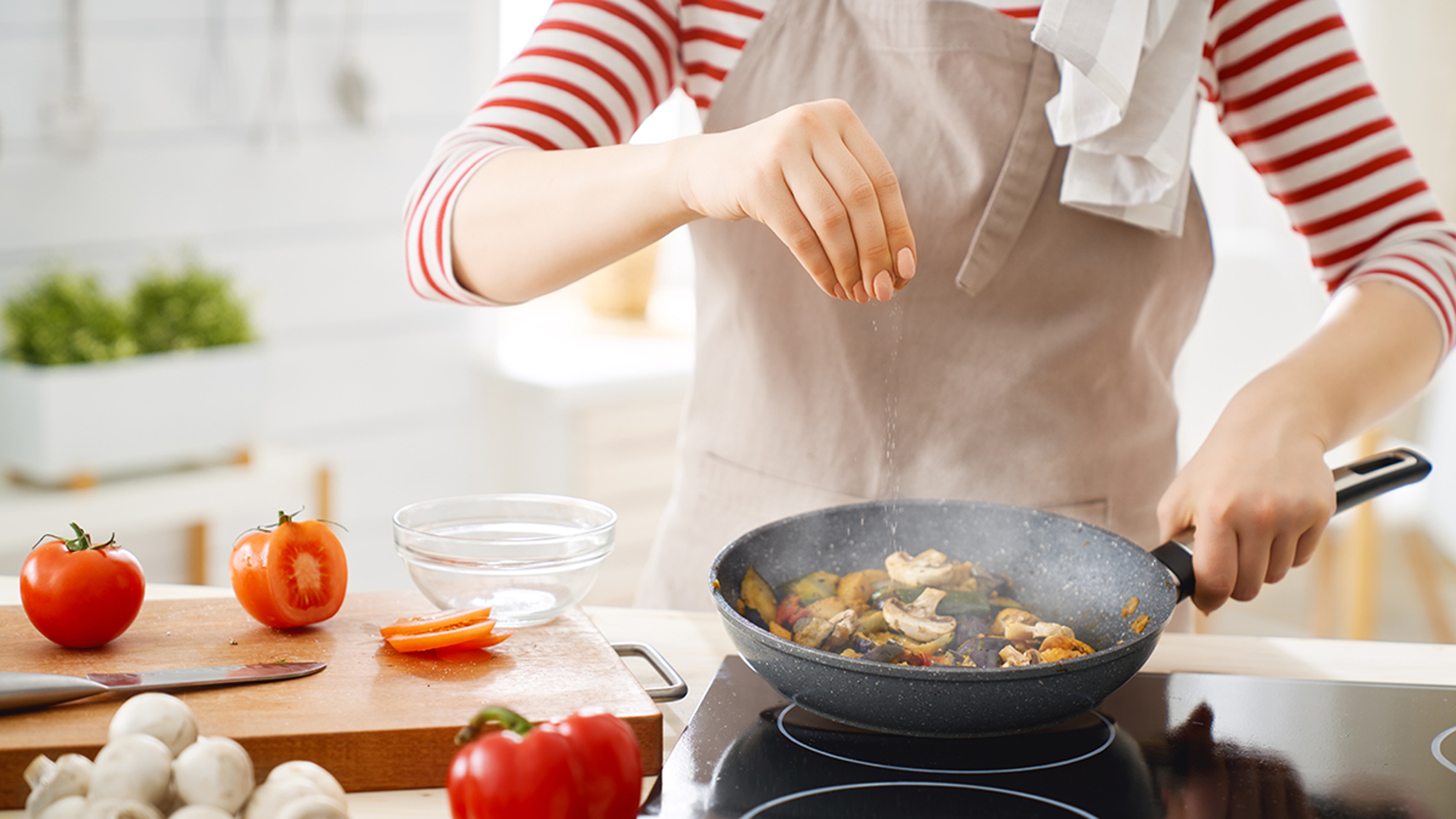
Preparing meals at home allows control over salt, fat, and portion size. Incorporating a variety of vegetables, whole grains, and lean proteins supports balanced eating. Home cooks can adjust recipes to meet dietary needs and preferences without relying on processed alternatives.
Emotional Well-being
Time in the kitchen offers a mindful break from daily stress. Stirring, chopping, and seasoning engage the senses and foster creativity. Sharing the results with family or friends strengthens social bonds and creates moments of warmth and connection.
Refined Techniques
Plating and Presentation
Visual appeal enhances enjoyment. A simple wipe of the plate rim, a sprinkle of fresh herbs, or a contrast of colors can elevate everyday dishes. Balancing height, texture, and empty space turns a plate into a small canvas.
Seasoning and Flavor Balance
Salt brightens sweetness, acid cuts richness, and herbs add aroma. Tasting throughout cooking allows gradual adjustment. Building layers of flavor—starting with aromatics like onion and garlic, finishing with a touch of citrus or fresh herbs—creates depth without complexity.
Conclusion
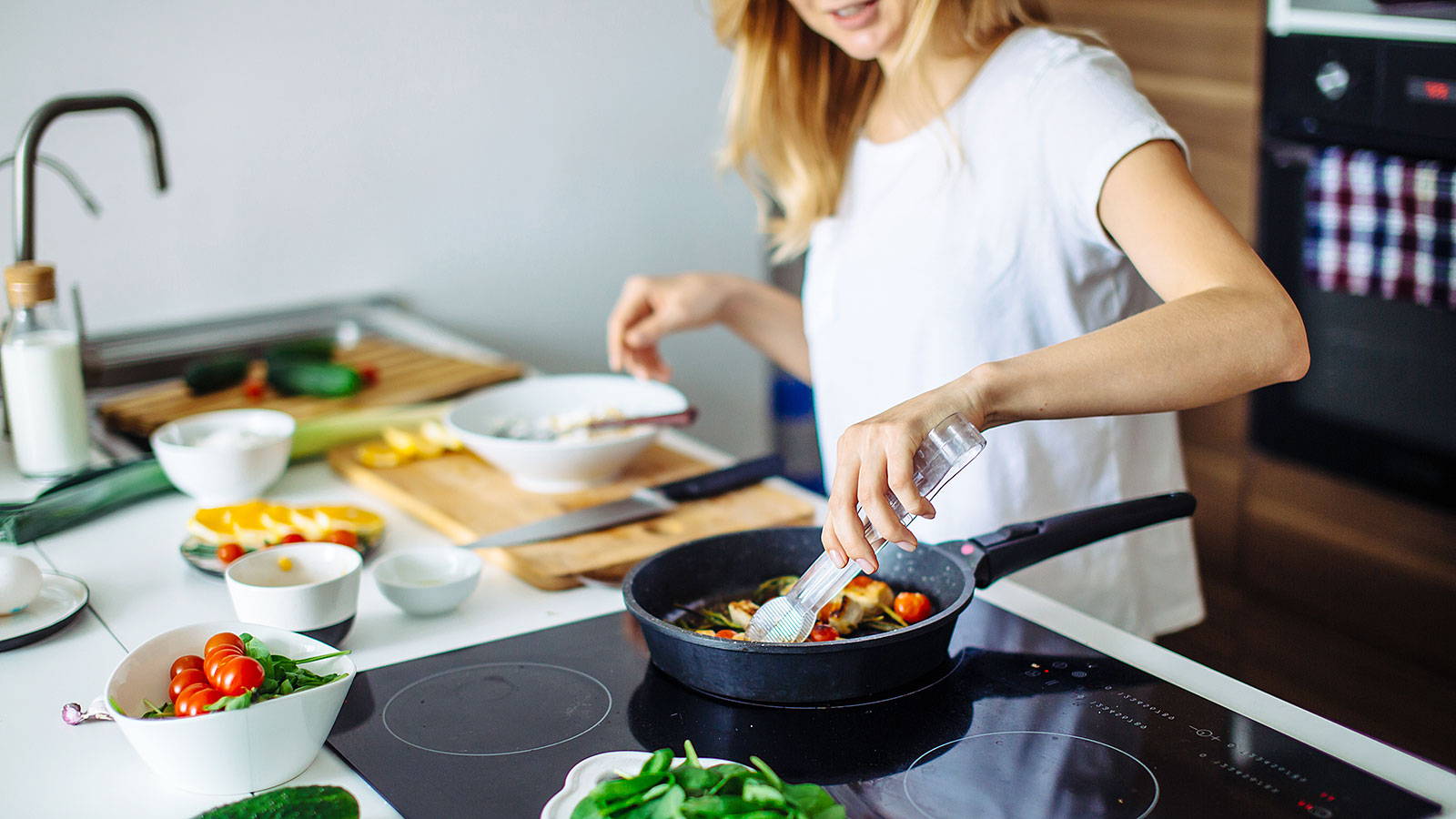
Cooking blends practical knowledge with personal expression. From selecting vibrant produce to arranging the final plate, each step offers room for discovery. Embracing both science and creativity makes the kitchen a place of lifelong learning and daily nourishment.
Suggestions and Next Steps
Continue exploring new ingredients and methods. Try a unfamiliar spice, experiment with plant-based alternatives, or learn a technique like fermentation. Small, steady experiments keep the process fresh and rewarding, ensuring every meal remains an opportunity to grow.
Ultimately, preparing food is an act of care—for yourself and for others. Whether tonight’s dinner is a quick stir-fry or a slow-cooked stew, the attention you give transforms simple elements into shared comfort and lasting memories.