



















The Impact of Viral Food Videos on Contemporary Culinary Culture
Introduction
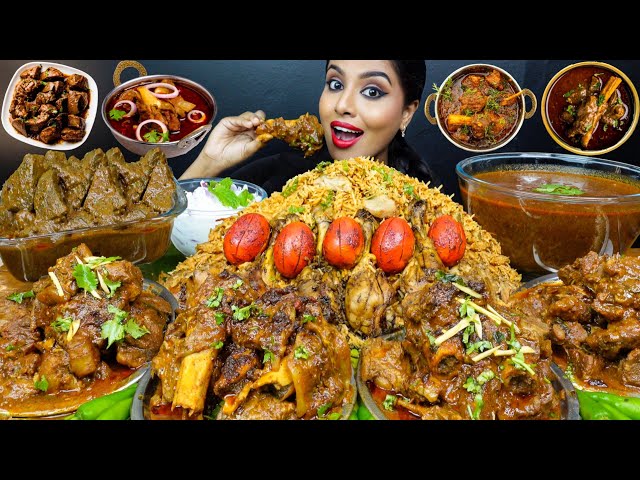
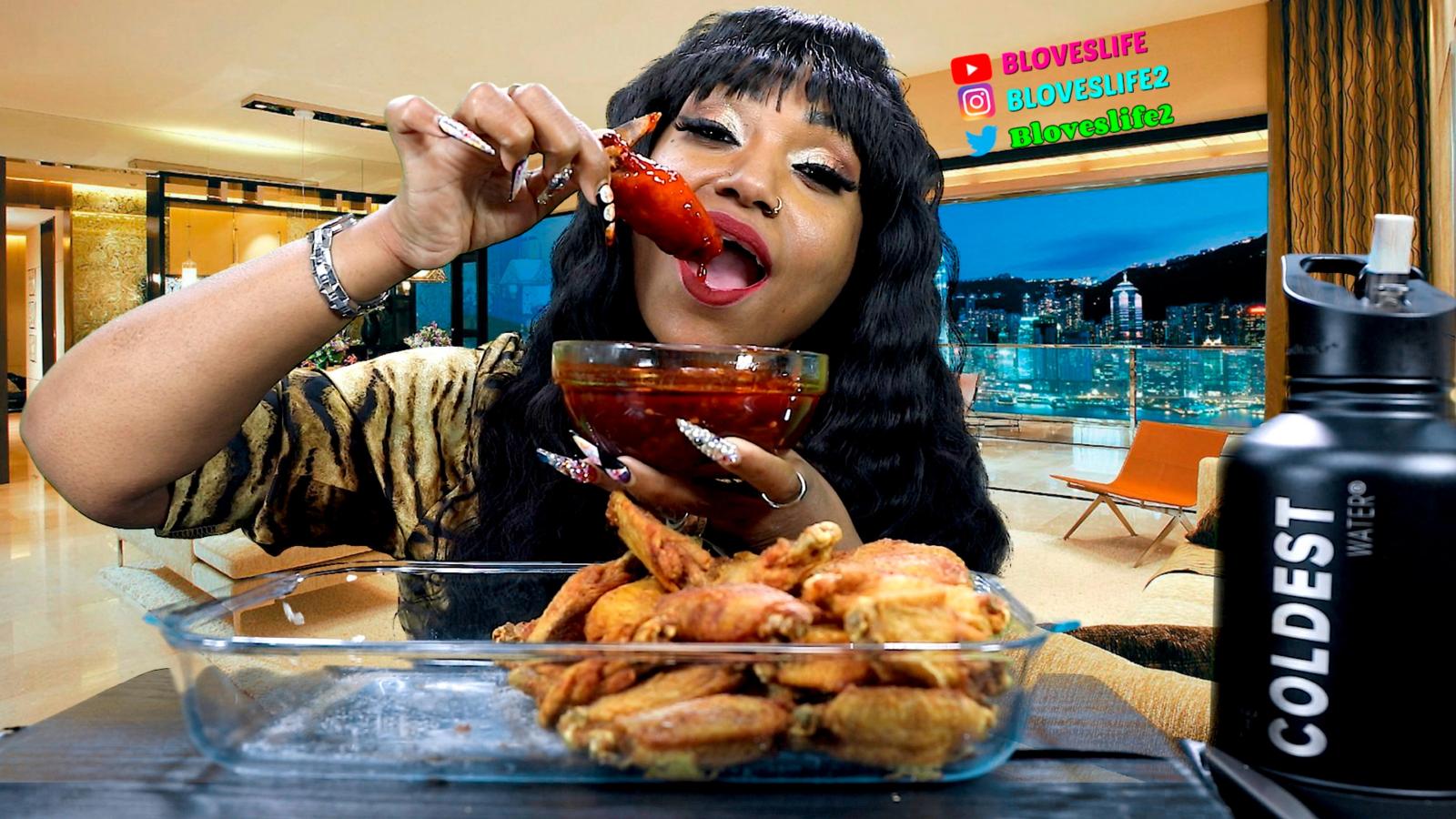
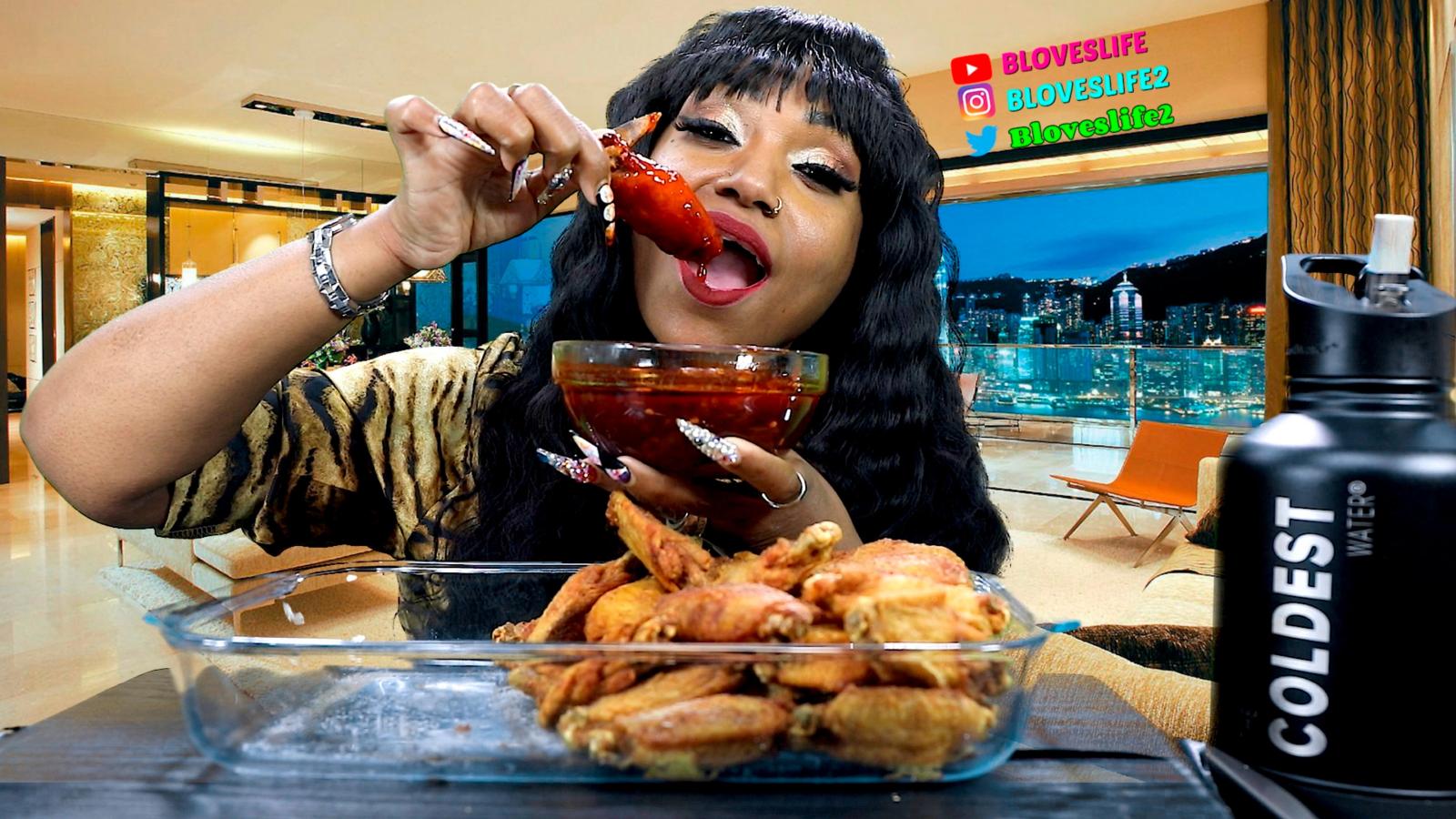
In today’s connected world, the way we discover and enjoy food has shifted dramatically. Short, engaging food clips now serve as a main source of kitchen inspiration, offering viewers quick tours of global dishes, plating ideas, and everyday cooking tips. This article examines how these widely shared videos shape modern culinary culture, from emerging taste trends to home-cooking confidence.
The Rise of Food-Focused Video Content
Streaming platforms and social apps have turned cameras into everyday utensils. Clips that last anywhere from a few seconds to several minutes invite audiences to watch meals come together, see chefs taste-test new recipes, or simply relax to the sounds of sizzling pans. The format suits busy schedules, making culinary exploration as easy as unlocking a phone.
The Role of Online Creators
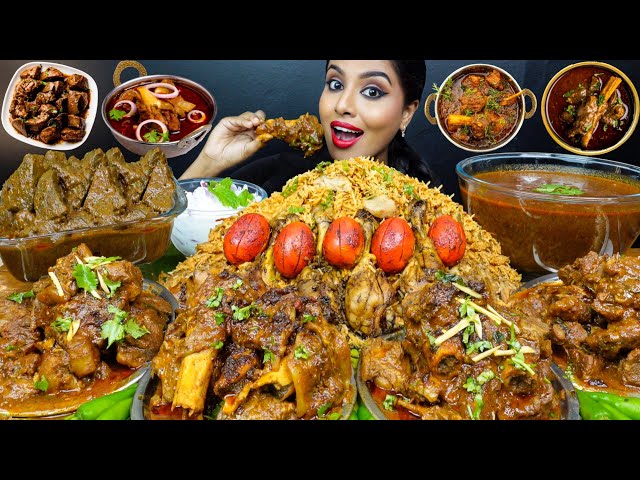
Digital cooks, home bakers, and travel enthusiasts attract large audiences by sharing personal stories, practical hacks, and sensory close-ups of food. Their recommendations often ripple across comment sections and supermarket aisles alike, encouraging viewers to try unfamiliar ingredients or recreate dishes at home.
Influence on Culinary Trends
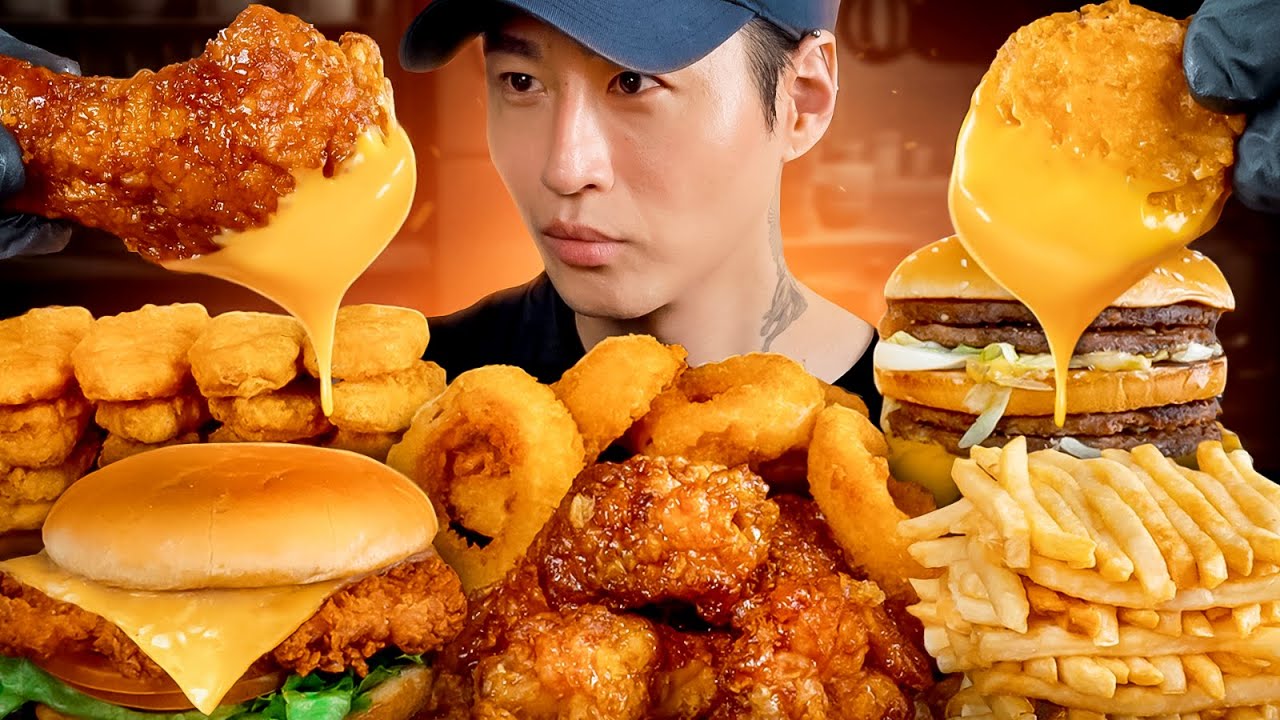
Viral food videos accelerate trend cycles, turning once-obscure recipes into weeknight staples. Key areas of impact include:
Gourmet Cuisine
High-end plating and chef techniques are now demonstrated in bite-sized tutorials, demystifying restaurant-style presentation and inspiring special-occasion cooking in home kitchens.
Local Cuisine
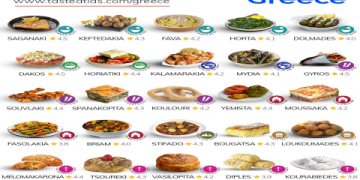
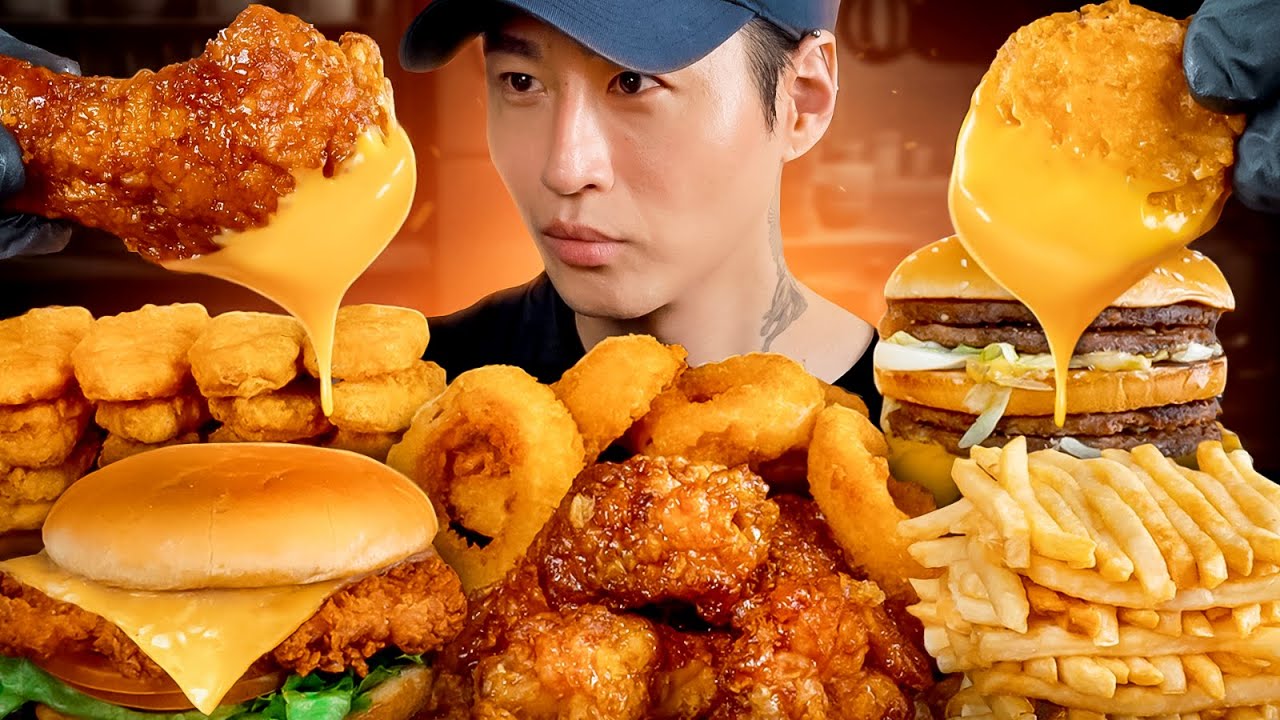
Street-side specialties and regional comfort foods gain worldwide attention when creators spotlight them, sparking curiosity about cultural heritage and encouraging respectful culinary tourism.
Plant-Based Diets
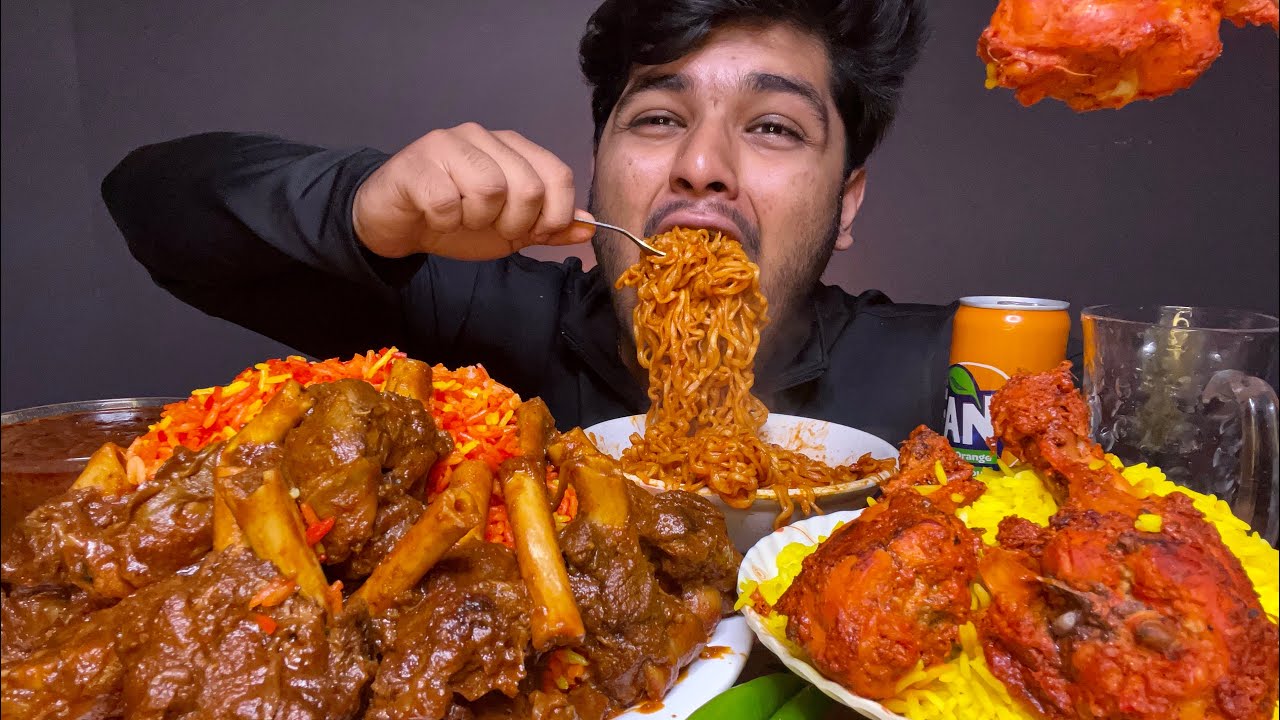
Colorful bowls, creative tofu marinades, and dairy-free desserts circulate widely, making meat-free meals look both approachable and satisfying for diverse audiences.
Influence on Cooking Techniques
Step-by-step visuals empower novices and seasoned cooks alike. Two notable effects are:
Accessibility of Cooking Techniques
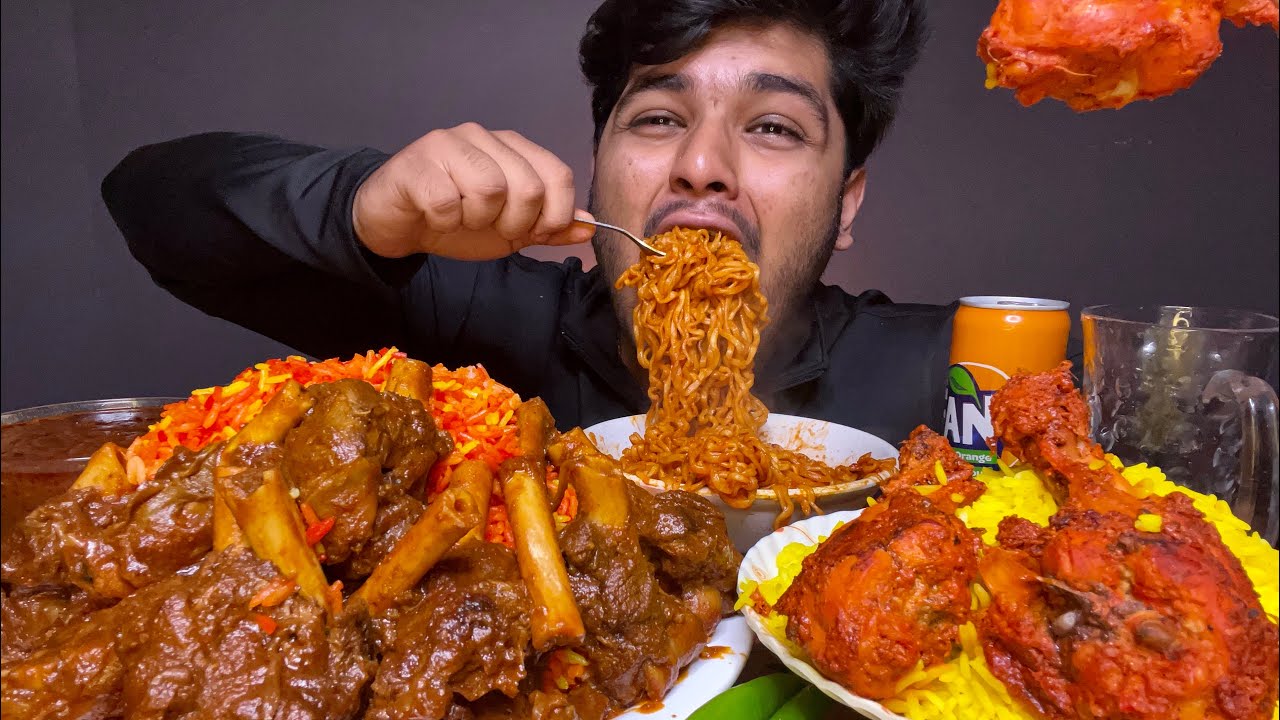
Pause-and-rewind demonstrations lower the barrier to tricky skills such as folding dumplings or tempering chocolate, building confidence one frame at a time.
Innovation in Cooking
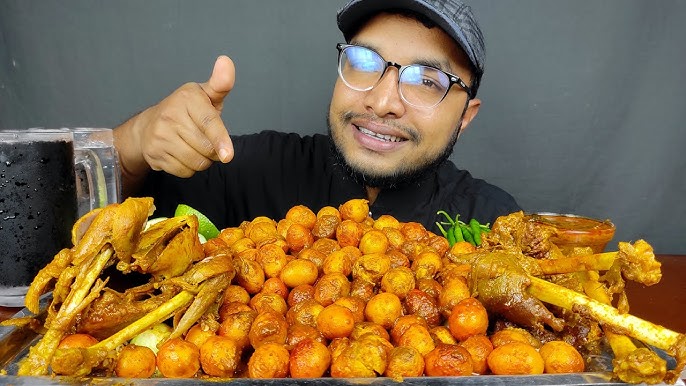
Quick-cut edits encourage experimentation, inspiring viewers to swap ingredients, fuse cuisines, and share their own twists, which in turn feeds the next wave of content.
Influence on Consumer Behavior
Beyond the screen, these clips affect shopping lists, meal plans, and dining choices:
Influenced Purchasing Decisions
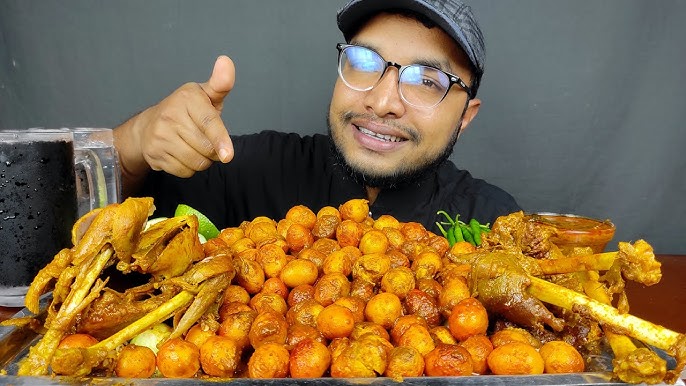
A single viral clip can clear shelves of specialty noodles or spice blends, illustrating the persuasive power of an enthusiastic on-camera taste test.
Increased Interest in Health and Wellness

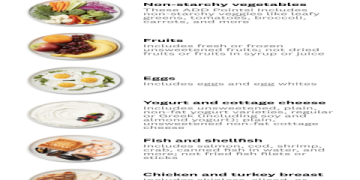
Balanced bowls, hydration hacks, and mindful portion ideas circulate alongside indulgent treats, nudging viewers toward more varied and nutrient-dense routines.
Dining Out Experiences
Footage of sizzling skillets or molten desserts often propels audiences into restaurants, eager to experience aromas and textures first-hand, supporting local eateries and food markets.

Conclusion
Viral food videos have become a dynamic ingredient in contemporary culinary culture, blending entertainment with education and encouraging a more curious, creative approach to what we cook and consume. As viewership grows, the food ecosystem—from growers to chefs to home cooks—continues to adapt to this visually driven appetite for inspiration.
Recommendations and Future Research
To deepen understanding of this phenomenon, several avenues merit exploration:
1. Track how short-form food content influences long-term dietary patterns across different age groups.
2. Examine the relationship between creator credibility and audience trust in food safety messaging.
3. Assess the potential of popular videos to advance sustainable kitchen practices, such as reducing food waste.
4. Study viewer well-being, looking at both the motivational and the anxiety-related effects of endless food streams.
Further investigation in these areas can help harness the positive potential of food videos while addressing any unintended consequences on health, culture, and the environment.