
















Best Food to Make at Home: A Comprehensive Guide
Introduction

Home cooking has gained fresh momentum as people look for healthier habits, tighter budgets, and the simple pleasure of creating meals with their own hands. Faced with endless online recipes and cookbooks, many still wonder which dishes are truly worth the effort. This guide highlights meals that balance nutrition, simplicity, and value so you can decide what works best in your own kitchen.
Health Benefits of Cooking at Home
Preparing meals yourself lets you choose every ingredient and cooking method, cutting back on excess salt, sugar, and processed additives. Studies consistently show that people who cook at home tend to take in more fiber, more fresh produce, and fewer empty calories than those who rely on take-out. By building plates around vegetables, whole grains, and lean proteins, you set the foundation for long-term wellness.

Easy-to-Make Meals
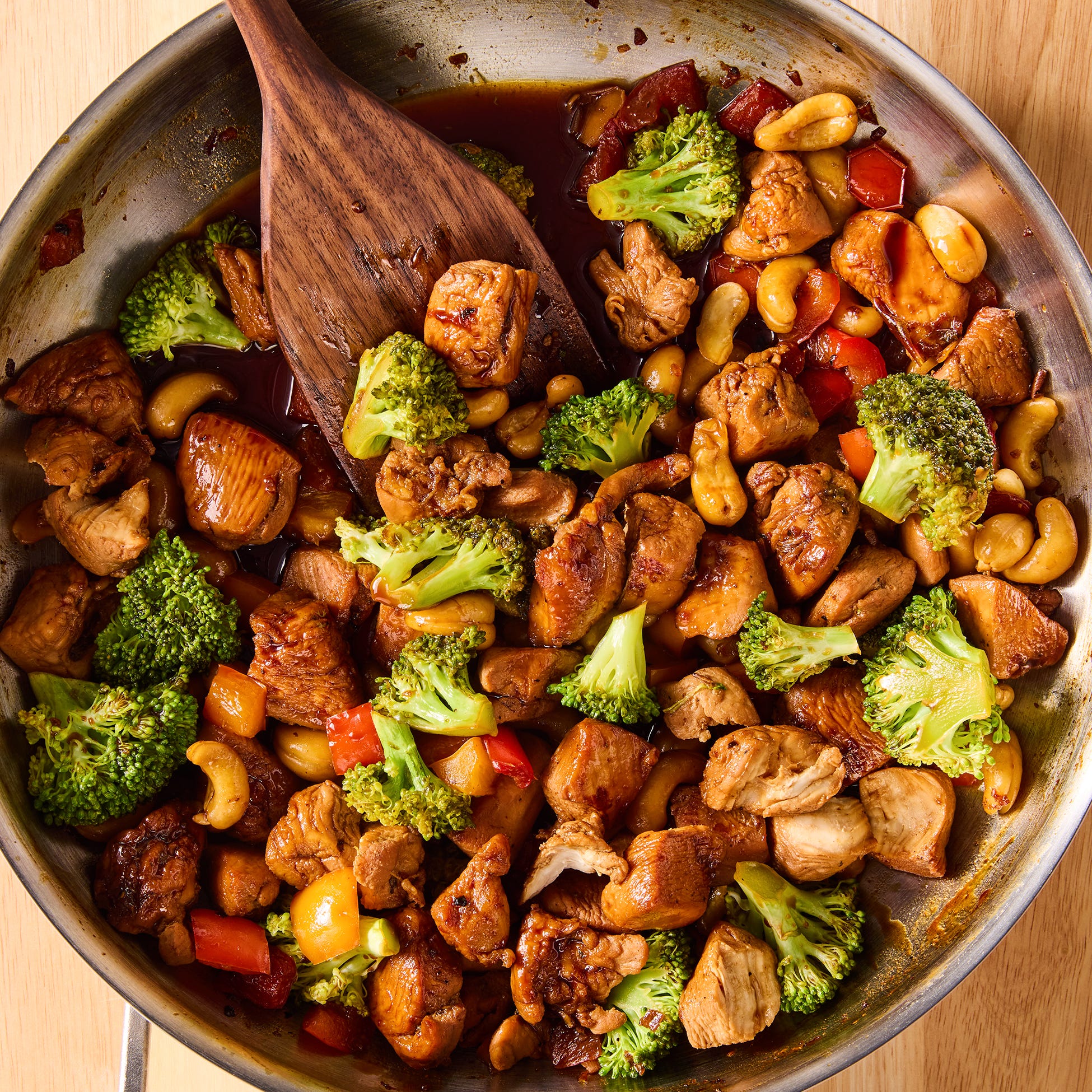
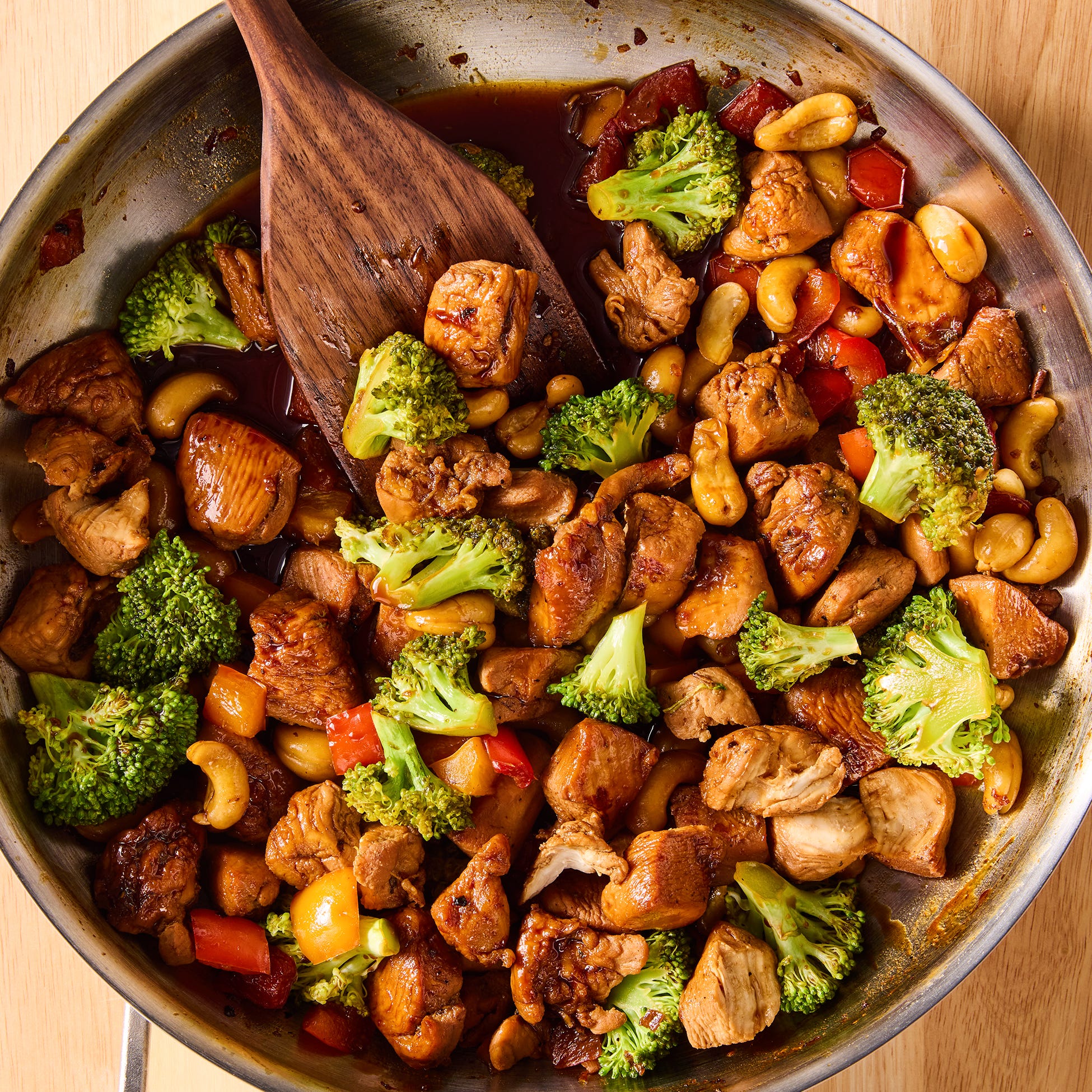
Time is often the biggest barrier to cooking, yet plenty of flavorful dishes come together quickly. A vegetable-packed stir-fry, for example, can hit the table in under half an hour using everyday staples such as mixed greens, garlic, and a splash of soy sauce. Choosing recipes with short ingredient lists and one-pan methods keeps weeknight cooking stress-free.
Cost-Effectiveness

Regularly dining out quietly drains the monthly budget, while groceries stretch much further. A simple homemade pizza—built on store-bought dough, tomato sauce, and seasonal toppings—costs a fraction of delivery and leaves leftovers for lunch. Planning meals ahead, buying staples in larger bags, and repurposing extras into soups or salads keeps both spending and food waste low.
Best Food to Make at Home: Top Picks
With health, speed, and savings in mind, here are versatile dishes that shine in almost any household:

1. Whole Grains
Whole grains deliver steady energy, fiber, and minerals. Batch-cook a pot of brown rice, quinoa, or farro at the start of the week, then turn it into varied meals:
–
Morning grain bowls with fruit and nuts
–
Chilled quinoa salad with herbs and lemon
–
Hearty barley soup with mushrooms
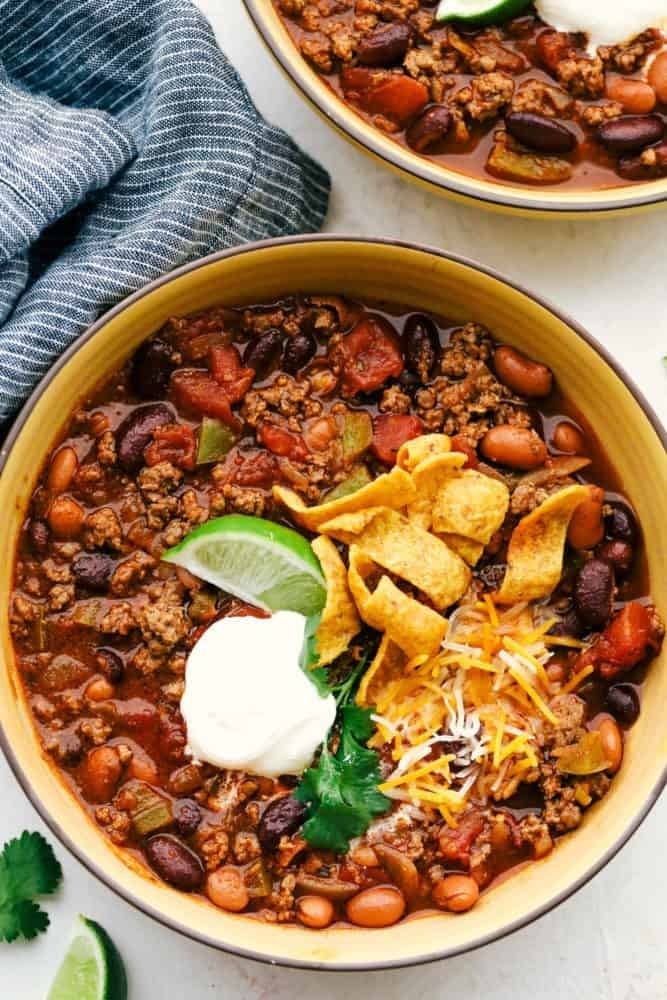
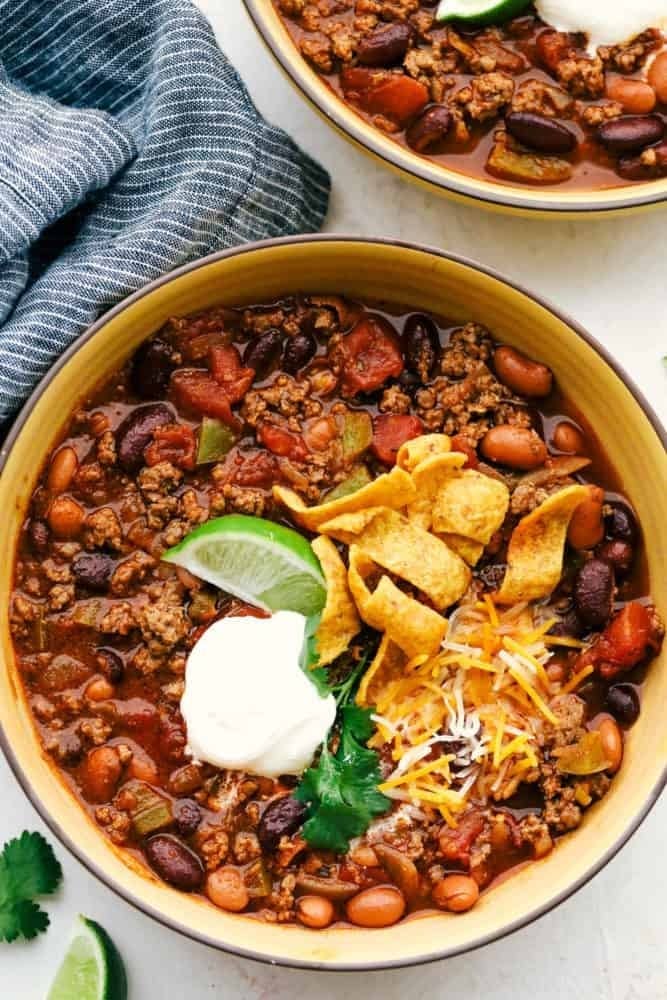
2. Soups and Stews
One pot can hold layers of flavor and nutrition. Simmer beans, lentils, or shredded chicken with whatever vegetables are on hand, then freeze portions for busy nights:
–
Classic minestrone with tomatoes and pasta
–

Lentil stew spiced with cumin and coriander
–
Smooth carrot-ginger soup for chilly evenings
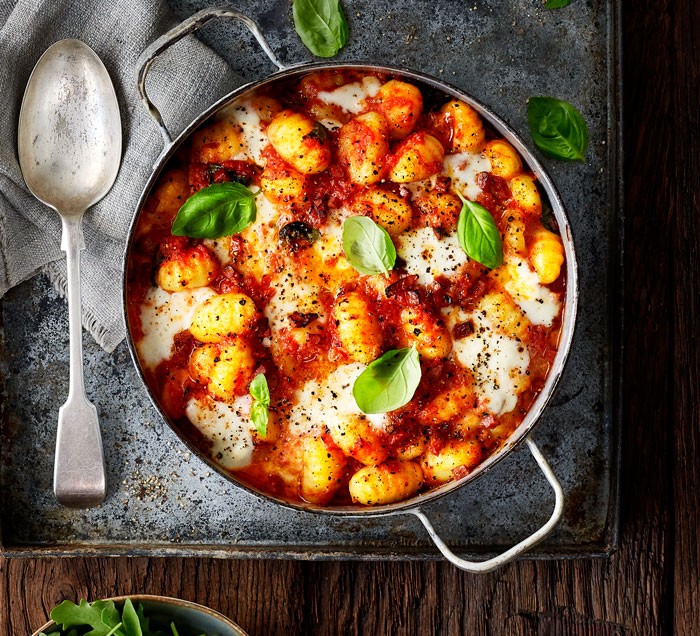
3. Baked or Grilled Fish
Fish cooks quickly and offers heart-friendly fats. A simple marinade of olive oil, citrus, and herbs is all it takes before oven-roasting or grill-searing:
–
Salmon fillet with dill and lemon
–
Garlic-lime tilapia with colorful salsa
–
Shrimp skewers brushed with smoked paprika
4. Fresh Salads
Salads need not be boring; rotate textures and dressings to keep them exciting. Start with leafy greens, add a protein boost, and finish with a tangy vinaigrette:
–
Spinach-strawberry salad with toasted almonds
–
Chickpea-cucumber salad with yogurt dressing
–
Tomato-peach medley with fresh basil
Conclusion
The “best” food to make at home is any dish that supports your health, fits your schedule, and respects your budget. By leaning on whole grains, comforting soups, quick-cooking fish, and vibrant salads, you can put satisfying meals on the table without fuss. Home cooking rewards you with tastier plates, lower costs, and the quiet pride of feeding yourself and loved ones well.
Recommendations and Future Research
Upgrade your kitchen experience by learning a handful of basic knife skills, stocking versatile spices, and setting aside one day a week to experiment with new recipes. Continued exploration could look at how the ritual of cooking affects mood, strengthens family bonds, and inspires creative shortcuts that make from-scratch meals even more accessible.