






















The Significance of Daily Menus in Modern Dining
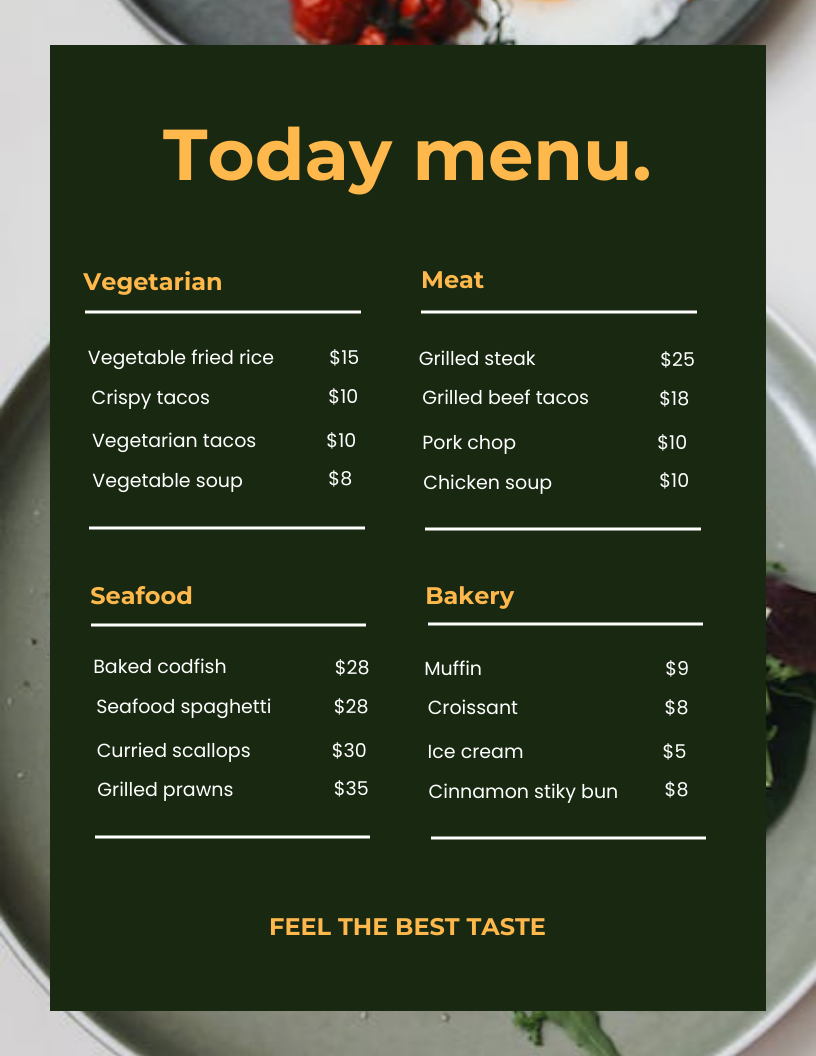
In the ever-changing culinary scene, the idea of a daily menu has become a key ingredient in contemporary restaurant experiences. This article explores why the daily menu matters, looking at how it shapes the industry, guest expectations, and the broader food culture. By tracing its roots, advantages, hurdles, and future directions, we gain a clearer picture of how daily menus influence the way we eat out today.

Origin and Evolution of Daily Menus
Daily menus were born from chefs’ desire for flexibility and creativity. In the past, many eateries offered the same dishes for months. As tastes evolved, kitchens saw value in rotating offerings to match seasonal produce and shifting preferences.
The trend gathered momentum in the early twentieth century, when cooks began highlighting local harvests and short-season ingredients. This not only brightened flavors but also underscored sustainability and regional identity. Over decades, the practice spread, and today countless restaurants refresh their offerings daily to stay vibrant and relevant.
Benefits of Daily Menus
Switching to a daily menu rewards both kitchen and guest. It lets chefs display imagination, respond to trends, and keep meals exciting. Key advantages include:
Increased Guest Satisfaction
Frequent changes give diners more choice, making it easier to find a dish that hits the spot and encouraging return visits.
Seasonal Freshness
Centering plates around what is naturally abundant guarantees peak flavor and nutrition while supporting nearby growers.
Cost-Effective Operations
Buying only what is plentiful reduces waste and trims inventory costs, helping the bottom line.
Enhanced Brand Image
Restaurants that rotate offerings are often seen as inventive and eco-minded, attracting a broader audience.
Challenges of Implementing Daily Menus
Despite the upside, daily menus bring hurdles:
Logistical Complexity
Chefs must track ingredient availability, rewrite dishes, and coordinate suppliers every day, demanding tight organization.
Guest Expectations
Regulars may arrive hoping for a favorite plate that is no longer offered, so clear communication is essential.
Cost Implications
Fresh, sometimes specialty, produce and extra planning time can raise food and labor expenses compared with a static list.
Impact on the Culinary Landscape
Daily menus have reshaped how kitchens operate and how we think about food:
Innovation in Cuisine
The need to invent anew each day sparks creativity, leading to original flavor pairings and techniques.
Focus on Sustainability
Reliance on local, seasonal goods encourages responsible sourcing and lighter environmental footprints.
Increased Collaboration
Tight timelines foster closer ties among chefs, farmers, and purveyors, strengthening community networks.
Future Implications and Recommendations
As dining habits evolve, daily menus will likely grow even more common. Consider these pointers:
Technological Integration
Apps and cloud-based tools can streamline ordering, inventory, and instant updates for guests.
Education and Training
Ongoing staff development in seasonal cooking and agile kitchen systems keeps service smooth.

Collaboration with Local Communities
Deepening partnerships with nearby producers supports regional economies and keeps menus rooted in place.
Conclusion
Daily menus have moved from niche practice to mainstream expectation. They invite creativity, support sustainability, and respond to diners’ desire for novelty. By embracing the rhythm of seasonal change, restaurants craft memorable experiences that reflect the dynamic spirit of modern gastronomy.