



















Title: How a Popular Morning Program Shapes the Way We Cook
Introduction:

Over the past decade, home kitchens have changed dramatically, thanks in large part to the steady stream of televised cooking segments that air before most viewers finish their coffee. One long-running morning show, broadcast daily to millions of households, has quietly become a tastemaker, nudging audiences toward new ingredients, quicker techniques, and fresher presentations. This piece looks at how that program’s recipe spotlights, chef demos, and friendly banter steer what ends up on our plates.
The Rise of the Morning Meal Segment
What began as a five-minute cooking slot wedged between weather and headlines has grown into a signature part of the broadcast. Producers invite a rotating cast of cookbook authors, restaurant chefs, and nutritionists who plate dishes in real time while swapping stories with the hosts. The approachable pacing, bright studio kitchen, and emphasis on “what you can make tonight” turned the segment into appointment viewing for anyone searching for week-night inspiration.
The Influence on Cooking Trends
By repeatedly showcasing certain themes, the show has nudged national habits in three noticeable directions:

1. Crossing Culinary Borders
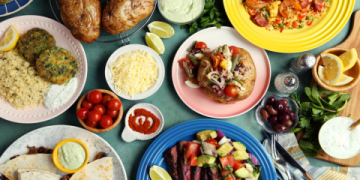
A fifteen-minute demo might travel from a Korean rice-bowl topping to a Levantine herb salad in the same week. Repetition demystifies unfamiliar spices and encourages shoppers to pick up gochujang or sumac on the next grocery run, widening the average pantry one ingredient at a time.
2. Lighter, Brighter Plates
Guests frequently swap in Greek yogurt for cream, fold leafy greens into comfort classics, or finish plates with citrus zest instead of heavy sauce. The message—flavor need not rely on excess fat or salt—has helped normalize meals that feel indulgent yet still align with balanced eating goals.
3. Waste-Not Thinking
Scrap-to-stock tips and “next-over” ideas—turning tonight’s roasted vegetables into tomorrow’s lunch wrap—air several times a month. The gentle repetition trains viewers to see stems, peels, and day-old bread as raw material for new dishes rather than bin-bound leftovers.
The Role of Social Media
Clips from the broadcast are trimmed into sixty-second reels and posted across social platforms moments after they air. Hashtags printed on screen let home cooks share their own attempts, creating a feedback loop in which a single segment can spawn thousands of dinner tables serving the same quinoa-crusted chicken by evening.
The Impact on Professional Chefs
Even established restaurateurs monitor the morning segments to spot emerging flavors destined for mainstream demand. A brief feature on, say, Calabrian chili paste can translate into menu specials weeks later, as chefs trust the show’s research team to flag the next ingredient likely to leap from niche to necessary.
The Future of the Morning Meal Segment
As audiences fragment across platforms, producers are experimenting with interactive polls that let viewers choose the next day’s cuisine and with short-form tutorials filmed vertically for phone screens. Likely evolutions include:
1. Tailored Recipe Feeds
Companion apps could soon auto-build shopping lists that sync with dietary profiles set by the user, trimming both prep time and guesswork.
2. Live Streamed Mini-Classes
Post-show livestreams may allow fans to cook along at home, asking questions in real time as the guest chef sautés, blitzes, and plates.
3. Pop-Up Collaborations
Expect weekend food-festival booths or limited-time café menus branded around the show’s greatest hits, turning televised recipes into tangible tasting events.

Conclusion:
Day after day, the cheerful rhythm of a morning broadcast seeps into kitchens nationwide, normalizing new flavors, lighter techniques, and thriftier habits. By packaging culinary discovery inside familiar anchors and friendly chatter, the show keeps reshaping what home cooks reach for, how chefs plan menus, and ultimately, what we all decide to eat next.