



















The Impact of Cooking Sites on Modern Cooking Culture
Introduction

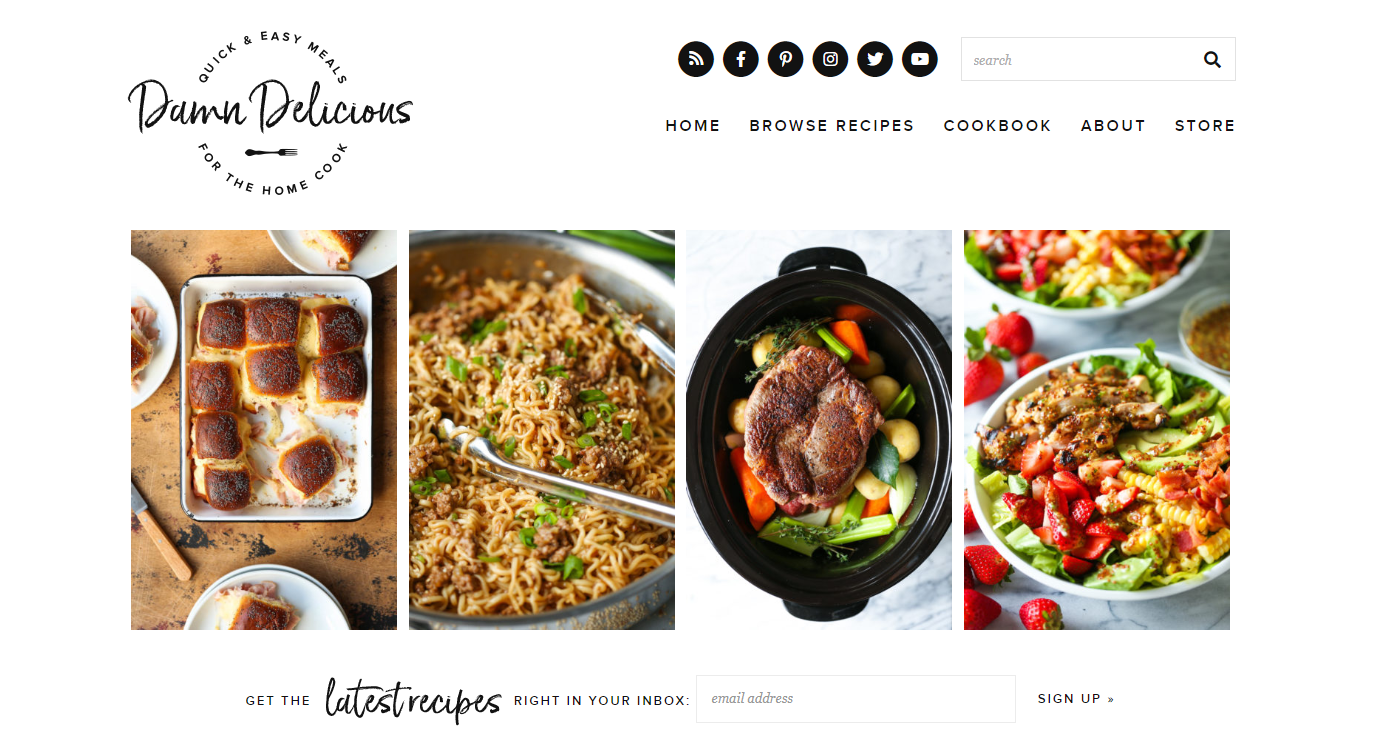
Cooking has always been central to human culture, and the internet has turned recipe websites into daily companions for millions of home cooks. These platforms have reshaped how we plan meals, learn techniques, and share food experiences. This article examines how cooking sites influence contemporary culinary culture by driving trends, building communities, and spreading knowledge.
The Role of Cooking Sites in Shaping Culinary Trends
Recipe portals accelerate the life-cycle of food trends by giving instant visibility to new flavor combinations, dietary styles, and plating ideas. A single viral post can move an ingredient from obscurity to supermarket staple within weeks. Global dishes such as ramen burgers or whipped coffee first gained momentum through step-by-step photo guides shared on popular hubs, later migrating to restaurant menus and family tables.

Plant-forward eating has also expanded thanks to dedicated vegetarian and vegan sections that demystify meat-free cooking. By normalizing alternatives like cashew cream or jackwood tacos, these sites make sustainable choices feel approachable rather than niche.
Fostering Culinary Communities
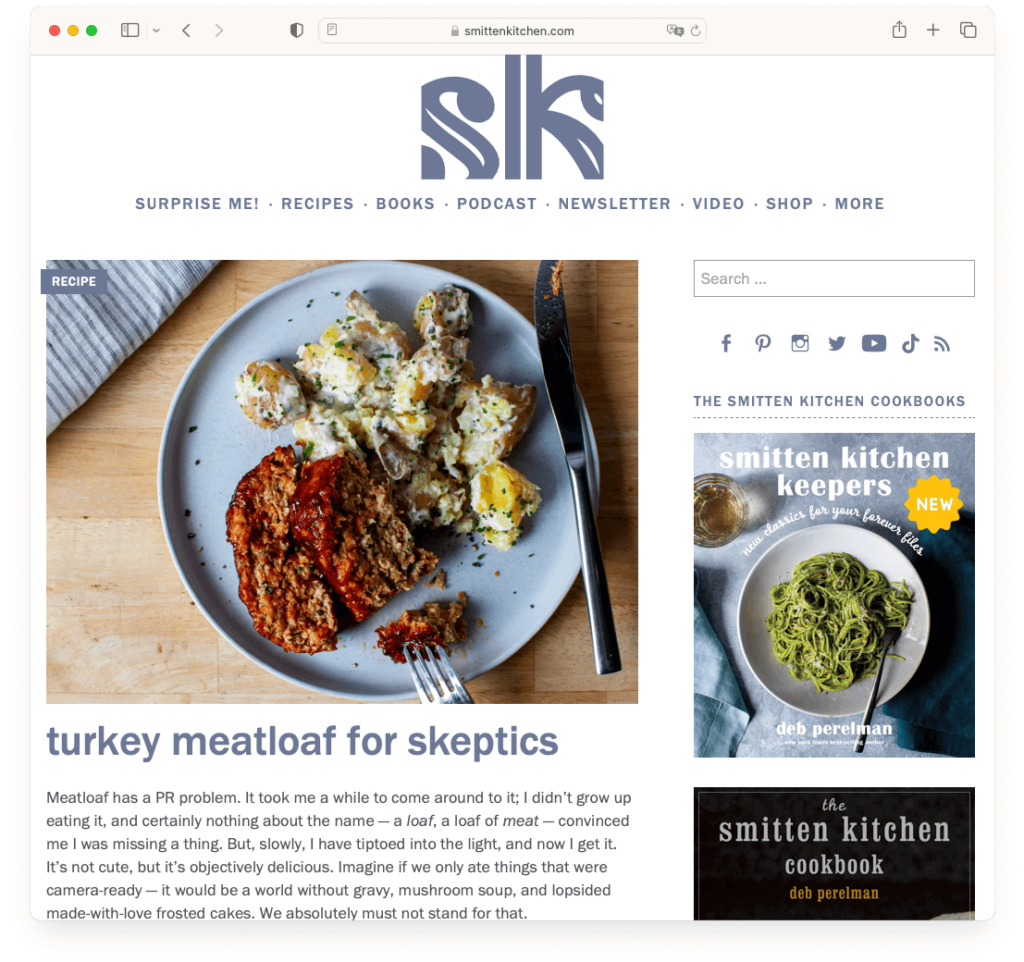
Beyond recipes, cooking sites cultivate social spaces where enthusiasts exchange feedback, post variations, and celebrate successes. Comment threads often turn into troubleshooting forums, while user-generated photos create a crowdsourced visual cookbook. Seasonal challenges—such as seven-day soup swaps or cookie-decorating contests—spark friendly competition and motivate newcomers to practice skills.
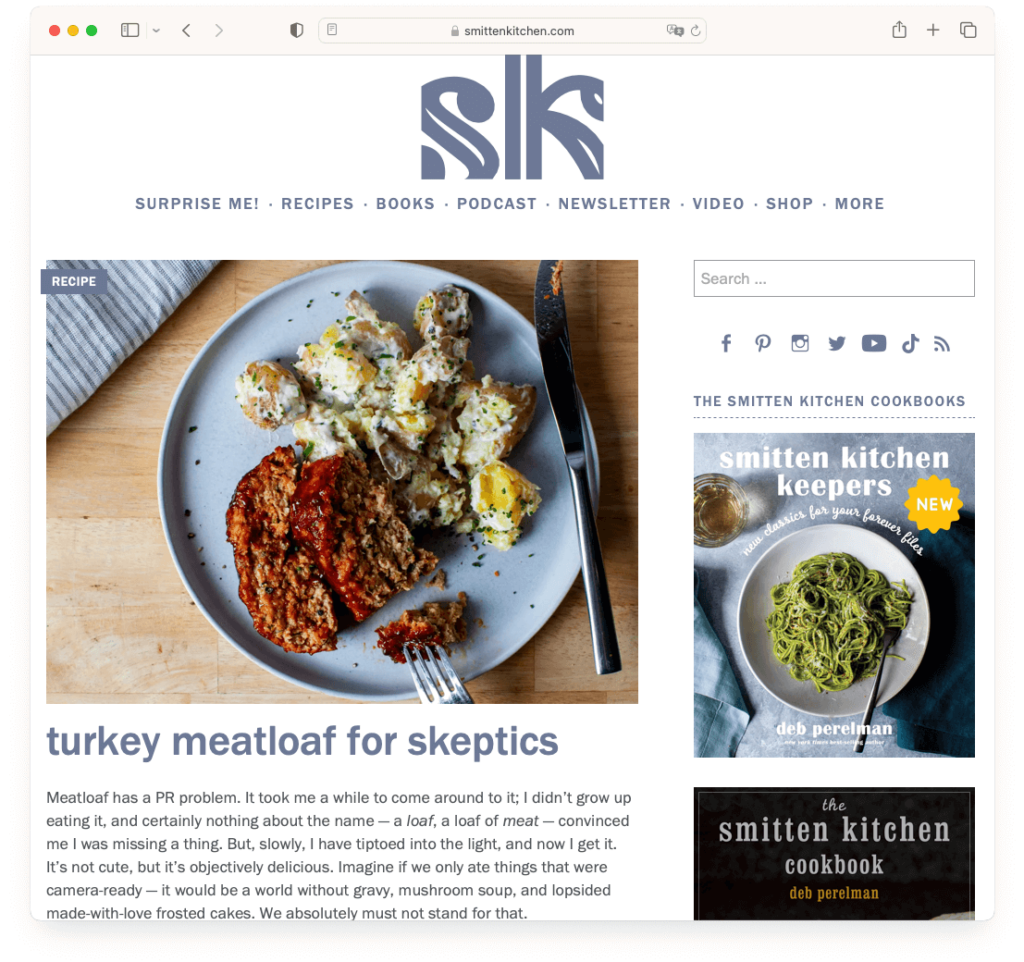
These interactions nurture a sense of belonging that transcends geography, allowing a college student in one continent to refine a dish guided by tips from a retired baker on another.
Promoting Culinary Education
Short videos, illustrated tutorials, and skill-based articles have turned websites into open-access culinary schools. Beginners can master fundamentals like knife cuts or pan sauces, then progress to advanced topics such as sourdough fermentation or sugar work at their own pace. Many platforms also explain the science behind techniques, helping cooks understand why bread rises or why onions caramelize, which encourages experimentation and confidence.
The Impact of Cooking Sites on Traditional Cooking Methods
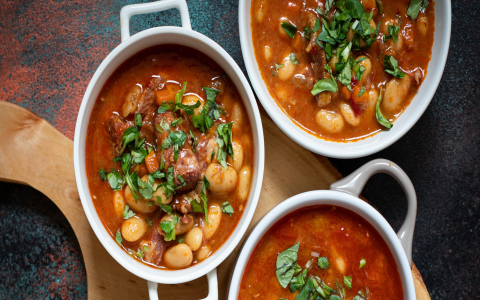
While spotlighting innovation, cooking sites simultaneously act as archives for heritage recipes. Detailed posts on regional breads, slow-cooked stews, or festive sweets document procedures that might otherwise fade as lifestyles speed up. Interactive storytelling—grandmothers filming heirloom techniques, bloggers translating village dishes—bridges generations and invites wider audiences to appreciate culinary history.
Conclusion
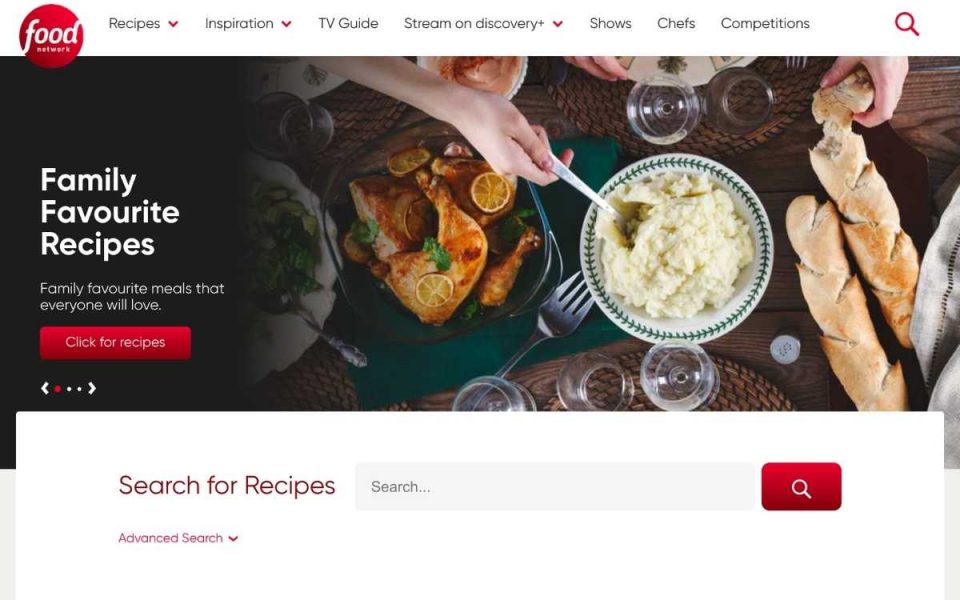
Cooking sites have become powerful catalysts in modern gastronomy, steering trends, connecting like-minded food lovers, and democratizing education. Their continued evolution will likely blend cutting-edge technology with respect for tradition, ensuring that both weeknight shortcuts and time-honored rituals remain part of our shared table.
Recommendations and Future Research
To strengthen their positive influence, recipe platforms could:
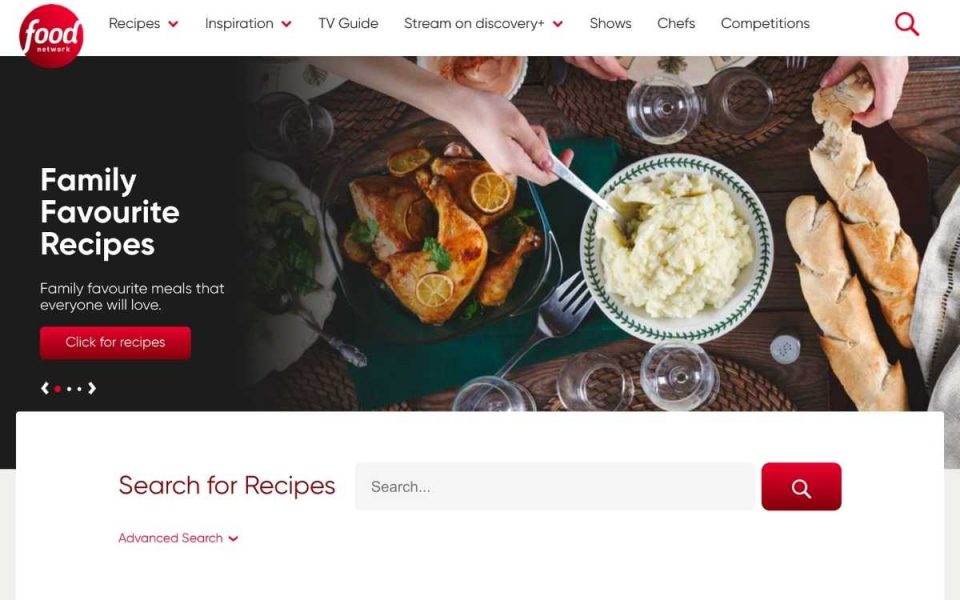
1. Expand multilingual content so regional specialties reach global audiences without language barriers.
2. Partner with nutritionists and sustainability experts to highlight eco-friendly ingredient choices and waste-reduction tips.
3. Develop mentorship programs pairing experienced cooks with beginners for guided, step-by-step learning.
Future studies might explore:
1. How online cooking engagement affects stress relief and social connection.
2. The effectiveness of digital nudges in encouraging healthier or more planet-conscious meals.

3. Ways to balance algorithmic personalization with exposure to diverse culinary cultures, preventing echo chambers of flavor.