















The Gentle Art of Slow Cooking: A Comprehensive Overview
Introduction
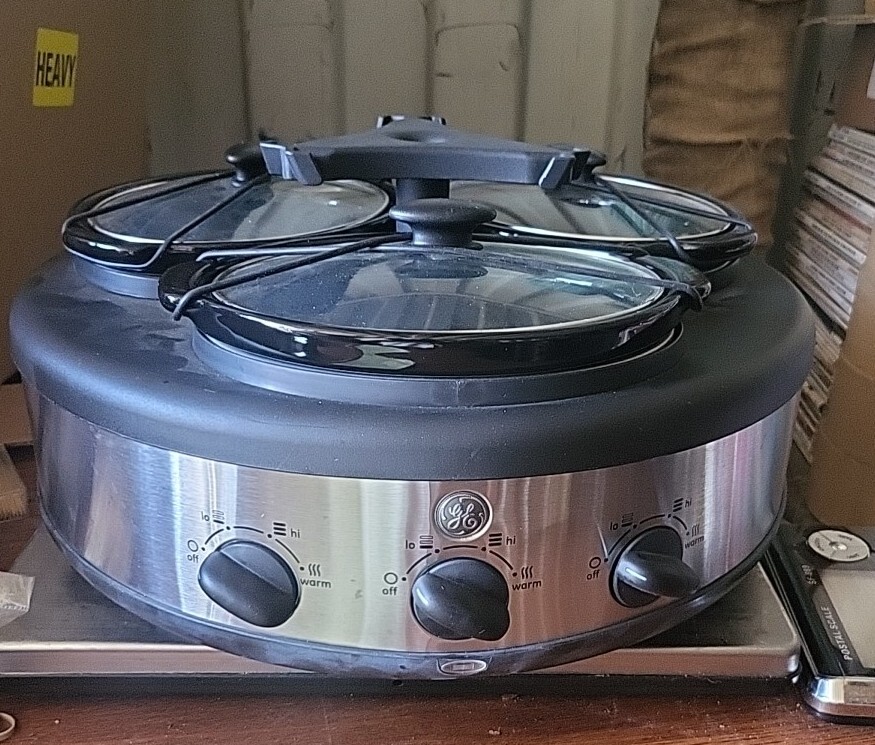
The countertop slow cooker, introduced decades ago, has quietly transformed everyday meal preparation. This ceramic-lined appliance, known for its steady, low heat, has earned a permanent spot on kitchen counters across the globe. The following overview traces its background, mechanics, and lasting influence on home cuisine.
The History of the Slow Cooker
The Invention of the Slow Cooker
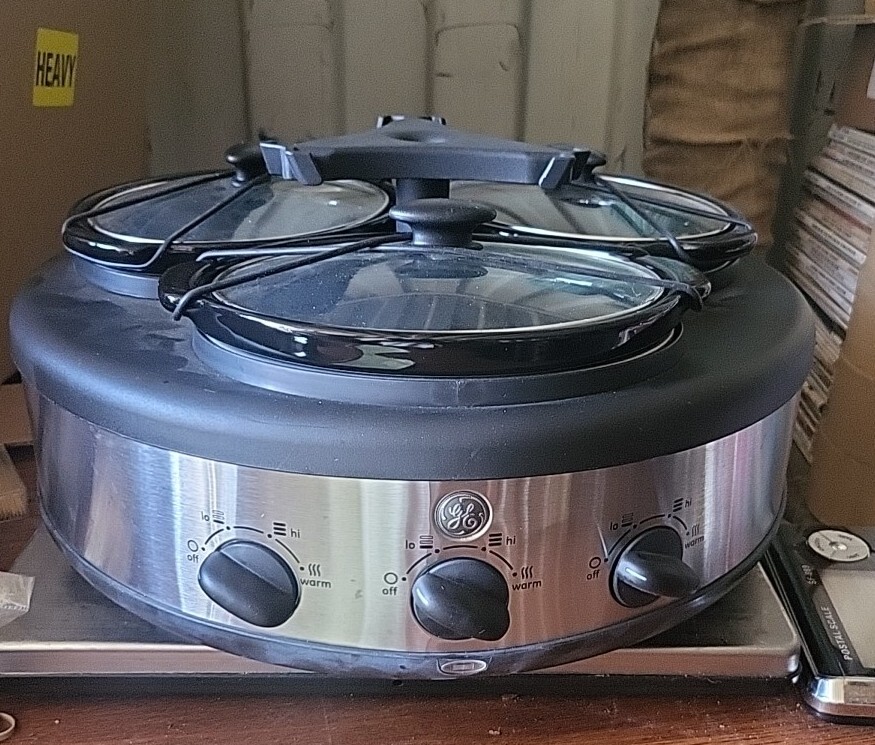
Early prototypes appeared when inventors sought a safe, energy-efficient way to simmer food unattended. The first widely sold model featured a removable clay insert and a simple wrap-around heating element. The guiding idea was straightforward: maintain a gentle temperature for hours so flavors deepen and tougher cuts of meat grow tender.
The Rise of the Slow Cooker
During the energy-conscious years of the mid-century, the device appealed to anyone who wanted a hot meal waiting after a long day. Its “set-it-and-forget-it” nature fit neatly into busy routines, while nutrition-minded cooks praised the ability to craft balanced dishes with little added fat.
The Functionality of the Modern Slow Cooker
How the Slow Cooker Works
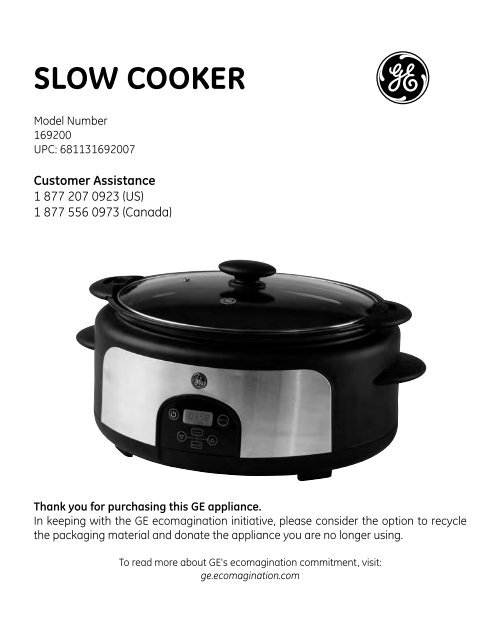
An electric base warms the insert to a steady range well below boiling. Over several hours, collagen in meat breaks down, vegetables soften, and spices mingle without risk of scorching. A tight-fitting lid traps steam, creating a self-basting environment that keeps dishes moist.
Versatility of the Slow Cooker
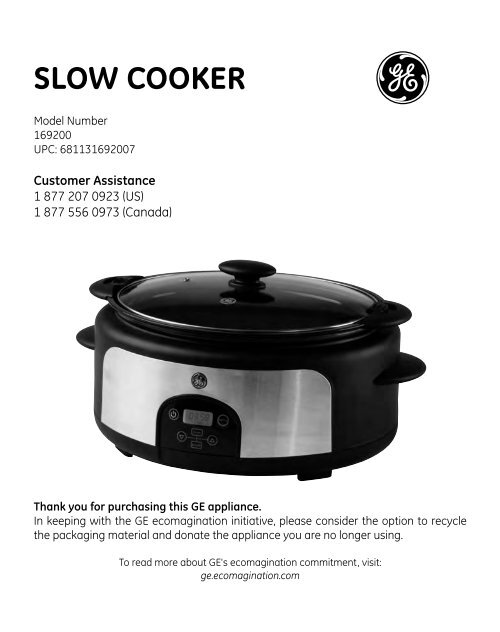
Beyond stews and soups, the same vessel handles whole grains, steamed puddings, and even yogurt. Because heat remains uniform, delicate ingredients such as fish or fruit can be poached without constant supervision, freeing cooks to focus on other tasks.
The Impact of Slow Cooking
Changing Cooking Habits
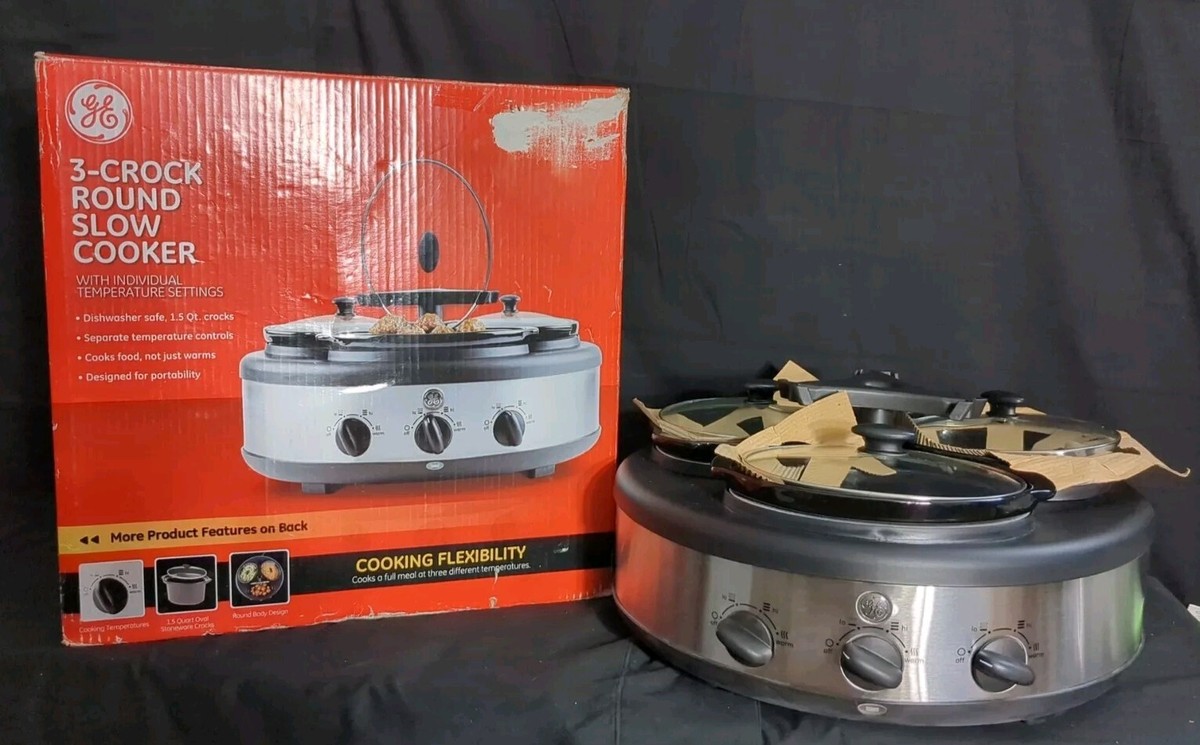
Batch cooking and meal prepping surged once households realized they could fill the pot in the morning and return to a finished dinner. The method also invites creativity: spices and legumes from any cuisine can be combined without specialized equipment.
Health Benefits
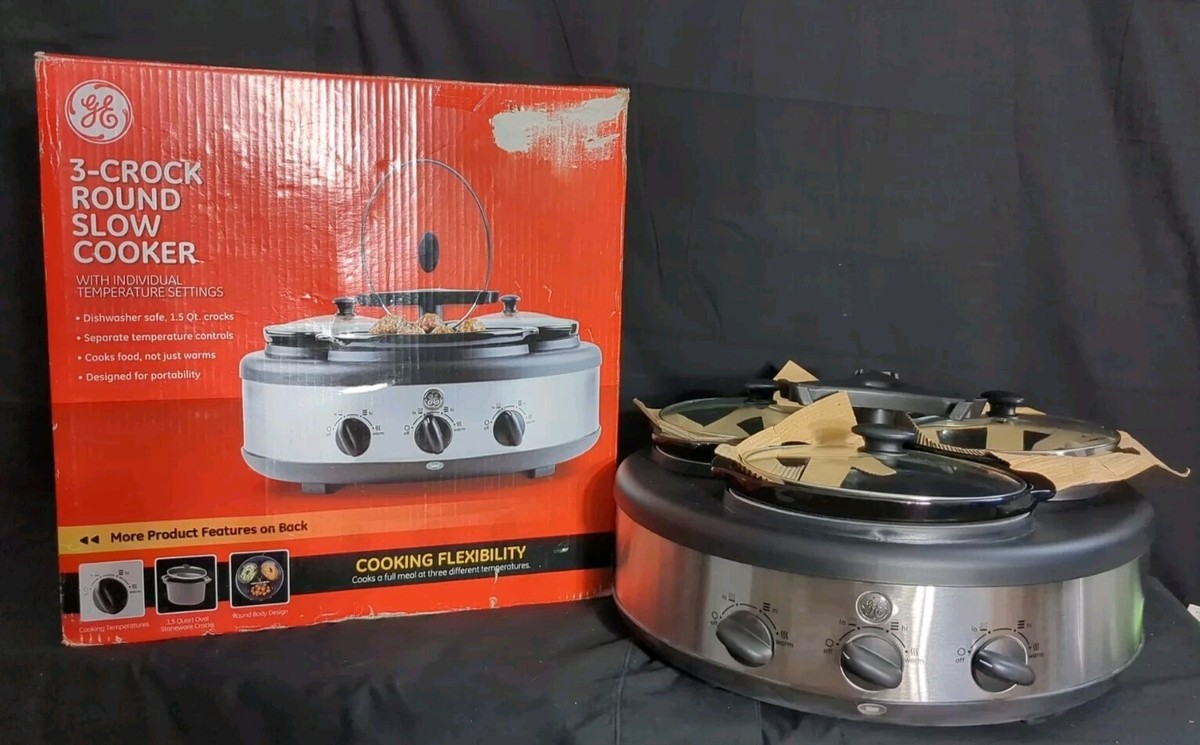
Long, moist heat reduces the need for excess oil or salt, while nutrients that might leach into boiling water are largely retained within the dish. Tough, affordable cuts become fork-tender, encouraging lean-protein choices and budget-friendly menus.
Economic Impact
Demand spurred a wave of accessories—liner bags, travel clips, programmable bases—supporting small manufacturers and recipe developers. Energy use stays low compared with an oven, translating into modest utility savings over time.
The Slow Cooker in Today’s Kitchen
Evolution of the Appliance
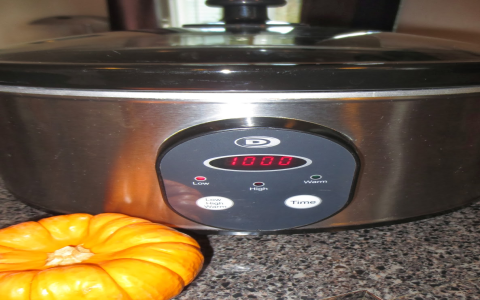
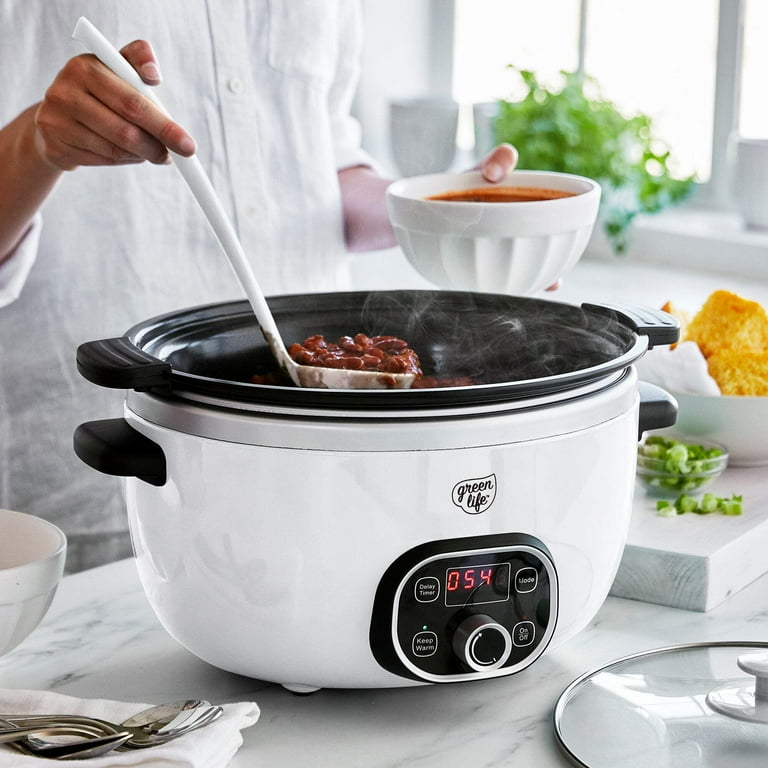
Contemporary models offer digital countdowns, automatic “keep warm” cycles, and inserts that move safely to the table. Some units even pair with smartphone apps, letting users adjust timing from afar.
Slow Cooker Recipes
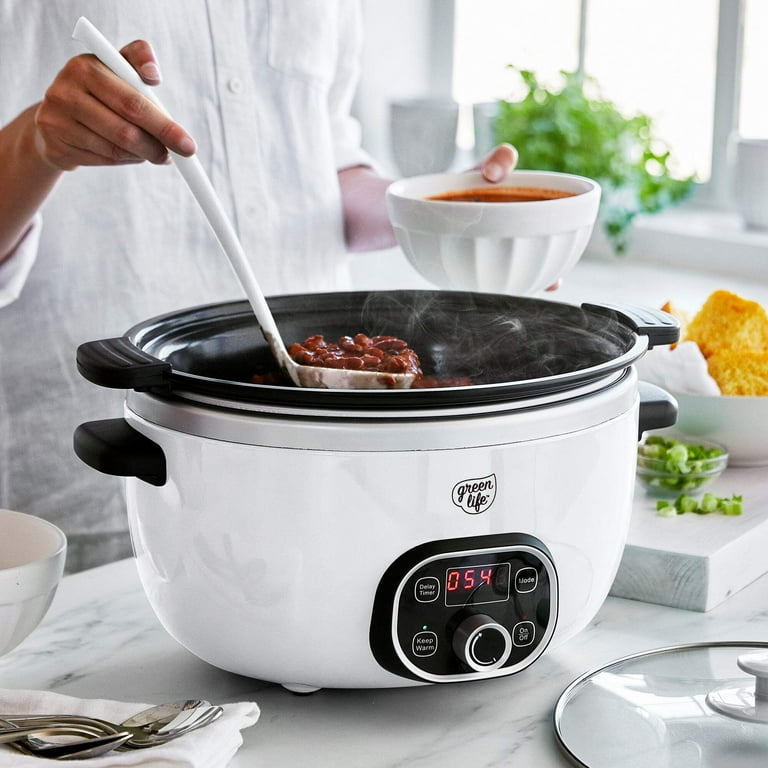
Online forums overflow with ideas: vegetarian chilis, overnight oats, spice-infused cakes. Cooks trade tips for layering ingredients, converting oven times, and finishing dishes with fresh herbs for brightness.
Conclusion
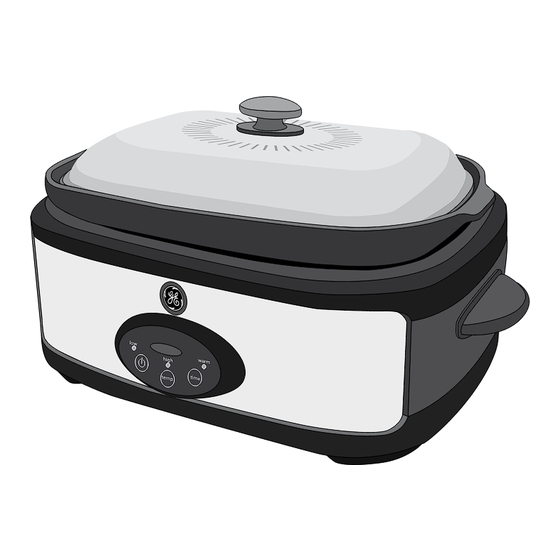
The slow cooker endures because it answers timeless needs: convenience, economy, and nourishing flavor. As schedules grow more crowded and interest in mindful eating expands, this humble appliance continues to earn its place on the counter.
Future Directions
Expect smarter sensors that detect food texture, inserts suited for browning, and eco-friendly materials. Whatever the upgrades, the core promise—effortless, gentle cooking—will likely keep the slow cooker relevant for years to come.
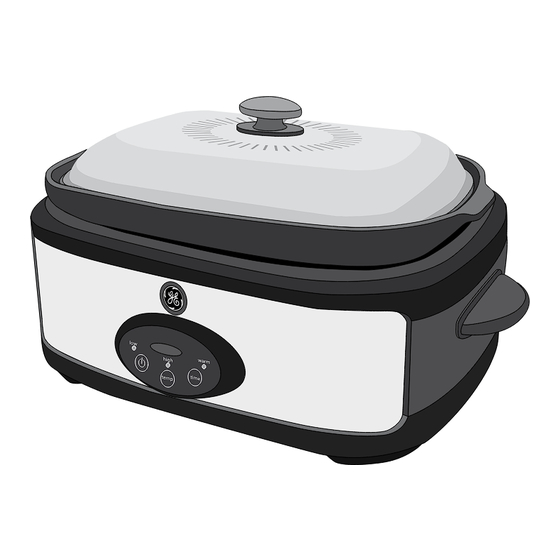
In short, the slow cooker is more than a pot; it is an invitation to savor wholesome food without hurry, proving that patience in the kitchen still tastes like progress.