






















Title: The Impact of Digital Tracking in a Popular Weight-Management Program: A Comprehensive Analysis
Introduction:

In today’s busy world, staying within a healthy weight range is a common struggle. A well-known points-based weight-management plan has attracted millions of followers by combining flexible eating rules with community support. This article examines how consistent digital tracking within that program influences results, looking at its strengths, limits, and practical value for everyday users.
Understanding the Program: An Overview
The system assigns each member a daily points budget that can be spent on any food, encouraging balance rather than prohibition. Physical movement earns extra points, while online or app-based logs record meals, activity, and weekly progress. The goal is to create awareness of portions and patterns without banning favorite dishes.
The Effectiveness of Digital Tracking
Peer-reviewed trials repeatedly show that participants who log meals and exercise lose more weight than those who receive general advice alone. Follow-ups stretching beyond one year indicate that continued logging is linked with better weight maintenance, suggesting that the simple act of recording keeps goals fresh in mind.

Benefits of Consistent Logging
First, it turns vague intentions into visible data, making it easier to adjust portions or food choices in real time. Second, built-in barcode scanners and recipe builders reduce guesswork, saving time and limiting frustration. Third, community feeds and celebration badges provide quick positive feedback, reinforcing new habits through social encouragement.
Scientific Evidence and User Experiences
Controlled studies report improvements not only in weight but also in blood-pressure and cholesterol markers among regular loggers. Anecdotal accounts echo these findings: users frequently describe higher energy, better mood, and a sense of control that spills over into other areas of life, from sleep quality to workplace confidence.
Limitations and Challenges
Some people find the points routine tedious during holidays or hectic workweeks. Others grow reliant on the app and struggle to estimate portions when their phone is absent. Finally, individuals who prefer unstructured eating may chafe at any numeric target, no matter how flexible.

The Role of Technology in Weight Management
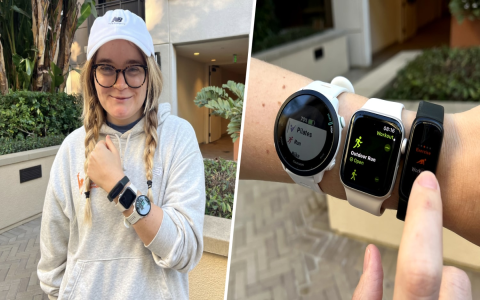
Smartphone reminders, wearable sync, and instant trend graphs lower the barrier to self-monitoring, yet technology is only a tool. Lasting change still hinges on mindful choices, adequate sleep, stress management, and, when needed, guidance from qualified health professionals.
Conclusion
Digital tracking within this structured program remains one of the most user-friendly ways to spark mindful eating and steady weight loss. Its blend of quantified feedback, community cheer, and dietary freedom suits many lifestyles, but success ultimately depends on honest entries and realistic expectations. Approached as a learning aid rather than a lifelong crutch, the log can usher users toward sustainable habits and improved overall well-being.
In closing, anyone seeking order amid nutritional chaos may find value in recording meals and movement through this established platform. Continued research into long-term adherence and personalization will further refine how digital logs support healthy weight for years to come.