





















The Impact of Culinary Innovation on Modern Society
Introduction

Culinary innovation has become a defining force in contemporary food culture, encompassing creative preparation, presentation, and consumption practices that challenge convention. This article explores how these inventive approaches reshape the culinary arts, influence consumer choices, and drive cultural change, offering insight into their growing significance and future trajectory.
The Evolution of Culinary Innovation
1.1 Historical Context

Experimental cooking gained momentum in the early twenty-first century as chefs began questioning traditional methods and ingredients. The rise of science-driven techniques introduced unexpected textures and flavors, laying the groundwork for today’s boundary-pushing cuisine.
1.2 Modern Culinary Trends
Present-day innovation spans street food stalls to high-end restaurants, embracing fusion dishes, plant-forward menus, and immersive dining experiences. These trends continually redefine what is considered familiar or fashionable on the plate.

The Influence of Culinary Innovation on Culinary Arts
2.1 Innovation in Cooking Techniques
Novel methods such as spherification, emulsification, and low-temperature sous-vide have expanded the creative palette, allowing chefs to craft dishes that surprise both the eye and the palate.

2.2 Fusion Cuisine
By merging ingredients and traditions from disparate cultures, fusion cuisine encourages curiosity and cross-cultural appreciation, enriching global gastronomy.
The Role of Culinary Innovation in Consumer Behavior

3.1 Influence on Food Choices
Heightened awareness of health, sustainability, and ethics steers diners toward inventive offerings that highlight local produce, plant-based options, and transparent sourcing.
3.2 Social Media and Culinary Innovation

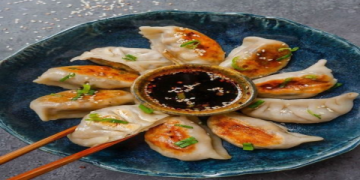
Visually striking dishes thrive on digital platforms, where chefs and enthusiasts share recipes and inspiration, accelerating the spread of new ideas to a worldwide audience.
Cultural Shifts and Culinary Innovation
4.1 The Rise of Innovation Communities

Online groups and forums unite food lovers who experiment, exchange tips, and celebrate creativity, fostering collaboration across continents.
4.2 The Impact on Traditional Cuisine
While some fear inventive styles may overshadow heritage recipes, others view them as complementary, revitalizing time-honored dishes through contemporary twists.

Conclusion
Culinary innovation continues to transform how we cook, eat, and connect. Balancing creativity with respect for tradition and environmental responsibility will shape a resilient, inclusive food future.
Recommendations and Future Research

To deepen understanding of culinary innovation, further study is needed on:
1. Its economic effects across food sectors.
2. Strategies for leveraging creativity to cut waste and support sustainability.

3. Psychological responses to novel dining experiences.
4. The potential of shared culinary exploration to strengthen intercultural dialogue.
Exploring these areas will illuminate the multifaceted influence of inventive cuisine on society.