

















The Impact of Cooking Videos on Modern Culinary Culture
In the digital age, short-form and long-form cooking clips have become a key channel for culinary inspiration and cross-cultural sharing. This article explores how these videos sharpen home skills, spark appetite for travel, and steer worldwide food movements, offering a rounded view of their place at the global table.
The Rise of Cooking Videos
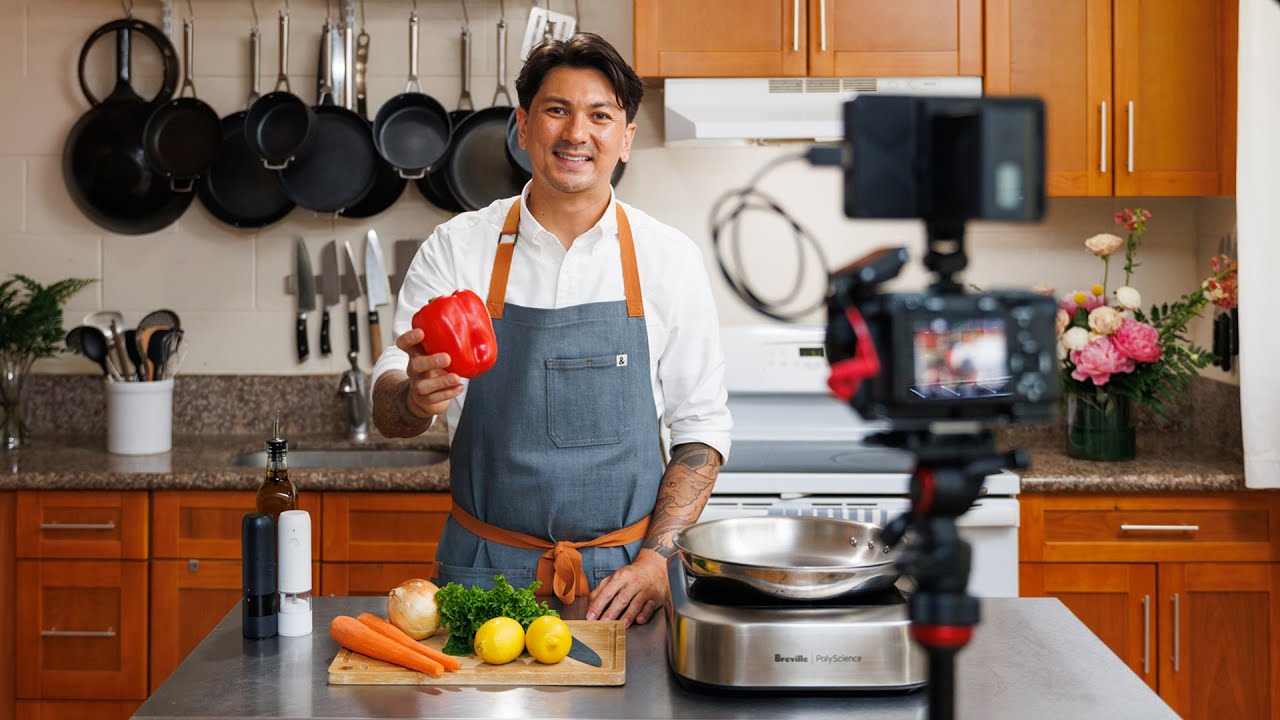
Affordable smartphones and endless feeds have changed how we look for dinner ideas. Clips that compress a recipe into seconds or guide viewers through a slow braise now rack up millions of plays, turning everyday cooks into broadcasters and audiences into active participants.
Cooking Videos as a Source of Culinary Education
Visual step-by-step guidance lets learners pause, rewind, and practice at their own speed. Veteran chefs and self-taught enthusiasts alike break down knife skills, mother sauces, and regional specialties, making once-intimidating dishes feel reachable on a Tuesday night.
A calm, friendly voice-over and clear camera angles can turn a lengthy stew into a relaxed weekend project, proving that good teaching transcends studio budgets.
The Role of Cooking Videos in Culinary Tourism
Clips that celebrate local markets, seaside grills, and family-run trattorias plant travel seeds long before tickets are booked. Viewers who watch noodles hand-pulled at dawn often add that destination to their wish list, boosting neighborhood food tours and small eateries when they arrive.
Series that hop from country to country spotlight iconic street snacks and home kitchens, encouraging respectful curiosity rather than checklist tourism.
Cooking Videos and Global Food Trends
A single viral wrap, whipped coffee, or one-pot rice dish can sell out ingredients overnight. By spotlighting creative twists and cross-cultural pairings, videos accelerate the spread of fusion flavors and revive forgotten staples, giving pantry items a moment in the spotlight.
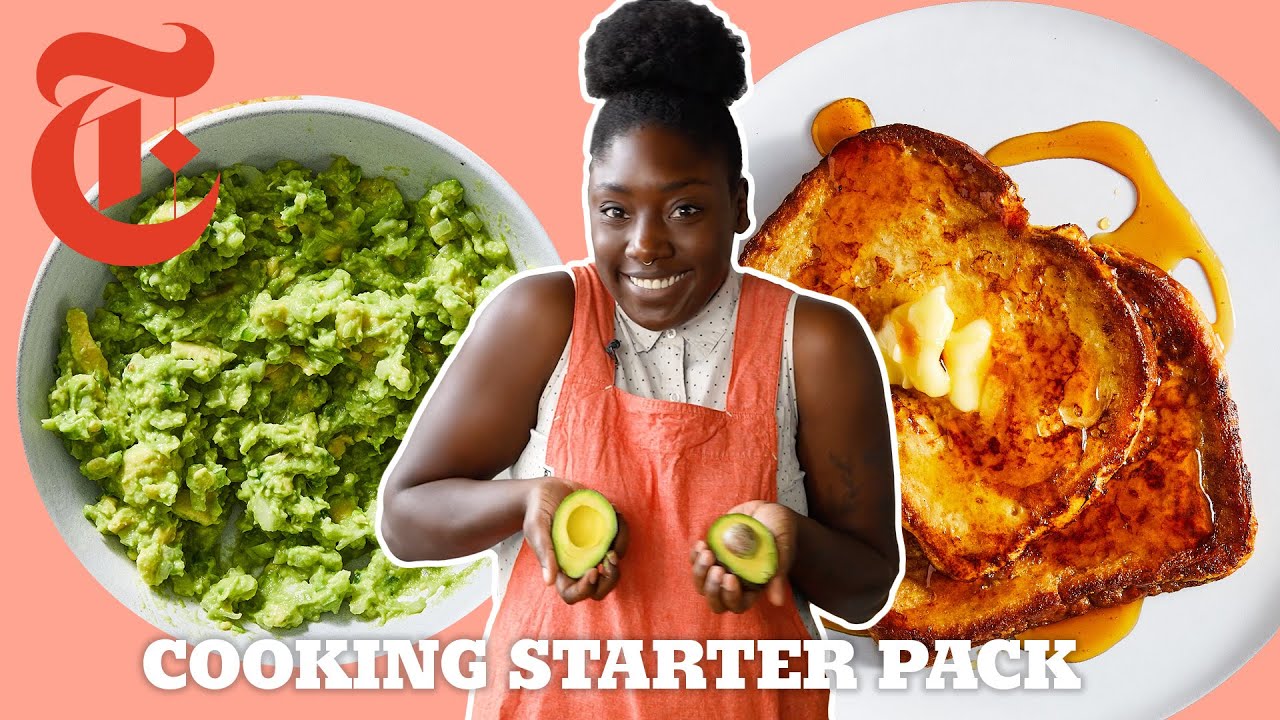
Plant-based montages have nudged cafés everywhere to add vibrant vegan bowls, while short fermentation demos inspire home cooks to try their first jar of pickled vegetables.
The Impact of Cooking Videos on Social Media
Snappy edits, catchy soundtracks, and satisfying reveals keep clips circulating well beyond their original upload. Quick tutorials fit neatly between dance challenges, turning casual scrollers into active triers of trending recipes.
Reliable personalities who share both triumphs and kitchen flops build trust, guiding grocery lists and shaping what tomorrow’s lunch looks like for thousands of followers.
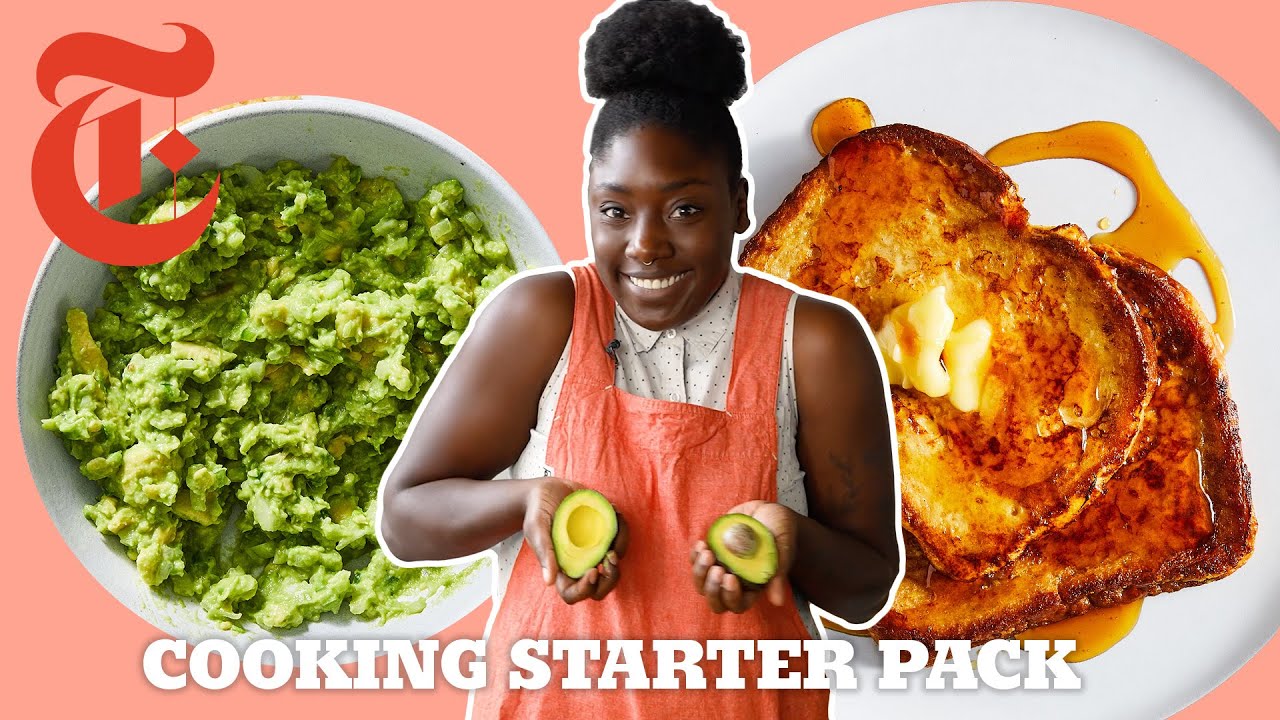
The Challenges and Ethical Considerations
Fast production can invite sloppy facts—an incorrect cooking temperature or unsafe canning tip may travel just as quickly as a brilliant hack. Creators carry a growing responsibility to test and annotate their methods.
Respect is equally vital: borrowing dishes from another culture calls for context, credit, and humility, ensuring traditions are celebrated rather than caricatured for clicks.
Conclusion
From weeknight supper rescue to armchair world tour, cooking videos now shape how we learn, eat, and connect. Their reach will only widen as cameras get better and stories grow richer, provided those behind the lens keep curiosity kind and accuracy in focus.
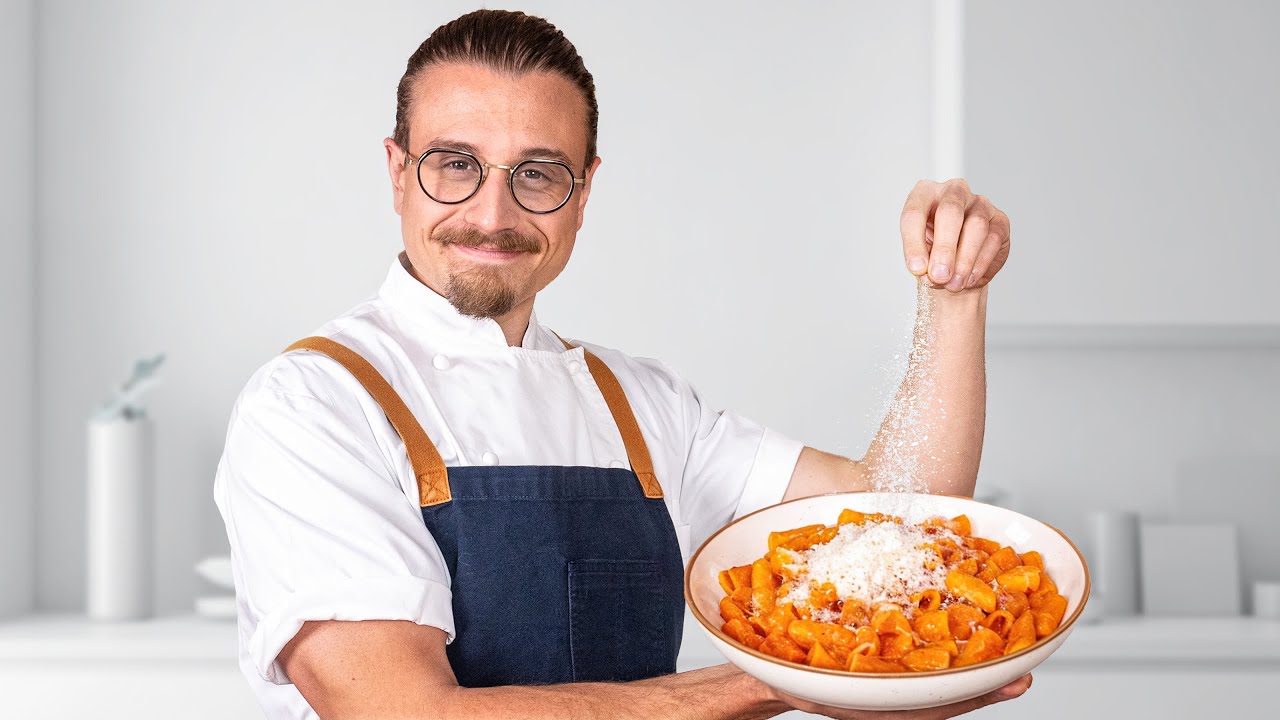
In short, these bite-sized films are more than entertainment; they are daily invitations to hone skills, broaden palates, and share the table across borders—one play button at a time.