






















Finding Recipes with Ingredients on Hand: A Guide to Cooking Creatively
Introduction

Cooking is an art that rewards curiosity and a willingness to experiment. One of the most common dilemmas home cooks face is deciding what to prepare when the pantry seems almost empty. This guide offers practical ways to turn everyday staples into satisfying meals, proving that limited supplies can still lead to memorable dishes.
The Importance of Cooking with Ingredients on Hand
Making the most of what you already have is both economical and eco-friendly. It reduces waste, stretches grocery budgets, and invites playful improvisation. By looking at familiar items through a fresh lens, you can discover new flavor combinations and reduce the habit of over-buying.

Strategies for Finding Recipes with Ingredients on Hand
1. Inventory Your Pantry
Start by surveying shelves, fridge, and freezer. Group items by type—grains, canned goods, produce, proteins—so you can quickly spot possible pairings. A clear picture of current stock prevents duplicate purchases and sparks menu ideas.

2. Utilize Online Resources
Search engines and cooking apps allow you to enter several ingredients and receive tailored recipe suggestions in seconds. Video platforms also offer quick tutorials that demonstrate simple substitutions and techniques.
3. Consult Cookbooks

Keep a few well-indexed books that emphasize flexible formulas rather than rigid lists. Titles focused on minimal-ingredient or one-pot meals are especially helpful when time and supplies are short.
4. Think Outside the Box
A lone can of chickpeas can become hummus, curry, or crunchy roasted snacks. Yesterday’s bread can be reborn as garlicky croutons, bread crumbs, or a comforting panade. Let texture and temperature contrasts guide you toward new roles for ordinary foods.
Tips for Cooking with Limited Ingredients
1. Focus on Flavor
Even modest components shine when seasoned boldly. A squeeze of citrus, a pinch of smoked paprika, or a handful of fresh herbs can lift an otherwise plain plate. Taste as you go and adjust gradually.
2. Be Flexible
Swap proteins, vegetables, or grains according to availability. Instead of viewing missing items as obstacles, treat them as opportunities to personalize a dish and develop your own signature versions.
3. Use Leftovers

Roasted vegetables can blend into a speedy pasta sauce; a small portion of grilled meat can garnish a vibrant salad. Storing cooked extras in clearly labeled containers makes future assembly faster and reduces weeknight stress.
Case Studies: Successful Recipes Made with Limited Ingredients
1. The Classic Omelette

Beat eggs with a splash of water for extra fluff, then fold in any cheese, greens, or cooked bits you find. Cook gently over medium-low heat for a tender result that works for breakfast, lunch, or dinner.
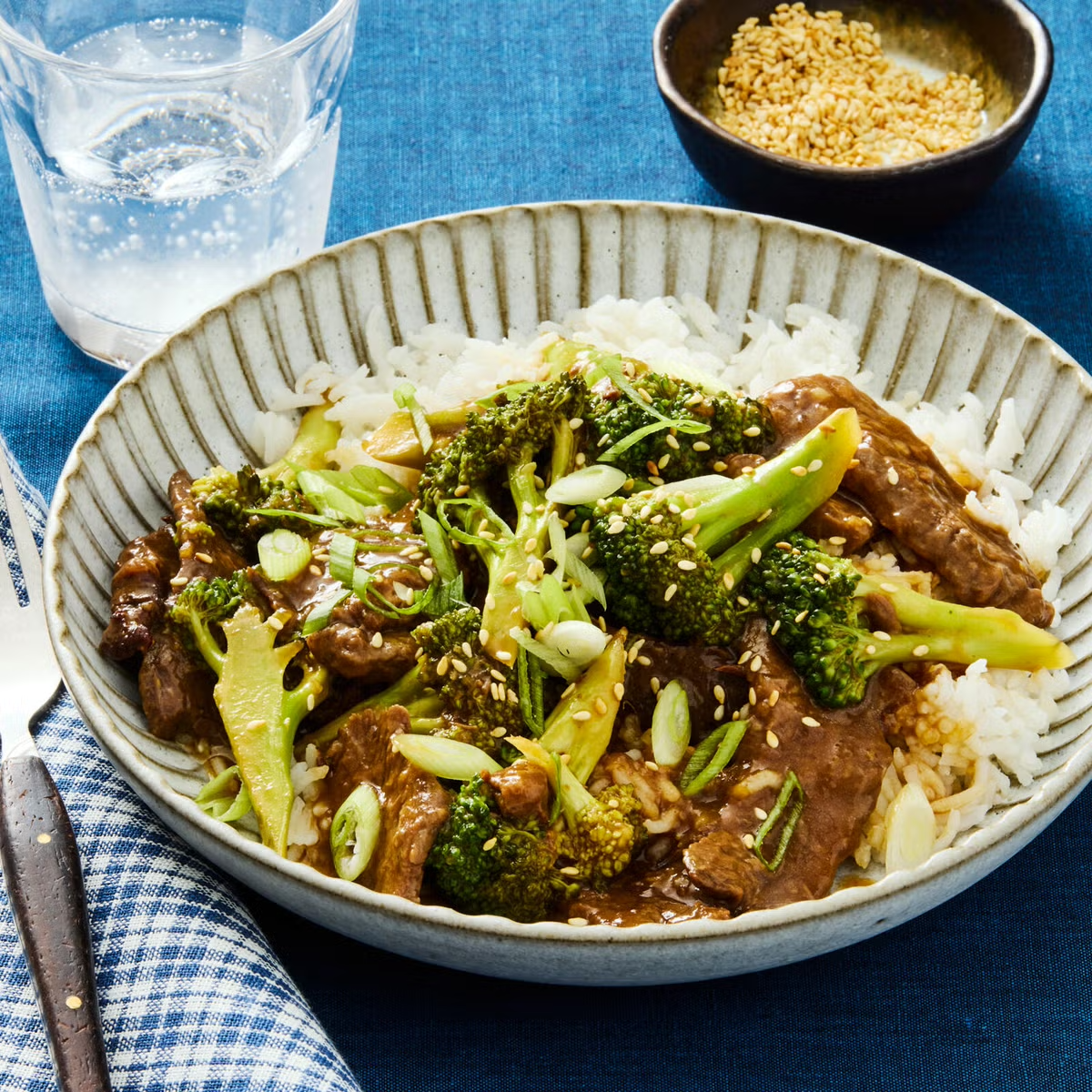
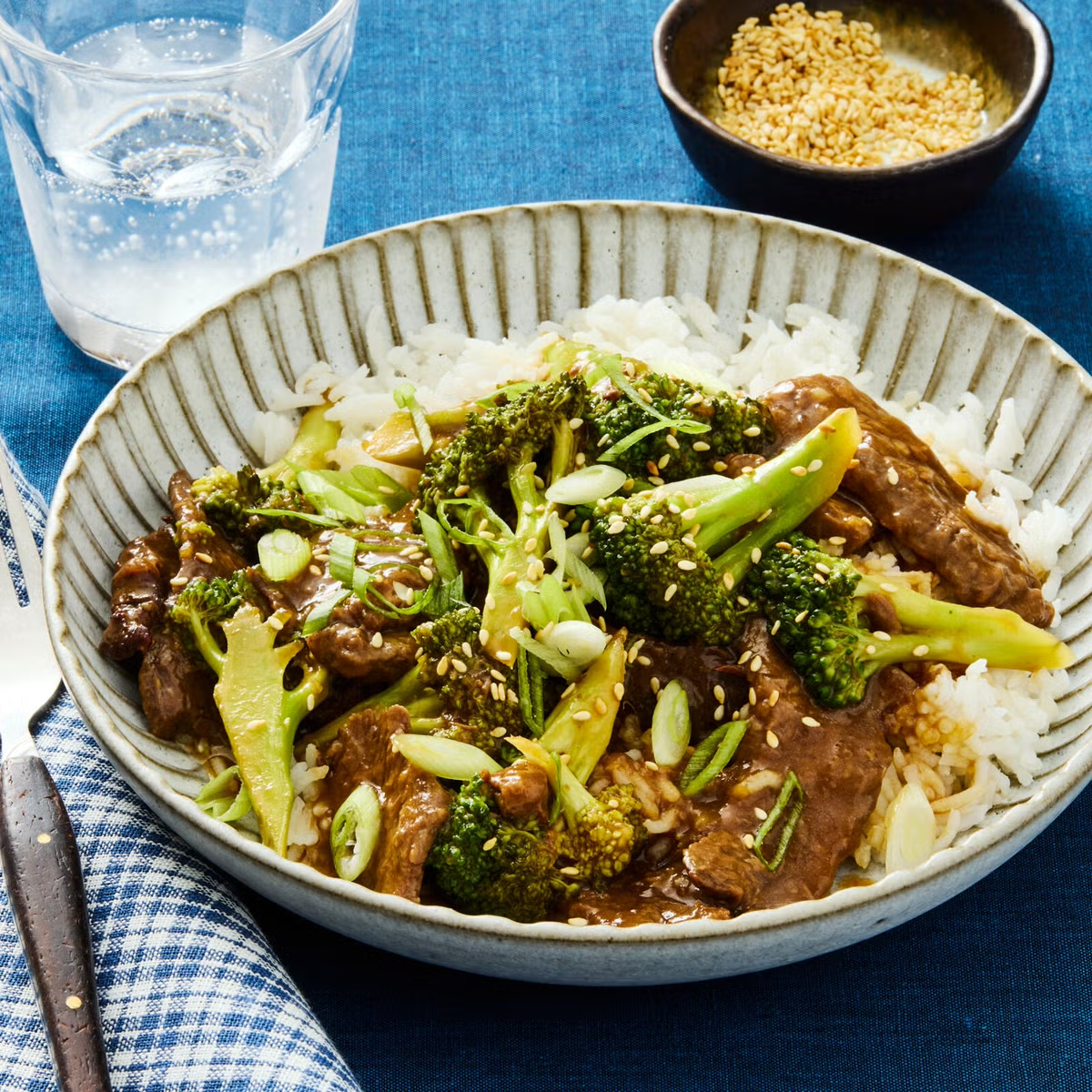
2. The Ultimate Stir-Fry
Keep the heat high and the movements quick. Start with aromatics like garlic or ginger, add bite-size vegetables, then finish with a simple sauce of soy, sesame oil, and a touch of sweetness. Serve over rice, noodles, or even shredded lettuce.

3. The Hearty Soup
Simmer onions, carrots, and celery in water or broth, then introduce beans, pasta, or grains for body. A final drizzle of olive oil and a shower of grated cheese turn humble elements into a bowl of comfort.
Conclusion

Learning to cook with what you have on hand is less about restriction and more about possibility. A thoughtful pantry check, a few reliable techniques, and an adventurous spirit can transform modest ingredients into meals worth sharing. With practice, the question shifts from “What can I possibly make?” to “What delicious surprise will today bring?”